
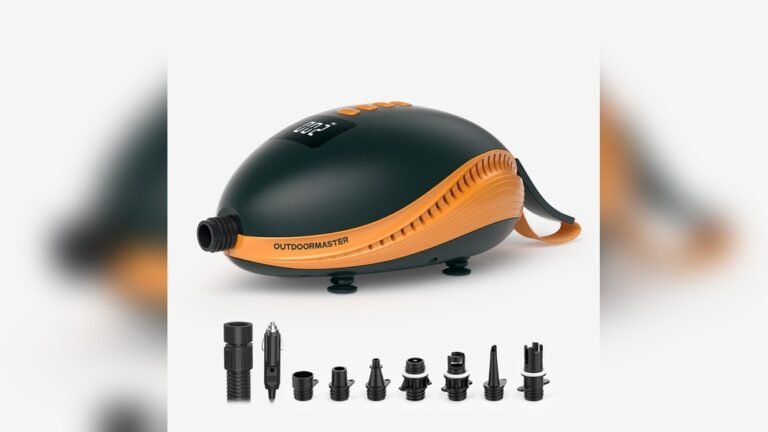
Pumping up your inflatable paddle board should be easy and worry-free. But nothing spoils the fun faster than finding a leak—especially when you’re ready for the water. Many paddlers face this problem, often caused by small mistakes during inflation. The good news?
Most leaks are preventable if you know what to watch for. In this guide, you’ll learn how to avoid leaks while pumping your paddle board, with real steps, expert tips, and practical solutions. Whether you’re new to SUPs or have years on the water, these strategies will help you protect your board and your paddling experience.
Why Leaks Happen During Pumping
Leaks can be frustrating, but they almost always have a clear cause. Understanding these common sources is the first step to prevention.
- Valve issues: The inflation valve is a critical part. If it’s not clean, tight, or in good shape, air can escape even if you pump correctly.
- Pump connection leaks: If the pump hose isn’t attached well, or if the fitting is worn or dirty, air can leak before it even enters the board.
- Incorrect pumping technique: Pumping too fast, using the wrong pressure, or forcing the hose can damage the valve or seams.
- Foreign objects: Small sand, grit, or debris caught in the valve or pump hose can cause tiny leaks you might not notice until too late.
- Manufacturing defects or wear: Over time, even quality boards can develop weak seams or tiny punctures—especially if they’re not cared for.
Each of these problems is avoidable. The right steps make a big difference.
Prepare Your Board Before Pumping
Preparation often prevents leaks before they start. Here’s what to check each time:
- Clean the valve: Use a soft brush or cloth to remove sand, dust, and debris from around the valve. Even small particles can prevent a tight seal.
- Inspect the board: Look for scratches, cuts, or worn spots—especially near the seams and valve. If you see damage, repair it before inflating.
- Check valve position: The inflation valve should be in the “inflate” position, not the “deflate” or “locked” mode. Double-check before attaching the pump.
- Dry the valve area: If your board is wet from storage or transport, dry the valve completely. Water in the valve can mix with air and cause tiny leaks.
- Prepare the pump and hose: Make sure your pump’s hose and connectors are free from cracks, dirt, or sand.
A clean, dry, and well-inspected board is much less likely to leak.
Attach The Pump Correctly
Many leaks begin at the connection point between the pump and the board. A few careful steps can eliminate most of these issues.
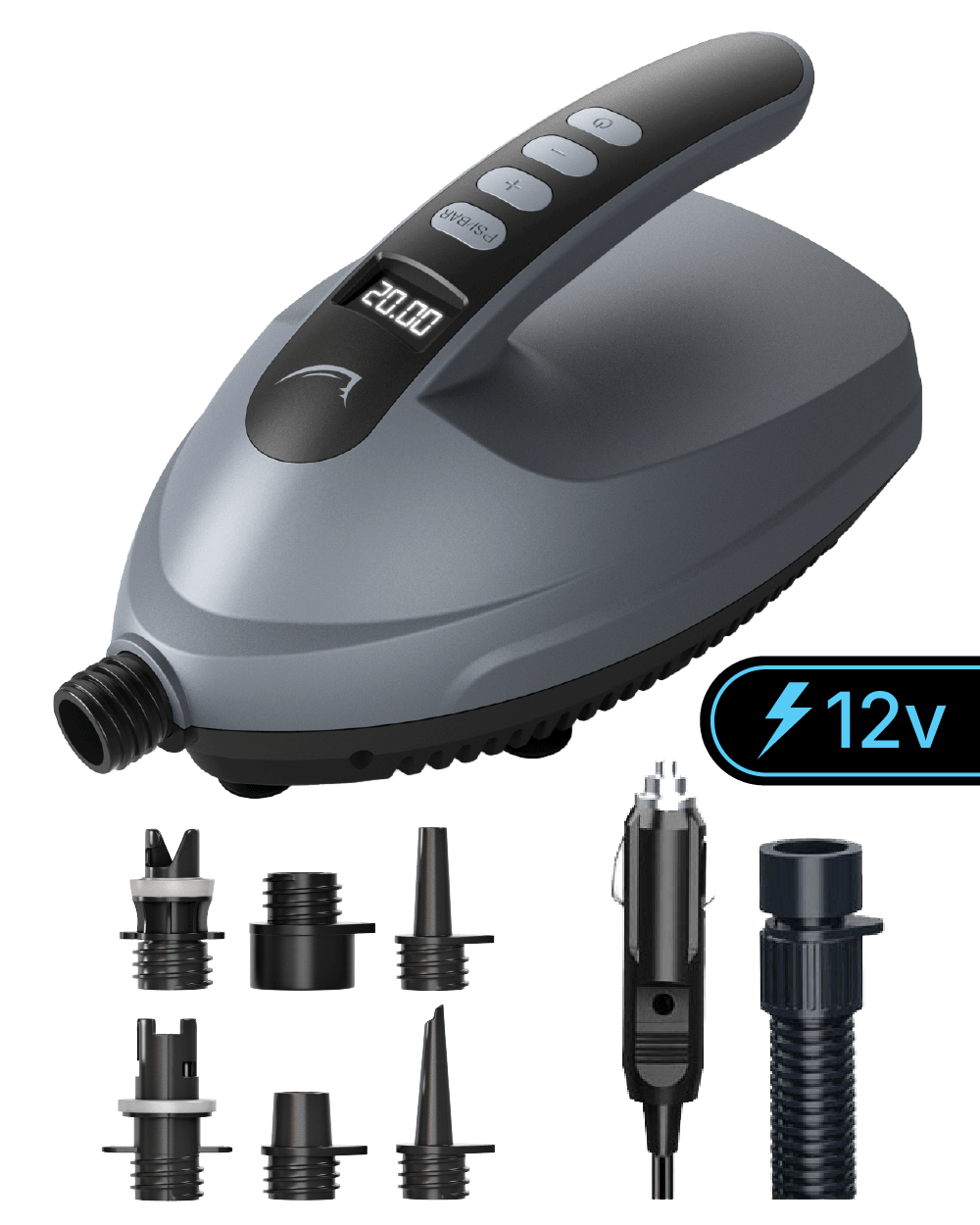
- Use the correct adapter: Not all boards use the same valve connector. Check your manual and use the adapter designed for your board.
- Tighten, but don’t over-tighten: The hose should fit snugly, but don’t force it. Over-tightening can damage the threads or connector ring.
- Test the connection: Before you start pumping, give the hose a gentle twist and pull to check it’s secure. If it pops off easily, try again.
- Listen for leaks: When you first pump, listen for a hissing sound at the connection. If you hear air escaping, stop and reattach.
Comparing Pump Connector Types
Choosing the right connector matters. Here’s a quick comparison of the most common types:
| Pump Connector Type | Valve Compatibility | Leak Risk | Ease of Use |
|---|---|---|---|
| Twist-Lock | Halkey-Roberts (HR) | Low, if clean | Easy |
| Push-Fit | Boston, Bravo | Medium | Very Easy |
| Screw-On | HR, Leafield | Very Low | Moderate |
Always use the connector designed for your board’s valve to reduce leaks.
Pumping Technique Matters
How you pump is just as important as the equipment you use. A few simple habits can protect your board.
- Pump slowly at first: The first few pumps fill the board when it’s flat. Pumping too fast can flex the seams and valve, causing stress.
- Monitor pressure: Use a pressure gauge and aim for the manufacturer’s recommended PSI, usually between 12 and 15 PSI for most SUPs.
- Don’t over-inflate: Too much air can stretch the seams and valves, leading to leaks. Stop as soon as you reach the right pressure.
- Keep the hose straight: A twisted or kinked hose can put pressure on the valve, increasing leak risk.
- Take breaks: If you notice the pump or hose getting hot, pause for a few seconds. Heat can soften seals and increase leaks.
Pressure Guide For Popular Boards
Here’s a look at typical pressures for different paddle board types:
| Board Type | Recommended PSI | Max PSI |
|---|---|---|
| All-Around SUP | 12–15 | 18 |
| Touring SUP | 15–18 | 20 |
| Race SUP | 18–20 | 22 |
| Kids’ SUP | 10–12 | 15 |
Never exceed the max PSI, and always check your board’s manual.

Handle The Valve With Care
The valve is the heart of your inflatable paddle board’s air system. Treat it with care every time you inflate.
- Don’t force the valve: Always press and turn gently. Forcing it can crack the mechanism or break the seal.
- Check for grit and sand: Even small grains can cause leaks. If you spot dirt, use compressed air or a soft brush to clean.
- Replace damaged seals: If you see cracks in the rubber O-ring or gasket, replace them before you pump. These parts are cheap and easy to swap.
- Check the valve tool: Some boards come with a small valve wrench. Use it only if you need to tighten a loose valve—never overtighten.
Common Valve Problems And Solutions
| Problem | Cause | Solution |
|---|---|---|
| Hissing after inflation | Loose valve or dirty seal | Tighten valve, clean with brush |
| Valve sticks open | Sand/grit in mechanism | Flush with water, clean gently |
| Cracked O-ring | Age, sun exposure | Replace O-ring |
Never ignore a hissing sound after you finish pumping.
Store And Transport Your Board Properly
How you store and move your paddle board can affect its long-term leak risk. Small mistakes often lead to problems later.
- Dry before rolling: Never roll up or store your board when it’s wet. Moisture can weaken seams and encourage mold.
- Avoid hot cars: High heat can soften glue and seals, causing leaks to develop over time. Store in a cool, dry place.
- Use a protective bag: A padded bag protects the valve, seams, and surface from sharp objects during transport.
- Don’t drag the board: Sliding your board on sand, gravel, or concrete can scratch or puncture the material—sometimes without you noticing.

Test For Leaks Regularly
Even with the best care, small leaks can develop. A quick check before each trip can save your day.
- Listen for hissing: After pumping, stand close to the valve and seams and listen for a faint hiss.
- Soap and water test: Mix a little dish soap with water, then brush it on the seams and valve. If you see bubbles forming, there’s a leak.
- Press gently: With the board inflated, press along the seams and valve area. If you hear or feel air, investigate further.
If you find a leak, mark it with a pen or tape so you can repair it later.
Repair Small Leaks Quickly
Catching a leak early is key. Most small leaks are easy to fix with a repair kit.
- Clean and dry the area: Before you patch, make sure the surface is clean and completely dry.
- Use a quality patch kit: Most boards come with a repair kit. Follow the instructions carefully.
- Let the patch cure: After applying, let the glue set for at least 12 hours (or as directed) before inflating again.
- Replace faulty valves: If a valve is beyond repair, buy a replacement from your board’s manufacturer.
It’s worth keeping a patch kit in your car or SUP bag at all times.
Non-obvious Insights For Leak Prevention
There are a few smart habits many paddlers overlook:
- Rotate the valve position: Each time you inflate, rotate the valve slightly (if your board allows). This prevents the rubber seal from wearing down in one spot.
- Use a hand pump for the last PSI: Some electric pumps can over-inflate or stress the valve. Finishing with a hand pump helps you control the pressure and spot leaks.
- Don’t leave the hose attached: Disconnect the hose immediately after reaching the right pressure. Leaving it on can let air escape if the connector loosens.
These small details add up to a much longer-lasting, leak-free paddle board.
When To Get Professional Help
If you’ve tried these steps and still find leaks, it may be time for expert help.
- Large or spreading leaks: Punctures over 1 inch or leaks across a seam may need professional repair.
- Valve replacement: If the valve itself is broken or loose inside the board, a shop can fix it properly.
- Frequent leaks: If you fix one leak and another appears soon after, your board might be at the end of its life or have a major defect.
Contact your board’s manufacturer or a certified SUP repair shop for advice.
Frequently Asked Questions
How Can I Tell If My Paddle Board Is Leaking During Pumping?
Listen for a hissing sound, especially near the valve and seams. You can also use a soap and water mix to spot bubbles, which show escaping air.
Do All Leaks Happen Because Of Pumping Mistakes?
No, but many leaks start with improper pumping technique, dirty connectors, or forcing the hose. Regular inspection and care prevent most issues.
Is It Safe To Use An Electric Pump For My Inflatable Paddle Board?
Electric pumps are convenient but can over-inflate if not watched closely. Always use a pressure gauge and finish the last few pumps by hand for better control.
What Should I Do If I Find A Leak While On A Trip?
If you have a repair kit, clean and dry the area, then patch it as directed. If the leak is large or near the valve, deflate the board and seek professional help when possible.
How Often Should I Check My Board For Leaks?
Check for leaks before every use, especially after long storage or transport. Regular checks help you spot problems early, before they ruin your day on the water.
For more detailed valve care and paddle board maintenance, you can refer to the Wikipedia Standup Paddleboarding Guide.
Taking a few careful steps before and during pumping makes all the difference. With the right habits, your paddle board will stay firm, float well, and give you many leak-free adventures. Enjoy your time on the water—confident your board is ready for anything.
