If you love paddle boarding, you probably know the importance of a good pump. The right pump gets you on the water faster and makes inflating your board much easier. But what if your pump doesn’t fit your board? Many beginners wonder, “How do I know if my paddle board pump is compatible?
” This is a common question, and the answer isn’t always obvious.
Let’s explore everything you need to know about paddle board pump compatibility. By the end, you’ll understand what to check, how to avoid mistakes, and even how to solve problems if your pump doesn’t fit your board.
Why Paddle Board Pump Compatibility Matters
Using a compatible pump is more than just a convenience. If your pump does not fit properly, you may:
- Waste time trying to inflate your board
- Risk damaging the valve or pump
- Have air leaks, making inflation impossible
Some people try to force a pump to fit or use homemade adapters. This can break the valve or leave you stranded with a flat board. That’s why it’s important to understand pump compatibility before heading out.
Understanding Paddle Board Valves
The key to pump compatibility is the valve type on your paddle board. Most inflatable SUPs (Stand Up Paddleboards) use one of a few common valves.
Halkey-roberts (hr) Valve
The Halkey-Roberts valve is the most popular for inflatable SUPs. It’s a round, push-and-twist valve. Most SUP pumps are designed for this type.
Other Valve Types
Some boards use different valves:
- Boston valve: Common on air mattresses, but rare on SUPs.
- Leafield valve: Found on some higher-end boards.
- Military valve: Similar to HR, but can have small differences.
If you’re unsure which valve you have, check your board’s manual or look for a name or symbol near the valve.
How To Identify Your Paddle Board Pump’s Fitting
Now, look at your pump. The nozzle or fitting at the end of the hose is the critical piece.
- Most SUP pumps come with an HR fitting (sometimes called “universal”).
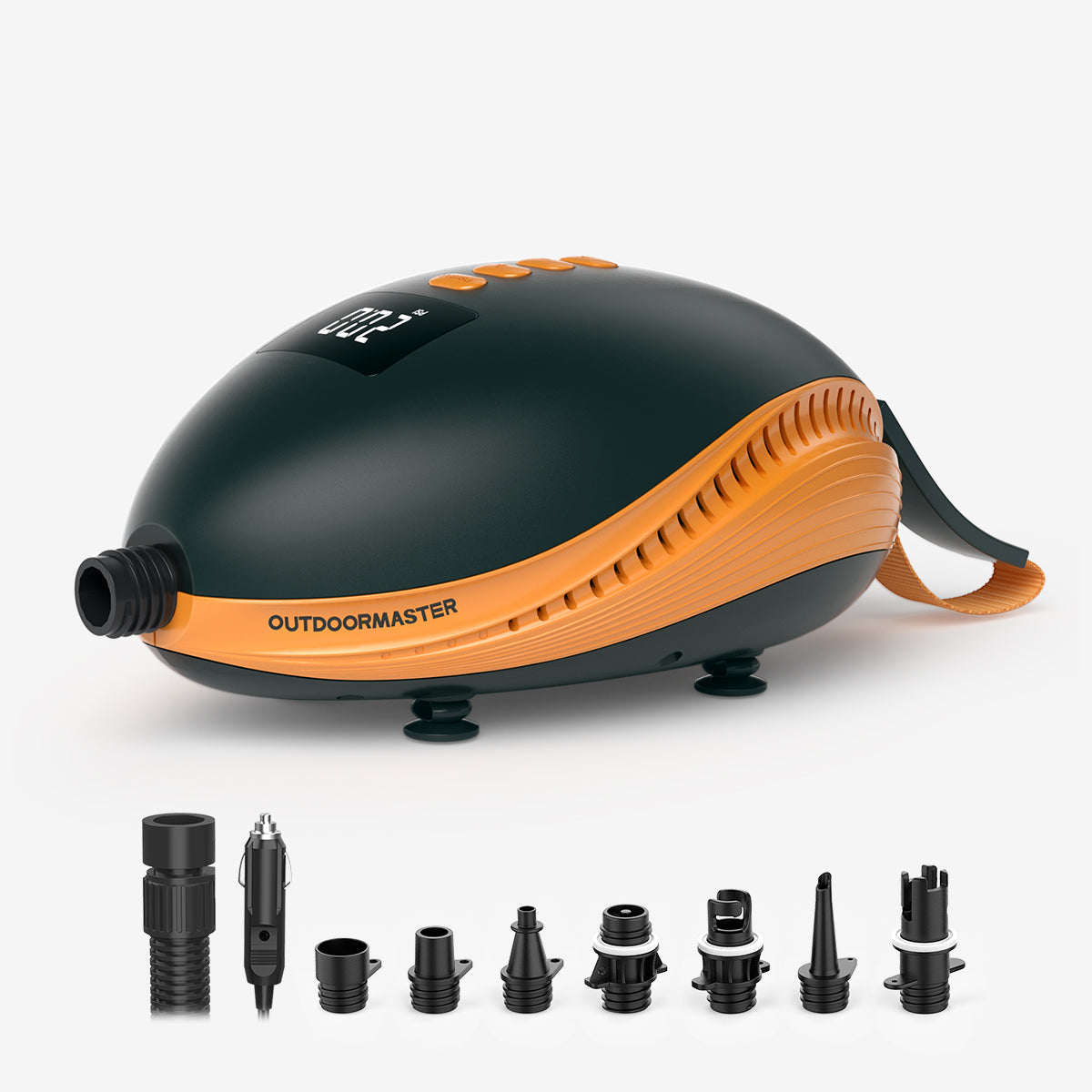
- Some pumps include a set of different nozzles.
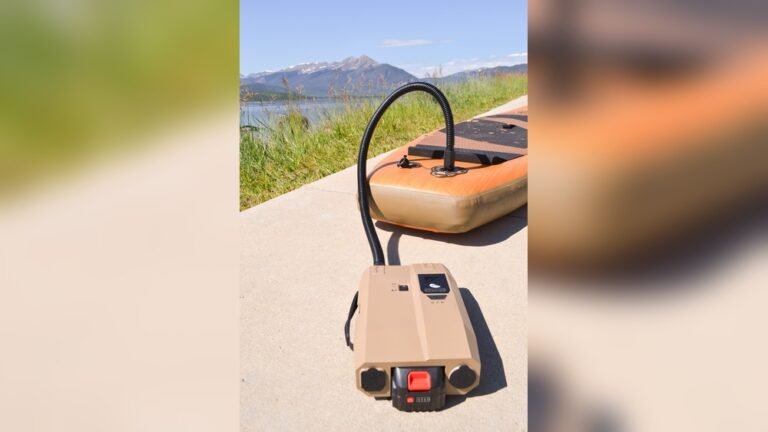
- Electric pumps often list supported valve types in their specs.
If your pump’s fitting does not match your board’s valve, you’ll struggle to get a tight seal.
Common Sup Pump And Valve Combinations
To make things clearer, here’s a comparison of pump and valve combinations you might see:
| Pump Type | Valve Fitting | Common Boards |
|---|---|---|
| Manual Hand Pump | HR (Halkey-Roberts) | Most inflatable SUPs |
| Electric Pump | HR, Boston, Leafield (with adapters) | All-round & touring boards |
| Generic Air Pump | Boston or other | Pool floats, kayaks |
Most paddle boarders use the first two combinations. The third often causes problems, as a generic air pump usually does not fit SUP valves.
Steps To Check Pump Compatibility
Here’s a clear process to follow if you want to check if your pump is compatible with your paddle board:
- Identify your board’s valve type. Look for “HR”, “Halkey-Roberts”, or other names in your manual or near the valve.
- Check your pump’s nozzle. Look for a matching label or symbol.
- Test the fit. Gently insert the nozzle into the valve (without inflating). It should fit snugly and click or twist to lock.
- Check for air leaks. Inflate a little and listen for hissing. If you hear air, the fit is not perfect.
- Check pump instructions. Some manufacturers list compatible brands or valve types.
This simple process prevents frustration and saves time at the water’s edge.
What If Your Pump Doesn’t Fit?
Sometimes, you already have a pump, but it doesn’t fit your board. Here are your options:
1. Use An Adapter
Many SUP shops sell valve adapters. These small pieces connect your pump to a different valve type. For example, you can get an HR-to-Boston adapter or HR-to-Leafield adapter.
2. Buy The Right Fitting
Some pumps have removable nozzles. If yours does, buy the correct nozzle for your board’s valve.
3. Upgrade Your Pump
If you plan to paddle often, consider buying a dedicated SUP pump. These usually come with the right fittings and are built for the high pressure that paddle boards require.
Comparing Hand Pumps And Electric Pumps
Choosing the right pump is also about convenience and speed. Let’s compare the two main types:
| Feature | Hand Pump | Electric Pump |
|---|---|---|
| Inflation Time | 8–12 minutes (average) | 6–10 minutes (average) |
| Effort Needed | High | Low |
| Portability | Very portable | Needs power source |
| Valve Compatibility | Usually HR only | Often comes with adapters |
Key insight: Electric pumps often have more adapter options, making them more flexible for different boards.
Psi And Pressure Considerations
Not all pumps are equal when it comes to pressure. Most paddle boards need to be inflated to 12–18 PSI (pounds per square inch). Some boards may require up to 20 PSI.
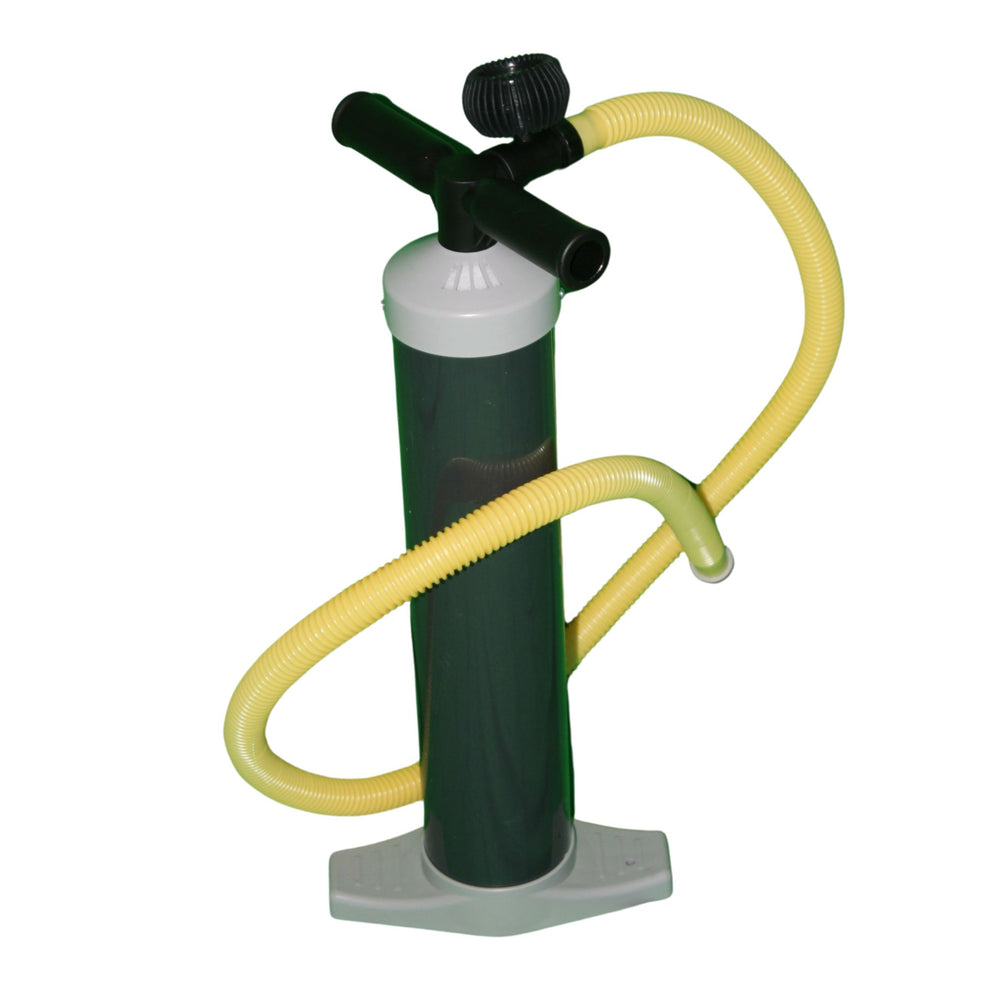
- Hand pumps usually reach 15–20 PSI but require more effort.
- Electric pumps should list their maximum PSI in the manual.
If your pump cannot reach the right PSI, your board will feel floppy and perform poorly.
Reading Manufacturer Specifications
One step many beginners skip is reading the manufacturer’s instructions. The specs for both your board and pump usually list:
- Valve type
- Maximum pressure
- Recommended pump type
Checking these details in advance can save you money and time.
Mistakes Beginners Often Make
Many new paddle boarders make these common mistakes:
- Assuming all pumps are universal: Not all pumps fit all boards, even if they look similar.
- Buying a cheap air mattress pump: These usually cannot reach the high PSI needed for SUPs.
- Ignoring the need for adapters: If you have a multi-use pump, you might still need a SUP adapter.
- Over-tightening the nozzle: Forcing the nozzle can damage the valve or the fitting.
Taking a few minutes to check compatibility prevents these headaches.
Brands And Compatibility Examples
Some brands use unique fittings or offer special adapters. Here are a few examples:
- IRocker and Atoll: Use standard HR valves, so most SUP pumps work.
- Red Paddle Co: Uses a special Titan pump, but also fits HR adapters.
- Sea Eagle: Some models use Leafield valves.
If you are unsure about your brand, check their website or reach out to customer service.
How To Test Compatibility Before Your Trip
Don’t wait until you’re at the beach! Test your pump at home.
- Attach the pump to your board.
- Pump a small amount of air.
- Check for a tight seal and no leaks.
- Remove the pump and listen for air escaping (some valves close automatically).
If it works at home, you’re ready for the water.

What To Do If You Have Multiple Boards
If you own more than one board (or paddle with friends), you may encounter different valves. Here’s how to stay prepared:
- Buy a universal adapter kit. These include several common fittings.
- Label your adapters so you don’t mix them up.
- Keep spare adapters in your paddle bag.
That way, you’re ready for any board.
When To Replace Your Pump Or Fittings
Pump fittings can wear out over time. Signs you need a replacement include:
- The nozzle doesn’t lock or seal well
- Air leaks during inflation
- The pump won’t reach the right PSI
Regularly check your gear at the start of each season.
Real-world Example
Let’s say you buy a used paddle board from a friend. The board has a Leafield valve, but your current pump only fits HR valves. At the store, you find a small adapter for $5 that lets your pump fit the Leafield valve perfectly. You avoid buying a whole new pump, saving money and hassle. This is a common scenario for people who paddle with friends or rent boards.
Environmental Tip
If you upgrade your pump, don’t throw away the old one. Many outdoor gear shops accept old pumps for recycling or repurposing. Some even offer discounts if you turn in your old equipment.
Additional Resources
If you want to learn more about paddle board pump types, check out this detailed guide from the Outdoor Gear Lab.
Frequently Asked Questions
How Do I Know What Type Of Valve My Paddle Board Uses?
Look for a label near the valve or check your board’s manual. Most inflatable SUPs use the Halkey-Roberts (HR) valve. If you’re unsure, take a photo and compare with images online or ask your board’s manufacturer.
Can I Use An Air Mattress Pump For My Paddle Board?
No, most air mattress pumps do not reach the high PSI needed for paddle boards. Also, their nozzles usually do not fit SUP valves. Using the wrong pump can waste time and may damage your board.
Is An Electric Pump Better Than A Hand Pump?
It depends on your needs. Electric pumps are faster and require less effort, but need a power source. Hand pumps are portable and reliable but require physical work. Electric pumps often come with more adapters for different valves.
What Should I Do If My Pump Hose Is Leaking?
First, check if the hose is attached tightly at both ends. If it still leaks, inspect for cracks or holes. You may need a replacement hose. If your pump is still under warranty, contact the manufacturer.
Do All Paddle Boards Come With A Compatible Pump?
Many new boards include a compatible pump, but not all do. If you buy a used board or a board-only package, you may need to buy a pump separately. Always check the valve type before purchasing a pump.
Making sure your paddle board pump is compatible may seem like a small detail, but it can make or break your paddling experience. Take the time to check your valve type, test your pump, and get the right adapters if needed.
This ensures you spend more time on the water and less time struggling on the shore. With the right tools and a little preparation, you’ll be ready for any adventure.