
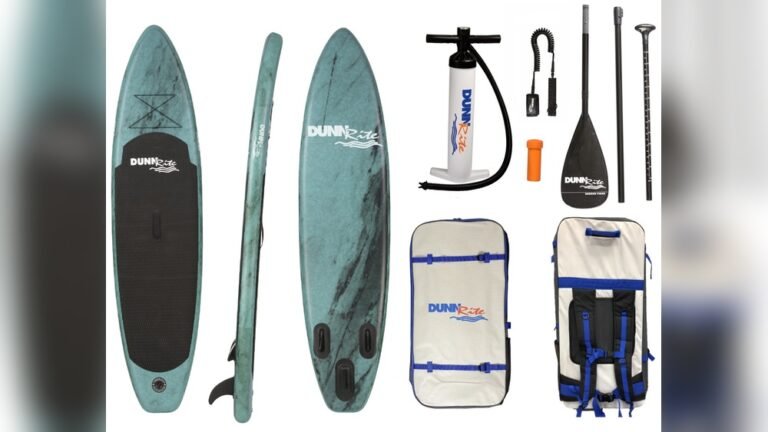
If you’re getting ready for a day on the water, nothing is more frustrating than finding your paddle board pump stuck. You want to inflate your board quickly and easily, but sometimes the pump refuses to work. Maybe the handle won’t move, the gauge is stuck, or air isn’t flowing. Don’t worry—most pump problems are fixable with a little patience and the right approach. Let’s explore how you can troubleshoot and fix a stuck paddle board pump, get back on the water, and even avoid pump problems in the future.
Understanding How Paddle Board Pumps Work
Before fixing a stuck pump, it helps to know the basics. Paddle board pumps are usually either manual hand pumps or electric pumps. Manual pumps come in two main types: single-action (air pushes on the upstroke) and double-action (air pushes on both up and down strokes). Both use pistons, seals, and valves to move air into your board. If any part gets blocked, dirty, or worn out, the pump can get stuck.
Electric pumps use a small motor to push air, often with a pressure gauge and auto-stop features. While convenient, they can also get blocked or overheat.
Knowing the type of pump you have helps you diagnose the issue faster.
Common Reasons Why Paddle Board Pumps Get Stuck
Several things can cause your paddle board pump to jam or stop working:
- Sand or debris inside the pump barrel or valves
- Dry or damaged seals causing friction
- Valve blockages at the connection point
- Broken or misaligned internal parts
- Overtightened fittings making the pump hard to move
- Moisture or rust inside the pump
Recognizing the cause is the first step toward a solution.
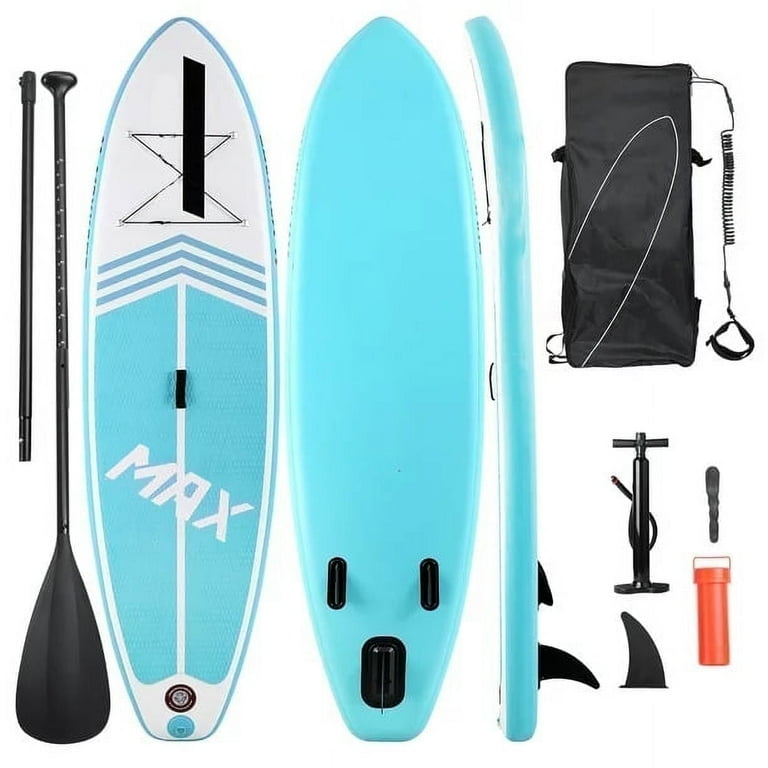
Quick Troubleshooting Steps
When your pump is stuck, start with some basic checks:
- Check the hose and connections. Make sure the hose isn’t twisted, kinked, or blocked.
- Inspect the pump handle. Does it move at all, or is it completely jammed?
- Look for visible debris. Sand and dirt are common culprits, especially after beach use.
- Test the air flow. Remove the hose and try pumping. If air comes out, the problem may be at the board’s valve.
- Listen for air leaks. Hissing sounds can signal a seal or valve issue.
These simple steps often reveal the problem without opening the pump.
How To Fix A Stuck Manual Paddle Board Pump
If your manual pump is stuck and the quick steps didn’t help, follow these actions:
1. Disassemble The Pump
Most pumps are held together with a few screws or clips. Unscrew the top carefully. Keep track of all parts, as they are easy to lose.
2. Clean The Inside
Sand, dust, and salt are common. Wipe the inside barrel, seals, and piston with a clean, damp cloth. Avoid using harsh chemicals. For stubborn grime, use a mild soap solution and rinse thoroughly.
3. Check And Lubricate Seals
Inspect the rubber seals (often called O-rings). If they look dry or cracked, they may need replacing. Apply a small amount of silicone lubricant (not petroleum jelly—it can damage rubber) to the seals and moving parts. This reduces friction and helps the pump glide smoothly.
4. Inspect The Valves
Both the pump and your paddle board have valves. Remove any debris or sand. Check for cracks or warping. Clean with a soft brush if needed.
5. Reassemble And Test
Put everything back together. Try pumping again. If the pump moves smoothly and air flows, you’ve fixed it. If not, repeat the steps and check for missed debris or worn parts.
How To Fix A Stuck Electric Paddle Board Pump
Electric pumps can stick due to blockages or electrical faults. Here’s how to handle them:
1. Unplug And Cool Down
Always unplug the pump before opening it. If the pump feels hot, let it cool for 10–15 minutes. Overheating can cause temporary malfunctions.
2. Open The Pump Casing
Remove screws and gently open the casing. Look for sand, dust, or water inside.
3. Clean Internal Parts
Blow out dust with compressed air. Wipe surfaces with a dry cloth. Avoid moisture near electrical components.
4. Check The Motor And Fan
If the motor is jammed, try turning it by hand (if accessible). If it won’t move, it may need professional repair.
5. Inspect The Power Source
Test the power cable, plug, and fuse. Faulty power can make the pump seem stuck.
After cleaning, reassemble and test. If problems remain, consult the manual or contact the manufacturer.
Comparing Manual Vs. Electric Pump Troubleshooting
Here’s a clear comparison to help you decide which steps apply to your pump:
| Issue | Manual Pump | Electric Pump |
|---|---|---|
| Sand/Debris | Disassemble and clean inside barrel | Open casing, blow out debris |
| Seal Problems | Lubricate or replace O-rings | Rare, but check gaskets |
| Motor Issues | Not applicable | Check motor movement and power |
| Valve Blockage | Clean pump and board valve | Clean connectors and hose |
Key Tools And Materials For Pump Repair
Having the right tools ready makes the job easier:
- Screwdrivers (usually Phillips)
- Soft cloths for cleaning
- Silicone lubricant for seals
- Spare O-rings (check your pump’s manual for size)
- Compressed air for electric pumps
Avoid using WD-40 or oil-based lubricants on rubber parts, as they can cause damage over time.
When To Replace Vs. Repair Your Pump
Sometimes, fixing isn’t possible—or worth your time. Here’s how to know:
- If the barrel is cracked or warped, replacement is best.
- If seals are missing or motor is burned out, repairs can cost more than buying new.
- If parts are rusty and won’t move after cleaning, replacement is safer.
Modern pumps are usually under warranty for 1–2 years. Check with the manufacturer before buying a new one.

How To Prevent Paddle Board Pump Problems
Most pump issues are preventable. Use these tips to keep your pump working year after year:
- Rinse after each use. Salt and sand build up quickly, especially at the beach.
- Store in a dry place. Humidity and sunlight can damage rubber seals and plastic parts.
- Lubricate seals regularly. Every few months, apply silicone grease.
- Don’t overinflate. Stop at the recommended PSI to avoid excess strain.
- Check for leaks. Inspect hoses and connections before each use.
- Use a pump bag. Keeps out dirt and protects from bumps.
A well-maintained pump rarely gets stuck.
Real-world Example: Troubleshooting A Stuck Pump
Imagine you finish paddle boarding at a sandy lake. Next time, your pump handle is stuck. Here’s how you’d fix it:
- You notice sand around the handle. You open the pump, finding sand inside the barrel.
- After wiping the barrel and seals, you apply silicone lubricant to the O-ring.
- Reassembling, the pump works smoothly—problem solved.
Many new users forget to clean after every use, especially after sandy beaches. Over time, this leads to stuck handles and worn seals. Regular cleaning saves time and money.
Most Common Beginner Mistakes When Fixing A Paddle Board Pump
- Forcing the handle. This can break internal parts or bend the piston.
- Using oil-based lubricants. These destroy rubber seals and attract dirt.
- Skipping reassembly steps. Missing seals or screws can cause leaks.
- Ignoring the board valve. Sometimes, the problem isn’t in the pump but at the board connection.
Always work gently, use the right products, and check both pump and board.
What If Your Pump Still Doesn’t Work?
If you’ve cleaned, lubricated, and checked connections but the pump is still stuck, you may need expert help. Some manufacturers offer repair services, or you can check with your local paddle board shop. Avoid using super glue, duct tape, or other quick fixes on pump internals—they often make things worse.
If you’re in doubt, check your pump’s warranty or the official support page. For more details on paddle board maintenance, visit the Wikipedia SUP guide.

Paddle Board Pump Maintenance Schedule
Keeping a routine helps prevent most issues. Here’s a simple maintenance schedule:
| Task | Frequency | Details |
|---|---|---|
| Rinse and dry | After each use | Removes sand, salt, and dirt |
| Lubricate seals | Every 2 months | Use silicone grease |
| Check for leaks | Monthly | Inspect hoses, seals, and connectors |
| Disassemble and clean | Twice a season | Thorough cleaning inside and out |
Following this plan can help you avoid getting stuck at the shore.
Signs Your Pump Needs Professional Repair
Not every stuck pump can be fixed at home. Watch for these warning signs:
- Strange noises (grinding, screeching)
- Persistent air leaks even after seal replacement
- Broken handles or barrels
- Electric pump smells (burnt wires)
If you experience any of these, professional help is safest. Some repairs need special tools or parts.
Frequently Asked Questions
Why Does My Paddle Board Pump Get Stuck After Using It At The Beach?
Sand and salt are the main causes. They get inside the pump and create friction or blockages. Always rinse and dry your pump after beach use.
Can I Use Wd-40 To Lubricate My Paddle Board Pump?
No. WD-40 and similar oils can damage rubber seals and attract dirt. Use only silicone lubricant designed for pumps.
How Do I Know If The Problem Is The Pump Or My Paddle Board’s Valve?
Disconnect the hose from your board and pump. Try pumping air into the open hose. If the pump works, the problem is likely at the board’s valve.
Is It Safe To Open An Electric Paddle Board Pump?
Open the casing only when the pump is unplugged. Be careful not to touch or damage wires. If unsure, ask a professional for help.
How Often Should I Replace My Paddle Board Pump Seals?
Check your seals every few months. Replace them if you see cracks, dryness, or leaks. Good seals can last several seasons with proper care.
—
Fixing a stuck paddle board pump is often simple if you know what to look for. Clean, lubricate, and check all parts regularly to prevent problems. If your pump still won’t work, don’t hesitate to ask for expert help or consider a replacement.
With good maintenance, your paddle board adventures will stay smooth and stress-free.
