
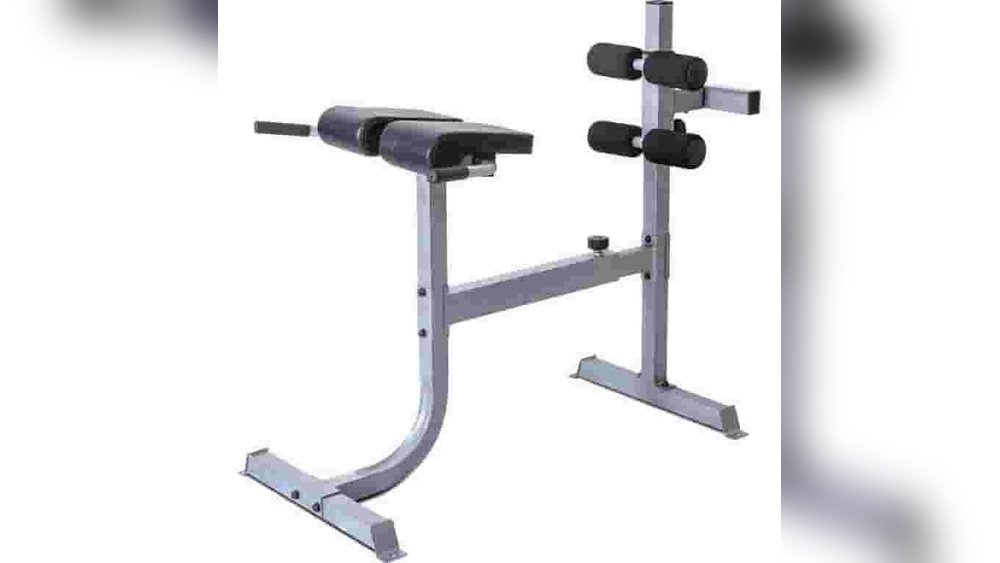
If you own a hyperextension bench, you know how important it is for your workouts and back health. But have you ever thought about how to keep it clean and in top shape?
A dirty or poorly maintained bench can affect your performance and even cause damage over time. You might be wondering: How do I clean and maintain a hyperextension bench properly? You’ll discover simple, practical steps that will help you protect your investment and keep your equipment safe and ready for every session.
Keep reading to find out how easy it is to extend the life of your hyperextension bench and boost your workout experience.
Choosing The Right Cleaning Tools
Choosing the right cleaning tools is key to keeping your hyperextension bench in good shape. Using proper supplies helps remove dirt and sweat without damaging the bench. The right tools also make cleaning faster and easier. This section covers the best cleaning supplies and what to avoid.
Recommended Cleaning Supplies
Use a soft cloth or microfiber towel to wipe down the bench. These materials do not scratch the surface. A mild soap mixed with water cleans well without harming the bench. Spray bottles help apply the solution evenly. For tougher spots, use a soft-bristled brush gently. Always have a dry cloth ready to remove excess moisture.
Avoiding Harmful Chemicals
Stay away from bleach and ammonia-based cleaners. These can damage the bench material and cause discoloration. Avoid abrasive pads or steel wool, which scratch the surface. Harsh chemicals also reduce the bench’s lifespan. Stick to gentle, non-toxic cleaning agents for safe maintenance.

Step-by-step Cleaning Process
Cleaning and maintaining a hyperextension bench is important for safety and durability. A regular cleaning routine keeps the bench looking good and working well. Follow these simple steps to clean your bench thoroughly.
Preparing The Bench
Start by unplugging any electronic parts, if your bench has them. Remove loose dust and dirt with a dry cloth. Clear the area around the bench for easy access. Check for any damage or loose parts before cleaning.
Cleaning Upholstery And Pads
Use a soft cloth with mild soap and water. Gently wipe the pads and upholstery surface. Avoid soaking the material to prevent damage. For tough stains, use a small amount of rubbing alcohol. Wipe off any soap residue with a clean damp cloth.
Wiping Metal And Frame
Spray a mild cleaner on a cloth, not directly on the metal. Wipe the frame, handles, and any metal parts carefully. Remove sweat, dust, and grime to prevent rust. Use a toothbrush for tight corners and joints.
Drying Techniques
Use a dry cloth to remove all moisture from the bench. Let the bench air dry completely in a well-ventilated space. Avoid direct sunlight to protect the upholstery. Ensure no water remains to prevent rust and mold growth.
Routine Maintenance Tips
Routine maintenance keeps your hyperextension bench safe and effective. It helps the bench last longer. Regular care stops small problems from growing. Follow simple steps to maintain your bench well.
Regular Inspection Points
Check the bench for cracks or damage each week. Look at the padding for tears or wear. Examine the frame for rust or bending. Make sure all parts are clean and dry. Early checks catch problems fast.
Tightening Bolts And Screws
Loose bolts cause instability and safety risks. Use a wrench to tighten all bolts and screws. Check bolts after every few uses. Don’t overtighten, but ensure parts are firm. This keeps the bench steady during workouts.
Lubricating Moving Parts
Moving parts need smooth motion to work well. Apply a small amount of lubricant on hinges and joints. Wipe off any excess oil to avoid dust build-up. Lubricate monthly to keep parts moving freely. This reduces noise and wear.

Preventing Damage And Wear
Keeping your hyperextension bench in good shape helps it last longer. Preventing damage and wear is key to saving money and staying safe. Small habits can protect your bench from breaking or losing comfort.
Simple steps during use and storage stop damage before it starts. This section covers how to treat your bench right every day.
Proper Usage Guidelines
Do not overload the bench beyond its weight limit. Too much weight strains the frame and joints. Always use the bench on a flat, stable surface. Uneven floors cause wobbling and stress parts.
Avoid sudden or rough movements. Move smoothly to protect padding and metal. Keep feet and hands clean before use. Dirt and sweat wear down materials faster. Check bolts and screws regularly. Tighten loose parts to keep stability and safety.
Storage Recommendations
Store the bench in a dry place to stop rust and mold. Avoid damp basements or garages with moisture. Cover the bench with a cloth or plastic sheet. This shields it from dust and sunlight damage.
Keep it away from heavy objects that may fall on it. If possible, fold the bench and store it vertically. This saves space and reduces pressure on parts. Regularly inspect the bench for signs of wear. Early fixes prevent bigger problems later.
Troubleshooting Common Issues
Troubleshooting common issues with your hyperextension bench helps keep it safe and effective. Small problems can grow if ignored. Regular checks save time and money.
Fixing issues early keeps your bench working smoothly. You avoid injury and extend its life. The next sections cover common problems and easy fixes.
Squeaky Noises
Squeaky sounds often come from dry joints or moving parts. Apply a small amount of lubricant to hinges and bolts. Wipe off any excess oil. Test the bench by moving parts slowly to check for noise.
Repeat lubrication every few weeks to prevent new squeaks. Avoid using too much oil. It can attract dust and dirt.
Loose Components
Loose screws and bolts make the bench unstable. Check all fasteners regularly. Use a wrench or screwdriver to tighten any loose parts. Pay special attention to the footrest and back pad areas.
Loose parts can cause accidents or damage. Tighten them firmly, but do not overtighten. Overtightening may strip the threads.
Surface Stains
Stains on pads or metal parts affect appearance and hygiene. Clean pads with a mild soap solution and a soft cloth. Avoid harsh chemicals that damage the material.
Wipe metal frames with a damp cloth to remove dirt. Dry the bench completely to stop rust or mold. Clean spills quickly to prevent permanent stains.
Frequently Asked Questions
How Often Should I Clean My Hyperextension Bench?
Clean your hyperextension bench after every use to prevent sweat buildup. Weekly deep cleaning with mild detergent keeps it hygienic and prolongs bench life. Regular maintenance avoids unpleasant odors and damage to padding and metal parts.
What Cleaning Products Are Safe For Hyperextension Benches?
Use mild soap or detergent with warm water for cleaning. Avoid harsh chemicals or bleach, as they can damage padding and finish. A soft cloth or sponge works best to gently clean surfaces without scratching.
How Do I Maintain The Bench’s Padding?
Wipe the padding regularly with a damp cloth to remove sweat. Use a mild disinfectant spray occasionally to prevent bacteria growth. Avoid excessive moisture to keep padding firm and durable.
Can I Lubricate The Bench’s Moving Parts?
Yes, apply a silicone-based lubricant to hinges or adjustable joints every few months. This prevents rust and ensures smooth operation. Avoid oil-based lubricants, which can attract dust and dirt.
Conclusion
Cleaning and maintaining your hyperextension bench keeps it safe and lasting. Wipe it down after each use to remove sweat and dust. Check bolts and screws regularly to keep it steady. Use mild soap and water for deep cleaning. Avoid harsh chemicals that can damage the bench.
Store it in a dry place to prevent rust. A little care helps your bench stay strong and ready. Keep your workouts effective and safe with simple maintenance. Easy steps make a big difference over time.
