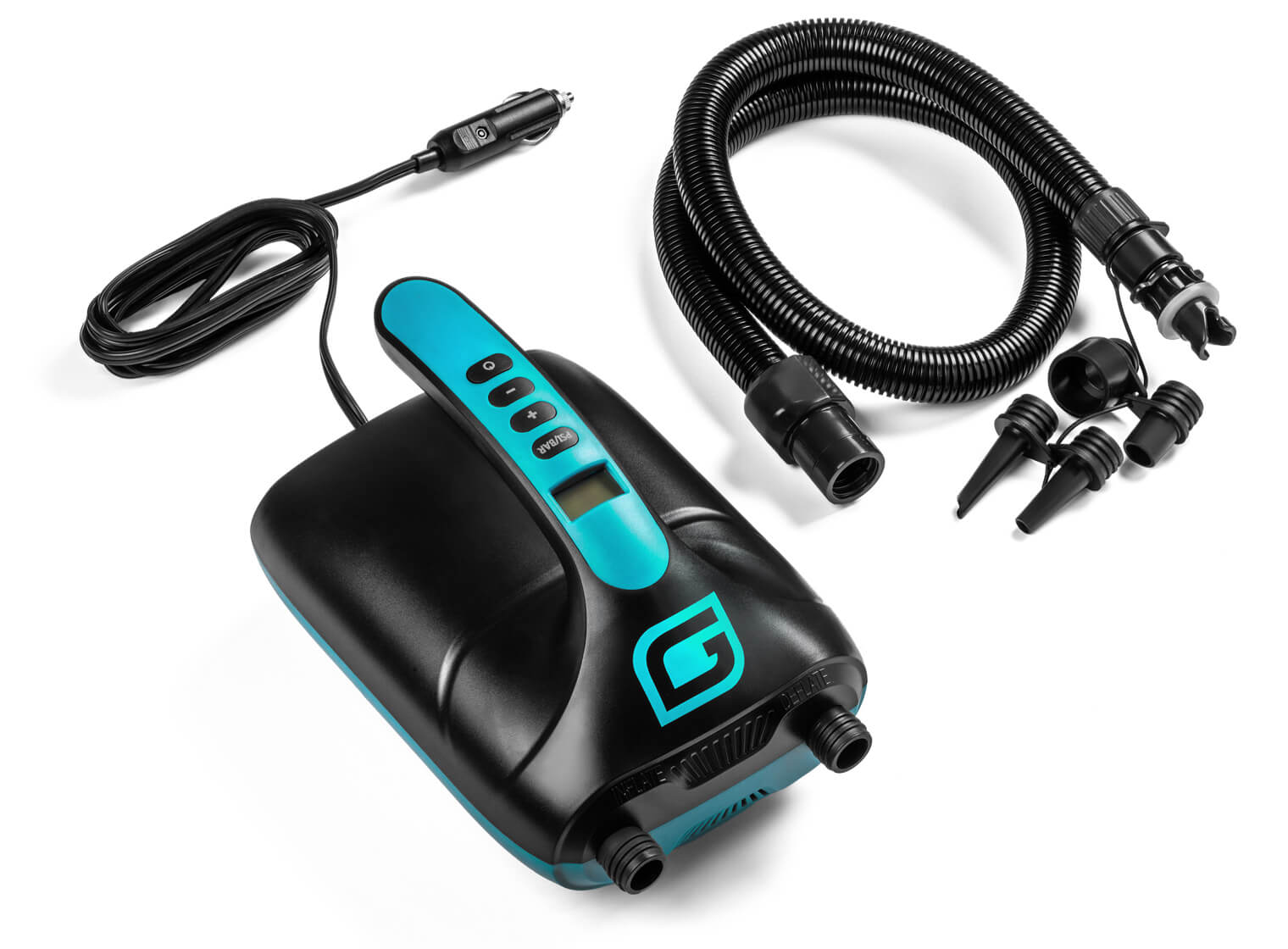
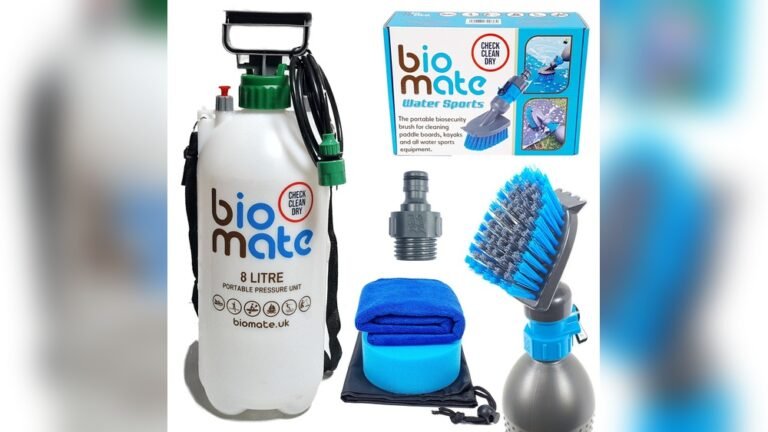
Keeping your paddle board pump clean is more important than many people think. Dirt, sand, and saltwater can damage the pump’s internal parts, reduce its efficiency, and even shorten its lifespan. A well-maintained pump ensures your paddle board is always ready for action, and you don’t waste time struggling with slow inflation or leaks.
Whether you own a manual hand pump or an electric model, regular cleaning is simple but crucial. Let’s explore in detail how you can clean your paddle board pump and keep it working smoothly for years.
Why Clean Your Paddle Board Pump?
Most paddle boarders focus on cleaning their boards and paddles but overlook the pump. However, the pump is your board’s lifeline. Sand, grit, and salt can get inside, making the pump hard to use or even causing failure. A dirty pump can also lead to poor air seals, making inflation slow or impossible. If you paddle in saltwater, the risk of corrosion is even higher. Cleaning your pump regularly prevents these issues and helps you avoid expensive repairs or replacements.
What You Need Before You Start
Gathering the right tools makes cleaning quick and easy. You don’t need anything special—most items are already in your home. Here’s what you should have ready:
- Clean water (freshwater, not saltwater)
- Mild soap or dishwashing liquid
- Soft cloths or microfiber towels
- Small brush (like a toothbrush)
- Lubricant (silicone spray or pump-specific oil)
- Bucket (for rinsing)
- Compressed air (optional, for electric pumps)
- Screwdriver (for pumps that can be opened)
Having these supplies on hand will help you get the job done without delays.
Step-by-step Guide To Cleaning A Paddle Board Pump
Follow these steps for thorough cleaning. The process is similar for both manual and electric pumps, though some steps are specific to each type.
1. Disassemble The Pump (if Possible)
Most pumps have parts that can be removed for better cleaning. Check your pump’s manual for instructions.
- Detach the hose from the pump body.
- Remove the handle if it unscrews easily.
- Open the pump casing if your model allows it (use a screwdriver if needed).
- Keep all small parts in a safe place.
Tip: Take a photo of the pump before disassembly so you remember how to put it back together.
2. Rinse Off Dirt And Debris
Use clean, fresh water to wash away sand, salt, and dirt.
- Rinse the outside of the pump, especially the bottom where sand collects.
- Run water through the hose to clear out any grit inside.
- Avoid using high-pressure water, which can force dirt deeper into the pump.
If you paddle in saltwater, this step is especially important to remove salt crystals.
3. Clean With Soap
Fill a bucket with warm water and add a few drops of mild soap.
- Use a soft cloth to wipe all surfaces, inside and out.
- Clean the handle, hose, and connections carefully.
- For stubborn grime, use a toothbrush to scrub grooves and threads.
Never use harsh chemicals, as these can damage seals or plastic parts.
4. Clean Internal Components
If your pump can be opened, gently clean the cylinder, piston, and seals.
- Wipe the cylinder walls with a damp cloth.
- Check for sand or salt around the piston and O-rings.
- Clean these areas with a brush, being careful not to tear rubber seals.
For electric pumps, avoid touching any wiring. Use compressed air to blow out dust from vents and fans.
5. Inspect For Damage
While cleaning, check for any signs of wear:
- Look for cracked hoses, broken handles, or damaged seals.
- Check O-rings for dryness or cracks—these need to be replaced if damaged.
- Make sure the valve connection is free of splits.
Regular inspection helps you fix small problems before they become big issues.
6. Rinse Everything Again
After scrubbing, rinse all parts with clean water to remove soap and loosened dirt.
- Ensure no soap residue is left behind.
- Shake out excess water from the hose and pump body.
7. Dry Thoroughly
Moisture inside the pump can lead to corrosion or mold.
- Wipe all parts dry with a microfiber towel.
- Let everything air-dry completely before reassembling.
- For hoses, hang them so water can drain out fully.
If you’re in a hurry, use a hairdryer on a cool setting for hard-to-reach areas.
8. Lubricate Moving Parts
A little lubrication keeps your pump running smoothly.
- Use silicone spray or pump-specific oil on the piston, O-rings, and moving parts.
- Avoid petroleum-based products, which can harm rubber seals.
- Wipe off any excess oil before reassembling.
Lubrication prevents sticking and helps maintain a tight seal.
9. Reassemble The Pump
Put all parts back together in the order you removed them.
- Make sure the hose is tightly attached.
- Double-check that all seals are in place.
- Test the pump by inflating your paddle board for a few strokes—listen for leaks or squeaks.
10. Store Properly
Proper storage is the final step in keeping your pump clean.
- Store in a dry, cool place away from direct sunlight.
- Don’t leave the pump in your car or in damp areas.
- Keep the hose coiled loosely to prevent kinks.
A clean, dry pump is less likely to develop problems between uses.
Comparing Manual And Electric Paddle Board Pump Cleaning
Cleaning steps are similar for both pump types, but there are some differences. The table below highlights key points:
| Manual Pump | Electric Pump |
|---|---|
| Can be fully disassembled for cleaning | Some parts sealed; avoid opening motor casing |
| Simple to rinse and wipe inside and outside | Extra care needed for electronics; use compressed air |
| Lubrication of piston and O-rings is important | Lubricate only external seals and valve connections |
| Less risk of electrical damage | Never submerge or spray water near motor |
Manual pumps are easier to clean deeply, but electric pumps require more care to protect the motor and wires.

Mistakes To Avoid When Cleaning Your Pump
Many paddle boarders make simple mistakes that can damage their pump or reduce its performance. Here are the most common ones:
- Using saltwater for rinsing – Always use fresh water to prevent salt buildup and corrosion.
- Skipping lubrication – Dry seals and pistons can cause leaks and hard pumping.
- Over-tightening screws – This can crack plastic parts or strip threads.
- Ignoring small sand grains – Even a little sand can scratch internal surfaces.
- Leaving the pump wet – Moisture leads to mold and rust.
- Forgetting to check the hose – Clogged hoses reduce airflow and make pumping harder.
- Using the wrong lubricant – Petroleum-based oils damage rubber and plastic.
- Not drying before storage – Damp pumps in closed bags can smell bad and develop mildew.
By avoiding these mistakes, you’ll extend your pump’s life and keep your paddle board adventures stress-free.
How Often Should You Clean Your Paddle Board Pump?
How frequently you clean depends on how and where you paddle.
- If you paddle in saltwater, rinse and dry the pump after every use.
- In freshwater, clean after every few uses, especially if you notice dirt or sand.
- At a minimum, do a full clean and lubrication once a month during the paddling season.
- After a sandy or muddy outing, always clean your pump before storing.
Frequent light cleaning is better than waiting for problems to appear.
Signs Your Pump Needs Cleaning
Sometimes, your pump will give you clues that it needs attention. Watch for these signs:
- Hard to push or pull the handle
- Reduced airflow or slow inflation
- Strange noises like squeaking or grinding
- Leaking air at the hose or handle connection
- Visible sand, dirt, or moisture inside the pump
If you notice any of these, clean your pump before your next trip.
Paddle Board Pump Maintenance Tips
Regular cleaning is only one part of keeping your pump in top condition. Here are some extra tips:
- Use a pump bag to keep the pump clean during transport.
- Check O-rings and seals every few months and replace if worn.
- Don’t leave your pump in the sun, as UV rays can weaken plastic.
- Always check that the valve adapter is clean before attaching it to your board.
- If your pump has a pressure gauge, make sure the lens is clean and readable.
- For electric pumps, store the battery separately if possible.
These simple habits help avoid pump problems on the water.

The Impact Of A Dirty Pump On Your Paddle Board
A dirty or poorly maintained pump can lead to several issues that may ruin your outing:
- Slower inflation times (can take twice as long)
- Inaccurate pressure readings (under-inflated boards perform poorly)
- Increased risk of leaks (damaged seals or connections)
- Early pump failure (costing $30–$150 to replace)
- Possible board damage (if dirt gets into the valve)
In a survey of paddle boarders, over 40% reported trouble with their pumps due to lack of maintenance. Taking a few minutes to clean your pump can save you time, money, and frustration.
When To Replace Your Paddle Board Pump
Even with the best care, pumps have a limited lifespan. Here are signs it’s time for a new one:
- The handle or body is cracked and cannot be repaired.
- The hose leaks even after replacing O-rings.
- The pressure gauge no longer works and can’t be fixed.
- The pump is very hard to use, even after cleaning and lubrication.
If your pump fails during a trip, you could be stranded. Consider carrying a spare hand pump for emergencies.
Recommended Products For Pump Cleaning
Some products make cleaning easier and safer:
- Silicone spray (like WD-40 Specialist Silicone) for lubrication
- Microfiber towels for gentle drying
- Pump maintenance kits from your board’s manufacturer (include O-rings and oil)
- Compressed air can for electric pump vents
Always follow the manufacturer’s instructions for your pump model. For more details on paddle board care, check out the American Whitewater SUP Wiki.
Frequently Asked Questions
How Often Should I Lubricate My Paddle Board Pump?
For most manual pumps, lubricate the piston and O-rings every month or after every 10 uses. If you paddle in saltwater or sandy areas, lubricate more often. For electric pumps, lubricate external seals as needed.
Can I Use Wd-40 On My Paddle Board Pump?
Standard WD-40 is not recommended because it can damage rubber seals. Always use silicone-based lubricants or oils made for pump maintenance.
What Should I Do If My Pump Handle Is Stuck?
Disassemble the pump, clean all internal parts, and lubricate the piston. Sand or salt is likely causing the problem. Avoid forcing the handle, as this can break the pump.
Is It Safe To Rinse An Electric Pump With Water?
Never rinse the motor or electronic parts with water. Only clean the exterior with a damp cloth and use compressed air for vents. Always follow the pump’s manual for cleaning instructions.
Can I Fix A Leaking Hose, Or Do I Need A New One?
Small leaks can be fixed with plumber’s tape or by replacing the O-ring at the connection. Large cracks usually mean you need a new hose. Always test the hose after repair before heading out.
Keeping your paddle board pump clean and well-maintained is easy, but it makes a big difference. Regular cleaning, lubrication, and inspection help your pump last longer and keep your paddle boarding trips hassle-free. Invest a little time in maintenance—you’ll enjoy smoother inflations and more fun on the water.