Ice hockey is an exciting sport full of speed, skill, and teamwork. For beginners, it can look difficult or even intimidating, but anyone can learn the basics with the right approach. Whether you dream of playing in a local league or just want to skate with friends, understanding the steps to get started is important.
Let’s explore how beginners can learn to play ice hockey, from the very first skate to joining your first game.
Understanding Ice Hockey Basics
Before you even step on the ice, it helps to know the main ideas of the sport. Ice hockey is played between two teams, each trying to score goals by hitting a puck into the opponent’s net using a stick. Each team has six players on the ice: three forwards, two defensemen, and one goalie.
Games are fast, and players need to skate well, pass, shoot, and work together. Knowing these basics helps you focus when you start learning.
Getting The Right Equipment
Safety is a top priority in ice hockey. The right gear protects you and helps you feel confident as you learn. Here’s what you need:
- Helmet with cage – Protects your head and face.
- Shoulder pads – Guards your shoulders and upper body.
- Elbow pads – Protects elbows from falls.
- Gloves – Keeps hands safe and flexible.
- Hockey pants – Pads your hips and thighs.
- Shin guards – Shields your lower legs.
- Skates – Special ice hockey skates for stability and control.
- Stick – Choose the right length; it should reach your chin when standing in skates.
A full set of beginner gear can cost between $250 and $500, but you can often find used equipment in good condition. Local ice rinks sometimes offer rental gear for lessons.
Learning To Skate
Skating is the foundation of ice hockey. If you’re new to skating, start with the basics:
- Balance: Practice standing on skates without holding onto anything.
- Gliding: Push off gently and glide across the ice on one foot, then the other.
- Stopping: Learn the “snowplow” stop (point your toes together and push out).
- Turning: Practice gentle turns by leaning your body and using your edges.
Most beginners need several sessions to feel comfortable. Many rinks offer “learn to skate” classes, which can speed up your progress.
Ice Hockey Skates Vs. Figure Skates
Here’s a quick look at the differences:
| Feature | Hockey Skates | Figure Skates |
|---|---|---|
| Blade Shape | Shorter, curved | Longer, with toe pick |
| Boot Support | Stiffer for protection | Softer, flexible |
| Main Use | Speed, quick turns | Jumps, spins |
Joining A Beginner Program
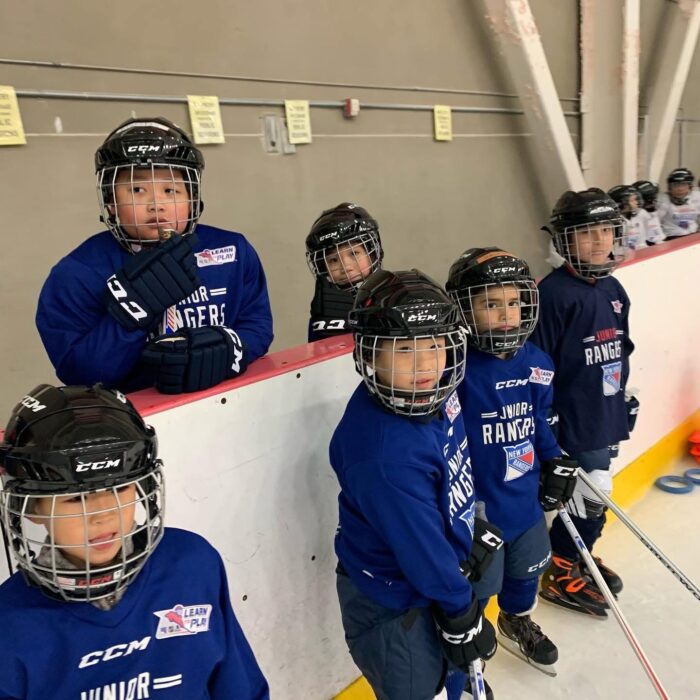
Many ice rinks offer beginner hockey programs. These are sometimes called “Learn to Play Hockey” or “Hockey for Beginners.” These programs usually include:
- Weekly lessons with coaches
- Group drills and skating practice
- Small games to develop skills
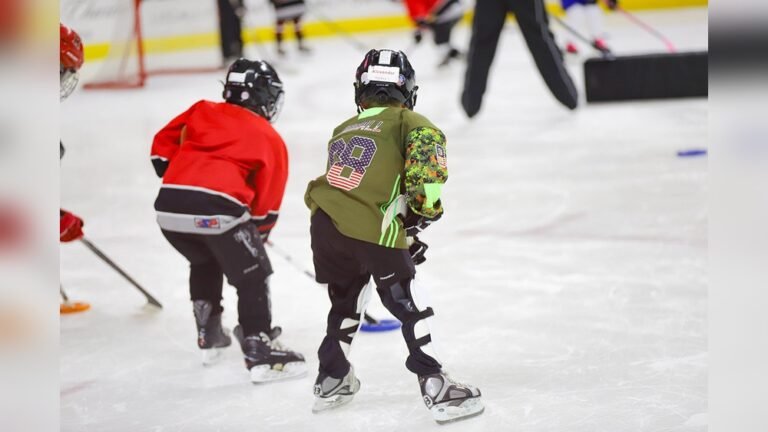
You’ll learn passing, shooting, and basic teamwork in a friendly, low-pressure setting. Most programs last 6-12 weeks and are open to all ages.
What To Expect In Your First Lessons
- Coaches focus on skating and balance
- You’ll practice controlling the puck while moving
- Passing and shooting drills are introduced slowly
- Small games help you use skills in real situations
Practicing At Home
You don’t need ice to practice some hockey skills. Here are ways to improve off the ice:
- Stickhandling: Use a ball and your stick on smooth floors to work on control.
- Passing: Practice with a friend or bounce a ball against a wall.
- Shooting: Use a shooting pad and soft pucks in your driveway or garage.
These drills build muscle memory, making it easier when you’re back on the ice.
Understanding The Rules
As you play, you’ll need to know some basic rules:
- Offside: Players cannot enter the attacking zone before the puck.
- Icing: Shooting the puck across both red lines without touching it.
- Penalties: High-sticking, tripping, or rough play can result in time in the penalty box.
Learning the rules helps you play safely and confidently. Watching games on TV or at the rink is a great way to see rules in action.
Playing Your First Game
After a few weeks, you may be ready for your first scrimmage or real game. Here’s how to get the most from the experience:
- Focus on positioning rather than chasing the puck.
- Communicate with teammates; simple words like “here!” or “pass!” help.
- Make quick, simple passes—don’t hold the puck too long.
- Remember, everyone is learning—mistakes are normal.
Common Beginner Mistakes
New players often make the same mistakes. Watch out for these:
- Holding the stick too tightly: This reduces your control. Relax your hands.
- Standing upright: Bend your knees for better balance and speed.
- Watching the puck: Keep your head up to see teammates and avoid collisions.
- Ignoring defense: Good hockey means helping your team defend, not just score.
Progressing To Higher Levels
As you gain confidence, you can join local leagues or pickup games. Many cities have adult beginner leagues or youth programs for all skill levels. Regular practice and games will help you improve quickly.
You might also find online resources, such as videos and articles, to help you keep learning. The USA Hockey New Player Guide is a great place to start for extra tips.
Comparing Practice Drills
Here’s a look at how different drills help beginners:
| Drill | Main Benefit | Time Needed |
|---|---|---|
| Skating Circuits | Builds speed and balance | 10-15 minutes |
| Stickhandling | Improves puck control | 10 minutes |
| Shooting Practice | Develops accuracy | 15 minutes |
Building Confidence On The Ice
Confidence comes from practice and patience. Even experienced players started as beginners. Celebrate small wins—like your first successful pass or goal—and stay positive. Ask coaches and teammates for advice; most are happy to help.
Frequently Asked Questions
What Age Is Best To Start Learning Ice Hockey?
Children can start as young as 4 or 5 years old, but it’s never too late. Many adults pick up hockey in their 30s, 40s, or beyond. The key is to start with basic skating, then move to hockey skills.
How Long Does It Take To Learn To Play Ice Hockey?
Most people need 2-3 months of regular practice to feel comfortable playing simple games. Skating skills often take the most time, but with weekly practice, progress comes quickly.
Is Ice Hockey Dangerous For Beginners?
With proper equipment and coaching, beginner hockey is quite safe. Most injuries happen from falling, not from contact. Always wear full gear and follow coach instructions.
Can I Practice Ice Hockey Skills At Home?
Yes! Stickhandling, passing, and shooting can all be practiced on smooth surfaces at home. This builds confidence and skill before getting on the ice.
What Are The Most Important Skills For Beginners?
Skating and balance are the foundation. After that, focus on passing, shooting, and learning basic rules. Teamwork and communication are also very important in games.
Learning to play ice hockey is a journey. Start with small steps, use the right equipment, and enjoy the process. With practice, you’ll soon be gliding across the ice with confidence, ready to join the game.
