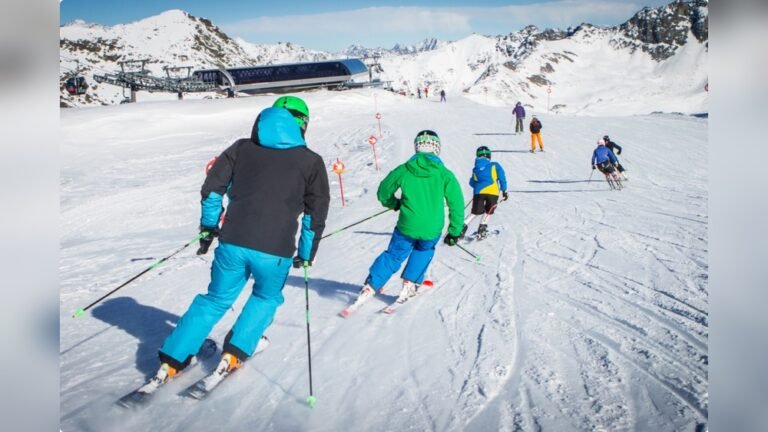
Learning to ski can be both exciting and a bit intimidating. Maybe you’ve watched people glide down snowy mountains with ease, and you’re wondering, “Do I really need lessons to learn skiing? ” It’s a fair question, especially if you’re an adult, want to save money, or feel comfortable learning new sports.
Some believe you can just strap on skis and figure things out by yourself. Others say that lessons are essential for safety and progress. Let’s break down what you really need to know about ski lessons, the benefits, possible downsides, and what happens if you try learning alone.
Why People Consider Ski Lessons
The idea of getting lessons before hitting the slopes isn’t just about tradition. Professional ski instruction is designed to help you learn faster and safer. Here’s why many beginners choose lessons:
- Safety: Skiing comes with risks. Beginners often fall, sometimes in ways that can lead to injury. Instructors teach how to fall correctly and avoid dangerous situations.
- Faster Progress: Learning from a pro means you skip common mistakes. They break down the basics, so you don’t waste time or develop bad habits.
- Boosted Confidence: Having an expert by your side helps you feel supported. You get instant feedback and encouragement.
- Understanding the Slopes: Ski resorts have rules, signs, and etiquette. Instructors explain these details, so you don’t feel lost.
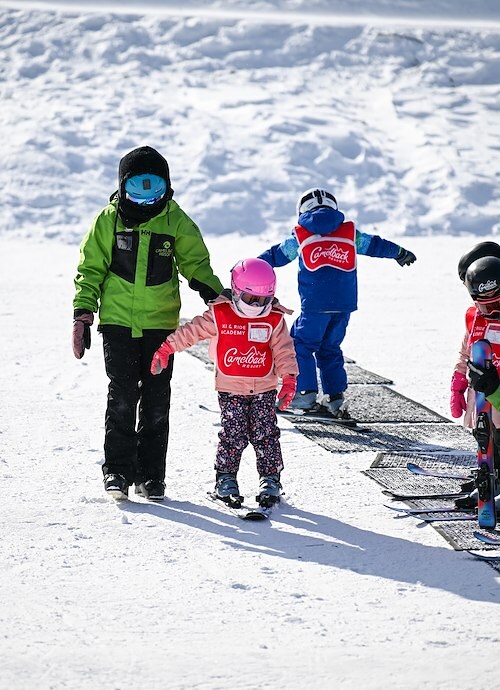
For children, lessons are almost always recommended. Young skiers pick up skills more quickly in a structured, fun environment.
Can You Learn Skiing Without Lessons?
It’s possible to learn skiing without lessons, but it’s not the easiest route. A few self-taught skiers manage to master the basics on their own, often with help from friends or YouTube videos. Still, most beginners struggle with:
- Controlling speed and direction
- Getting up after a fall
- Stopping safely
Many self-learners feel stuck on flat terrain, unable to try steeper slopes. This isn’t just frustrating—it can also be dangerous, as the risk of collision or injury goes up.
What Do Ski Lessons Actually Teach?
You might think ski lessons are just about technique. In reality, they cover a wide range of topics, including:
- Gear Basics: How to put on your skis, boots, and adjust bindings correctly.
- Posture and Balance: Keeping your weight centered and learning how to bend your knees.
- Gliding and Stopping: Using the “pizza” or snowplow method, then progressing to parallel turns.
- Lifts and Terrain Use: How to get on and off chairlifts, and read trail signs.
- Slope Safety: How to avoid accidents, yield to others, and read mountain conditions.
Group lessons often include games and exercises to make learning fun. Private lessons let you go at your own pace and focus on your weak spots.
Comparing Learning Methods
To make things clearer, see how different ways of learning skiing stack up:
| Method | Learning Speed | Safety | Cost | Fun Factor |
|---|---|---|---|---|
| Professional Lessons | Fastest | High | Medium to High | High |
| Friends/Family | Moderate | Medium | Low | Depends on group |
| Self-Taught (Online) | Slowest | Low | Lowest | Mixed |
Most people see the best results with a mix: a few professional lessons, then practice with friends.

Group Vs. Private Lessons
If you decide to take lessons, you’ll see two main options: group and private.
Group Lessons
- Lower cost per person
- Meet other beginners
- Games and group activities
- Progress is set to the group’s pace
Private Lessons
- One-on-one attention
- Faster correction of mistakes
- You set the pace
- More expensive
For absolute beginners, group lessons work well. For those who want to improve quickly or have special needs, private lessons are worth considering.
What If You Learn With Friends Or Family?
Some people learn to ski from a friend or family member. This can be fun and less stressful. However, there are a few points to think about:
- Not all good skiers are good teachers. Explaining technique is different from doing it.
- Friends may push you too fast or too slow.
- You may pick up bad habits without knowing.
Friends and family are great for encouragement, but don’t expect professional-level teaching unless they’re certified instructors.
How Much Do Ski Lessons Cost?
The price of ski lessons varies by country, resort, and lesson type. Here’s a basic comparison:
| Lesson Type | Average Cost (USD) | Session Length |
|---|---|---|
| Group (Beginner) | $30 – $80 | 2 hours |
| Private (1 person) | $80 – $200 | 1 hour |
| Children’s Group | $25 – $70 | 2 hours |
Some resorts offer package deals that include equipment rental, lift tickets, and lessons. Always check what’s included before booking.
Common Mistakes When Learning Without Lessons
Many people try to save money by skipping lessons. Here are some mistakes they often make:
- Leaning Back: Most beginners lean away from the slope, which makes turning and stopping harder.
- Not Learning to Fall: Proper falling technique helps prevent injuries.
- Ignoring Safety Rules: Not knowing the “Skier’s Code” can put you and others at risk.
- Skipping Warmups: Cold muscles are more likely to get injured.
- Choosing Difficult Terrain: Beginners sometimes try slopes that are too hard, leading to accidents.
A qualified instructor will point out these mistakes and help you avoid them.
What Happens If You Skip Lessons?
Skipping lessons might save you money, but it usually means:
- Slower progress: You spend more time on basic skills.
- More frustration: It’s easy to get stuck and lose motivation.
- Higher risk: Mistakes can cause injuries or accidents.
- Possible bad habits: Hard to fix once they’re learned.
A surprising number of adults quit skiing after their first day, often because they didn’t take lessons and had a bad experience.
Do Lessons Make Skiing More Enjoyable?
Most beginners who take lessons find skiing more fun. You feel more confident, understand what’s happening, and can try different slopes sooner. Ski lessons also help you make friends and enjoy the social side of the sport.
One non-obvious benefit: instructors know how to build your skills in small steps. They make things easier by breaking down each move, so you never feel overwhelmed. You’re also less likely to feel embarrassed, since everyone in the group is learning together.
Real-life Example: A First-timer’s Story
Consider Anna, who tried skiing for the first time with a group lesson. She was nervous but learned how to put on her gear, stand up after a fall, and control her speed—all in two hours. Her friend, Dave, tried to learn alone.
He spent most of his day falling and never left the practice area. Anna was skiing on a beginner slope by the afternoon, while Dave was frustrated and tired. By the end of the weekend, Anna loved skiing. Dave decided it “wasn’t for him.
”
This is a common story. Lessons don’t just teach technique—they help you enjoy your first days on the mountain.
How Many Lessons Do You Need?
This depends on your goals. Most people need 2–3 beginner lessons to feel comfortable on easy slopes. After that, you can practice and decide if you want more advanced instruction.
Some skiers take one lesson, then practice for a day or two before another. Others like a full course to build skills step by step. If you want to ski parallel or try steeper slopes, extra lessons are a good idea.

When Are Lessons Most Important?
Certain situations make lessons especially valuable:
- First time skiing
- Returning after a long break
- Trying new terrain (moguls, powder)
- Learning with kids
If you have a specific goal, like racing or freestyle tricks, professional coaching is a must.
What Makes A Good Ski Instructor?
Not all instructors are equal. A good instructor is:
- Certified by a national ski organization
- Patient and able to explain clearly
- Observant, noticing small details in your technique
- Encouraging, helping you stay positive
Don’t be afraid to ask about their certification or teaching style before booking.
Are Online Ski Tutorials A Good Alternative?
Many websites and YouTube channels offer ski tutorials. While these can help you understand the basics, they can’t give real-time feedback. Watching videos is a good supplement, not a full replacement for in-person lessons.
If you want to learn online, choose videos from certified instructors and always practice on safe, easy terrain.
For more on the pros and cons of ski instruction, see this resource from Wikipedia.
Practical Tips For Your First Ski Lesson
- Arrive early to get fitted for boots and skis
- Dress in layers for changing weather
- Don’t be afraid to ask questions
- Take breaks if you get tired
- Watch others in your group for inspiration
A little preparation goes a long way in making your first lesson successful.
Frequently Asked Questions
Do I Need To Be Fit To Start Skiing?
You don’t need to be an athlete, but basic fitness helps. Skiing uses leg muscles and balance. Even walking or stretching before your trip can make a difference.
Can I Learn Skiing In One Day?
You can learn the basics in one day, such as stopping and turning on flat terrain. Most people need several days to feel comfortable on real slopes.
Are Ski Lessons Suitable For Adults?
Absolutely. Many adults start skiing every year. Instructors are trained to teach all ages and can adjust the lesson to your needs.
Is It Dangerous To Ski Without Lessons?
It can be. Without guidance, beginners often fall, pick up bad habits, or miss important safety rules. Lessons greatly reduce the risk of injury.
Do All Ski Resorts Offer Lessons In English?
Most major resorts offer lessons in English and other popular languages. Smaller local hills may not, so check ahead if you need instruction in a specific language.
Skiing is a rewarding sport, but learning the right way makes all the difference. Whether you choose group or private lessons, you’ll save time, avoid frustration, and enjoy the mountains much more. If you’re serious about starting out, a few lessons are the best investment you can make for a safe and fun experience on the snow.
