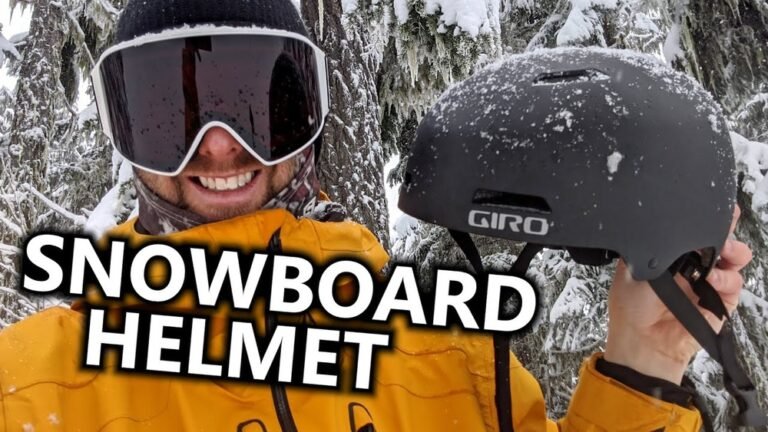
Snowboarding is one of the most exciting winter sports. Riders glide down snowy slopes, carving turns, and sometimes catching air off jumps. But with all the speed and tricks, you might wonder: Do you need a helmet for snowboarding? Is it a must for safety, or just a personal choice? Let’s look at what the experts, statistics, and real snowboarders say.
Why Helmet Use Is A Big Topic In Snowboarding
Snowboarding is not just about style and adventure; it’s also about risk. Every year, thousands of snowboarders are treated for injuries on the mountain. Head injuries, while not the most common, are among the most serious. That’s why the question of wearing a helmet gets so much attention.
Some riders see helmets as essential. Others think they are only for beginners or those who do jumps. But accidents can happen to anyone—no matter your skill level or the terrain you ride.
The Facts: Head Injuries In Snowboarding
Understanding the data helps make a smart decision. Here’s what recent studies and ski patrol reports show:
- Around 20% of all snowboarding injuries involve the head.
- Concussions and skull fractures are the most common head injuries.
- A study by the National Ski Areas Association (NSAA) found that helmet use reduces head injury risk by 35–50%.
- Most fatal injuries on ski slopes involve the head.
This means that while helmets can’t prevent every injury, they significantly reduce the risk and severity of head trauma.
Are Helmets Required By Law For Snowboarding?
In most parts of the world, helmets are not legally required for snowboarding. However, some resorts, especially in Europe and North America, have their own rules. For example:
- In Italy and some Canadian provinces, children under 14 must wear helmets by law.
- Many ski schools require students to wear helmets during lessons.
- Some terrain parks and competitions make helmets mandatory for all riders.
But for most adult snowboarders, wearing a helmet is a personal safety choice, not a legal requirement.
When You Should Definitely Wear A Helmet
There are situations where wearing a helmet is not just smart, but almost essential:
- If you are a beginner: Beginners fall more often and are more likely to lose control.
- Riding in terrain parks: Jumps, rails, and boxes increase the risk of falls.
- Trying new tricks: Learning spins or flips means more mistakes and possible head impacts.
- Riding in icy conditions: Hard snow increases injury risk because it’s less forgiving.
- Tree runs or off-piste: Hidden obstacles can cause unexpected falls.
Even experienced snowboarders can have an accident in these situations. Many top athletes always wear helmets—proof that skill doesn’t make you invincible.
Common Arguments Against Helmets (and The Realities)
Some snowboarders avoid helmets for different reasons. Let’s look at the common arguments and the facts behind them.
“helmets Are Uncomfortable.”
Modern snowboarding helmets are much lighter and better ventilated than in the past. Many have adjustable fit systems and liners that keep you warm without bulk. Most riders get used to a helmet within a few hours.
“helmets Block Vision Or Hearing.”
A good helmet is designed to leave your peripheral vision clear and often has ear pads that do not block sound. In fact, helmets can reduce wind noise, helping you hear better.
“wearing A Helmet Makes You Take More Risks.”
This is called “risk compensation. ” However, research shows that most snowboarders do not take extra risks just because they wear helmets. Most ride as usual, but with more protection.
“helmets Don’t Prevent Every Injury.”
That’s true. Helmets can’t stop all injuries, but they do reduce the chance of serious head trauma. Just like seat belts in a car, they help when things go wrong.
How To Choose The Right Snowboarding Helmet
Not all helmets are created equal. Picking the right one is important for comfort, safety, and style.
Key Factors To Consider
- Certification: Look for helmets that meet safety standards like ASTM F2040 (USA) or CE EN1077 (Europe).
- Fit: The helmet should be snug, but not painful. It should not move when you shake your head.
- Ventilation: Good airflow keeps you comfortable and prevents fogging of goggles.
- Weight: Lighter helmets are easier to wear all day.
- Goggle compatibility: Make sure your goggles fit well with the helmet, with no big gaps.
- Adjustability: Many helmets have a dial or strap for quick size adjustments.
- Removable liners: These are useful for cleaning and for changing the warmth level.
- MIPS technology: Some helmets use MIPS (Multi-directional Impact Protection System) for added protection against rotational impacts.
Helmet Sizing Guide
Here’s a simple guide to help you find your size:
| Head Circumference (cm) | Helmet Size |
|---|---|
| 52–55 | Small |
| 56–59 | Medium |
| 60–62 | Large |
| 63+ | Extra Large |
Always measure your head just above your eyebrows for the most accurate fit.
What Happens During A Fall? Helmet Vs. No Helmet
Let’s compare what happens in a typical snowboarding crash with and without a helmet.
| Scenario | With Helmet | Without Helmet |
|---|---|---|
| Low-speed fall | Minor bump, protection from cuts | Possible bruising, cuts, mild concussion |
| High-speed fall | Reduced risk of skull fracture | High risk of severe injury, concussion or fracture |
| Collision with object | Absorbs impact, may prevent serious injury | Direct hit to skull, high risk of brain trauma |
This shows that helmets are not just for “crazy” situations—they protect in everyday falls, too.
Real-world Stories: How Helmets Make A Difference
Many snowboarders have stories where a helmet saved them from a hospital visit—or worse.
- A young snowboarder in Colorado fell while learning a backside turn. His helmet cracked, but his head was fine.
- A pro rider hit a rail in a terrain park, slipped out, and landed hard. The helmet absorbed most of the shock, preventing a serious concussion.
- During a tree run, a hidden branch knocked a rider off balance. The helmet had a deep scratch, but there was no head injury.
One thing these stories have in common: The helmet did its job, even when the rider was skilled or just cruising.

Should Kids Always Wear Helmets?
For children and teenagers, the answer is clear: Yes, they should always wear a helmet. Young riders are still developing skills and balance. They also have less experience in avoiding hazards.
Many resorts and instructors require helmets for anyone under 18. It’s the best way to protect young snowboarders while they learn and have fun.
The Hidden Benefits Of Wearing A Helmet
Besides safety, helmets offer some extra advantages that are easy to miss:
- Warmth: Helmets are warmer than hats and protect your ears from wind.
- Goggle stability: Helmets keep your goggles in place, so they don’t slide off during a fall.
- Carrying space: Some helmets have clips for action cameras or audio systems.
- Confidence boost: Knowing you’re protected can help you try new things with less fear.
Common Mistakes To Avoid With Snowboarding Helmets
Even with a helmet, some mistakes can reduce your safety. Here’s what to watch out for:
- Wearing an old or damaged helmet: Helmets lose strength after a big impact, even if there’s no crack. Replace after a major fall or every 3–5 years.
- Choosing style over safety: Some riders pick helmets just for looks. Always check for certifications and a good fit.
- Wearing a helmet incorrectly: The chin strap should be snug, and the helmet should cover your forehead, not tilt back.
- Using a bike or skate helmet: These are not designed for snow sports and don’t protect against cold or snow impact.
- Ignoring helmet maintenance: Clean your helmet, check straps, and store it properly between seasons.
How Helmet Use Has Changed Snowboarding Culture
Ten years ago, few riders wore helmets. Now, about 80% of snowboarders in North America use helmets, according to the NSAA. What changed?
- Pro athletes started wearing helmets in competitions, setting a new trend.
- Resorts began offering helmet rentals and lessons about safety.
- Social media shared stories of accidents—and how helmets helped.
- More comfortable and stylish helmets became available.
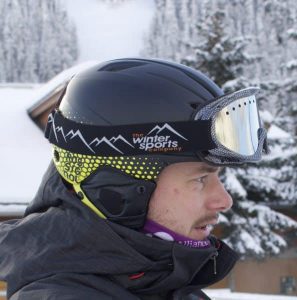
Wearing a helmet is now seen as smart, not “uncool. ” It’s become part of the sport’s image.
Comparing Snowboarding Helmets To Other Sports
Are snowboarding helmets really different from those used in biking or skateboarding? Here’s how they stack up:
| Feature | Snowboarding Helmet | Bike Helmet | Skate Helmet |
|---|---|---|---|
| Impact Protection | Designed for hard snow & multiple falls | Mainly for pavement, single impact | For flat landings, multiple impacts |
| Warmth & Liner | Insulated, ear coverage | Ventilated, no ear protection | Minimal padding, no insulation |
| Certification | ASTM F2040, CE EN1077 | CPSC, EN1078 | ASTM F1492 |
Always choose a helmet made for snow sports. Other types do not provide the same protection or warmth.
Expert Opinions And Guidelines
Most ski patrols, instructors, and medical experts strongly recommend wearing a helmet. The International Ski Federation and the NSAA both promote helmet use for all ages and skill levels.
Medical research agrees. The American Association of Neurological Surgeons says that helmets reduce the severity of head injuries in snowboarding and skiing by about 50%.
For more details, see this summary from the Wikipedia: Ski helmet page.
Frequently Asked Questions
Do Professional Snowboarders Wear Helmets?
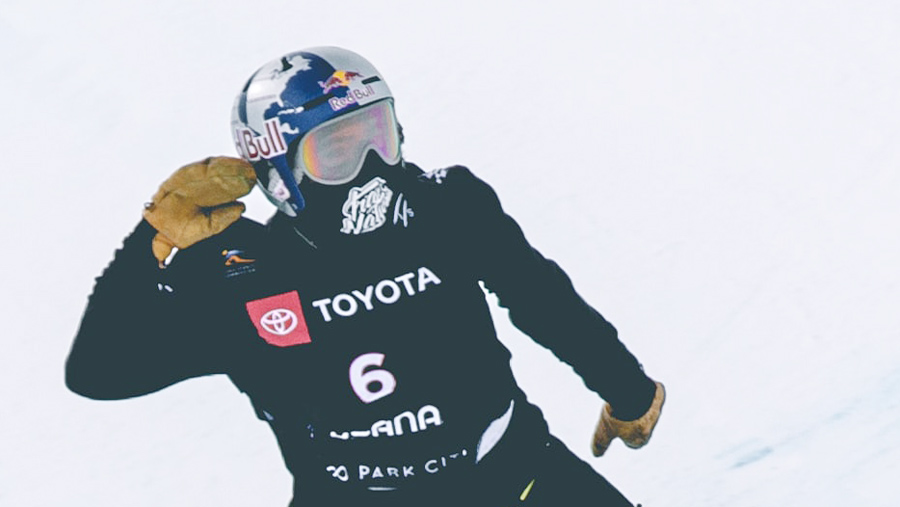
Yes, almost all professional snowboarders wear helmets during competitions and practice. This includes events like the X Games and Winter Olympics. Many pros also wear helmets when riding for fun.
Can I Use A Bike Helmet For Snowboarding?
No, bike helmets are not designed for the types of falls, cold weather, or impacts found in snowboarding. Always use a helmet made specifically for snow sports.
How Often Should I Replace My Snowboarding Helmet?
Replace your helmet after any serious crash or every 3–5 years, even if it looks fine. Materials can break down over time or after impacts, reducing protection.
Are Helmets Required At All Ski Resorts?
Most resorts do not require adults to wear helmets. However, helmets are usually required for children, in terrain parks, or during lessons. Always check the rules before you ride.
Will A Helmet Make Me Completely Safe?
Helmets greatly reduce the risk of serious head injuries, but they cannot prevent all injuries. Always ride within your limits, be aware of your surroundings, and use other protective gear when needed.
Snowboarding is all about adventure, but safety should never be left behind. Wearing a helmet is one of the simplest and smartest choices you can make before hitting the slopes. It keeps your head warm, your mind at ease, and your fun going strong—no matter your level or style.
If you value your ride, a helmet is worth it—every time.
