Learning to surf is exciting, but safety and confidence matter most for beginners. One question often asked is whether a surfboard leash is really necessary. Some say it’s optional, while others insist it’s a must-have. This article dives deep into the reasons, risks, myths, and practical advice about surfboard leashes for beginners. If you’re new to surfing, you’ll find clear answers, real-world examples, and guidance to help you make the right choice.
What Is A Surfboard Leash?
A surfboard leash is a strong cord that connects your ankle to the board. It keeps your surfboard close, even if you fall off. Most leashes are made from polyurethane and come in various lengths and thicknesses. The leash attaches to a velcro strap around your ankle and the other end to a plug on the tail of the surfboard.
Leashes were first invented in the early 1970s. Before leashes, surfers often swam long distances to retrieve lost boards. Today, almost every surfer uses a leash, especially beginners.
Why Beginners Should Use A Surfboard Leash
Surfing without a leash can be risky for new surfers. Here are the main reasons why a leash is important:
- Safety for the Surfer: When you fall, the leash keeps your board nearby. You won’t have to swim far to get it, which is safer, especially if you’re tired or panicked.
- Safety for Others: Loose boards can hit other surfers or swimmers. A leash prevents your board from becoming a dangerous projectile.
- Learning Curve: Beginners fall often. A leash helps you spend more time surfing and less time chasing your board.
- Confidence Boost: Knowing your board won’t drift away allows you to focus on learning, not worrying.
- Prevents Loss: Boards are expensive. Without a leash, you risk losing your board to waves, currents, or rocks.
Let’s look at some real-world data. In a survey by the International Surfing Association (ISA), 90% of surf schools require beginners to wear leashes at all times. Injuries caused by runaway boards are one of the most common accidents among beginners.
Common Misconceptions About Surfboard Leashes
Some myths make beginners question the need for a leash. Here are the most common:
- “Leashes are only for big waves.” In truth, even small waves can carry your board far away.
- “Leashes tangle and make surfing harder.” While tangling can happen, proper leash length and placement solve this problem.
- “Experienced surfers don’t use leashes.” Most advanced surfers use leashes, except in rare cases like competitions or special surf spots.
Ignoring these facts can put you and others at risk. Beginners especially benefit from using a leash.
Risks Of Surfing Without A Leash
Surfing leash-free may sound freeing, but the risks are real and serious:
- Drowning Hazard: If you lose your board, you may tire quickly and struggle to stay afloat.
- Board Damage: Waves can slam a loose board against rocks or other boards, causing expensive damage.
- Injury to Others: Unleashed boards can hit people with force, causing cuts, bruises, or even broken bones.
- Time Wasted: Chasing your board takes energy and focus away from learning.
Statistics show that leashless surfing increases the risk of injury by 40% for beginners compared to those who use a leash.
Choosing The Right Surfboard Leash
Not all leashes are equal. Picking the right one is key for safety and comfort. Here’s what matters most:
Leash Length
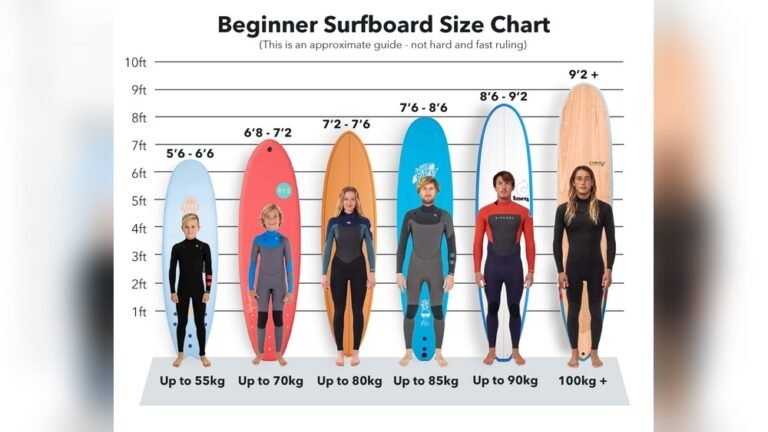
The leash should be about the same length as your board. For example, if your board is 7 feet, use a 7-foot leash. Too short, and the board can snap back at you. Too long, and it may tangle.
Thickness
Thicker leashes (about 7mm) are stronger and best for beginners or bigger boards. Thin leashes are for advanced surfers who want less drag.
Cuff Comfort
The ankle cuff should be soft and secure. Check the velcro quality—cheap cuffs can come loose.
Swivel
A good leash has a double swivel to prevent tangling. Swivels let the leash spin freely and reduce twists.
Price Vs. Quality
Don’t buy the cheapest leash. Quality matters for safety. Expect to pay $20–$40 for a reliable leash.
Below is a comparison of leash types:
| Leash Type | Best For | Strength | Price Range |
|---|---|---|---|
| Standard | Beginners, all conditions | High | $20–$40 |
| Comp | Advanced, small waves | Medium | $15–$30 |
| Big Wave | Large surf, strong currents | Very High | $40–$60 |
How To Attach And Use A Leash Correctly
Many beginners make mistakes with leashes. Here’s how to do it right:
- Attach the leash plug securely to the surfboard tail.
- Check the velcro strap for a tight fit around your ankle.
- Position the strap above your ankle bone for comfort.
- Check for twists before entering the water.
- Rinse and dry your leash after use to prevent damage.
Mistakes to avoid:
- Wearing the leash too loose (it can slip off)
- Using a leash with frayed cord (can snap)
- Forgetting to check the plug (can break off)
Surfboard Leash Vs. No Leash: Practical Comparison
To understand the real difference, let’s compare surfing with and without a leash.
| Factor | With Leash | Without Leash |
|---|---|---|
| Safety | Very High | Low |
| Learning Speed | Faster | Slower |
| Board Loss Risk | Minimal | High |
| Injury Risk | Lower | Higher |
| Confidence | Boosted | Reduced |
Special Cases: When Might A Beginner Not Need A Leash?
There are very few situations where a beginner might skip a leash:
- Surf lessons in shallow, soft sand: Sometimes, instructors teach in very shallow water with foam boards. Here, the risk is low.
- Controlled pools: Artificial surf pools sometimes allow leashless surfing under supervision.
Even in these cases, instructors usually recommend leashes for safety.

Real-world Stories And Data
Many beginners regret not using a leash. For example, in Australia, surf lifesavers report that 70% of board rescues involve leashless surfers. In California, surfboard rental shops require leashes with every board.
A beginner named Carlos learned the hard way. He lost his board in strong currents and had to swim 100 meters back to shore. He admits: “I thought leashes were uncool, but now I never surf without one.” These stories are common and show why leashes matter.
Practical Tips For Beginners
If you’re starting out, follow these tips:
- Always check your leash before surfing.
- Replace old leashes every season or after heavy use.
- Use a leash that matches your board length.
- Never share a leash between boards unless it fits well.
- Teach children and young surfers about leash safety early.
If you’re unsure, ask your local surf shop or instructor for advice.

Environmental And Ethical Considerations
Leashes are made from durable plastics. Some surfers worry about environmental impact. Look for brands offering recycled materials or eco-friendly options. Never leave broken leashes in the ocean.
Surf School And Rental Policies
Most surf schools and rental shops have strict leash rules. They require leashes for:
- All beginner lessons
- All board rentals
- Group surfing sessions
Breaking these rules can result in fines or bans. Always respect local policies—they are designed to keep everyone safe.
How Leashes Have Improved Over Time
Leashes today are much better than early versions. Modern leashes use double swivels, strong polyurethane, and comfortable cuffs. Some brands even offer quick-release mechanisms for emergencies.
In the 1970s, leashes broke easily. Today, breakage is rare if you buy quality and check your leash regularly.
Expert Opinions
Most experienced surfers and coaches recommend leashes for beginners. The World Surf League and the International Surfing Association both list leashes as essential safety gear.
One surf coach says, “A leash is like a seatbelt in a car. You hope you never need it, but you’ll be glad it’s there. ”
For more on surf safety, see this Wikipedia article.
Frequently Asked Questions
Should I Use A Surfboard Leash If I Am A Complete Beginner?
Yes, all beginners should use a surfboard leash. It keeps your board close and prevents accidents. Even in small waves, it’s important.
Can I Use The Same Leash For Different Boards?
Only if the leash is the right length and thickness for each board. For example, a longboard needs a longer, thicker leash than a shortboard.
How Often Should I Replace My Surfboard Leash?
Check your leash every session. Replace it if you see cracks, fraying, or weak velcro. Most surfers replace leashes once a year, or sooner after heavy use.
Are There Any Disadvantages To Using A Leash?
Some surfers feel a leash drags in the water or tangles. This is rare if you choose the right leash and attach it correctly.
Is It Ever Safe To Surf Without A Leash?
For beginners, almost never. Only in controlled, shallow environments or pools with supervision. Otherwise, always use a leash.
Surfing is fun, but safety comes first. For beginners, a surfboard leash is not just recommended—it’s essential. It protects you, your board, and everyone around you. Ignore myths and follow expert advice. Choose a quality leash, check it often, and focus on enjoying your surf journey with confidence and safety.
