
Can You Surf In Cold Water?
For many people, surfing brings to mind blue skies, warm sand, and sunny beaches. But there’s a whole other side to the sport: cold water surfing. From the rugged coasts of Iceland to the stormy seas of Northern California, surfers are paddling out in temperatures that would make most people shiver. Is it possible to surf in cold water? The answer is yes—and for some, it’s even more rewarding than tropical waves. But surfing in the cold comes with unique challenges, risks, and experiences. Let’s dive into what you need to know, how to prepare, and what makes cold water surfing an adventure unlike any other.
What Is Cold Water Surfing?
Cold water surfing simply means catching waves in water temperatures below 15°C (59°F). In some famous spots, the water can be close to freezing, especially during winter months. This includes places like:
- Northern Europe (Norway, Scotland, Ireland)
- Pacific Northwest (Oregon, Washington, British Columbia)
- New England (Maine, Massachusetts)
- Russia and Iceland
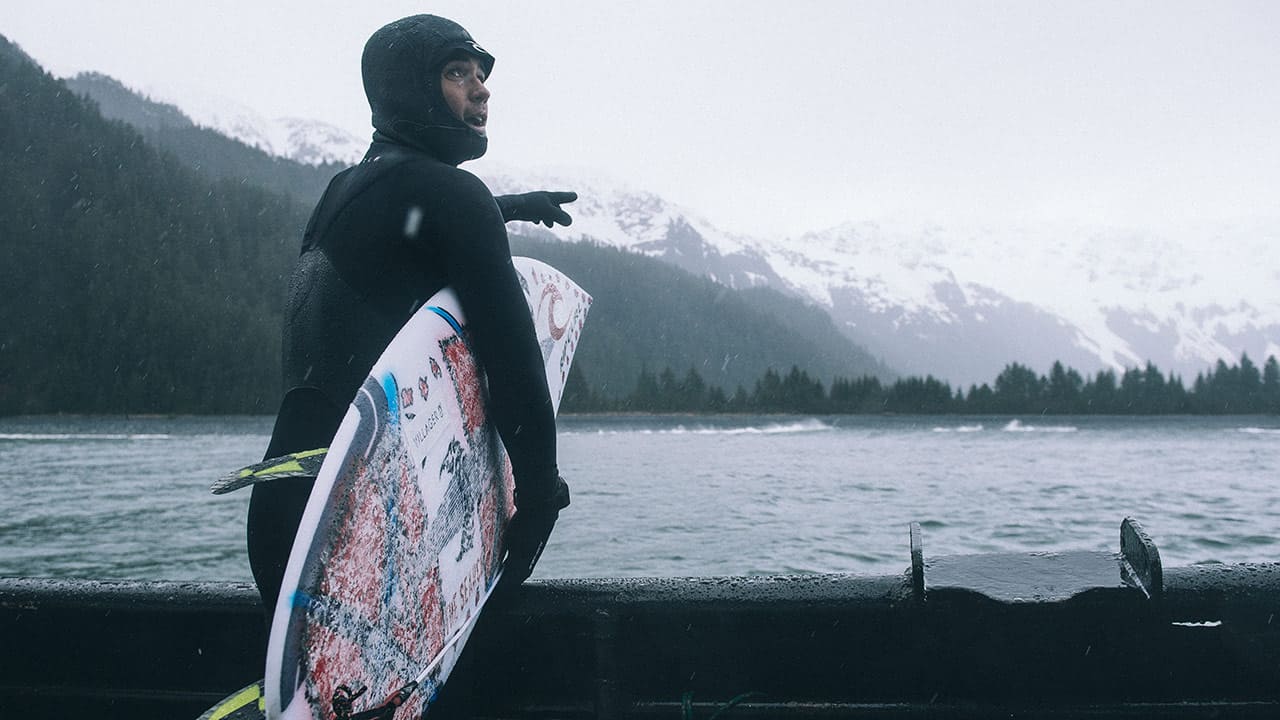
Surfers in these regions face not just low water temperatures, but also cold air, wind, rain, or even snow. Some sessions take place with ice floating nearby. It’s a different world from the classic tropical surf scene.
The Unique Appeal Of Cold Water Surfing
Why do people choose to surf in such extreme conditions? There are several reasons:
- Uncrowded waves: Fewer people means more space and less competition for waves.
- Adventure: Surfing in cold, wild places feels exciting and different.
- Nature: Rugged coastlines, dramatic scenery, and sometimes wildlife like seals or even orcas.
- Quality waves: Storms in cold regions often create strong, well-shaped waves.
Many cold water surfers say the experience is more peaceful and intense than surfing in warm places.

Essential Gear For Cold Water Surfing
You can’t just wear boardshorts and a rash guard in cold water. The right gear is essential for safety and comfort.
Wetsuits
A thick wetsuit is the most important item. Here’s a comparison of common wetsuit thicknesses and their suitable water temperatures:
| Wetsuit Thickness | Best For Water Temperature | Common Use |
|---|---|---|
| 3/2mm | 14-18°C (57-64°F) | Cool spring/summer |
| 4/3mm | 10-14°C (50-57°F) | Chilly autumn/spring |
| 5/4mm or 5/4/3mm | 6-11°C (43-52°F) | Cold winter |
| 6/5/4mm | Below 6°C (43°F) | Very cold, icy water |
The numbers refer to the thickness of the neoprene in millimeters. Thicker wetsuits keep you warmer but can feel less flexible.
Additional Gear
Besides a wetsuit, cold water surfers use:
- Boots (neoprene surf boots): Keep feet warm and protect from sharp rocks or ice.
- Gloves: Essential for water below 10°C. Help you paddle and grip your board.
- Hood: Covers your head and neck, where most heat is lost.
- Thermal rash guards or base layers: Add extra warmth under your wetsuit.
- Ear plugs: Prevent “surfer’s ear,” a condition caused by cold water and wind.
Board Wax For Cold Water
Regular surf wax gets too hard in cold water. Use cold water wax to keep good grip on your board.
Health And Safety Concerns
Surfing in cold water is safe if you prepare, but there are extra risks to know about.
Hypothermia
Hypothermia happens when your body loses heat faster than it can produce. Symptoms include:
- Shivering
- Loss of coordination
- Confusion
- Fatigue
Even with a wetsuit, you can get hypothermia if you stay in too long. Always get out if you feel weak, numb, or confused.
Cold Shock
Jumping into very cold water can cause cold shock—an involuntary gasp or panic. Enter the water slowly, and never surf alone in remote places.
“surfer’s Ear”
Exposure to cold wind and water can cause bone to grow in your ear canal. This condition, called exostosis, can lead to hearing loss. Wearing a hood and ear plugs helps prevent it.
Other Risks
- Ice on rocks or board: Can make slipping or falling more dangerous.
- Strong winds and currents: Cold water spots often have powerful waves and rips.
- Limited daylight: In winter, you may have only a few hours of light.
How To Prepare For Cold Water Surfing
Preparation is key for a safe and fun session.
1. Check The Forecast
Look for:
- Water and air temperature
- Wind chill factor
- Wave size and period
- Tide times
- Weather (snow, rain, storms)
2. Warm Up Before Entering
Do light exercise on the beach to raise your body temperature. Stretching also helps avoid muscle cramps in the cold.
3. Suit Up Properly
Put on your suit and gear at home or in a warm car if possible. Make sure there are no gaps between your gloves, boots, hood, and wetsuit.
4. Time Your Session
Start with shorter sessions—30 to 45 minutes—until you know your limits in cold water.
5. Have A Warm Plan For After
Bring a thermos with hot tea, dry clothes, and a towel. Changing quickly after your session helps prevent getting chilled.
Best Destinations For Cold Water Surfing
Some of the world’s most exciting surf spots are in cold regions. Here are a few examples:
| Location | Country | Water Temp (Winter) | Wave Quality |
|---|---|---|---|
| Thurso East | Scotland | 6-8°C (43-46°F) | World-class barrels |
| Mavericks | USA (California) | 10-14°C (50-57°F) | Giant, powerful waves |
| Reykjanes Peninsula | Iceland | 2-6°C (36-43°F) | Remote, uncrowded |
| Tofino | Canada (BC) | 7-10°C (45-50°F) | Consistent beach breaks |
| Bundoran | Ireland | 8-10°C (46-50°F) | Fun reefs and points |
These spots offer adventure, but also require respect for the elements.
Common Mistakes In Cold Water Surfing
Beginners often make errors that can ruin a session or even be dangerous.
- Wearing the wrong wetsuit: Too thin, and you’ll get cold quickly. Too thick, and you’ll lose mobility.
- Ignoring wind chill: Even if the sun is out, cold wind can drain your heat fast.
- Poor layering: Not sealing gloves, boots, and hoods to the suit lets cold water flush in.
- Staying out too long: It’s tempting to push your limits, but it’s safer to leave the water before you get too cold.
- Not checking local hazards: Ice, snow, slippery rocks, and strong currents are more common in cold surf spots.
- Forgetting ear protection: This often leads to long-term ear problems.
Benefits Of Cold Water Surfing
There are some unique benefits to braving the cold:
- Physical challenge: Your body works harder, burning more calories and building endurance.
- Mental strength: Overcoming the cold builds confidence and resilience.
- Community: Cold water surfers share a strong bond; it’s a tight group.
- Less crowded: You often have waves to yourself.
- Stronger connection to nature: The landscapes and weather can be dramatic and beautiful.
Non-obvious Tips For Cold Water Surfers
Here are some insights that new surfers often miss:
- Rinse Your Gear with Fresh Water: Saltwater and sand degrade neoprene faster, especially in cold conditions. Rinsing after each session keeps your gear warmer and more flexible.
- Keep Gloves and Boots Warm Before Use: Put them inside your jacket or pour warm (not boiling) water in before getting dressed. This makes the first few minutes in the water much easier.
- Talcum Powder for Easy Suiting Up: A little powder on your ankles and wrists helps you slide into tight wetsuits and boots.
- Practice Removing Gear Quickly: Hypothermia risk is highest right after you get out. The faster you can change into dry clothes, the better.
- Double Up on Ear Protection: Use both plugs and a hood if you’re surfing regularly in cold water.
Environmental Considerations
Cold water surf spots are often in remote, wild places. Respect the environment by:
- Packing out all your trash
- Using eco-friendly wax and wetsuit cleaners
- Supporting local communities that protect coastlines
Cold water surfing can bring you closer to nature, but only if you help take care of it.
Frequently Asked Questions
What Is The Coldest Temperature You Can Surf In?
Most surfers draw the line at about 2°C (36°F), the freezing point of seawater. With the right gear, some go out in even colder conditions, especially in places like Iceland or Alaska. However, it’s important to know your limits and listen to your body.
How Long Can You Stay In Cold Water While Surfing?
Session length depends on water temperature, your gear, and your personal tolerance. For water under 8°C (46°F), most people can surf for 30 to 60 minutes before getting too cold. With better gear and experience, some stay longer, but always exit before you feel numb or confused.
What Happens If You Don’t Wear A Wetsuit In Cold Water?
Without a wetsuit, your body can lose heat dangerously fast. In water below 10°C (50°F), hypothermia can set in within minutes. Wearing a thick wetsuit is not just for comfort—it’s essential for safety.

Are There Competitions For Cold Water Surfing?
Yes, there are famous cold water surf contests. For example, the “Mavericks Invitational” in California and the “Thurso Surf Festival” in Scotland. These events draw top surfers who are prepared for big waves and cold conditions. More details can be found at the official Wikipedia page about Mavericks.
Is Cold Water Surfing Only For Experts?
Cold water surfing is more challenging, but not just for experts. Beginners can start in cold water as long as they use the right gear, surf with a friend, and choose safer, smaller waves. Taking a lesson with a local surf school helps a lot.
Surfing in cold water opens up a new world of waves and adventure. With the right preparation, gear, and mindset, you can enjoy amazing sessions in places many surfers never see. The cold can be tough, but the rewards are unforgettable.
