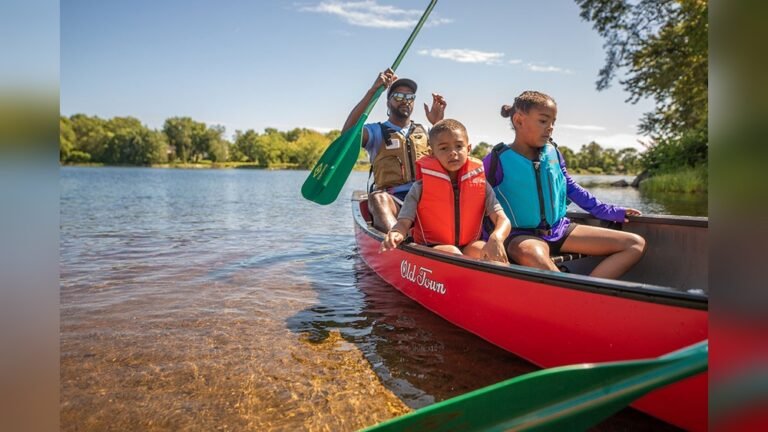
Kayaking is often seen as a sport for adults, but many parents wonder if kids can safely join in on the fun. Whether you live near a calm lake or are planning a family adventure, kayaking with children brings up important questions about safety, age, skills, and the right equipment.
Understanding these factors helps families enjoy the water together while keeping kids safe and confident.
This guide covers everything you need to know about kids and kayaking. From the best age to start, safety tips, gear choices, and how to make the experience fun, you’ll find clear answers. If you’re thinking about taking your child out on the water, this article gives you the knowledge and confidence to get started.
Is Kayaking Safe For Kids?
Safety is always the first question for any parent. The good news is that kayaking can be safe for children when you plan carefully and follow basic guidelines. Calm water, the right gear, and adult supervision are key. According to the American Canoe Association, thousands of kids kayak every year with few serious accidents when safety rules are followed.
However, not all kayaking environments are equal. Fast rivers, strong currents, or large open water can be dangerous for young kids. Start with small, calm lakes or gentle rivers. Never force a child who is scared or uncomfortable. Children should always wear a properly fitted life jacket (also called a PFD—personal flotation device) whenever they’re near or on the water.
What’s The Right Age For Kids To Start Kayaking?
There is no single “right” age for kayaking. It depends on your child’s swimming ability, comfort in water, and maturity level. Here’s a general age guide:
| Age | Recommended Kayaking Role | Notes |
|---|---|---|
| 2-5 years | Passenger only | In a tandem kayak with an adult, short trips only |
| 6-8 years | Active passenger | Can help paddle with an adult, begin learning basics |
| 9-12 years | Junior paddler | Can paddle their own small kayak on calm water |
| 13+ years | Independent paddler | Can handle a full-size kayak with supervision |
Many clubs and camps accept kids around age 8 or 9. The most important factor is that your child can sit still, follow instructions, and is not afraid of water. Always start with short sessions, and see how your child reacts.
Non-obvious insight: Some children as young as 5 can paddle their own kayak for short periods if the water is extremely calm and the kayak is designed for their size. However, don’t expect long trips or perfect technique at this age.
Essential Safety Tips For Kayaking With Kids
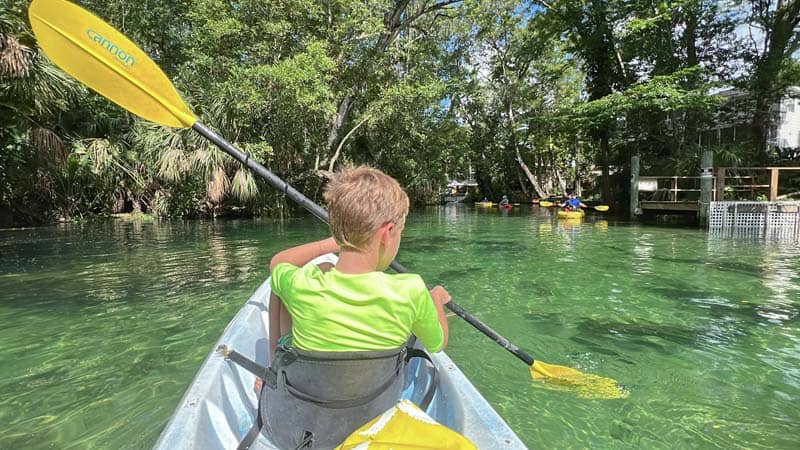
Safety should be your top concern. Here are proven ways to keep kids safe on the water:
- Always wear a life jacket: Make sure it is Coast Guard approved and fits snugly.
- Choose calm water: Avoid fast-moving rivers, large lakes with wind, or areas with lots of boats.
- Stay close to shore: Paddle where you can quickly reach land if needed.
- Adult supervision: One adult per child is best, especially for beginners.
- Teach water safety: Kids should know what to do if they fall in—float on their back, hold onto the kayak, and wait for help.
- Check weather conditions: Don’t go out in strong winds, storms, or cold water.
- Limit time on the water: Young kids tire quickly. Start with 20–30 minutes.
Practical tip: Practice a “wet exit” in shallow water—show your child how to slide out of the kayak if it tips. This reduces fear and builds confidence.
Choosing The Right Kayak And Equipment
The right gear makes a huge difference in comfort and safety. Children need equipment that fits their body and skill level.
Kayak Types For Kids
- Sit-on-top kayaks: Very stable and easy to get in and out of. Perfect for beginners and warm weather.
- Sit-inside kayaks: Offer more control but can feel confining. Better for older kids or cooler climates.
- Tandem kayaks: Allow an adult and child to paddle together. Good for young children.
What To Look For
- Weight and size: Kids’ kayaks are usually 6–8 feet long and easy to carry.
- Width: Wider kayaks are more stable but may be slower.
- Seat support: Look for padded, adjustable seats for comfort.
- Handles: Built-in handles make it easier for kids to move the kayak on land.
Comparison Of Kayak Types
| Type | Best For | Pros | Cons |
|---|---|---|---|
| Sit-on-top | Beginners, young kids | Easy entry/exit, stable | Wet ride, slower |
| Sit-inside | Older kids, cooler water | Dryer, more control | Harder to exit if capsized |
| Tandem | Parent + child | Shared paddling, safer | Heavier, less independent |
Non-obvious insight: Some parents overlook the paddle size. Adult paddles are too heavy and long for kids. Buy a lightweight paddle made for children, usually about 180–200 cm long.
Other Must-have Gear
- Life jacket (PFD)
- Sun protection: Hat, sunscreen, sunglasses with a strap
- Water shoes: Protect feet from rocks and slipping
- Dry bag: Keep snacks and clothes dry
- Whistle: For emergencies
- Water bottle: Hydration is important even on cool days
Preparing Kids For Their First Kayak Trip
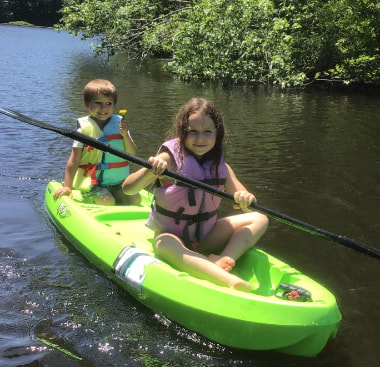
Before heading to the lake or river, take time to prepare your child. This makes the day smoother and more fun for everyone.
- Explain the plan: Tell your child where you’re going, what to expect, and how long you’ll be out.
- Dress for the water: Quick-dry clothes, layers if it’s cold, and a hat for sun.
- Practice paddling on land: Show how to hold the paddle and make basic strokes.
- Set clear rules: No standing in the kayak, always wear your life jacket, stay near adults.
- Bring snacks: Kids get hungry quickly, and a snack break can prevent meltdowns.
Pro tip: Let your child help carry the kayak or paddle. Kids feel proud and involved when they help with the gear.
How To Make Kayaking Fun For Kids
If you want kids to love kayaking, focus on fun, not just paddling technique. Here are ideas that work:
- Short adventures: Explore a small island, look for turtles, or paddle to a picnic spot.
- Games on the water: Try “follow the leader,” race to a floating stick, or count how many birds you see.
- Bring friends or siblings: Kids are often braver and happier with a buddy.
- Let them lead: As your child gains skill, let them choose the route or set the pace.
- Mix in swimming: On hot days, stop for a swim or splash.
Example: One family paddles to a shallow sandbar, lets the kids play, then has lunch before heading back. The trip becomes an adventure, not just exercise.
Common Mistakes Parents Make
Even experienced paddlers can miss important details when kayaking with kids. Here are mistakes to avoid:
- Going out too long: Kids tire fast. A 2-hour trip may be too much for a first timer.
- Ignoring water temperature: Cold water can be dangerous, even in summer. Dress accordingly.
- Not practicing capsizing: Kids need to know it’s OK to tip over, and how to get out safely.
- Using adult gear: Oversized life jackets or paddles are uncomfortable and unsafe.
- Underestimating the sun: Even cloudy days can cause sunburn on the water.
Key reminder: Always listen to your child. If they are cold, scared, or tired, cut the trip short.
Where To Go Kayaking With Kids
The right location can make or break your trip. Look for places with:
- Calm, shallow water
- Little or no motorboat traffic
- Easy access for launching
- Picnic areas or restrooms nearby
Some state parks and outdoor centers offer kayak rentals, lessons, or guided family trips. Local paddling clubs sometimes host “kids’ days” with extra safety support.
If you’re not sure where to start, check with your local parks department or outdoor retailer for advice.
Building Skills Over Time
Kayaking is a skill that grows with practice. As kids get older and more confident, they can try longer trips or new types of water. Some families join clubs or take lessons together.
Teach your child basic paddling strokes, how to steer, and what to do if they drift off course. Set small goals—like paddling a certain distance or practicing a new turn. Celebrate progress, not perfection.
Example: At age 7, a child might paddle with an adult in a tandem. By 10 or 11, they may handle their own kayak for a short loop. By the teenage years, some kids join youth kayak racing teams or try whitewater (with training).
How Kayaking Benefits Kids
Kayaking is more than just exercise. It helps kids develop:
- Confidence: Learning to control a kayak is empowering.
- Coordination: Paddling builds strength and balance.
- Love for nature: Kids see wildlife and spend time outdoors.
- Family bonding: Shared adventures create lasting memories.
Studies show that outdoor activities improve children’s mood, reduce stress, and help with focus. Kayaking is one way to give kids these benefits in a fun, active way.
When Should Kids Not Go Kayaking?
It’s important to know when to wait. Skip kayaking if:
- Your child cannot swim or is very afraid of water.
- The weather is windy, stormy, or very cold.
- The water is fast-moving or has strong currents.
- Your child is sick, tired, or not interested.
Never pressure a child who isn’t ready. There are many ways to enjoy the water—kayaking will be waiting when the time is right.
Learning More About Kayaking With Kids
If you want more in-depth tips, the American Canoe Association has guides and videos for families. Many communities offer classes for kids, and some outdoor stores host free kayaking days. For more safety information, you can check the Wikipedia kayaking page.
Frequently Asked Questions
What’s The Best Age For A Child To Start Kayaking?
Most kids can start as passengers around age 2–5 in a tandem kayak with an adult. Many begin paddling their own small kayak by age 8–9 on calm water. The best age depends on your child’s confidence, swimming ability, and maturity.
Do Kids Need To Know How To Swim Before Kayaking?
Yes, children should be comfortable in water and able to float on their back. Swimming skills help keep them calm if they fall in. However, a life jacket is still required at all times.
What’s The Safest Type Of Kayak For Kids?
Sit-on-top kayaks are usually safest for beginners. They are stable, easy to get in and out of, and don’t trap the child if they tip over. For very young children, a tandem kayak with an adult is best.
How Do I Choose The Right Size Paddle For My Child?
Choose a paddle made for kids—lighter and shorter than adult paddles. Most children’s paddles are 180–200 cm long. Let your child try different paddles to find the most comfortable fit.
Can Kids Go Kayaking Alone?
Children under 13 should never kayak alone. Always have an adult nearby, especially on open water. Older kids can paddle independently on calm water, but adults should supervise closely.
Kayaking with kids is a wonderful way to explore nature and build family memories. With the right planning, safety steps, and patience, almost any child can enjoy this exciting sport. Take it slow, focus on fun, and you’ll open up a lifetime of adventure on the water.
