
Can I Use A Bike Pump For My Paddle Board?
Imagine you’re at the lake, ready for a relaxing day on your paddle board. You reach for your gear and realize you forgot the special pump. You have your bike pump in the car. The big question: can you use it to inflate your paddle board? This situation is common for beginners and even for people who paddle regularly. Before you connect your bike pump and start pumping, it’s important to know what works, what doesn’t, and why. Let’s break down everything you need to know about using a bike pump with your paddle board—and what might happen if you try.
How Paddle Boards And Bike Pumps Work
To decide if a bike pump is suitable for a stand-up paddle board (SUP), you need to know how each device is designed.
Paddle Board Inflation Basics
Most inflatable paddle boards are made from thick PVC material with drop-stitch construction. This allows the board to hold high pressure, usually between 12–18 PSI (pounds per square inch). Inflatable paddle boards use a special valve, often called an HR valve or Halkey-Roberts valve.
Bike Pump Basics
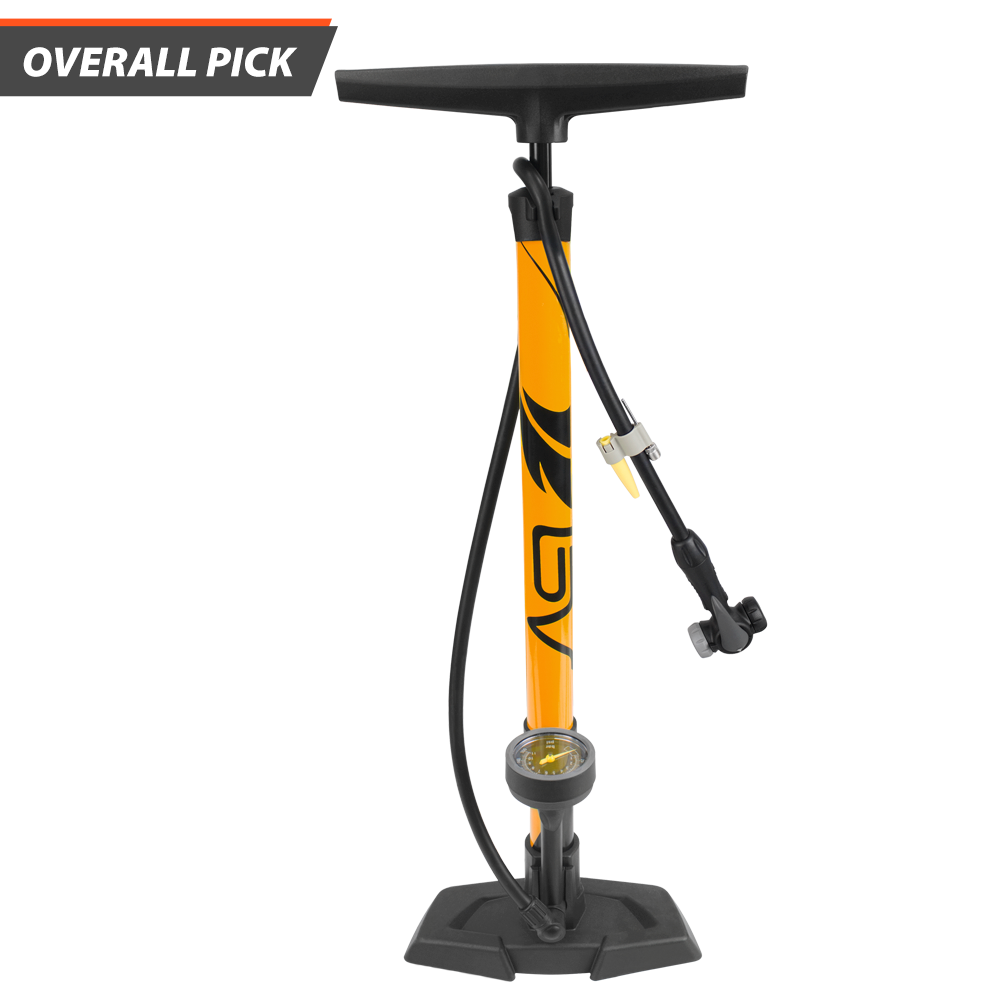
A standard bike pump is built for bicycle tires, which usually require between 30–90 PSI, depending on the type of bike. Bike pumps are designed for smaller air volumes but higher pressures. The valve connections are usually Schrader or Presta, which are different from paddle board valves.
Main Differences
- Volume: SUPs need a large volume of air, but at lower pressures than most bike tires.
- Valve Types: Paddle boards use a unique valve, while bikes use Schrader or Presta.
- Pump Design: SUP pumps move more air per stroke; bike pumps move less air but at higher pressure.
Understanding these differences is key before you try to inflate a paddle board with a bike pump.
Can You Physically Use A Bike Pump For A Paddle Board?
The short answer is: it depends, but usually not directly. Most bike pumps cannot connect directly to a paddle board valve.
Why Connection Is A Problem
Paddle board valves are larger and shaped differently. Unless you have a special adapter that fits a Halkey-Roberts valve, you cannot attach your bike pump securely. Air will leak out, or you won’t be able to inflate the board at all.
About Valve Adapters
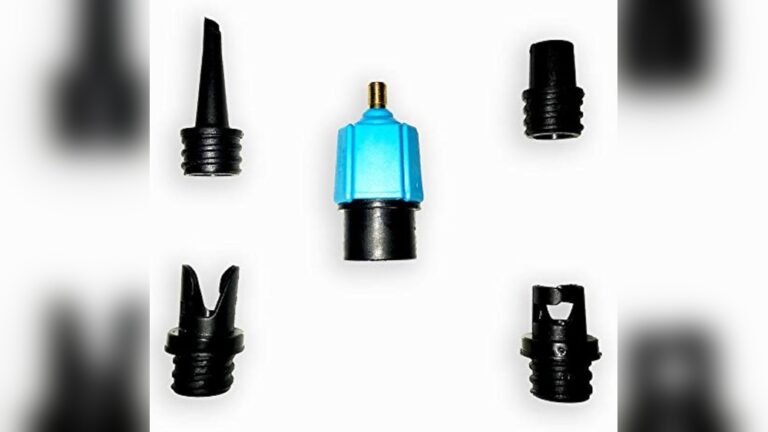
You can buy a valve adapter that allows a bike pump to fit a paddle board valve. These adapters are usually small plastic or metal pieces that act as a bridge between the two systems. They are available online and at some outdoor stores.
However, using an adapter does not solve every problem. It only helps with the connection—not with the air volume or pressure differences.
Air Pressure And Volume: The Real Challenge
You might think, “If I have an adapter, I’m good to go!” But there’s another problem: the volume of air a paddle board needs.
How Much Air Does A Paddle Board Need?
A typical SUP requires about 200 liters or more of air. Bike pumps are built to inflate small bike tires, not large inflatable boards. This means you’ll need hundreds or even thousands of pumps to fill your board.
Pressure Needs
While SUPs use 12–18 PSI, bike tires often use much higher pressure. So, in theory, a bike pump can reach the needed PSI for a paddle board. But it will take a very long time.
Comparison Table: Bike Pump Vs. Sup Pump
Here’s how a basic bike pump compares to a standard SUP pump:
| Feature | Bike Pump | SUP Pump |
|---|---|---|
| Air Volume per Stroke | ~100–300cc | ~1500–2000cc |
| Max Pressure | Up to 160 PSI | Up to 27 PSI |
| Valve Type | Schrader/Presta | Halkey-Roberts |
| Pumping Time | 30–60 min (with adapter) | 5–10 min |
As you can see, the SUP pump is designed for the task, while the bike pump is not.
Using A Bike Pump With An Adapter: What Really Happens
Let’s say you get an adapter. You connect your bike pump to your paddle board. What’s next?
The Process
- Attach the adapter to your paddle board valve.
- Connect your bike pump to the adapter.
- Start pumping—and prepare for a long workout.
What You’ll Notice
- The first few minutes may go well as you fill the board with low-pressure air.
- As the board fills, each pump gets harder because you’re pushing against more resistance.
- After 10–20 minutes, you may get tired. Most bike pumps are not built for such long use.
- It can take over 1,000 pumps to reach 15 PSI.
Common Problems
- Pump Overheating: Continuous use can make the bike pump hot.
- Physical Strain: It’s exhausting for your arms and back.
- Valve Leaks: Adapters sometimes don’t seal well, letting air escape.
- Pump Damage: Some bike pumps are not strong enough for this heavy workload.
Real-world Example
Many paddlers share stories online about trying this. Most say it took 30–45 minutes to fully inflate their SUP with a bike pump and an adapter, compared to 6–8 minutes with a real SUP pump.
Risks Of Using A Bike Pump For Your Paddle Board
It’s tempting to save money or use what you have. But there are some real risks to consider.
Damage To Your Equipment
Bike pumps are not designed for high volume. Overheating or using too much force can break the pump.
Incomplete Inflation
You might not reach the correct PSI, which means your board will be soft. A soft SUP does not perform well and can bend in the water, making it harder to paddle.
Valve Problems
Leaky adapters or poor fit can damage your paddle board’s valve, leading to costly repairs.
Wasted Time And Energy
You could spend 40 minutes pumping and still not have a firm board. That’s energy you could use paddling!
Safety Issues
A poorly inflated SUP can fold or buckle, which can be dangerous, especially for beginners or in rough water.
When Does Using A Bike Pump Make Sense?
There are only a few situations where a bike pump is a reasonable choice:
- Emergency Backup: If you forgot your SUP pump and have an adapter, it’s better than nothing.
- Small Boards or Toys: For inflatable kayaks, pool floats, or small kid’s boards, a bike pump may work.
- Testing for Leaks: If you just need to check if your SUP holds air, a bike pump can add a small amount.
But for regular use, it’s not recommended.

The Right Way To Inflate A Paddle Board
A good SUP pump makes a big difference. Here’s what you should use:
Types Of Sup Pumps
- Manual Double-Action Pump: Comes with most paddle boards. Pumps air on both up and down strokes for faster inflation.
- Electric SUP Pump: Connects to your car’s 12V outlet. Inflates your board with almost no effort, and shuts off automatically at the right PSI.
- High-Pressure Hand Pump: For those who want a full workout or backup on the go.
Features To Look For
- Pressure Gauge: Essential for knowing when you reach 15 PSI.
- Sturdy Hose: Prevents leaks or bursts.
- Comfortable Handles: Makes pumping easier on your hands.
- Dual-Action Mode: Inflates faster at the start, then switches to single action for higher pressure.
Data Table: Sup Pump Types
| Pump Type | Inflation Time | Effort Level | Best For |
|---|---|---|---|
| Manual Double-Action | 6–10 min | High | All-around |
| Electric SUP Pump | 8–12 min | Low | Convenience |
| High-Pressure Hand Pump | 10–15 min | Medium | Travel/Backup |
Non-obvious Insights Beginners Miss
Many new paddlers believe that any pump can inflate any inflatable item if the pressure is right. They often forget about the huge difference in air volume required for a paddle board versus a bike tire. This leads to frustration and wasted time.
Another overlooked point: pressure gauges on bike pumps are not always accurate for low-pressure, high-volume items like SUPs. You may think you reached 15 PSI, but you could be much lower.
How To Inflate Your Paddle Board Without A Sup Pump
If you’re stuck and must use a bike pump, here’s how to do it with the fewest problems:
- Get a quality valve adapter that fits your board.
- Pump slowly to avoid overheating the pump or adapter.
- Take breaks to rest your arms and let the pump cool.
- Check firmness often by pressing on the board.
- Don’t force past resistance; most bike pumps struggle above 10 PSI.
But remember, this is a backup—not a regular method.
Alternatives To A Bike Pump
If you need a replacement for your SUP pump, consider these options:
- Borrow a SUP pump from a friend or other paddlers at the water.
- Buy an electric SUP pump for easy inflation and less physical work.
- Use a car tire inflator with a proper adapter, but check if it can reach 15 PSI.
- Visit a bike or outdoor shop; some may let you borrow a high-volume pump.
Choosing the right solution saves time and protects your gear.
Cost Comparison: Sup Pump Vs. Bike Pump + Adapter
Wondering if it’s worth buying a SUP pump? Here’s a quick cost comparison:
| Equipment | Price Range (USD) | Pros | Cons |
|---|---|---|---|
| Bike Pump + Adapter | $25–$40 | Low cost, multi-use | Slow, tiring, not reliable |
| Manual SUP Pump | $30–$60 | Fast, designed for SUPs | Physical effort needed |
| Electric SUP Pump | $70–$150 | Effortless, precise | Needs power source |
For a small extra cost, a real SUP pump saves you time and protects your board.
Expert Tips For Inflating Your Paddle Board
- Inflate on a flat surface to prevent the board from rolling and to make pumping easier.
- Do not over-inflate. Most paddle boards have a recommended PSI printed near the valve. Stick to it.
- Listen for air leaks. If you hear hissing, stop and check your connections.
- Use the right pump for the job. It makes every trip more enjoyable and keeps your gear safe.
- Store pumps and adapters properly. Sand and dirt can damage the seals.

Frequently Asked Questions
Can I Use A Car Tire Inflator For My Paddle Board?
Some car tire inflators can be used if you have a Halkey-Roberts valve adapter. However, not all car inflators can reach the needed 12–18 PSI. Check your inflator’s max pressure before use.
Will Using A Bike Pump Damage My Paddle Board?
If you use a good adapter and avoid over-pumping, your board should be fine. The bigger risk is damaging the bike pump or not reaching the right pressure, which can affect your paddling experience.
How Do I Know If My Paddle Board Is Fully Inflated?
The best way is to use a pressure gauge. Most boards perform best at 15 PSI. If you don’t have a gauge, press on the board with your hand—it should feel firm and not flex much.
Are All Paddle Board Valves The Same?
Most modern inflatable paddle boards use the Halkey-Roberts (HR) valve. Always check your board’s valve type before buying an adapter or pump.
Where Can I Find A Good Valve Adapter?
Many outdoor and water sports stores sell adapters. You can also find them on popular sites like REI, which offers quality options for paddle boarders.
A bike pump can work in emergencies, but it’s not the best tool for paddle boards. Investing in a proper SUP pump will save time, protect your gear, and make your paddle trips much more enjoyable. If you plan to paddle often, get the right equipment—you’ll thank yourself every time you hit the water.
