Can I Pump Multiple Paddle Boards With One Pump?
Picture this: It’s a sunny morning at the lake, and you and your friends are excited to paddle. But before the fun, there’s a challenge—pumping up all the paddle boards. If you have more than one board, you might wonder: Can I pump multiple paddle boards with one pump? The answer isn’t as simple as “yes” or “no.” The right solution depends on the pump type, your boards, and how much effort you want to spend. Let’s break down the options, discover what works, and avoid common mistakes so your next SUP adventure starts smoothly.
Understanding Paddle Board Pumps
Before you decide if one pump can inflate several boards, it helps to know the types of pumps available. Each pump has different strengths and limitations.
Manual Pumps
Most paddle boards come with a manual hand pump. These usually work with a single board at a time. They’re reliable, need no electricity, and are easy to carry. The main downside? They require physical effort and can be tiring if you have to inflate more than one board.
Electric Pumps
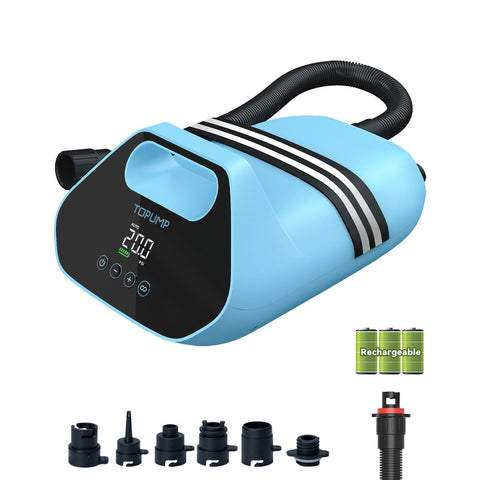
An electric SUP pump is a game-changer for many paddlers. You connect it to your car’s 12V outlet, set the desired pressure (usually 12–15 PSI), and let the pump do the work. Some electric pumps are designed for heavy use and can inflate multiple boards in a row. Others are made for single-board inflation and can overheat if pushed too hard.
High-pressure Pumps
A few advanced pumps, both manual and electric, are rated for higher pressures and continuous use. These are more suitable for inflating several boards, especially if you want to reach high PSI levels without stopping.
Is It Possible To Pump Multiple Paddle Boards With One Pump?
The short answer: Yes, you can—but it depends on how you do it.
- One Board at a Time: Any pump can be used to inflate several boards, one after another. You simply finish one, disconnect, and move on to the next.
- Simultaneous Inflation (With Splitters): You can try inflating two or more boards at the same time by using a splitter (a special hose that divides the airflow). This is less common, and results may vary.
But there are important factors to consider before attempting to inflate multiple boards with one pump, especially at the same time.
The Pros And Cons Of Pumping Multiple Boards With One Pump
Let’s look at the main benefits and drawbacks.
Benefits
- Saves Space: You only need to bring one pump.
- Less Cost: No need to buy several pumps.
- Convenience: If using an electric pump, you save physical energy.
Drawbacks
- Takes More Time (Manual): Pumping several boards by hand can be exhausting.
- Risk of Overheating (Electric): Not all electric pumps are built for continuous use.
- Uneven Pressure (With Splitters): Boards might not inflate evenly if you use a splitter.
- More Wear on the Pump: Pumping multiple boards back-to-back can reduce pump lifespan.
Manual Pumping: What To Expect
If you only have a manual pump, you can absolutely inflate two or more boards—just not at the same time. Most manual pumps are single-chamber, meaning they work with one board per cycle.
- Time per Board: Expect 8–15 minutes per board, depending on the size and your strength.
- Fatigue: After pumping two boards, you’ll probably feel tired.
- Pump Durability: Manual pumps are robust, but continuous use can wear out seals faster.
Non-obvious tip: If you pump multiple boards in hot weather, take short breaks to avoid overheating the pump and yourself.
Electric Pumps: Are They Up To The Job?
Electric pumps are popular for families or groups. However, not all electric pumps are the same.
Key Features To Check
- Duty Cycle: This tells you how long the pump can run before needing a break. A 20-minute duty cycle means you can inflate two medium boards without resting the pump.
- Auto Shut-Off: Prevents over-inflation and protects the pump.
- Overheat Protection: Stops the pump if it gets too hot, avoiding damage.
Example Comparison
Here’s how common electric pumps compare for multi-board use:
| Model | Max Boards (before rest) | Typical Duty Cycle | Overheat Protection |
|---|---|---|---|
| iRocker Electric Pump | 2–3 | 20 min | Yes |
| OutdoorMaster Shark II | 2–3 | 30 min | Yes |
| Budget Generic Pump | 1 | 10 min | No |
Non-obvious insight: The more boards you inflate without pausing, the shorter your pump’s lifespan may be. High-quality pumps handle heat better but still need cool-downs.
Using A Splitter: Inflating Two Boards At Once
Some paddlers experiment with splitter hoses to pump two boards at the same time. This sounds efficient, but it’s not always practical.
- Airflow Splits: Each board gets only half the pump’s output, so inflation takes longer.
- Pressure Imbalance: Boards may not inflate evenly, especially as pressure rises.
- Pump Strain: The pump works harder, which can cause overheating or damage.
| Method | Inflation Speed | Effort Required | Result Quality |
|---|---|---|---|
| One-at-a-time (manual) | Fast | High | Even pressure |
| Two-at-once (splitter) | Slow | Medium | Uneven |
| Electric (one-at-a-time) | Fast | Low | Even pressure |
Unless you have a very powerful pump and a high-quality splitter, it’s usually better to inflate boards one by one.
How To Safely Pump Multiple Boards With One Pump
To get the best results—and protect your pump—follow these steps:
- Read Your Pump’s Manual: Check the maximum recommended use and cool-down time.
- Inflate Each Board Separately: Most pumps are designed for this.
- Let the Pump Rest: If inflating more than two boards, give the pump a 5–10 minute break.
- Check Board PSI: Use the built-in gauge to avoid over-inflating.
- Listen for Warning Signs: Stop if the pump gets unusually hot or noisy.
Pro tip: Bring an extra manual pump as backup, in case your electric pump overheats or fails.
Can One Pump Handle Different Brands Or Valve Types?
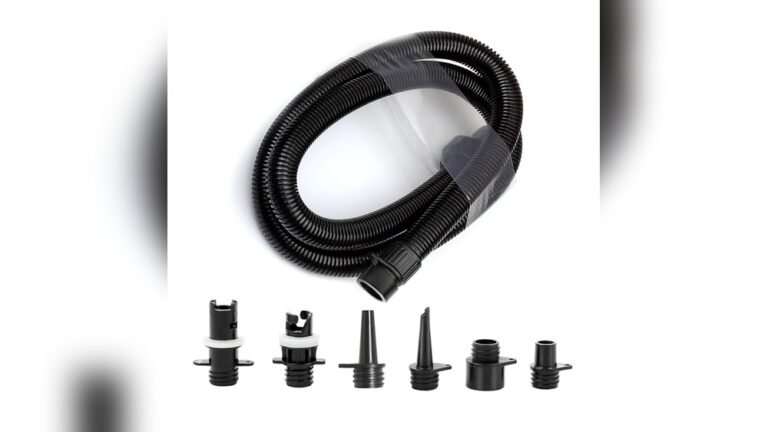
Most inflatable paddle boards use the Halkey-Roberts valve (HR valve). Pumps made for SUPs usually come with HR adapters. If your boards use different valves, you’ll need the right adapter for each.
- HR Valve: Most common, round with a spring pin in the center.
- Boston Valve: Found on some kayaks, not SUPs.
- Proprietary Valves: Some brands use their own design.
Practical advice: Always check your boards’ valves before heading out. Carrying a universal adapter kit solves most problems.
Mistakes To Avoid
Many beginners make small errors that can lead to frustration or pump damage.
- Not Checking Duty Cycle: Running a cheap pump too long can cause failure.
- Skipping Rest Periods: Overheating shortens pump life.
- Using a Weak Splitter: Cheap splitters can leak or break.
- Forgetting About PSI: Each board may need a slightly different pressure.
- Using the Wrong Adapter: Air leaks or slow inflation result.
Non-obvious mistake: Some people assume all pumps fit all boards. Always test your setup before a trip.
When Should You Consider Multiple Pumps?
Sometimes, having a second pump is the best choice:
- Large Groups: 4+ boards inflate much faster with two pumps.
- Limited Time: If you need to get on the water quickly.
- Backup Plan: Manual pump as backup for electric.

Key Takeaways For Group Sup Adventures
If you’re paddling with friends or family, planning is key. Here’s a quick summary:
- One quality pump can handle several boards if you follow the rules.
- Electric pumps make the job easier, but watch the duty cycle.
- Splitters are rarely worth the hassle unless you have the right gear.
- Always carry adapters and a backup pump.
Real-world Example
A group of four paddlers at a lake brought one OutdoorMaster Shark II electric pump. They inflated three boards in a row in under 30 minutes, letting the pump cool for 5 minutes between boards. For the fourth board, the pump overheated and stopped.
Luckily, they had a manual pump as backup and finished the job—everyone made it on the water.
This story shows the importance of duty cycle and backup plans.
More Resources
For technical details about SUP pumps and best practices, see the Wikipedia Standup Paddleboarding page.
Frequently Asked Questions
Can I Use One Electric Pump For Several Paddle Boards In A Row?
Yes, if your pump’s duty cycle allows. Most quality electric SUP pumps can inflate two or three boards back-to-back if you let them rest between uses. Always check the pump’s manual for limits.
Will Using A Splitter Save Me Time When Inflating Two Boards?
Usually not. A splitter divides airflow, so each board inflates more slowly and may not reach the same pressure at the same time. It’s generally faster and safer to inflate boards one by one.
Can Manual Pumps Handle More Than One Board?
Manual pumps can handle several boards, but it takes more effort and time. Expect to spend 8–15 minutes per board. Take breaks to avoid fatigue and overheating the pump.
What Happens If My Electric Pump Overheats?
Most modern electric pumps have overheat protection and will shut off automatically. Let the pump cool down for at least 10–20 minutes before using it again. Using a backup manual pump is a good idea.
Are All Paddle Board Pumps Compatible With All Boards?
Most SUPs use the Halkey-Roberts valve, but some brands have unique valves. Check your board’s valve type and ensure your pump has the correct adapter. Carrying a universal adapter kit helps avoid problems.
Final Thoughts
Pumping multiple paddle boards with one pump is possible, but the best method depends on your gear and group size. For most paddlers, using one electric pump for several boards works well—as long as you respect the pump’s limits. Manual pumps require more effort but get the job done if you’re patient.
Splitters sound tempting but rarely perform better than single inflation. To enjoy your time on the water, plan ahead, bring the right adapters, and always have a backup pump. That way, your SUP adventure starts smoothly—and with less sweat.
