
Are you looking to strengthen your lower back and core without hitting the gym? Weighted hyperextensions might be the answer you’ve been searching for.
But before you add those extra weights at home, it’s natural to wonder: Can you do weighted hyperextensions safely on your own? The good news is, yes—you can. And you’ll discover exactly how to protect your body, avoid common mistakes, and get the best results from this powerful exercise.
Keep reading to learn how to make weighted hyperextensions a safe and effective part of your home workout routine.
Benefits Of Weighted Hyperextensions
Weighted hyperextensions offer many benefits for your body. They help you build strength safely at home. Adding weight makes the exercise more effective. This helps improve your fitness level faster. They target key muscles that support your back and posture.
Here are some important benefits of doing weighted hyperextensions regularly.
Strengthening Lower Back
Weighted hyperextensions focus on the lower back muscles. These muscles support your spine and keep it stable. Stronger lower back muscles reduce the risk of injury. They also ease lower back pain. This exercise helps maintain good posture throughout the day.
Improving Core Stability
Your core includes muscles around your stomach and hips. Weighted hyperextensions engage these core muscles deeply. A strong core supports all body movements. It improves balance and reduces the chance of falls. Core stability also helps in daily activities like lifting or bending.
Enhancing Posterior Chain
The posterior chain includes muscles on the back side of your body. Weighted hyperextensions strengthen your glutes, hamstrings, and lower back. These muscles power many movements like running, jumping, and lifting. Better strength here improves athletic performance and everyday strength.
Essential Equipment For Home Workouts
Doing weighted hyperextensions at home needs the right gear. Good equipment helps you exercise safely and get better results. This section shows what you need for effective home workouts.
Choosing The Right Bench
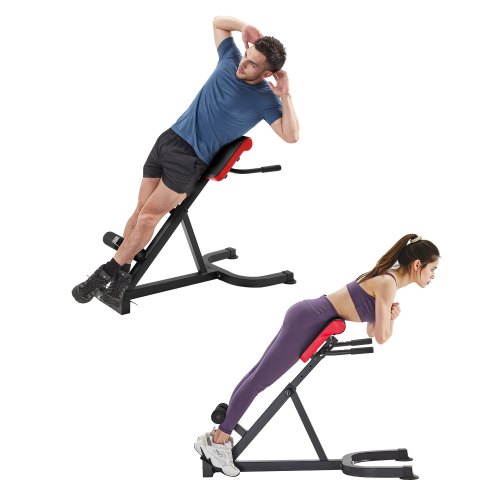
A sturdy bench is key for hyperextensions. Look for one with strong support and non-slip feet. Adjustable benches help you find the best angle for your body. Make sure it fits your height and weight comfortably. A solid bench keeps you steady during each move.
Selecting Suitable Weights
Start with light weights to avoid strain. Dumbbells or weight plates work well at home. Choose weights you can hold securely without pain. Gradually increase weight as your strength grows. Keep your movements slow and controlled for safety.
Safety Gear Recommendations
Wear gloves to improve grip and protect hands. A weightlifting belt supports your lower back. Use a mat for cushioning and to stop slipping. Proper shoes with good soles help maintain balance. These items reduce injury risks during workouts.
Proper Form For Weighted Hyperextensions
Proper form is key to doing weighted hyperextensions safely at home. It helps you avoid injuries and get the best results. Each step matters, from how you start to how you breathe during the exercise. Follow these tips to keep your back strong and healthy.
Starting Position
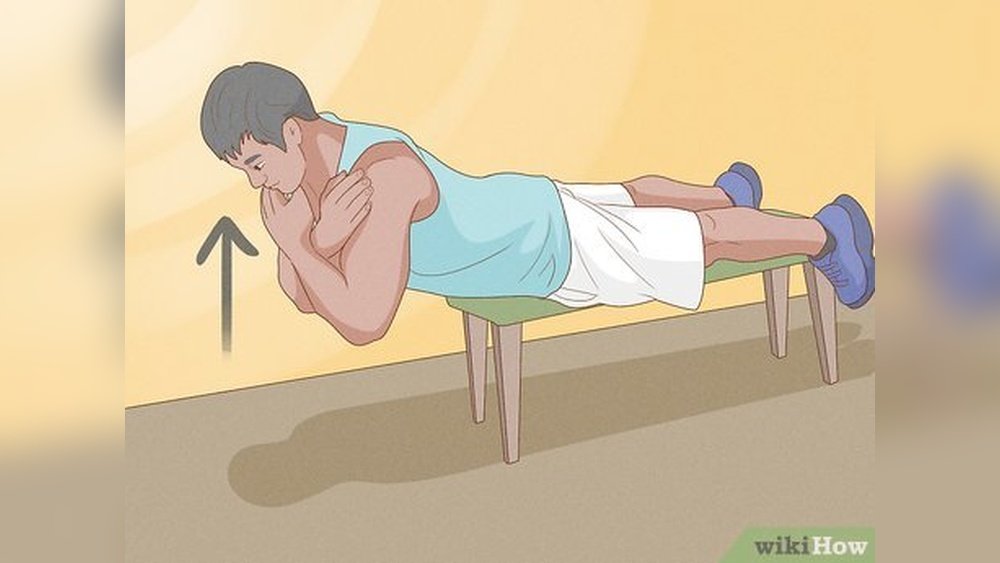
Lie face down on a hyperextension bench or a firm surface. Secure your feet under the footpads or a sturdy object. Keep your hips just off the edge to allow free movement. Cross your arms over your chest or hold a weight close to your body. Your body should form a straight line from head to toe.
Controlled Movement
Slowly bend forward at the hips, lowering your upper body. Stop when your torso is just below parallel to the floor. Avoid rounding your back. Use your lower back and glutes to lift your body back up. Extend until your body forms a straight line again. Keep the motion smooth and steady throughout.
Breathing Techniques
Inhale as you lower your upper body down. Exhale while lifting your body back up. Controlled breathing supports your core and stabilizes your spine. It also helps you maintain focus during the exercise. Avoid holding your breath at any time.

Common Mistakes To Avoid
Weighted hyperextensions can improve your back strength and posture. But some mistakes can cause pain or injury. Knowing common errors helps you exercise safely at home. Focus on good form and control for best results.
Overextending The Back
Do not bend your back too far during hyperextensions. Overextending stresses your spine and muscles. Stop when your body forms a straight line. Keep movements slow and controlled. This protects your lower back from damage.
Using Excessive Weight
Choose a weight you can handle comfortably. Heavy weights increase injury risk and reduce form quality. Start light and increase weight gradually. Your muscles need time to adapt and grow stronger. Safety comes first for steady progress.
Rushing Through Reps
Perform each repetition slowly and with focus. Speed reduces control and puts stress on joints. Pause at the top of the movement to engage muscles fully. Quality beats quantity in every workout. Slow reps help build strength and prevent injury.
Warm-up And Mobility Tips
Warming up and improving mobility are key before doing weighted hyperextensions at home. They prepare your body and lower injury risk. Taking a few minutes to warm up helps your muscles work better and feel ready. You can do simple moves to loosen your back and legs. This step makes your workout safer and more effective.
Focus on gentle movements that get your blood flowing. You want to activate the right muscles and improve your range of motion. This sets a strong base for your weighted hyperextensions.
Dynamic Stretching
Dynamic stretching means moving your muscles through a full range. It is different from holding a stretch still. Try leg swings, arm circles, or gentle torso twists. These moves warm your muscles and joints. They increase flexibility and reduce stiffness. Do dynamic stretches for about 5 to 10 minutes before your workout.
Activating Supporting Muscles
Activating muscles means waking up the ones that help during hyperextensions. Focus on your glutes, hamstrings, and lower back. Try bridges or bird dogs to activate these areas. These exercises prepare your muscles to support your spine. They improve balance and control during weighted hyperextensions. Activating muscles helps prevent strain and injury.

Progression And Frequency Guidelines
Progression and frequency are key when doing weighted hyperextensions at home. Following clear guidelines helps avoid injury and build strength steadily. It ensures your muscles recover well and grow stronger over time.
Increasing Weight Safely
Start with light weights or no weight at all. Add small amounts of weight as you get stronger. Use plates, dumbbells, or weighted vests carefully. Increase weight only when you can do the exercise with good form. Avoid adding too much weight too fast. Slow and steady progress prevents muscle strain.
Setting Repetition Targets
Aim for 8 to 15 repetitions per set. Beginners should start with fewer reps and more sets. Increase repetitions before adding more weight. Keep your movements controlled and smooth. Stop if you feel pain or discomfort. Consistency helps build endurance and muscle strength.
Rest And Recovery
Give your muscles time to rest between sessions. Rest at least 48 hours before training the same muscle group again. Use rest days to stretch or do light activities. Proper recovery reduces the risk of injury. It helps your muscles repair and grow stronger.
When To Consult A Professional
Knowing when to consult a professional is key to doing weighted hyperextensions safely at home. This exercise can strain your back if done incorrectly. A professional can help keep your form right and prevent injury. They offer advice tailored to your body and fitness level. Do not ignore signs your body gives during workouts. Getting help early can save you from serious problems.
Identifying Pain Or Discomfort
Feeling pain during or after weighted hyperextensions is a warning sign. Sharp or lasting pain means stop immediately. Mild soreness is normal, but sharp pain is not. Pain in your lower back or legs needs attention. A professional can check if your technique causes the pain. Early care can prevent long-term damage.
Customizing Your Routine
Everyone’s body is different. A routine that works for others might not suit you. A professional can create a workout plan just for you. They adjust weights, reps, and rest times for your safety. They also teach how to progress without hurting yourself. Customized routines help build strength safely and effectively.
Frequently Asked Questions
Can Weighted Hyperextensions Cause Injury At Home?
Weighted hyperextensions can cause injury if done incorrectly. Proper form and controlled weight use reduce risk. Always warm up and avoid overloading to stay safe during home workouts.
What Equipment Is Needed For Weighted Hyperextensions?
You need a hyperextension bench or Roman chair and a weight plate or dumbbell. These tools help perform weighted hyperextensions safely and effectively at home.
How To Maintain Proper Form During Weighted Hyperextensions?
Keep your back straight and core engaged. Lower your upper body slowly and lift using glutes and lower back muscles. Avoid hyperextending your spine to prevent injury.
Are Weighted Hyperextensions Effective For Lower Back Strength?
Yes, weighted hyperextensions target lower back, glutes, and hamstrings. They improve posture and build strength when done consistently with proper form.
Conclusion
Weighted hyperextensions can be safe at home with care and proper form. Start with light weights to avoid injury. Keep your movements slow and controlled. Use a sturdy bench or equipment for support. Listen to your body and stop if you feel pain.
Consistency and patience help build strength over time. Safety always comes first in any exercise routine. With these tips, you can strengthen your back safely at home. Easy, effective, and doable.
