
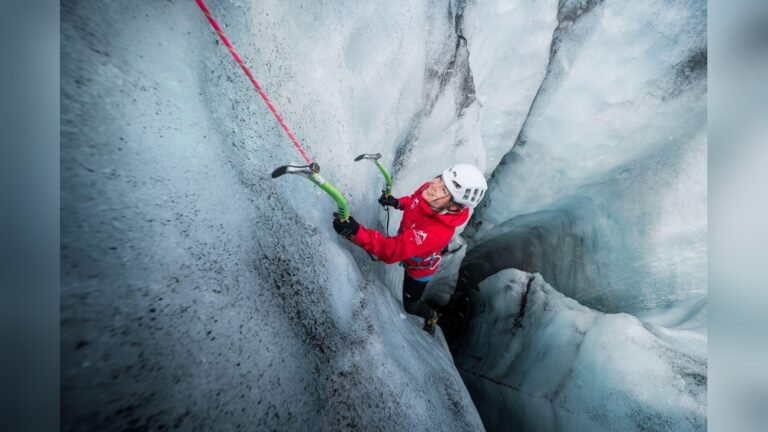
Ice climbing has always looked wild and out of reach for most beginners. The idea of using axes to climb frozen waterfalls or towering walls of ice can feel intimidating. However, things have changed. Indoor climbing gyms are now offering ice climbing experiences in a safe, controlled environment. If you’re curious whether beginners can try ice climbing indoors, you’re not alone. Let’s explore what indoor ice climbing involves, how safe it is, and what you need to know before you grab an axe for the first time.
What Is Indoor Ice Climbing?
Indoor ice climbing is a modern sport where people climb artificial ice walls inside a gym or specialized facility. The walls are made using real or synthetic ice, and you use tools like ice axes and crampons (spikes for your boots) to climb. Some gyms use a mix of real ice and dry-tooling (climbing on holds with axes but no ice), so you can experience the technique without freezing temperatures.
This activity became popular because it’s much safer and more accessible than outdoor ice climbing. You don’t have to travel to remote mountains or deal with unpredictable weather. Instead, you get to learn and practice in a space where instructors can help you every step of the way.
Is Indoor Ice Climbing Safe For Beginners?
Many people worry that ice climbing is dangerous, especially for those with no experience. Indoor ice climbing, however, is designed with safety in mind. The walls are regularly checked, staff are trained, and you are always attached to a rope with a harness.
Most gyms require a safety briefing before you start. Instructors show you how to use the gear, how to move safely, and how to avoid accidents. The controlled temperature means the ice is stable, and there’s less risk of falling ice chunks.
A 2021 study found that accidents in indoor climbing gyms (including ice climbing) are extremely rare—less than 1 incident per 10,000 visits. That’s much lower than outdoor ice climbing, where conditions are unpredictable.
What Do Beginners Need To Start Indoor Ice Climbing?
Before your first session, you might wonder what equipment and skills you need. The good news: most indoor ice climbing gyms provide all the essential gear and teach you the basics.
Here’s what you’ll use:
- Helmet – Protects your head from falling ice or slips.
- Harness – Attaches you to the safety rope.
- Ice axes – Special tools for gripping the wall.
- Crampons – Spikes strapped to your boots for traction.
- Climbing boots – Usually rigid and insulated.
You don’t need to own any of these items. Most gyms rent them out, so you can just wear comfortable, flexible clothing. Avoid loose sleeves or pants that might snag.
How Does An Indoor Ice Climbing Session Work?
If you’re new, your first indoor ice climbing session will likely follow a clear process:
- Orientation and safety briefing: Staff explain the rules and show you how to wear gear safely.
- Gear fitting: Try on the helmet, harness, boots, and crampons. Instructors check everything fits.
- Technique demonstration: Learn how to swing the ice axe, place your feet, and use your body weight.
- Climbing practice: Start on an easy wall with an instructor nearby. You’ll be “top-roped,” meaning the rope always keeps you safe.
- Feedback and rest: Instructors give tips, and you can take breaks as needed.
Most sessions last about 1-2 hours. You’ll get tired quickly at first, but with practice, you’ll build confidence and strength.
Benefits Of Indoor Ice Climbing For Beginners
Trying ice climbing indoors offers some unique advantages for first-timers:
- Safe learning environment: Staff monitor climbers and control the wall conditions.
- No extreme cold: Indoor ice walls are kept at comfortable temperatures.
- Professional instruction: Instructors are trained to help beginners.
- Quick access: Many large cities now have gyms with ice walls.
- Skill development: You can build technique, balance, and confidence before trying outdoor ice climbing.
Learning indoors removes the “scary” part of ice climbing. You can make mistakes and ask questions without pressure.
How Is Indoor Ice Climbing Different From Outdoor?
Some people worry that indoor climbing won’t prepare them for the real thing. While indoor ice climbing is not exactly the same as being outside on a frozen waterfall, it’s an excellent first step.
Here’s a comparison to help you understand:
| Feature | Indoor Ice Climbing | Outdoor Ice Climbing |
|---|---|---|
| Temperature | Controlled, comfortable | Cold, sometimes extreme |
| Safety | Monitored, regular checks | Dependent on nature, more risks |
| Equipment Provided | Usually included/rented | Often must buy or rent yourself |
| Skill Level | Beginner-friendly | Usually for experienced climbers |
| Distance to Climb | Short, manageable walls | Can be long and remote |
Indoor sessions are about learning and practice. Outdoor ice climbing requires more preparation and experience. Most climbers recommend starting indoors before going outside.
Common Challenges For Beginners
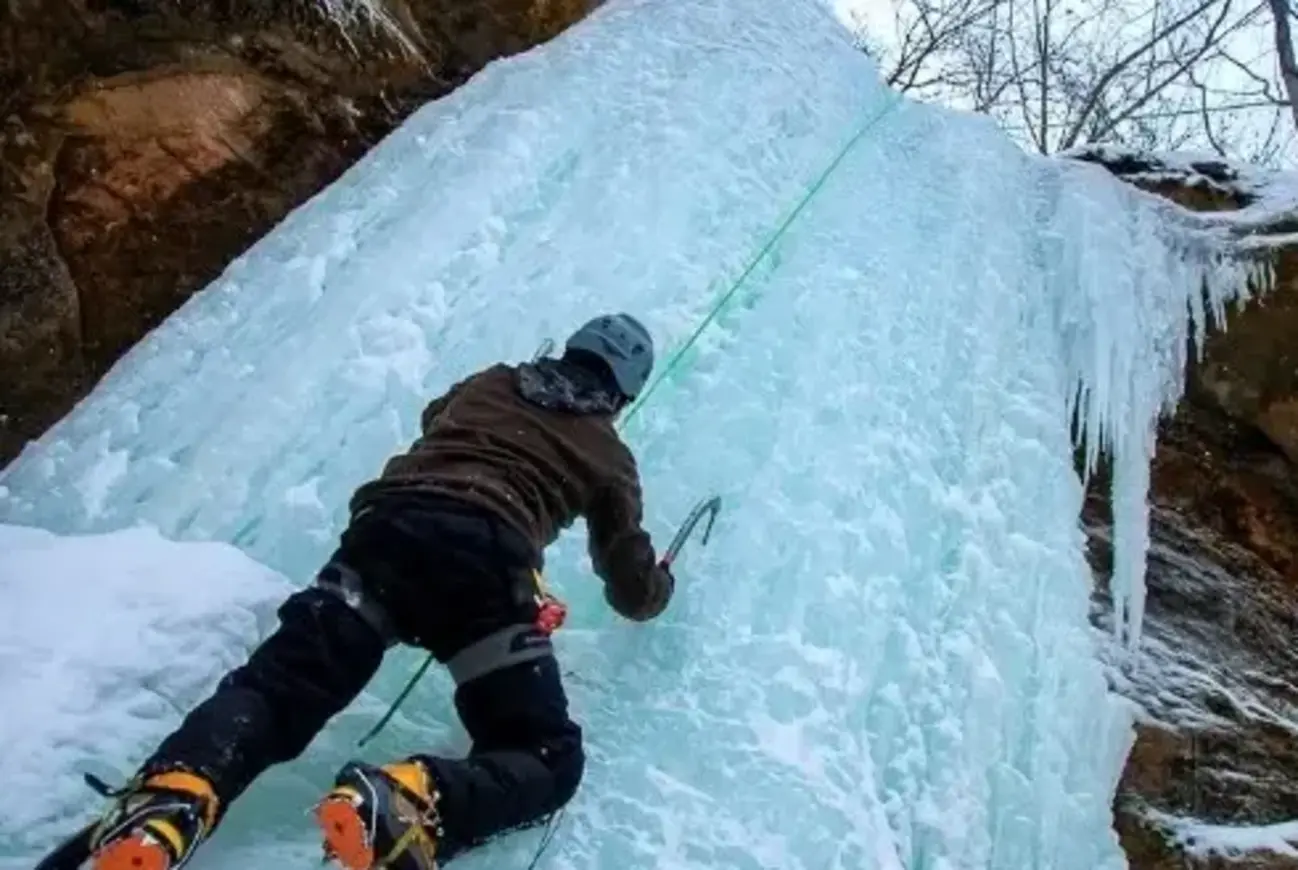
Even in a safe gym, ice climbing can be tough the first time. Here are some challenges beginners face:
- Grip strength: Holding the ice axe can tire your hands quickly. Rest when needed.
- Footwork: Learning to kick your crampons into the wall takes practice.
- Fear of heights: Being on the wall may feel scary at first. Trust your rope and instructors.
- Coordination: Using arms and legs together is different from normal climbing.
Don’t be discouraged if things feel awkward. Most beginners struggle at first. With practice, your muscles and confidence improve.
Tips To Succeed As A Beginner
Here are some practical tips to help you enjoy your first indoor ice climbing experience:
- Listen to instructors: They know the common mistakes and how to fix them.
- Start slow: Focus on good technique, not speed or height.
- Rest your hands: Shake out your arms regularly to avoid getting too tired.
- Use your legs: Push with your legs, not just your arms, to climb efficiently.
- Wear snug clothing: Avoid loose or bulky clothes that can catch on equipment.
A non-obvious insight: Don’t grip the ice axe too tightly. Most beginners squeeze too hard, which tires the hands. Keep your grip relaxed and trust the axe to hold.

Where Can You Try Indoor Ice Climbing?
Indoor ice climbing gyms are growing in number, especially in Europe, North America, and East Asia. Some famous places include:
- The Ice Factor (Scotland): One of the world’s largest indoor ice walls.
- Ouray Ice Park (USA): Offers indoor and outdoor climbing.
- Eiskanal (Germany): Innovative synthetic ice wall for year-round use.
To find a gym near you, check local climbing gyms’ websites or search for “indoor ice climbing” in your city. Many traditional climbing gyms now offer short “ice sessions” or beginner classes.
Cost And Accessibility
Trying indoor ice climbing is not as expensive as many people think. Most gyms charge by the hour or offer classes. Here’s a sample comparison of costs:
| Service | Average Price (USD) |
|---|---|
| One-hour session (all gear included) | $30 – $50 |
| Beginner course (2-3 hours) | $60 – $100 |
| Private lesson | $80 – $120 |
Some gyms require advance booking, especially during weekends. Group discounts are often available, making it affordable if you try with friends.
Physical Requirements: Who Can Try?
You do not need to be an athlete to try indoor ice climbing. Most gyms welcome people of all fitness levels. However, a few basic requirements are common:
- Minimum age: Usually 12-14 years old, but some places offer children’s sessions.
- Good health: If you can climb stairs and walk briskly, you can try.
- No special skills needed: Staff teach you everything.
If you have any health concerns, check with your doctor before trying. People with heart or joint issues should get medical advice first.
How To Prepare For Your First Session
To make the most of your first climb, keep these steps in mind:
- Book in advance: Many gyms fill up fast.
- Wear flexible clothes: Gym or athletic wear is best.
- Eat a light meal: You’ll need energy, but avoid heavy food just before climbing.
- Bring water: Climbing is hard work, and you’ll sweat, even indoors.
- Arrive early: Give yourself time to get fitted with gear.
A helpful tip: Watch a short video on indoor ice climbing before you go. Seeing the movements helps you understand what to expect.
What Skills Can You Learn Indoors?
Indoor ice climbing teaches you many important skills that help if you want to climb outdoors later:
- Tool placement: Learning to hit the ice at the right angle.
- Foot technique: Mastering the “kick and step” with crampons.
- Movement efficiency: Using your body weight instead of just arm strength.
- Safety habits: Double-checking gear and rope use.
Many indoor climbers move on to outdoor ice climbing or alpine climbing after getting comfortable inside. Some stick with indoor climbing for fun and fitness.
Common Mistakes Beginners Make
Even with good instruction, beginners often make a few mistakes. Knowing them helps you avoid frustration:
- Over-gripping axes: This quickly tires your hands.
- Poor footwork: Not kicking crampons firmly into the ice leads to slips.
- Ignoring rest: Taking breaks is important to avoid fatigue.
- Not communicating: Always tell your instructor if you feel unsure.
Remember, everyone starts as a beginner. The goal is to enjoy the experience and stay safe.
Is Indoor Ice Climbing Right For You?
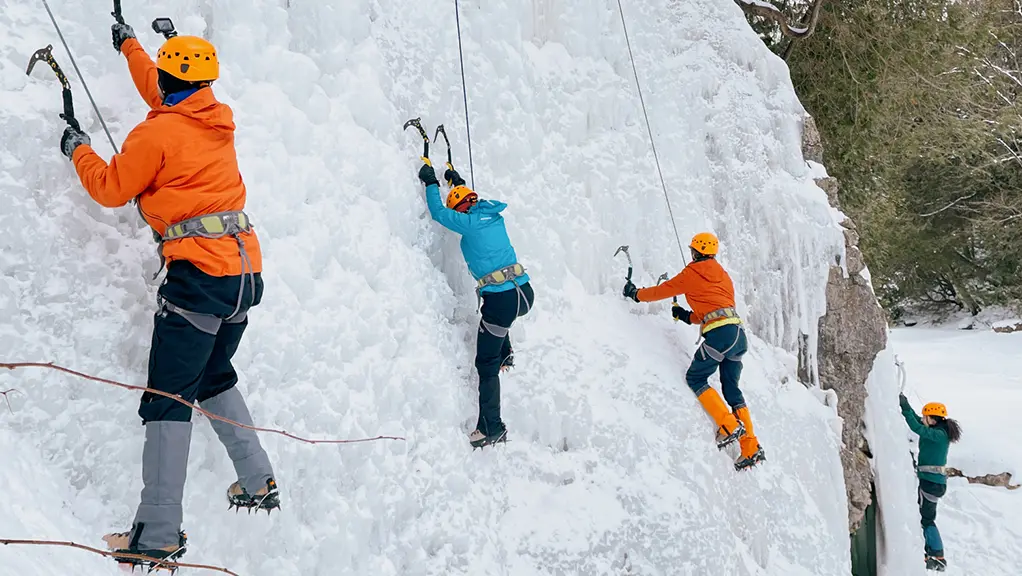
Indoor ice climbing isn’t just for adrenaline seekers. It’s a great way to try something new, build strength, and challenge yourself. If you like rock climbing, hiking, or just want a new fitness activity, indoor ice climbing could be a perfect fit.
For those interested in the world of climbing and mountaineering, indoor ice climbing is the ideal first step. You’ll meet helpful people, learn valuable skills, and possibly discover a lifelong passion.
If you want to learn more about the growing sport and its history, check out the Wikipedia page on ice climbing.
Frequently Asked Questions
Is Indoor Ice Climbing Suitable For Complete Beginners?
Yes, most indoor ice climbing facilities are designed for beginners. Staff guide you through every step, and no experience is needed.
What Should I Wear For Indoor Ice Climbing?
Wear comfortable, athletic clothing that allows you to move easily. Avoid loose clothing, and remember that the gym will provide helmets, boots, and other equipment.
How Long Does A Typical Session Last?
Most beginner sessions last 1-2 hours. This gives you time to learn the basics, practice on the wall, and take breaks.
Can Children Try Indoor Ice Climbing?
Many gyms offer sessions for children, usually ages 12 and up. Some have special classes for younger climbers with extra supervision.
Do I Need To Be Very Strong To Try Indoor Ice Climbing?
No, you do not need to be very strong. Indoor ice climbing is more about technique and balance than raw strength. Most people can try it with basic fitness.
Indoor ice climbing is now more accessible than ever. For beginners, it’s a safe, exciting way to enter the world of climbing. With proper guidance, anyone can swing an axe and climb their first ice wall—all indoors, all year round.
