Snowboarding looks easy from a distance: people gliding smoothly down snowy slopes, turning with ease, and sometimes even jumping in the air. But if you are new, you might ask: can beginners learn snowboarding in one day? Maybe you only have a weekend trip planned, or you want to try snowboarding before committing to expensive gear. Many beginners hope for fast progress, but is it realistic to expect to learn the basics of snowboarding in just a single day?
This article will give you a full picture of what is possible in one day as a beginner. We’ll look at what learning snowboarding means, what you can expect after your first lesson, what makes it easier or harder, and how to make the most of your first day.
You will also find honest advice, common mistakes, and tips that most first-timers miss.
What Does “learning Snowboarding” Really Mean?
First, let’s clarify what “learning” means. Snowboarding is a skill you build over time. For some, “learning” means standing up and sliding a few meters. For others, it means being able to ride down an easy slope with control.
Most beginners want to:
- Stand up on a snowboard and balance
- Slide on gentle slopes
- Turn left and right (link turns)
- Stop safely
Mastering all these steps in a single day is very rare. However, it’s possible to achieve some progress on each skill, depending on your fitness, balance, and attitude.
How Much Can A Beginner Really Learn In One Day?
Let’s look at what is realistic in a single day. Most first-time snowboarders can learn the basics, but not advanced skills.
| Skill | Average Progress in 1 Day |
|---|---|
| Standing and balancing | Most people can do this within the first hour |
| Sliding straight (falling leaf) | Possible after 1-2 hours |
| Basic stopping (heel edge) | Often learned by midday |
| Turning (linking turns) | Some will get it by the end of the day, most need more time |
| Riding a full beginner slope | Unlikely without previous experience |
Most beginners finish their first day able to:
- Stand up and balance on a board
- Slide down small slopes (usually using one edge)
- Stop using their heel edge
- Sometimes start to turn, but not smoothly
Factors That Influence How Fast You Learn
Your progress depends on several key factors. Understanding these can help set realistic expectations.
1. Your Physical Fitness And Balance
People with good core strength, balance, and flexibility usually learn faster. If you do activities like skateboarding, surfing, or even yoga, you may find snowboarding easier.
2. Age And Confidence
Younger people often bounce back from falls quickly and are less afraid of trying new moves. However, adults who stay positive and don’t fear falling can learn just as quickly.
3. Previous Board Sports Experience
If you have tried skateboarding, wakeboarding, or surfing, you already know how to shift your weight and balance on a board. This experience can help you progress much faster on your first day.
4. Quality Of Instruction
A professional snowboard instructor knows how to break down techniques and correct your mistakes. Group lessons are cheaper, but private lessons help you learn much faster because you get more personal feedback.
5. Snow And Weather Conditions
Soft, fresh snow is more forgiving when you fall and makes learning less painful. Icy slopes or crowded conditions can make learning harder and less enjoyable.
6. Equipment Fit And Comfort
Uncomfortable boots or a poorly sized board can make it hard to balance and control your movement. Renting from a good shop and explaining you are a beginner helps you get the right setup.
What Does A Typical First Day Look Like?
Most ski resorts offer beginner packages that include rental gear, a lift pass for easy slopes, and a lesson. Here’s what a standard first day might look like:
Morning: Introduction And Basics
- Fitting equipment (boots, board, helmet)
- Learning how to strap in and carry your board
- Walking and sliding on flat ground
- Standing up from sitting (on the snow)
- Basic balance drills
Late Morning: First Slides
- Learning to slide down a small hill using one edge (heel or toe)
- Practicing stopping and slowing down
- First falls (getting used to falling safely)
Lunch Break
Short rest and food. This is important, as snowboarding uses muscles you don’t use every day.
Afternoon: Turning And Linking
- Trying to turn from one edge to another (linking turns)
- Practicing on slightly steeper slopes
- More falls, but also more control
By the end of the day, most beginners are tired, but proud of their progress—even if they can only slide and stop.
Common Struggles Beginners Face
Even with the best instruction, most first-time snowboarders struggle with a few things:
- Standing up from a seated position, especially if you are not flexible
- Balancing on one edge without catching the other edge (edge catching causes sudden falls)
- Controlling speed—beginners often go too fast and panic
- Turning smoothly between heel and toe edges
Don’t get discouraged if you fall a lot. Most beginners fall 20–30 times on their first day. This is normal!
Two Insights Most Beginners Miss
- Snowboarding is more about technique than strength. Many beginners try to muscle their way down the hill, but balance and subtle movements are more important than force.
- Progress is not always linear. You might have a breakthrough in one hour, then struggle for the next two. Small improvements add up, so be patient.
How To Maximize Learning In One Day
If you want to learn as much as possible in your first day, here are some tips:
- Take a lesson. Even just one group lesson will save you hours of frustration.
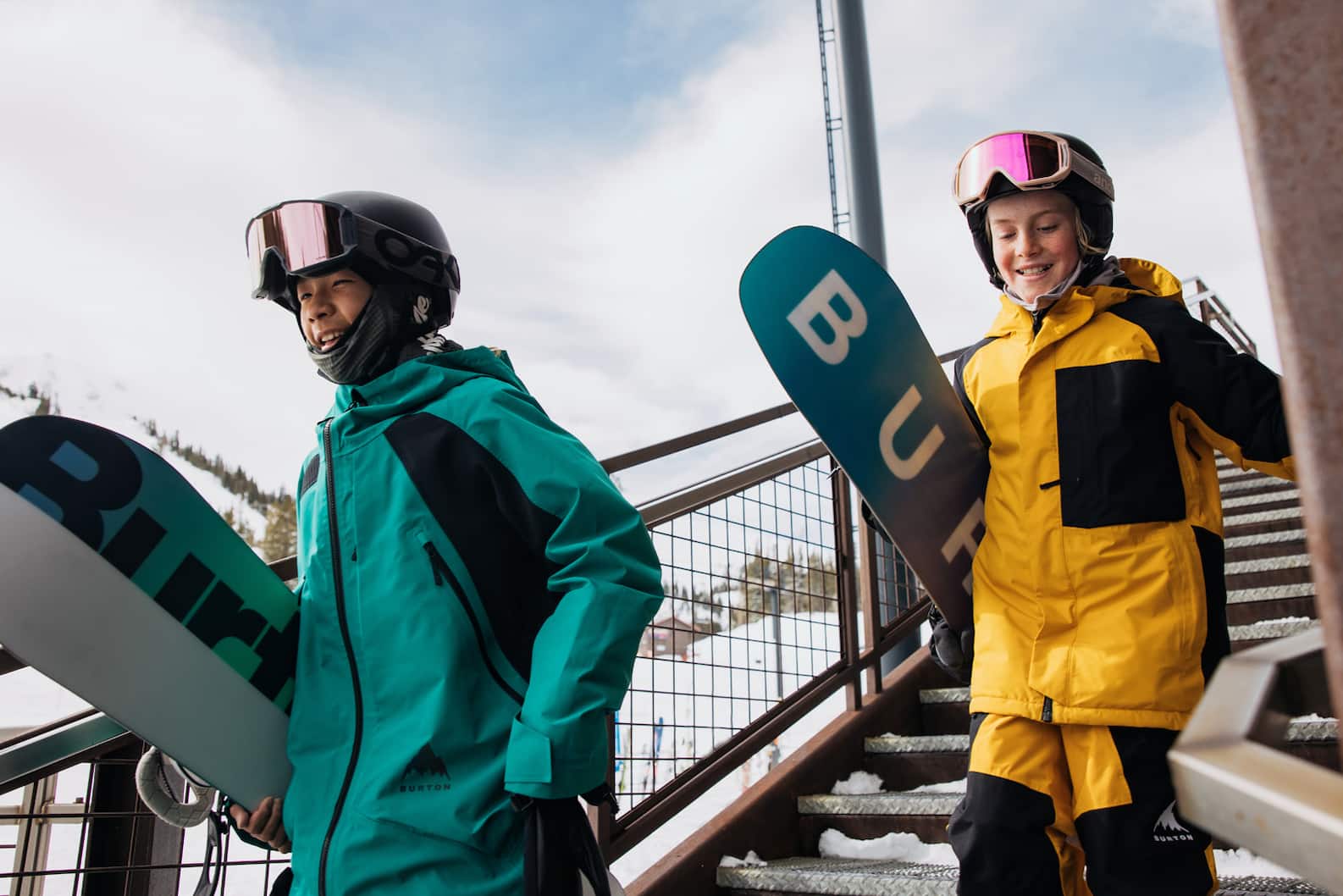
- Dress properly. Wear waterproof pants, jacket, and gloves. You will spend a lot of time sitting or falling in the snow.
- Arrive early. The slopes are quieter, and you’ll have more energy.
- Warm up and stretch. Snowboarding is hard on your legs and lower back.
- Start slow. Focus on controlling your board, not on speed.
- Watch others. Notice how instructors and experienced riders move.
- Rest when needed. Fatigue leads to more falls and less learning.
- Stay positive. You will fall. Laugh it off and keep trying.
Realistic Expectations For Your First Day
Let’s compare what most people hope for and what actually happens during the first day.
| Expectation | Reality |
|---|---|
| Snowboarding down a long slope smoothly | Sliding and stopping on small beginner hills |
| Learning to turn both ways easily | Maybe starting turns, but not confidently |
| Keeping up with friends who can already snowboard | Needing more practice before joining experienced friends |
| No falling after the first hour | Falling is common all day, but less often by the end |

Mistakes Beginners Make (and How To Avoid Them)
Many first-timers repeat the same errors. Here are some pitfalls to watch for:
- Leaning back too much: This causes you to lose control. Try to keep your weight centered or slightly forward.
- Not bending your knees: Stiff legs make it harder to absorb bumps and balance.
- Looking down at your feet: Always look where you want to go, not at the board.
- Ignoring fatigue: Take breaks. Exhaustion makes injuries more likely.
- Skipping lessons: Self-teaching is much slower and can build bad habits.
Comparing Snowboarding To Skiing For Beginners
Many people also wonder whether snowboarding or skiing is easier for a first-timer. Here’s a quick comparison:
| Aspect | Snowboarding | Skiing |
|---|---|---|
| Standing up | Harder at first | Easier |
| Turning | Harder to start, easier later | Easier to start, harder later |
| Falling | More falls, but softer landings | Fewer falls, but can be awkward |
| Progress after 1 day | Slower, but picks up quickly | Faster initial progress |
If you want more data and research on learning rates, check out the Wikipedia page on snowboarding.
Essential Gear For Your First Day
If you are new, you don’t need to buy expensive gear. Rental shops at ski resorts can provide everything. Here’s what you’ll need:
- Snowboard (appropriate size for your height and weight)
- Snowboard boots
- Bindings
- Helmet (highly recommended)
- Waterproof clothing: Jacket, pants, gloves
- Goggles (to protect your eyes from snow and sun)
- Wrist guards (optional, but many beginners use them)
Make sure everything fits well and is comfortable. Badly fitting boots are one of the main reasons beginners give up early.
Should You Try Snowboarding If You Only Have One Day?
If you only have one day, you can still enjoy your time and get a taste of snowboarding. Here’s what you’ll get out of it:
- A sense of accomplishment from learning something new
- Fun and laughter, even if you fall a lot
- A better idea of whether you want to snowboard again
You probably won’t be riding chairlifts or going down long runs with friends, but you will learn the basics and have a memorable experience. Many people get hooked after just one day.

Frequently Asked Questions
How Many Lessons Does It Take To Snowboard Comfortably?
Most people need 3–5 lessons to feel comfortable on easy slopes. After the first day, you should be able to slide and stop, but it takes several days to learn smooth turns and handle steeper hills.
Can I Teach Myself Snowboarding Without An Instructor?
It’s possible, but much harder. Professional instructors correct your mistakes quickly and teach you proper technique. Without lessons, you may develop bad habits that are hard to fix later.
Is Snowboarding Dangerous For Beginners?
Snowboarding is generally safe if you follow instructions and wear safety gear. Most beginner injuries are minor (bruises, wrist sprains). Always wear a helmet and consider wrist guards.
What Is The Hardest Part Of Learning Snowboarding?
For most beginners, balancing and standing up on the board is the hardest at first. Turning smoothly and controlling speed also take practice.
Can Children Learn Snowboarding In One Day?
Children often learn faster than adults because they are less afraid of falling. Still, most kids will need several days to snowboard confidently on their own.
Snowboarding is a fun and rewarding sport, even if you can’t master it in a single day. Set realistic goals, stay positive, and you’ll enjoy every moment on the snow.
