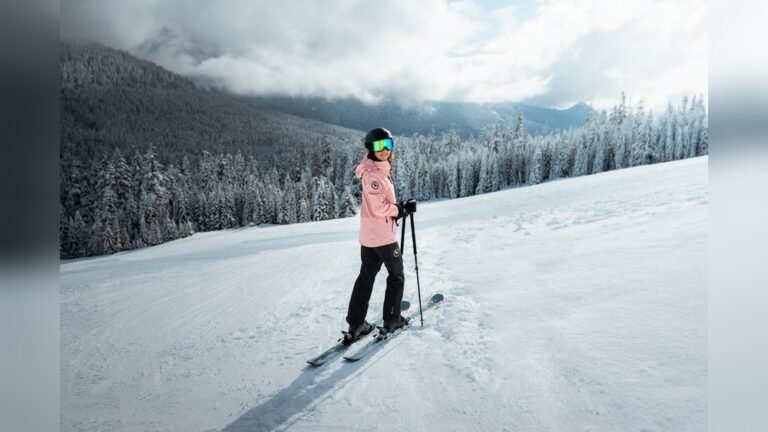
Learning something new as an adult can feel both exciting and challenging. Skiing, often seen as a sport for the young or adventurous, might seem even more daunting if you have never tried it before. Many adults wonder: Can adults learn skiing easily? The answer depends on several factors, from physical fitness to mindset. But the good news is, many adults start skiing later in life and enjoy it just as much as those who learned as children. In this article, you’ll discover what really matters when adults try to learn skiing, what to expect during your learning journey, and some tips to help you succeed on the slopes.
The Truth About Learning Skiing As An Adult
Let’s start by addressing a common myth: children learn skiing faster and better than adults. While it’s true that kids can pick up physical skills quickly, adults have their own advantages. Adults are better at understanding instructions, focusing on technique, and managing risk. With the right approach, most healthy adults can learn the basics of skiing in just a few days.
Physical Factors
Your body changes as you get older. Flexibility, balance, and strength may not be the same as in your younger years. However, adults who keep active—through walking, running, cycling, or other sports—often find skiing less physically demanding than they expected.
Core strength and leg muscles are especially important for skiing. If you’re starting from a low fitness base, some pre-skiing exercises can make a big difference.
Mental Approach
Adults often bring more fear to the slopes. You may worry about falling, injury, or looking awkward. But adults also tend to be more determined and patient. They ask questions, listen to instructors, and set realistic goals. This mindset can actually speed up your progress compared to kids who sometimes rush or don’t pay attention.
Learning Curve
Most adults can ski on easy slopes (called green runs) after two or three days of lessons. Reaching a comfortable level on more challenging slopes (blue or red runs) usually takes one or two weeks of practice. The key is to focus on technique, not just speed.
Here’s a simple comparison between typical learning speeds for adults and children:
| Skill Level | Average Adult (days) | Average Child (days) |
|---|---|---|
| Basic Control (stop, turn) | 2–3 | 2–4 |
| Easy Slopes (green runs) | 3–5 | 4–6 |
| Intermediate (blue runs) | 7–14 | 10–20 |
As you can see, adults can progress just as quickly as children, especially in the early stages.
What Makes Skiing Easier Or Harder For Adults?
Several factors impact how easily an adult learns to ski. Understanding these can help you set the right expectations.
Fitness Level
A good base fitness level makes skiing much easier. Skiing uses your legs, core, and even your arms for balance. If you exercise regularly, you’ll have better endurance and recover faster from falls. If not, simple activities like walking uphill or doing squats can help prepare your muscles.
Previous Sports Experience
If you’ve done sports that require balance—like skating, surfing, or cycling—you’ll find skiing more familiar. These sports teach body awareness and quick reactions, which are valuable on skis. However, even if you’re not sporty, you can still learn with patience.
Fear And Confidence
Fear of falling is common among adults. Children usually bounce back quickly, but adults can get nervous about injuries. It’s important to accept that falling is part of learning. Wearing proper gear, especially a helmet, reduces risk and boosts confidence.
Quality Of Instruction
Taking lessons from a qualified instructor makes a huge difference. Self-taught skiers often develop bad habits or miss key safety steps. Instructors break down movements, offer feedback, and help you feel safe.
Equipment Fit And Comfort
Uncomfortable boots or skis that are too long can make learning much harder. Ski shops can adjust equipment to fit your height, weight, and skill level. Don’t hesitate to ask for help—well-fitted gear can make or break your experience.
Step-by-step: What To Expect When Learning Skiing As An Adult
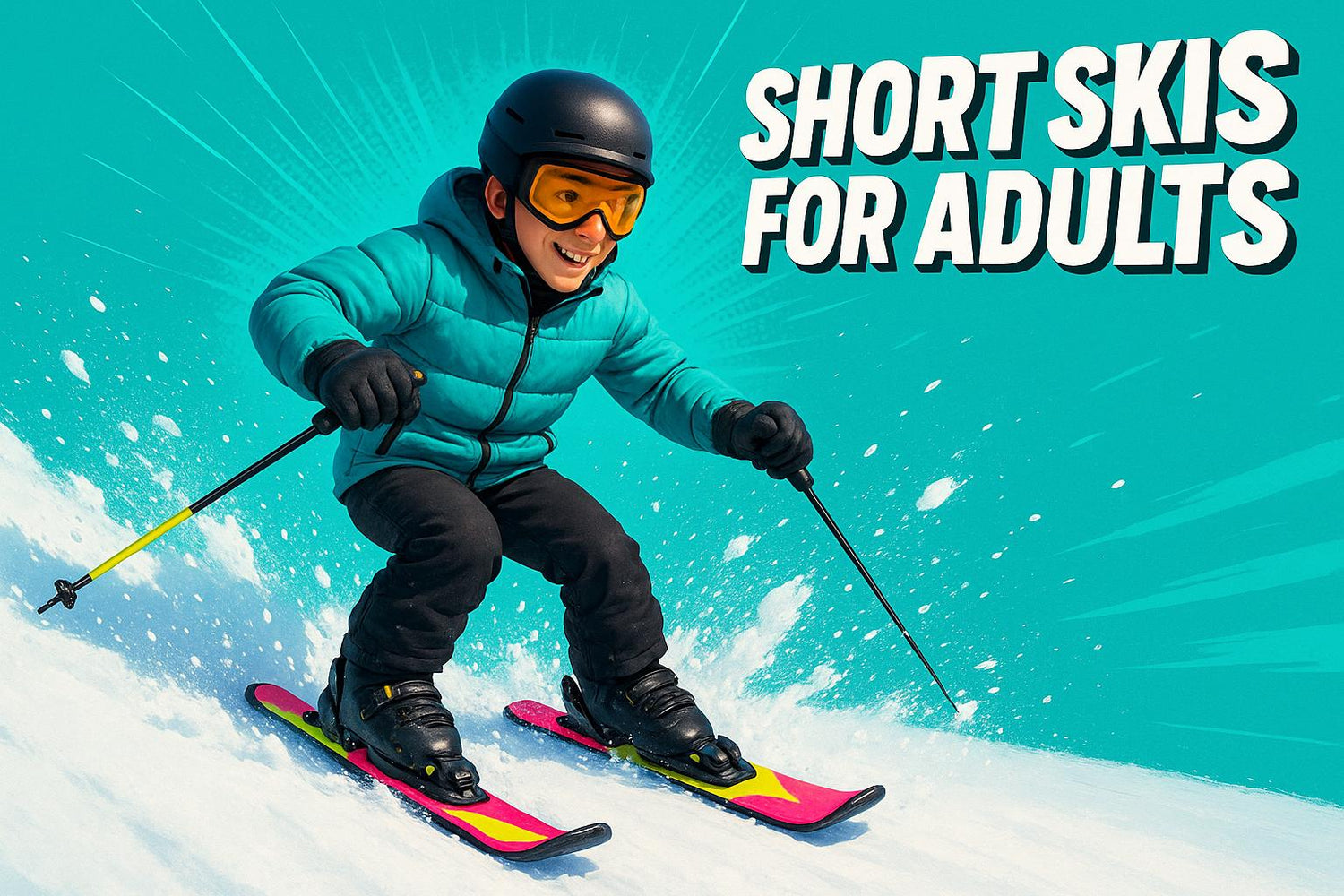
Knowing what happens at each stage removes much of the fear. Here’s a typical path for adult beginners:
- Getting Used to Equipment: Walking in ski boots and carrying skis feels strange at first. Practice this before hitting the slope.
- First Slides on Flat Ground: Before going downhill, you’ll learn to slide on flat snow, how to use ski poles, and how to balance.
- Learning to Stop: The snowplow or “pizza” stop is the first real skill. It teaches you how to slow down safely.
- Turning: You’ll practice gentle turns, still using the snowplow shape. Turning is the key to controlling your speed.
- Riding the Beginner Lift: Conveyor belts or rope tows get you up the beginner slope. Getting on and off is a skill itself.
- Linking Turns on Easy Slope: After stopping and turning, you’ll learn to connect turns smoothly as you descend a gentle hill.
- Progressing to Slightly Steeper Slopes: Once you can control speed and direction, you’ll move to longer or steeper beginner runs.
It’s normal to feel awkward at first. Most adults fall a few times, but that’s how you learn what works and what doesn’t. After a few hours, movements become more natural.
Common Myths About Adults Learning To Ski
Let’s clear up some misunderstandings that stop people from trying:
- “I’m too old to start skiing.” Many people take up skiing in their 40s, 50s, or beyond. Age is less important than attitude and fitness.
- “You have to be very fit or athletic.” Average fitness is enough to get started. Skiing will actually improve your strength and balance over time.
- “Skiing is dangerous.” Injuries are rare when you follow instructions, use proper gear, and stay on slopes that match your ability.
- “It’s embarrassing to learn as an adult.” Resorts are full of adult beginners. Most people are focused on their own progress, not judging others.
Practical Tips For Adult Beginners
Here are some proven ways to make learning skiing easier and more enjoyable as an adult:
- Book Group or Private Lessons: Start with a professional instructor for at least the first 2–3 days.
- Wear Proper Clothing: Dress in layers, and make sure your outerwear is waterproof. Cold or wet clothes distract you from learning.
- Use Rental Equipment First: Don’t buy gear until you know what feels comfortable.
- Start on the Easiest Slope: Even if you feel ready, don’t rush to harder runs. Confidence comes from mastering the basics.
- Take Breaks: Rest every hour to avoid fatigue and keep learning fresh.
- Listen to Your Body: If you’re tired or sore, stop for the day. Overdoing it increases the risk of injury.
- Watch Others: Observing how experienced skiers move can help you understand proper technique.
- Ask Questions: Instructors are used to helping adults and want you to succeed.
- Celebrate Small Wins: Every skill learned—no matter how small—is progress.
A unique tip: visualization works wonders for adults. Imagine yourself making turns or stopping smoothly before you try it. This mental practice helps the brain and body connect, making movements feel more natural when you try them on snow.
What Are The Main Challenges For Adult Learners?
While many adults succeed, a few challenges are common:
- Fear of Falling/Injury: This is normal. Protective gear, such as helmets and padded shorts, can reduce anxiety.
- Slower Recovery: Adults may take longer to recover from muscle soreness or small injuries. Stretch before and after skiing to help.
- Learning Plateaus: Progress can feel fast at first, then slow down. Don’t get discouraged—this is part of the process.
- Peer Pressure or Self-Consciousness: Some adults feel embarrassed about starting as a beginner. Remember, most people are focused on their own skiing, not yours.

Health And Safety For Adult Skiers
Safety is a top concern for adults. Here are key health and safety points:
- Get a Medical Check-Up: If you have health concerns, check with your doctor before skiing.
- Warm Up Before Skiing: Gentle stretching and movement prepare your muscles and joints.
- Hydrate and Eat Well: Skiing burns calories and dehydrates you faster at altitude.
- Know Your Limits: Stick to slopes within your skill level. There’s no shame in taking it slow.
- Follow Slope Etiquette: Yield to skiers below you, and stop at the side of the run.
Here’s a quick comparison of injury rates for adults vs. children in skiing:
| Group | Injury Rate (per 1,000 skier days) | Common Injuries |
|---|---|---|
| Adults | 2.5 – 3.0 | Knee, thumb, shoulder |
| Children | 3.0 – 4.5 | Lower leg, head |
Surprisingly, adults have a slightly lower injury rate—likely because they take fewer risks and pay more attention to safety.
How Much Does It Cost For Adults To Learn Skiing?
Cost is another concern for many adults. Here’s a rough breakdown:
- Lessons: Group lessons cost $30–$100 per day. Private lessons are $60–$200 per hour, depending on the resort.
- Rentals: Boots, skis, and poles cost $30–$50 per day.
- Lift Passes: Expect $50–$150 per day.
- Clothing and Accessories: If renting, factor in $20–$40 per day.
Many resorts offer beginner packages that include lessons, rentals, and lift passes at a discount. It’s worth checking these out before booking separately.

Stories And Successes: Adults Who Learned To Ski
Thousands of adults take up skiing each year. For example, Mary, age 52, started skiing to join her grandchildren on family trips. She began with group lessons, practiced patience, and within a week, she was skiing easy blue runs. Another example, James, age 38, had never skied before but used his experience from cycling to master balance quickly.
The most important thing these adults had in common was persistence. Even after falling or struggling, they kept going and celebrated each small success.
Unique Benefits Of Learning Skiing As An Adult
Adults often appreciate skiing more than children do. Here’s why:
- Stress Relief: The mountain scenery and fresh air help you relax and forget daily worries.
- Social Connection: Group lessons and ski trips are great ways to meet people.
- Lifelong Enjoyment: Skiing is a low-impact sport when done correctly, so you can enjoy it into your senior years.
A non-obvious insight: Many adults report that learning to ski boosts their self-confidence in other areas of life. Overcoming the challenge of skiing shows you can master new skills at any age.
Frequently Asked Questions
Can Adults Really Learn To Ski As Well As Children?
Yes, adults can learn to ski just as well as children, though the process may feel different. Adults often progress faster in the basics because they listen better and focus more on technique.
Is There An Age Limit For Learning To Ski?
There’s no strict age limit. People in their 60s or even 70s have started skiing. What matters most is your health, fitness, and motivation.
How Long Does It Take For An Adult To Ski Comfortably?
Most adults can ski on gentle slopes after 2–3 days of lessons and feel comfortable on intermediate runs after 1–2 weeks of regular practice.
What Should I Wear As A Beginner Adult Skier?
Wear thermal layers, waterproof pants and jacket, gloves, and a helmet. Ski socks and goggles are also important. Renting clothing is possible at many resorts if you don’t want to buy.
Where Can I Find More Information About Adult Beginner Skiing?
For detailed advice and inspiration, check out the International Ski Federation’s official FIS Ski website. They offer guides, videos, and tips for skiers of all ages.
Learning to ski as an adult is both possible and rewarding. With the right mindset, preparation, and support, you can enjoy the thrill of gliding down the slopes—no matter your age. The mountain is waiting for you!
