Are you thinking about upgrading your home gym but wonder if a walking pad can really replace a treadmill? You’re not alone.
Many people ask if this smaller, more compact machine can give you the same benefits without taking up so much space. What if you could get a great workout, save room, and maybe even spend less money? Keep reading, because understanding the real differences and advantages could change the way you exercise at home—and help you make the best choice for your fitness goals.
Walking Pads Vs Treadmills
Choosing exercise equipment for a home gym can be tricky. Walking pads and treadmills offer different benefits.
We will compare size, speed, and noise to see how they match up for home use.
Size And Portability
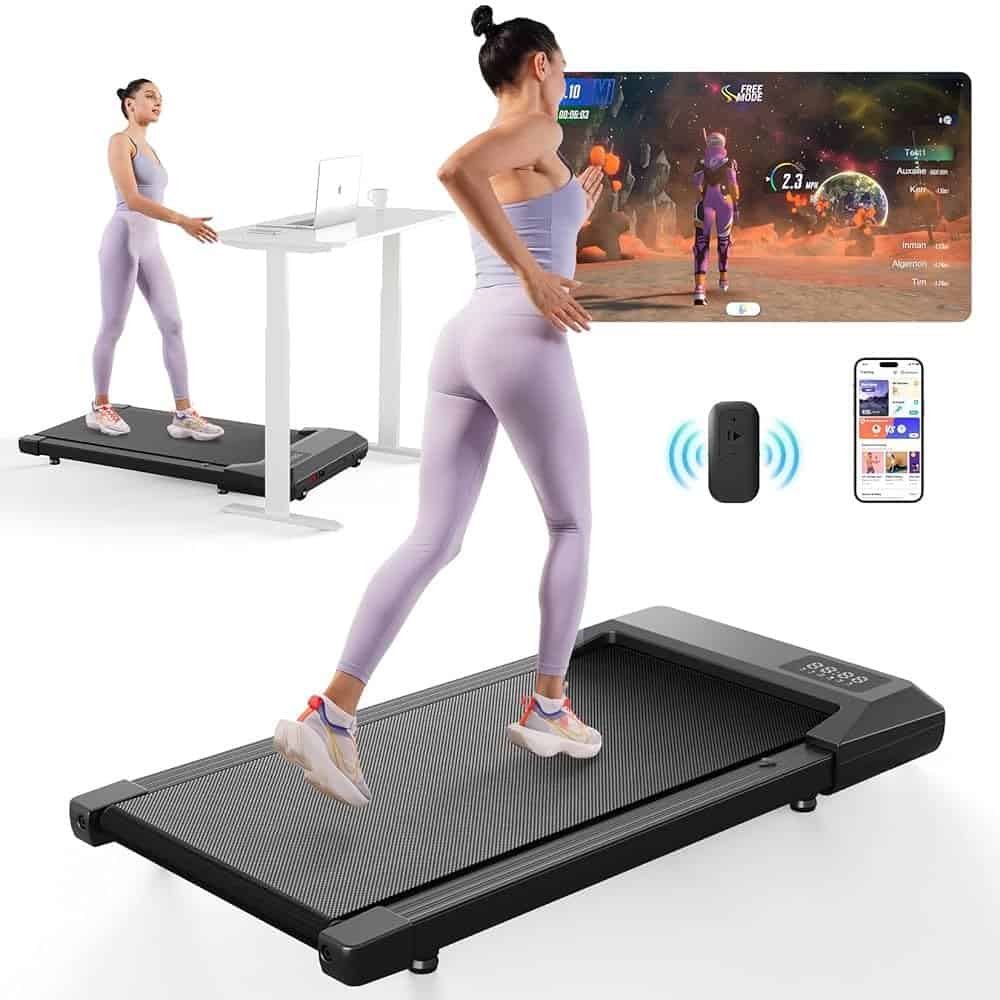
Walking pads are smaller and lighter than treadmills. They fit easily in small spaces.
Most walking pads fold flat. This makes them easy to store under a bed or sofa.
- Walking pads weigh about 20-30 pounds
- Treadmills can weigh over 100 pounds
- Treadmills need more floor space to use
Speed And Performance
Treadmills offer a wider speed range. They can go from slow walking to fast running.
Walking pads usually have slower top speeds. They are best for walking or light jogging.
- Treadmills speed range: 0.5 to 12+ mph
- Walking pads speed range: 0.5 to 4 mph
- Treadmills often have incline options
Noise Levels
Walking pads are quieter than treadmills. Their motors are smaller and less powerful.
Quiet machines work better in apartments or shared homes.
- Walking pads produce less than 50 decibels
- Treadmills can reach 60-70 decibels
- Noise depends on motor and surface type
:max_bytes(150000):strip_icc()/VWH-GettyImages-1345647705-3f6bf4458e5d4a8c92be9094ad81527c.jpg)
Advantages Of Walking Pads
Walking pads are compact exercise machines that let you walk indoors. They offer a simple way to stay active at home.
These devices have benefits that make them good alternatives to traditional treadmills.
Space Efficiency
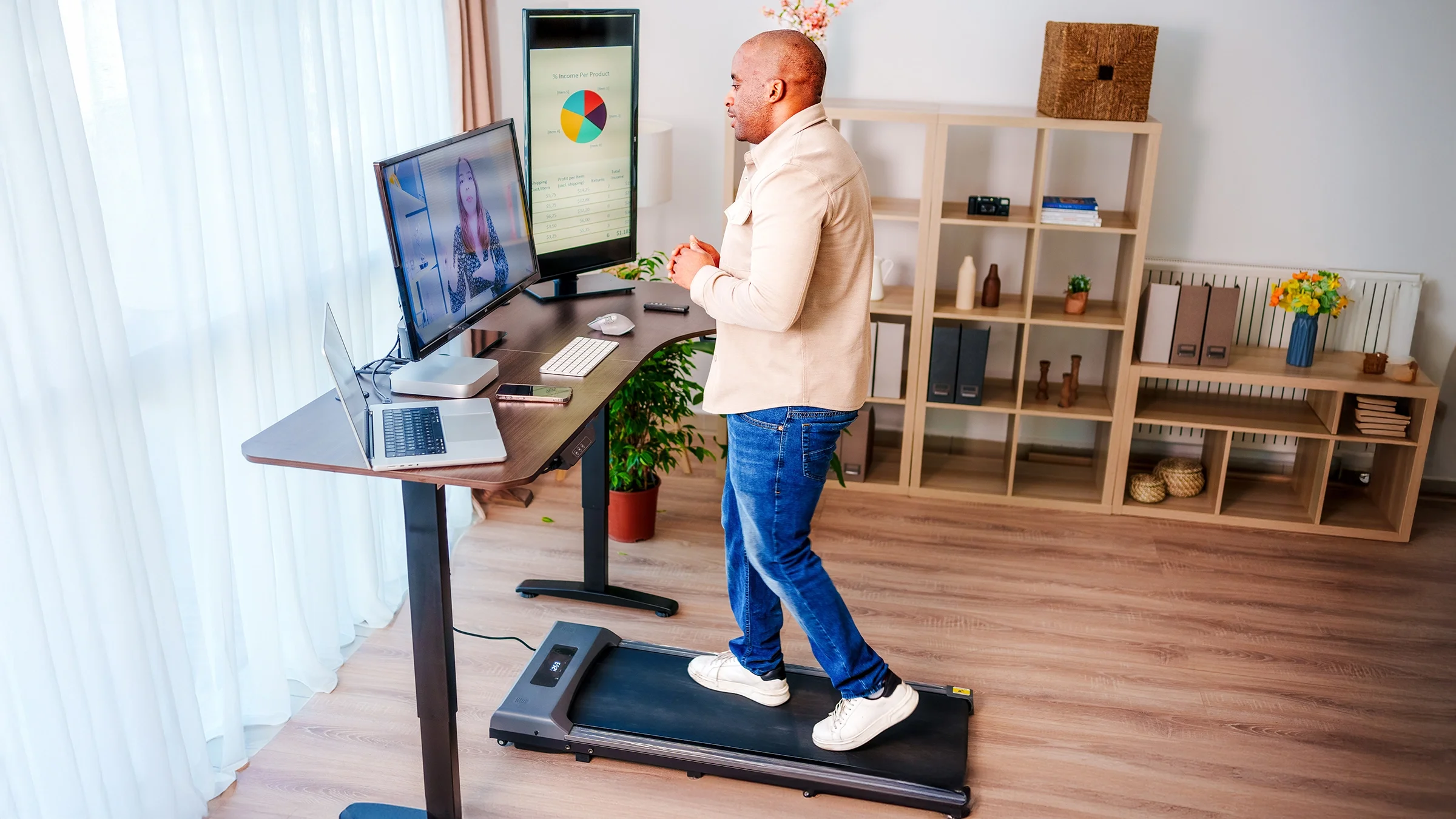
Walking pads take up less space than regular treadmills. They are slim and can fit under desks or sofas.
This makes them ideal for small rooms or apartments with limited space.
- Compact design saves room
- Easy to store when not in use
- Fits in tight areas like offices
Ease Of Use
Walking pads are simple to start and stop. You just step on and begin moving at your pace.
They often have fewer buttons and settings than treadmills, making them user-friendly for all ages.
- No complicated controls
- Works well for slow walking
- Good for beginners and seniors
Affordability
Walking pads usually cost less than traditional treadmills. This makes them a budget-friendly choice for home gyms.
They need less power and have fewer parts, which helps keep prices low.
- Lower upfront cost
- Lower electricity use
- Less maintenance needed
Drawbacks Of Walking Pads
Walking pads are popular for small spaces and light exercise. They offer a compact way to stay active at home.
Still, walking pads have some limits compared to treadmills. Understanding these helps you pick the right gear.
Limited Workout Intensity
Walking pads usually have lower speed settings. They are mainly made for walking, not running or intense workouts.
This limits your ability to do cardio or interval training at home. You may not burn as many calories quickly.
- Max speed often under 4 mph
- Not suitable for jogging or running
- Limited incline options for tougher workouts
Durability Concerns
Walking pads are smaller and lighter than treadmills. This can affect how long they last with regular use.
Parts may wear out faster because they are not built for heavy or long workouts. Repairs might be needed sooner.
- Less sturdy frame and belt
- Motors are less powerful
- Designed for light, short sessions
Restricted Features
Walking pads usually lack features found on full treadmills. This can reduce workout variety and tracking options.
Advanced screens, preset workouts, and safety handles are often missing. This makes some users feel less secure or motivated.
- No built-in workout programs
- Limited or no heart rate monitoring
- Few safety features like emergency stop buttons
Benefits Of Treadmills
Treadmills are popular machines in home gyms. They help people stay fit and active indoors.
They offer many features that suit different workout needs. This makes them useful for many users.
Variety Of Workout Options
Treadmills let users choose many workout styles. You can walk, jog, or run at different speeds.
Some treadmills include preset programs for intervals and endurance training. This adds more exercise variety.
- Walking for warm-up or cool-down
- Running for cardio and stamina
- Interval training for fat burning
- Custom speed and time settings
Higher Speed And Incline
Treadmills can reach higher speeds than walking pads. This helps with intense running workouts.
Most treadmills also offer adjustable incline levels. Incline adds challenge and targets different muscles.
- Speeds up to 12 miles per hour or more
- Incline angles up to 15% or higher
- Simulates uphill running for strength
- Improves cardiovascular fitness
Advanced Technology
Treadmills often come with built-in screens and apps. These tools track progress and keep users motivated.
Some models connect to heart rate monitors and fitness trackers. This helps users train safely and effectively.
- Touchscreen displays with workout data
- Bluetooth and Wi-Fi connectivity
- Heart rate and calorie tracking
- Integration with fitness apps
Downsides Of Treadmills
Treadmills are common in many home gyms. They let you walk or run indoors. But treadmills have some downsides that may not fit every home.
Understanding these downsides helps you decide if a treadmill is right for you. Some issues include size, price, and upkeep.
Bulk And Weight
Treadmills are often large and heavy. They take up a lot of space in a room. Moving them can be hard for one person.
This size can limit where you place the treadmill. It may block other equipment or reduce free space for workouts.
Higher Cost
Treadmills usually cost more than smaller equipment. The price can be high for a good quality machine. This may not fit all budgets.
Along with buying the treadmill, you pay for delivery and setup. These extra costs add up quickly.
Maintenance Needs
Treadmills need regular care to work well. Parts like belts and motors wear out over time. They need cleaning and occasional repairs.
Ignoring maintenance can cause the treadmill to break down. Repair costs can be expensive and inconvenient.
Choosing Based On Fitness Goals
Choosing between a walking pad and a treadmill depends on your fitness goals. Each device suits different types of workouts and needs.
Understanding your exercise routine helps you pick the right equipment for your home gym.
Casual Walking And Light Exercise
Walking pads are great for casual walking and light workouts. They fit well in small spaces and are easy to use.
You can use a walking pad while working or watching TV. It encourages more movement during the day.
- Compact and easy to store
- Good for low-speed walking
- Supports daily light exercise
Running And High-intensity Training
Treadmills are better for running and intense workouts. They offer higher speeds and more stability.
You need space and a strong machine for running or interval training. Treadmills provide features like incline and shock absorption.
- Supports fast running and sprints
- Includes incline options for variety
- Designed for high-impact use
Rehabilitation And Low Impact Workouts
Walking pads can be useful for rehab and gentle exercise. They allow controlled, slow movement without pressure on joints.
Treadmills with adjustable speeds also work well in rehab but may be less compact.
- Walking pads offer steady, low-speed walking
- Good for joint-friendly exercise
- Treadmills provide more speed control
Space And Budget Considerations
Choosing between a walking pad and a treadmill depends on your space and money. Both devices offer ways to exercise indoors.
Understanding the size and cost differences can help you decide which fits your home gym best.
Small Living Spaces
Walking pads are much smaller than treadmills. They fit easily under desks or sofas.
Treadmills need more room and often stay in one place. This can be a problem in small apartments.
- Walking pads fold flat for easy storage
- Treadmills require dedicated floor space
- Walking pads are light and easy to move
Budget Constraints
Walking pads usually cost less than treadmills. This makes them a good choice for tight budgets.
Treadmills can be expensive and may require extra costs for maintenance or repairs.
- Walking pads have lower upfront prices
- Treadmills often have higher maintenance costs
- Walking pads save money on electricity
Long-term Investment
Treadmills are built for intense workouts and last longer with proper care.
Walking pads are good for light exercise but may wear out faster over time.
- Treadmills support running and walking
- Walking pads are best for walking only
- Consider how often and hard you will use it

User Experience And Comfort
Choosing between a walking pad and a treadmill depends on how comfortable and easy they are to use. User experience plays a big role in daily exercise habits.
Comfort includes how the device feels during use and how simple the controls are. Safety features also add to the overall experience.
Surface Feel And Stability
Walking pads usually have a smaller surface than treadmills. This can affect comfort during longer workouts. The surface may feel firmer or less cushioned.
Treadmills often offer a wider, more stable base. This helps users feel steady while walking or running. Stability is key for safety and confidence.
- Walking pads have compact, less cushioned surfaces
- Treadmills provide wider, more stable decks
- Stability helps prevent slips and falls
User Interface And Controls
Walking pads often have simple controls. They may use remote controls or basic buttons for speed changes. This keeps use easy but limits options.
Treadmills usually have larger panels with more settings. Users can adjust speed, incline, and track workout data. This adds convenience and variety.
- Walking pads use minimal buttons or remotes
- Treadmills offer screens and multiple control options
- More controls allow tailored workouts
Safety Features
Both walking pads and treadmills include safety features. Walking pads may have automatic stop if you step off. This prevents accidents.
Treadmills often include emergency stop buttons and side rails. These help users stay safe during intense exercise or sudden stops.
- Walking pads may stop when user leaves the belt
- Treadmills have emergency stop buttons
- Side rails on treadmills offer extra support
Frequently Asked Questions
What Is A Walking Pad And How Does It Work?
A walking pad is a compact treadmill designed for walking, not running. It folds easily and fits under desks. It offers low-impact exercise, making it ideal for small spaces and light workouts at home.
Can A Walking Pad Provide Effective Cardio Exercise?
Yes, a walking pad offers moderate cardio benefits. It supports steady walking speeds but lacks high-speed running options. It’s perfect for light cardio, walking breaks, and improving overall activity levels indoors.
How Does A Walking Pad Compare To A Treadmill?
A walking pad is smaller, quieter, and more portable than a treadmill. It’s best for walking, while treadmills support running and incline training. Treadmills offer more features but take up more space and cost more.
Is A Walking Pad Suitable For Weight Loss Goals?
A walking pad can aid weight loss with consistent use. It burns calories through low-impact walking but may be slower than running. Combining it with diet and strength training improves weight loss results.
Conclusion
Choosing between a walking pad and a treadmill depends on personal needs. Walking pads save space and suit light workouts. Great for multitasking. Treadmills offer more intensity and features. Ideal for serious runners. Both options have their benefits. Consider your fitness goals and space availability.
Walking pads are budget-friendly and portable. Treadmills provide more robust workouts. Evaluate your lifestyle and preferences. Make a choice that fits your home gym. Enjoy staying active and healthy at home.
