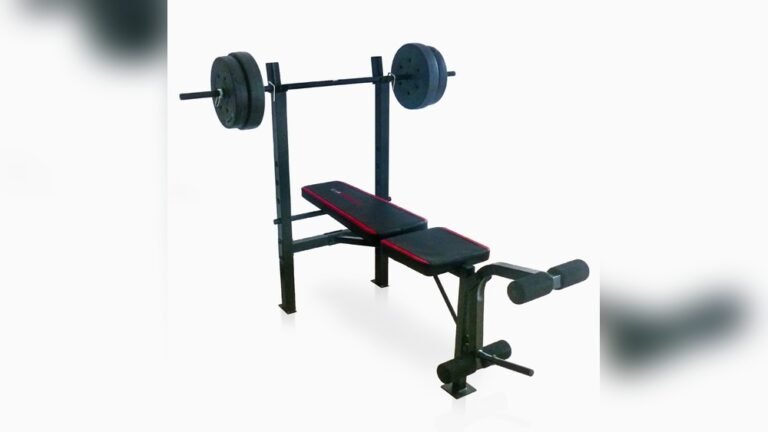
Are you wondering if a weight bench is really worth the investment? Whether you’re setting up a home gym or just looking to boost your workouts, choosing the right equipment can be tricky.
A weight bench promises more comfort, better form, and a wider range of exercises. But will it actually make a difference for your fitness goals? You’ll discover the real benefits—and drawbacks—so you can decide if a weight bench deserves a spot in your workout space.
Keep reading to find out how it can change the way you train and if it’s the right fit for you.
Benefits Of Weight Benches
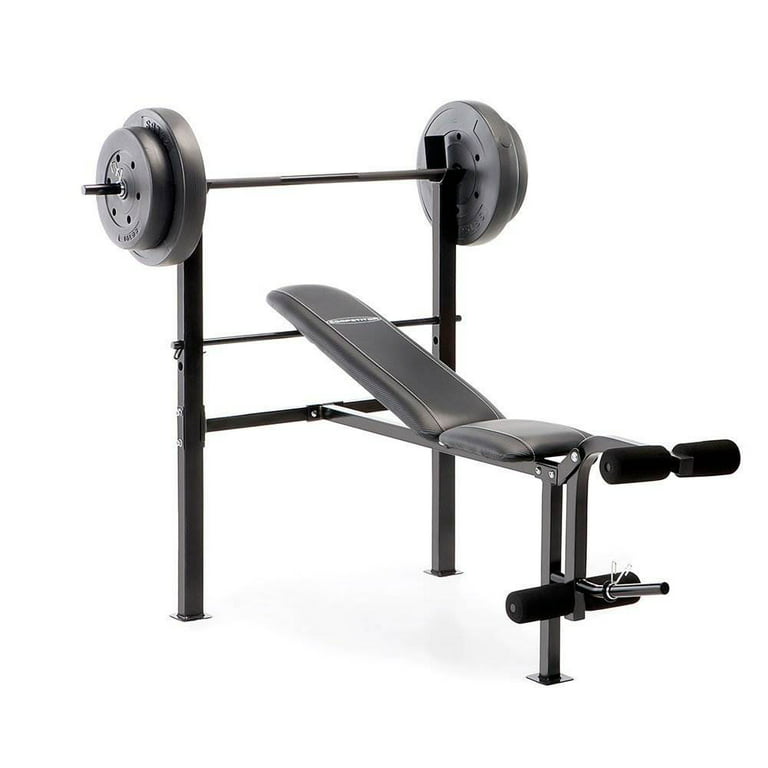
Weight benches offer many benefits for anyone wanting to improve their fitness routine. They help make workouts more effective and enjoyable. Using a weight bench can support a variety of exercises. It also helps maintain good form and safety during workouts. These benefits make weight benches a valuable tool for home gyms and fitness centers.
Improved Exercise Variety
A weight bench allows you to perform many different exercises. You can do presses, flyes, and rows with ease. It supports exercises for chest, back, arms, and shoulders. Changing the bench angle targets muscles differently. This variety helps avoid workout boredom. It also promotes balanced muscle development.
Enhanced Workout Efficiency
Using a weight bench helps you work out more efficiently. You can move quickly between exercises without resting on the floor. The bench provides stable support for heavy lifting. This lets you focus more on your workout and less on balancing. It saves time and boosts workout intensity.
Better Form And Safety
A weight bench promotes proper exercise form. It keeps your body stable during lifts. Proper form reduces the risk of injuries. The bench also supports your back and joints. This support allows safer lifting with heavier weights. You can train with confidence and protect your body.

Types Of Weight Benches
Weight benches come in different types. Each type serves a unique purpose. Choosing the right one depends on your workout style and space. Understanding the types helps decide which bench fits your needs best.
Flat Benches
Flat benches have a simple design. The surface remains horizontal and fixed. These benches work well for basic exercises like bench presses. They are sturdy and usually cost less. Great for beginners and small spaces.
Adjustable Benches
Adjustable benches offer more flexibility. You can change the angle to flat, incline, or decline. This allows more exercise options for chest, shoulders, and back. Adjustable benches suit users who want varied workouts. They take a bit more space than flat benches.
Folding Benches
Folding benches save space. They fold flat for easy storage after use. Ideal for small homes or apartments. These benches often have adjustable features too. They balance convenience with workout variety nicely.
Key Features To Consider
Choosing the right weight bench can change your workout experience. Not every bench fits every need. Knowing the key features helps make a smart choice. Focus on factors that affect safety, comfort, and effectiveness.
Build Quality And Durability
Strong materials make a bench last longer. Look for steel frames with good thickness. Welded joints add extra strength. Check if the bench feels stable when used. A durable bench supports heavy workouts without wobbling.
Weight Capacity
The bench must hold your weight plus any added weights. Each bench has a maximum weight limit. Pick one with a higher limit than you need. This ensures safety and prevents damage over time.
Adjustability And Comfort
Adjustable benches allow different workout positions. Incline, flat, and decline settings target various muscles. Look for easy adjustment mechanisms. Comfortable padding reduces pressure on your back and hips.
Size And Storage
Consider where you will use and store the bench. Compact benches fit smaller spaces better. Foldable benches save room when not in use. Measure your space before buying to avoid surprises.
Comparing Weight Benches To Alternatives
Choosing the right equipment for strength training matters. Weight benches are popular, but alternatives exist. Comparing these options helps you decide what fits your needs best. Each tool has benefits and limits. Understanding these can guide your workout choices.
Using Stability Balls
Stability balls improve balance and core strength. They offer a soft, unstable surface for exercises. This challenges muscles differently than a bench. You can do presses, flyes, and crunches on them. They are lightweight and easy to store. But, they lack back support for heavy lifts. Stability balls suit those who want core work plus strength.
Floor Exercises
Floor exercises require no extra tools. Push-ups, planks, and bridges build strength and endurance. They are simple and effective for many muscle groups. No cost and no space needed. Yet, some lifts need a bench for full range of motion. Floor exercises work well for beginners or home workouts. They help build a strong base before using weights.
Resistance Machines
Resistance machines guide your movements safely. They isolate muscles and reduce injury risk. Machines are easy to use for beginners. They help focus on specific muscles. But machines limit natural movement patterns. They don’t engage stabilizer muscles as much as free weights. Resistance machines fit those who want targeted training and support.
Maximizing Gains With A Weight Bench
A weight bench helps you get the most from your workouts. It offers support and stability for many exercises. Using a bench can target different muscles more effectively. This boosts strength and muscle growth over time. It also helps keep your form correct. A bench brings variety and challenge to your training. This makes workouts more interesting and productive.
Top Exercises To Try
Start with the classic bench press for chest strength. Try incline press to work the upper chest. Use dumbbells for flyes to stretch and build muscles. Perform seated shoulder presses to develop your shoulders. Add step-ups or Bulgarian split squats using the bench. Each exercise focuses on different muscle groups.
Creating Effective Workout Routines
Plan workouts that mix pushing and pulling movements. Include exercises for legs, chest, back, and shoulders. Use the bench to add variety and balance. Aim for 3 sets of 8 to 12 repetitions. Rest for about 60 seconds between sets. Change exercises every few weeks to avoid plateaus.
Combining With Other Equipment
Pair the bench with dumbbells for more freedom of movement. Use resistance bands for added tension and muscle activation. Add a barbell for heavy lifting and strength gains. Combine with a stability ball to work core muscles. Mixing equipment increases workout intensity and results. This variety keeps training fresh and effective.
Cost Vs. Value
Deciding if a weight bench is worth the cost depends on what you need and expect. The price varies widely, but so does the quality and features. Understanding the difference between cost and value helps make a better choice. Spending more might mean better durability and comfort. Spending less might suit simple workouts and tight budgets.
Budget-friendly Options
Budget-friendly weight benches offer basic features. They fit small spaces and light workouts well. These benches often fold for easy storage. Materials may be less durable but still safe for beginners. They help start strength training without a large cost. Perfect for casual users or those testing their interest.
Premium Models Benefits
Premium models come with sturdy frames and strong padding. They support heavier weights and intense workouts. Adjustable features allow various exercises and body positions. Extra stability improves safety during lifts. These benches last longer with frequent use. Ideal for serious lifters or home gyms with space.
Long-term Investment
Buying a quality weight bench saves money over time. Durable benches need fewer repairs or replacements. They provide consistent support for many exercises. Using a good bench improves workout comfort and results. It encourages regular exercise, boosting fitness goals. Think of the bench as a tool for lasting health benefits.
Common Mistakes To Avoid
Weight benches can help you get stronger and build muscle. Many people make mistakes that slow progress or cause injuries. Avoiding these errors makes your workouts safer and more effective.
Improper Setup
Setting up the bench wrong can cause discomfort or injury. Make sure it is stable and level before use. Adjust the bench to fit your body size and exercise type. A poor setup reduces your workout quality and risks accidents.
Neglecting Maintenance
Ignoring regular cleaning and checks can damage the bench. Tighten bolts and screws often to keep it sturdy. Wipe off sweat to prevent rust and wear. Good maintenance extends the bench’s life and keeps it safe.
Ignoring Safety Guidelines
Skipping safety rules leads to accidents and injuries. Use collars to hold weights firmly in place. Always have a spotter for heavy lifts. Follow the bench’s weight limit to avoid breaking it. Safety ensures your training stays injury-free.

Frequently Asked Questions
Are Weight Benches Essential For Home Workouts?
Weight benches provide stability and support during exercises. They enhance workout variety and target muscles effectively. While not mandatory, they improve exercise quality and safety at home.
How Do Weight Benches Improve Workout Efficiency?
Weight benches allow proper form and full range of motion. They help isolate muscles and reduce injury risk. This leads to more focused and efficient strength training sessions.
Can Weight Benches Accommodate Different Fitness Levels?
Yes, weight benches suit beginners to advanced users. Adjustable benches offer various incline and decline positions. This versatility supports progressive workouts and varied exercise routines.
Are Weight Benches Suitable For Small Home Gyms?
Compact and foldable models fit well in small spaces. They maximize workout options without large equipment. Weight benches are practical for efficient home gym setups.
Conclusion
Weight benches offer many benefits for home workouts. They help you do exercises safely and with better form. You can target different muscles using various bench positions. A good bench saves money on gym visits over time. Consider your space and budget before buying one.
Simple, sturdy benches work well for most people. Investing in a bench supports consistent exercise habits. It makes strength training easier and more effective. Think about your fitness goals to decide if a bench fits your needs. Overall, weight benches can be a useful tool for many fitness routines.
