
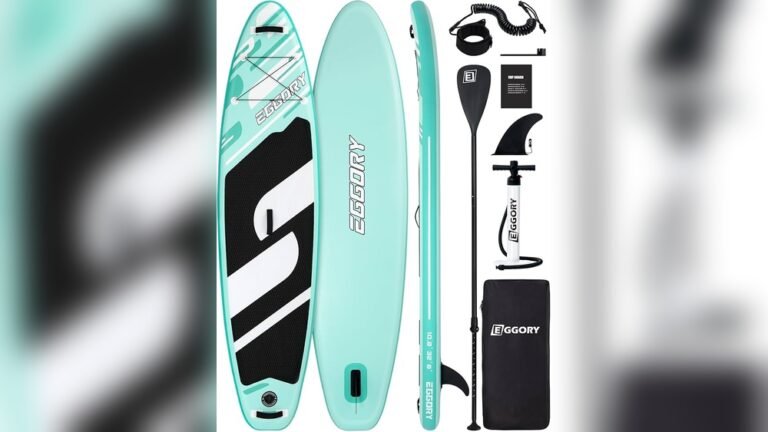
When you get ready for a day on the water with your paddle board, there’s one tool you can’t skip: the paddle board pump. Whether you use a manual or electric pump, it’s your ticket to getting your board firm and ready for adventure. But because paddle boarding is a water sport, people often wonder, “Are paddle board pumps waterproof?” The answer is not as straightforward as many hope. Understanding how waterproof (or not) your pump is can save you from equipment failure, wasted money, or even disappointment on the beach.
Let’s dive deep into what makes a paddle board pump waterproof or not, how different types compare, and what you must know to keep your gear working well. By the end, you’ll know exactly what to expect—and what to do—to protect your pump from water damage.
What Does “waterproof” Really Mean For Paddle Board Pumps?
First, it’s important to know what waterproof means in the context of paddle board pumps. A waterproof device is one that is fully protected against water—able to function even if submerged or splashed. However, many pumps are not fully waterproof but may be water-resistant. That means they can handle light splashes or brief contact with water but aren’t meant to be submerged or exposed for long periods.
Manufacturers often use terms like IP rating (Ingress Protection) to show how much dust and water protection a product has. For example, an IP67 rating means the device can be submerged in 1 meter of water for up to 30 minutes. However, most paddle board pumps do not have an official IP rating, especially manual ones.
Knowing this difference helps set realistic expectations and guides how you treat your pump near water.
Types Of Paddle Board Pumps And Their Water Resistance
Not all paddle board pumps are the same. There are two main types, and each handles water differently.
Manual Paddle Board Pumps
Manual pumps are usually the most common and reliable. They don’t have any electronics. Most are made from plastic or metal with rubber seals and hoses. While these materials do not absorb water, the pump itself is not designed to be submerged or soaked.
- Splash-proof: Manual pumps can handle the occasional splash.
- Not waterproof: Water can enter the air intake, hose, or moving parts, leading to rust or mold over time.
Electric Paddle Board Pumps
Electric pumps are more sensitive. They have motors, wires, and sometimes screens or digital controls.
- Water-resistant at best: Some high-end models have sealed cases or rubber gaskets.
- Vulnerable to water: Most are not waterproof. Even a small amount of water inside the case can cause short circuits or permanent damage.
Example: Popular Electric Pump Ratings
Here’s a quick look at how some popular electric paddle board pumps compare in terms of water protection.
| Model | IP Rating | Water Protection |
|---|---|---|
| OutdoorMaster Shark II | None | Minimal, not submersible |
| SereneLife SLPUMP25 | None | Minimal, not submersible |
| iRocker Electric Pump | IPX4 | Resistant to splashes |
As you can see, most electric pumps only offer basic splash resistance.

Key Parts Of A Paddle Board Pump And Water Risks
Each part of a paddle board pump reacts differently to water exposure. Here’s what you need to know:
Manual Pump Parts
- Cylinder & Piston: Usually made of plastic or metal. Metal can rust if water stays on it.
- Hose: Usually rubber or flexible plastic, which doesn’t absorb water but can trap moisture inside.
- Handle & Base: Often plastic or foam. Foam can soak up water and become moldy.
Electric Pump Parts
- Motor: Water on the motor can cause instant failure.
- Battery Compartment: If the battery gets wet, it may corrode or short-circuit.
- Screen/Buttons: Water can get trapped under buttons or screens, stopping them from working.
Table: How Water Affects Pump Components
| Pump Component | Manual Pump Risk | Electric Pump Risk |
|---|---|---|
| Cylinder | Rust (if metal) | N/A |
| Hose | Mold if not dried | Mold, possible short in electric hose connections |
| Handle/Base | Mold in foam | Mold, damage to controls |
| Motor/Battery | N/A | Short-circuit, permanent failure |
Do Any Paddle Board Pumps Claim To Be Waterproof?
While waterproof is a strong claim, a few electric pumps advertise a degree of water resistance. For example, the iRocker electric pump (with an IPX4 rating) can handle splashes from any direction, but you should never submerge it.
Manual pumps rarely claim to be waterproof. Instead, they are made from materials that can handle some water but should not be left sitting in puddles or dunked in the lake.
One common beginner mistake is to confuse “outdoor use” with “waterproof. ” Just because a pump is made for outdoor use does not mean it can handle heavy rain or falling into the water.
Why Aren’t Paddle Board Pumps Made Fully Waterproof?
You might wonder why manufacturers don’t just make all pumps waterproof. There are several reasons:
- Cost: Adding waterproofing to electric pumps (like sealed cases and special gaskets) increases the price.
- Weight and Size: Waterproof cases are bulkier and heavier—less attractive for people who want portable gear.
- Maintenance: Sealed pumps are harder to repair or maintain if something goes wrong inside.
- Demand: Most users keep pumps on dry land, so full waterproofing isn’t a priority.
Another non-obvious reason: Waterproofing can make it harder for heat to escape from the electric motor. Overheating is a bigger risk if a pump is sealed too tightly.
How To Keep Your Paddle Board Pump Safe From Water
To make your pump last longer, a little care goes a long way. Here’s what experienced paddle boarders recommend:
For Manual Pumps
- Keep it off wet sand: Place it on a towel or dry surface.
- Wipe it down: Dry off any splashes as soon as you finish pumping.
- Store it dry: Open the pump and let it air out at home to prevent mold.
For Electric Pumps
- Never submerge: Even splash-resistant models should stay away from puddles or shallow water.
- Use a dry bag: Carry your pump in a waterproof bag when walking to and from the water.
- Check before use: If the pump got wet, open the case (if possible) and let it dry fully before using.
Table: Practical Tips For Pump Care
| Tip | Manual Pump | Electric Pump |
|---|---|---|
| Keep off sand | Yes | Yes |
| Wipe after use | Yes | Yes |
| Store in dry bag | Optional | Recommended |
| Disassemble to dry | Yes | If possible |

What Happens If Your Pump Gets Wet?
If your manual pump gets a little wet, don’t worry. Just dry it off, and check for sand or dirt that may have stuck to it. However, if your electric pump gets wet:
- Unplug the pump immediately.
- Remove the battery (if possible).
- Open the case and let all parts dry for at least 24 hours.
- Do not try to turn it on until you’re sure it’s 100% dry.
Turning on a wet electric pump can cause a short circuit, making the pump unusable. If you’re unsure, get it checked by a professional before using again.
Real User Experiences: What Happens In The Field?
Many paddle boarders share stories of their pumps getting splashed by waves or caught in sudden rain. Most manual pumps survive with little trouble if dried quickly. However, in online forums, many users report that even a light rainstorm can damage electric pumps, especially if water gets inside the motor or battery compartment.
A less obvious tip from experienced users: Even if your pump “seems fine” after getting wet, hidden water can cause corrosion weeks later. Always check and dry thoroughly, even if the pump works after an accident.
Should You Buy A Waterproof Or Water-resistant Pump?
If you paddle in places where rain or splashes are common, it’s smart to pick an electric pump with at least IPX4 water resistance. For example, the iRocker pump offers more protection than most. If you travel often or launch from rocky, wet shores, a waterproof bag is also worth buying.
For most people, a manual pump is more forgiving. It’s simple, reliable, and less likely to fail from water exposure. But even the best manual pump should be kept as dry as possible.
If you want to compare features and protection levels, check reviews or look for pumps with clear IP ratings. This extra step can make your investment last longer.
Non-obvious Insights Most Beginners Miss
- Hoses and connectors are weak points. Even if the main pump body is water-resistant, water can enter through the hose or valve connection. Always check these after each use.
- Saltwater is more dangerous than fresh. Salt speeds up corrosion inside metal parts and electronics. If you paddle in the ocean, rinse your pump with fresh water and dry it thoroughly.
- Humidity inside the pump matters. Sometimes, even if your pump never gets splashed, humid air can cause mold or rust inside. Store your pump in a cool, dry place—not in your car trunk on a hot day.
- Warranty rarely covers water damage. Most manufacturers will not replace pumps damaged by water, even if the pump is supposed to be “splash-proof.”
Key Takeaways
- Most paddle board pumps are not fully waterproof—at best, they are splash-resistant.
- Manual pumps handle water exposure better than electric pumps but should still be kept as dry as possible.
- Electric pumps are more vulnerable. If you buy one, look for a model with an IP rating and always keep it away from direct water.
- Good habits—like drying your pump, storing it correctly, and using a dry bag—extend its life and save you money.
If you want to dive deeper into IP ratings and what they mean, check out this resource from the International Electrotechnical Commission.
Frequently Asked Questions
Are All Paddle Board Pumps Waterproof?
No, most paddle board pumps are not waterproof. Manual pumps are usually splash-resistant but not designed to be submerged. Electric pumps are even more sensitive and can be damaged by water unless they have a specific IP rating for water resistance.
Can I Use My Paddle Board Pump In The Rain?
You can use a manual pump in light rain, but always dry it afterward. Using an electric pump in the rain is risky unless it is rated for splash protection. Prolonged exposure to rain can damage both types over time.
What Should I Do If My Electric Pump Gets Wet?
Unplug the pump immediately, remove the battery if possible, and let all parts dry completely before using again. Do not turn it on while wet, as this can cause a short circuit or permanent damage.
How Do I Know If My Pump Is Water-resistant?
Check the manufacturer’s specifications for an IP rating (like IPX4 or IP67). If there is no rating listed, assume the pump is not water-resistant and treat it with care around water.
Is It Worth Buying A Waterproof Case For My Pump?
Yes, especially if you use an electric pump or paddle in wet or unpredictable weather. A waterproof case or dry bag can protect your pump from splashes, rain, and accidental drops in the water, helping it last much longer.
Paddle board pumps are a key part of your gear, but keeping them safe from water is mostly up to you. With smart habits and the right accessories, you can avoid costly mistakes and keep your adventures smooth and stress-free.
