
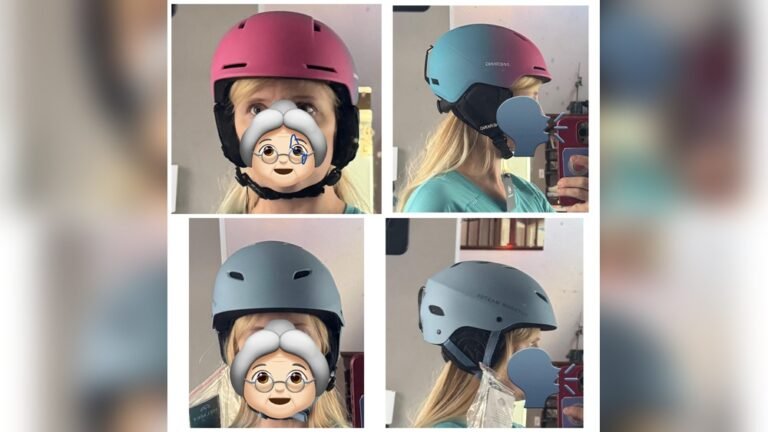
Skiing is a thrilling sport that attracts millions around the world each winter. The rush of speeding down a snowy mountain is hard to match. But with this excitement comes risk—falls, collisions, and changing weather all increase the chance of injury. One question that comes up for both beginners and experienced skiers is: Are helmets necessary for skiing? This is not just a simple yes or no issue. There are facts, opinions, and even some misunderstandings. If you want to ski safely and make the best choice for yourself or your family, it’s important to look at all sides of the helmet debate.
Understanding Skiing Risks
Skiing is safer than many think, but it is not risk-free. Common injuries include sprained knees, bruises, and even head injuries. The National Ski Areas Association (NSAA) reports that, on average, about 44.7 skiers or snowboarders die each year in the US, and many more are injured. Head injuries account for a significant portion of serious accidents.
There are a few main reasons why head injuries happen while skiing:
- High speeds: Skiers can travel as fast as 40-60 mph (65-100 kph) on open runs.
- Obstacles: Trees, rocks, and even other skiers are common on the slopes.
- Falls: Icy patches and uneven terrain make falls likely, especially for beginners.
- Weather: Fog, snow, and sun glare reduce visibility and increase accident risk.
While most injuries are minor, it’s the serious head injuries that raise concern.
What Do Helmets Do?
A ski helmet is designed to protect your head by absorbing impact energy. It is made from a hard outer shell and a padded inner liner. In a crash or fall, the helmet spreads the force across a larger area, reducing the direct impact on your skull.
Helmets do not make you “invincible.” They mainly protect against:
- Skull fractures
- Scalp wounds
- Some traumatic brain injuries
However, they cannot stop all injuries. For example, very high-speed impacts or collisions with large objects may still cause harm, even with a helmet.
Helmet Use: What The Data Shows
Let’s look at what studies and statistics say about helmets in skiing.
| Study/Source | Helmet Effectiveness | Notes |
|---|---|---|
| NSAA (2020) | Reduces head injury risk by 30-50% | Most effective for less severe injuries |
| Canadian Study (2010) | Up to 60% reduction in head injuries | Based on hospital data |
| WHO (2014) | Strong protective effect for children | Encourages helmet use for all ages |
From the data, helmets lower the chance of head injury by about one-third to one-half. They are not a “magic shield” but do make a big difference, especially in common falls and low-to-moderate speed accidents.
Changing Trends: Helmet Use On The Rise
Twenty years ago, helmets were rare on ski slopes. Today, they are almost the norm. The NSAA reports that in the 2022/23 season, 92% of all skiers and snowboarders wore helmets. Among children, the number is even higher.
Why The Change?
- Awareness: News stories about accidents have made people more aware of the risks.
- Better design: Modern helmets are lighter, warmer, and more comfortable.
- Rental options: Most ski resorts now offer helmet rentals.
- Rules and laws: Some countries and resorts require helmets for children.
There is also a cultural shift. Helmets are seen as smart, not “uncool. ” Pro athletes wear them, and so do most instructors.
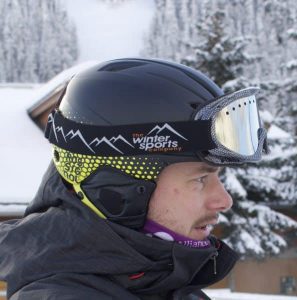
Pros Of Wearing A Ski Helmet
Wearing a helmet has clear benefits. Here are the most important:
- Reduces risk of head injury: The main reason for a helmet is protection. The data shows it works.
- Keeps you warm: Helmets are insulated and block wind better than a hat.
- Comfort and fit: Many helmets have adjustable liners and vents for comfort.
- Goggle compatibility: Modern helmets work well with ski goggles, stopping them from slipping.
- Peace of mind: Parents, in particular, feel better knowing kids have some protection.
A helmet is especially important for:
- Beginners, who fall more often
- Children, whose brains are still developing
- Skiers on busy slopes, where collisions are more likely
- Freestyle or terrain park skiers, who attempt jumps and tricks
Common Arguments Against Helmets
Some skiers are still not convinced. Here are the main arguments against helmets and the facts you should know.
“helmets Make People Take More Risks”
This idea is called risk compensation. Some believe that wearing a helmet makes skiers feel “safe,” so they ski faster or take more chances. However, research does not support this claim for most people. A large study found no major change in risky behavior after people started wearing helmets.
“helmets Don’t Stop All Injuries”
It’s true—helmets cannot stop every injury. They do not protect your neck or prevent all concussions. However, they greatly reduce the most severe head injuries, like skull fractures or brain bleeding. It’s better to lower your risk, even if the protection isn’t perfect.
“helmets Are Uncomfortable”
Modern helmets are designed for comfort. They have vents for airflow, soft padding, and are lightweight. Trying on several models helps you find one that fits well. For most, the warmth and comfort are a bonus compared to a hat.
“i’m A Good Skier, I Don’t Need One”
Skill doesn’t protect you from other people or surprise events. Even Olympic skiers wear helmets. Many accidents happen to experienced skiers, often from unexpected falls or another person’s mistake.

Do Ski Resorts Require Helmets?
Helmet rules vary by location. In many countries, there is no universal law about ski helmets for adults. However, more and more resorts and ski schools require helmets for children and youth. For example:
- Italy: Helmets are mandatory for skiers under age 18.
- Austria: Children must wear helmets in several regions.
- France and Switzerland: No national law, but many ski schools require helmets for kids.
Some resorts also make helmets mandatory for terrain parks or during lessons. Always check local rules before you go.
How To Choose A Good Ski Helmet
If you decide to wear a helmet, picking the right one is important. Here’s what matters most:
- Certification: Look for safety standards like CE EN1077 (Europe) or ASTM F2040 (USA). This means the helmet passed crash tests.
- Fit: The helmet should be snug but not tight. It should not move when you shake your head.
- Adjustable features: Many helmets have size dials, removable liners, or vents.
- Goggle compatibility: Try your helmet and goggles together.
- Weight: Lighter helmets are more comfortable for long days.
- Condition: Never use a helmet that has been in a crash. Replace old helmets every 3-5 years.
Price is not always a sign of safety. Even affordable helmets can offer excellent protection if they meet standards.
Comparing Helmet And No Helmet: Real-world Examples
Here are two common accident types, with and without helmets.
| Scenario | No Helmet | With Helmet |
|---|---|---|
| Beginner falls backward on ice | Possible skull fracture, concussion | Minor bump, bruising |
| Collision with another skier | High risk of head wound or brain injury | Lower risk, helmet absorbs some impact |
| Branch hits head off-trail | Deep cut, possible stitches | Helmet shell prevents most injuries |
These examples show that a helmet often turns a serious injury into a minor one.
Mistakes Beginners Make About Ski Helmets
Many beginners make the same errors. Avoid these to get the most from your helmet:
- Wearing it too loose: A helmet that slides around does not protect well.
- Using a bike helmet: Ski helmets are designed for cold and snow. Bike helmets are not a safe substitute.
- Not replacing after a crash: Helmets are single-use. Invisible cracks can weaken them after impact.
- Ignoring fit with goggles: If goggles don’t fit, they can fog up or fall off.
- Thinking it’s “just for kids”: Adults are at risk too. Helmets are for everyone.
The Impact On Children And Families
For children, helmet use is even more important. Kids’ heads are larger compared to their bodies, and their brains are still developing. Parents often worry about safety. The good news is, wearing a helmet reduces severe head injuries in children by over 50%, according to the World Health Organization.
Ski schools and family resorts now strongly encourage or require helmets for all young skiers. Some insurance policies even ask about helmet use in case of an accident. For families, setting a good example by wearing a helmet yourself helps children accept it as normal.
What Do Experts Say?
Medical experts, ski instructors, and rescue teams almost all agree: Helmets are a smart choice. The American Academy of Orthopaedic Surgeons, the NSAA, and many European ski associations recommend helmets for all ages.
However, they also stress that helmets are just one part of safety. Good technique, knowing your limits, and following the skier code are all just as important.
The Bottom Line: Are Helmets Necessary?
While helmets are not legally required everywhere, the evidence is clear. Helmets do not remove all risk, but they greatly reduce the chance of serious head injury. Most modern skiers wear them, and the number is still rising.
If you want to enjoy skiing for years to come, wearing a helmet is a simple, effective way to protect yourself. Whether you’re a beginner, an expert, or skiing with your family, a helmet is a wise investment—just like good boots or a warm jacket.
If you want to read more about ski safety research, visit the Ski Helmet Wikipedia page.
Frequently Asked Questions
Do Ski Helmets Prevent Concussions?
Ski helmets reduce the risk of some head injuries, but they cannot prevent all concussions. A helmet helps absorb some impact, but the brain can still move inside the skull during a crash.
How Often Should I Replace My Ski Helmet?
You should replace your ski helmet every 3-5 years, or immediately after any hard impact, even if you see no cracks. Materials can weaken over time, reducing protection.
Can I Use A Bike Helmet For Skiing?
No, bike helmets are not made for cold, snow, or ski impacts. Always use a helmet designed and certified for skiing or snowboarding.
Are Helmets Required For Skiing Everywhere?
Helmet rules vary. Many countries require helmets for children, but not always for adults. Check the rules at your ski resort before you go.
Is It True That Helmets Make People Take More Risks?
Most research shows that wearing a helmet does not make skiers act more dangerously. It simply adds a layer of protection in case of falls or collisions.
