
What makes a music boxing machine different from a traditional punching bag? At first glance, both look like tools for hitting and training. But if you look closer, the music boxing machine and the punching bag serve different purposes, attract different users, and even change the way you train or have fun. This article will walk you through every important difference, help you understand which is better for your needs, and even reveal a few details most people miss. Whether you’re a beginner in fitness, a parent considering a gift, or just curious, you’ll find clear answers here.
What Is A Music Boxing Machine?
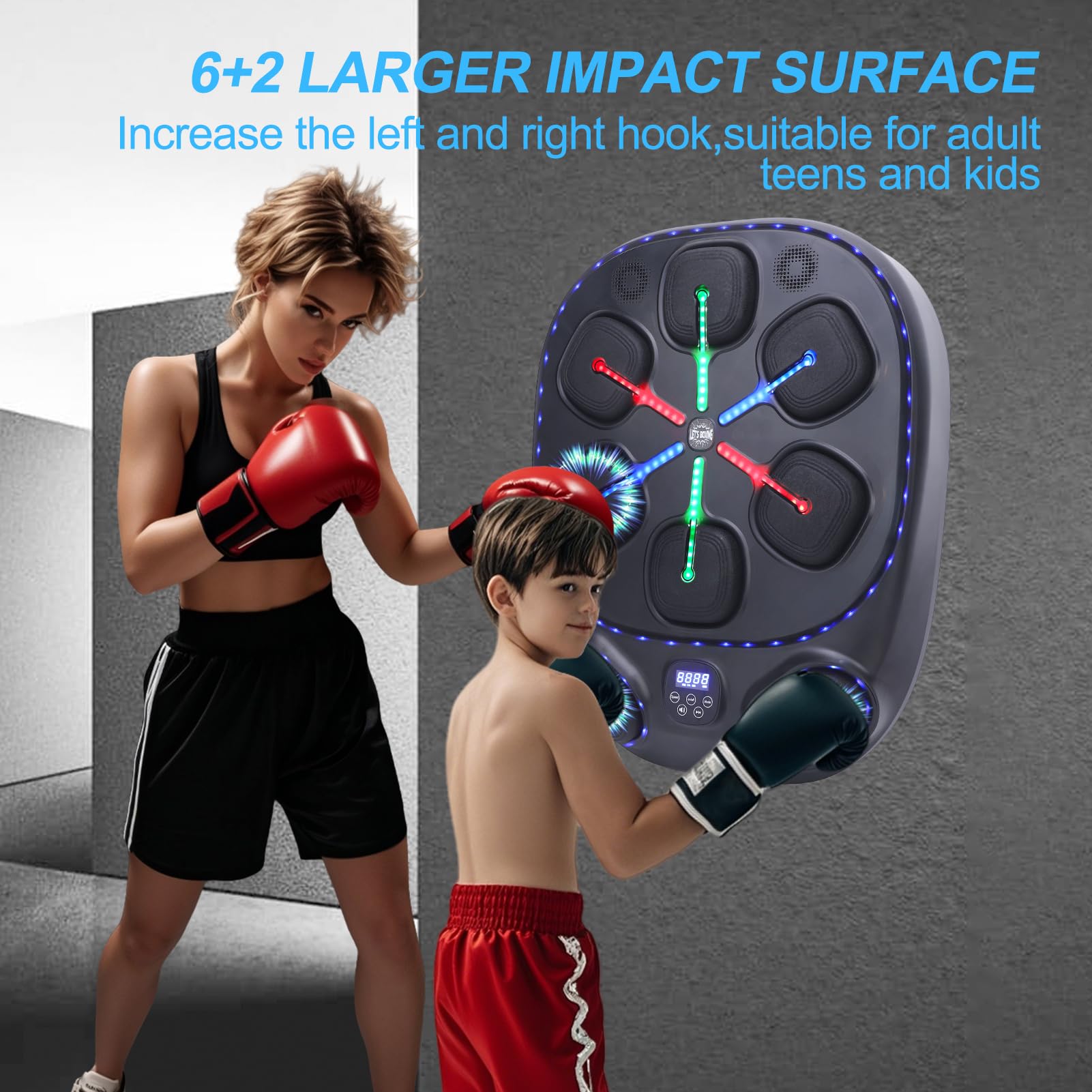
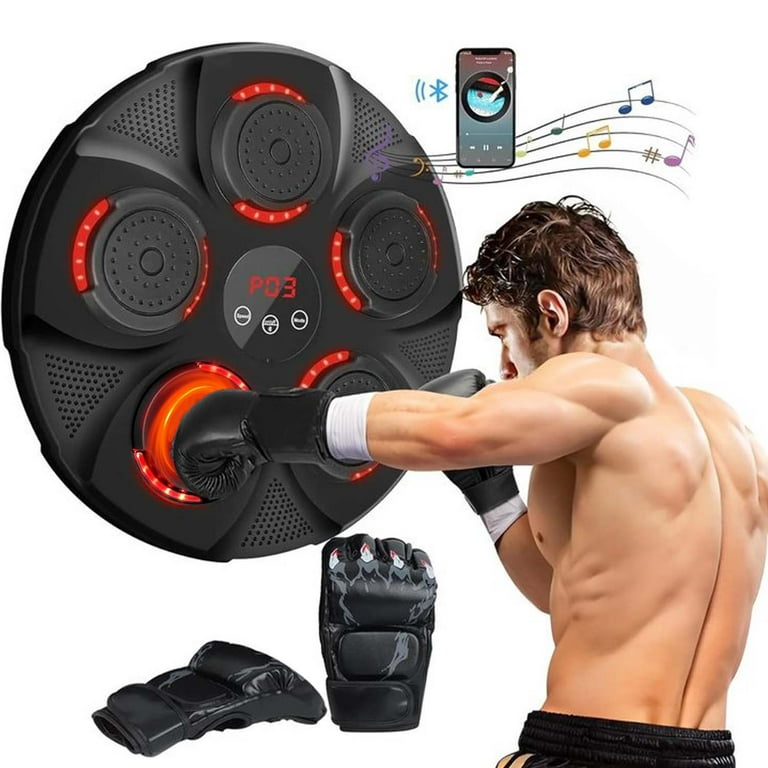
A music boxing machine is a modern training device that mixes rhythm games with physical activity. It usually has a panel with light-up targets, speakers for music, and sensors to detect your punches. The idea is simple: music plays, lights flash in patterns, and you punch the targets in time with the music. It’s part game, part workout.

Today's Exclusive Deals
Limited-time Exclusive Deals. Check current discount on Amazon.
Check Price on Amazon As an Amazon Associate I earn from qualifying purchases.Some machines have apps or screens that let you choose songs or track your score. Others connect to your phone via Bluetooth. The main goal is to make exercise more fun and interactive, especially for people who want excitement, not just sweat.
How Music Boxing Machines Work
When you start a session, the machine plays a song and lights up the targets in a sequence that matches the rhythm. You have to hit each target as it lights up. The sensors know if you hit the right spot at the right time.
The machine keeps score, tracks your accuracy, and sometimes even gives you feedback or lets you compete with friends.
Who Uses Music Boxing Machines?
- Kids and teens: The game-like experience attracts young people who get bored with normal exercise.
- Fitness beginners: Anyone who wants to try boxing in a fun, non-intimidating way.
- Home users: Compact size and quiet operation make it great for bedrooms or small apartments.
- Gyms and studios: Some fitness centers use them for group classes or to add variety.
Main Features
- Interactive lights and music
- Score tracking
- Multiple difficulty levels
- Soft, safe targets
- Compact size
What Is A Punching Bag?
A punching bag is a classic piece of fitness equipment used for boxing, martial arts, and general physical training. It’s usually a large, heavy bag made of leather or synthetic material, filled with sand, cloth, or water. You hang it from the ceiling or mount it on a stand. The main purpose is simple: you hit it to practice punches, kicks, and other strikes.
Punching bags come in many forms, from the heavy bag to the speed bag, double-end bag, and free-standing versions.
How Punching Bags Work
You use a punching bag by hitting it in different ways: jabs, hooks, uppercuts, or kicks. The resistance helps you build power, speed, endurance, and technique. Unlike the music boxing machine, there’s no music or lights—just you and the bag.
Who Uses Punching Bags?
- Boxers and martial artists: For serious technique and strength training.
- Fitness enthusiasts: To burn calories and release stress.
- Gyms and clubs: Almost every gym has at least one type of punching bag.
- Home users: Many set up a small gym at home with a bag for regular workouts.
Main Features
- Heavy, durable material
- Adjustable height or mounting
- Can handle strong punches and kicks
- No electronics or music
- Available in many sizes and weights
Key Differences At A Glance
Here’s a quick comparison to show the major differences between a music boxing machine and a punching bag:
| Feature | Music Boxing Machine | Punching Bag |
|---|---|---|
| Main Purpose | Fun, rhythm-based exercise | Traditional boxing/martial arts training |
| Interactivity | High (lights, music, scoring) | None |
| Skill Level | Beginner-friendly | All levels (especially advanced) |
| Impact Resistance | Low to moderate | High |
| Space Needed | Small | Medium to large |
| Noise | Low | Medium to high |
| Price Range | Moderate | Varies (low to high) |
Deep Dive: How They Improve Fitness
Both tools can help you get active, but they do it in different ways. Let’s look closer at what each device offers your body and mind.
Cardio And Endurance
Music boxing machines focus on fast, repeated punches in time with music. This keeps your heart rate up, making it a great cardio workout. Because you’re moving to a beat, you often keep going longer without getting bored.
Punching bags also give you a strong cardio workout, but you decide the pace. You can do fast intervals for high-intensity training or slower, powerful strikes for endurance. The bag’s weight adds resistance, making your muscles work harder.
Strength And Power
Punching bags win in this area. You can hit as hard as you like, and the bag’s mass gives you feedback. This builds real punching power and conditions your shoulders, arms, and core. You can also kick the bag, using your legs for a full-body workout.
Music boxing machines are not made for strong punches. The targets are usually soft and designed for quick taps, not heavy hits. You’ll build speed and coordination, but not much raw power.
Coordination And Rhythm
Here’s where music boxing machines shine. The lights and music force you to move in time, improving your hand-eye coordination and sense of rhythm. It’s like dancing combined with boxing. This can be a big help for beginners who struggle with timing.
Punching bags improve coordination too, but in a different way. You learn to aim, control your strikes, and move your feet, but there’s no musical rhythm to follow.
Skill Development
Punching bags help you practice real boxing or martial arts techniques. You can work on combinations, footwork, and defensive moves. Many trainers say that if you want to learn to fight or box, a heavy bag is essential.
Music boxing machines are less about fighting technique and more about general fitness and fun. You’ll get better at reacting quickly and following a pattern, but you won’t learn how to box for competition.
Safety Considerations
Safety is another area where these two tools are different.
Music Boxing Machine Safety
- Soft targets reduce the risk of injury
- Lower impact means less strain on joints
- Good for children and older adults
One detail beginners often miss: Even though it’s safer, you can still hurt your hands if you punch too hard or miss the target. It’s smart to use light gloves and keep your wrists straight.
Punching Bag Safety
- High impact can hurt wrists, knuckles, or shoulders if you use poor technique
- You must use proper boxing gloves and wraps
- Not recommended for small children without supervision
Many people make the mistake of hitting the bag too hard or with bad form. This can cause injuries over time. If you’re new, always learn the basics first and start slow.
Setup And Space Requirements
Choosing between these two often comes down to space and installation.
Music Boxing Machine Setup
- Small and lightweight—many models can be mounted on a wall or set on a table
- Needs only a power outlet (some use batteries)
- Very quiet, so good for apartments or bedrooms
- Can be moved easily
Punching Bag Setup
- Heavy bags need strong ceiling mounts or stands
- Requires more floor space, especially if you want to move around the bag
- Can be noisy, especially with heavy punches
- Harder to move once installed
Not everyone realizes how important the setup is. Many buyers forget to check their ceiling strength or floor space, leading to problems later.
Cost And Value
There’s a wide range in both categories, but here’s a general idea of what you might pay:
| Device | Typical Price Range (USD) | What’s Included |
|---|---|---|
| Music Boxing Machine | $80 – $350 | Main device, power cable, sometimes a basic app |
| Punching Bag | $40 – $400+ | Bag only (you may need gloves, wraps, mount/stand) |
Don’t forget: With a punching bag, you may need to buy extra gear like gloves, hand wraps, and a mount or stand. The music boxing machine is usually ready to go out of the box, but advanced models with screens or Bluetooth can cost more.
Which One Is Better For You?
Choosing between a music boxing machine and a punching bag depends on what you want.
Choose A Music Boxing Machine If:
- You want a fun, game-like way to exercise
- You need a compact and quiet device for home
- You’re a beginner, child, or want something safe
- You love music and rhythm-based activities
- You want to track your progress with scores
Choose A Punching Bag If:
- You want to learn real boxing or martial arts skills
- You need to build power, strength, and endurance
- You don’t mind noise and have enough space
- You’re serious about fitness or competition
- You want a tool that lasts for years
One non-obvious insight: If you’re recovering from an injury or have joint problems, the music boxing machine may be safer because of the lower impact.
Another detail many people miss: Punching bags can also help with stress relief in ways a rhythm game cannot. There’s something unique about hitting a heavy bag hard after a tough day.
Durability And Maintenance
How long will your equipment last? And how much care does it need?
Music Boxing Machines
- Electronic parts can wear out over time, especially if hit hard
- Most models are designed for light use—don’t use full-force punches
- Wipe down surfaces to keep clean
- Replace batteries or fix wiring if needed
Punching Bags
- High-quality bags can last for years, even in gyms
- May need to refill or adjust filling after long use
- Leather bags need occasional conditioning
- Check mounts or stands regularly for safety
A music boxing machine is easier to maintain, but a well-made punching bag is usually more durable in the long run.
Social And Group Use
Another difference is how people use these tools in groups.
Music boxing machines are great for parties or family fun. Kids and adults can compete for high scores or take turns with different songs. Some machines let you connect with friends online.
Punching bags are usually used alone, although group classes in gyms may have everyone working on their own bag. There’s less “game” aspect, but more focus on training and discipline.

Real-life Examples
Let’s look at how people use both devices in real life.
- Music boxing machine: Sarah, a 12-year-old, uses her machine for 20 minutes every day. She loves competing with her brother for the best score on her favorite pop songs. Their parents like that it keeps them active indoors, especially during cold weather.
- Punching bag: Mark, a 35-year-old office worker, installed a heavy bag in his garage. He uses it after work to practice boxing combinations and relieve stress. After six months, he’s lost 15 pounds and feels more confident.
Common Mistakes When Choosing
Many first-time buyers make these errors:
- Ignoring space needs: Buying a punching bag without checking if there’s enough room for movement.
- Overestimating strength: Hitting a music boxing machine too hard and breaking it.
- Skipping safety gear: Using a punching bag without gloves and wraps, leading to injuries.
- Choosing based on price alone: Buying the cheapest option and getting poor quality.
- Not considering goals: Picking a punching bag for fun, then finding it’s too intense, or picking a music boxing machine and wanting real fight training.
Which One Burns More Calories?
Both tools can burn serious calories, but it depends on your effort.
- Music boxing machine: Up to 300–400 calories per hour for moderate intensity, similar to a dance workout.
- Punching bag: 400–600 calories per hour for a strong session, especially if you use the whole body.
Remember, you get out what you put in. If you push yourself with either tool, you’ll see results.
How To Decide: Quick Reference
Here’s a quick table to help you choose:
| Goal | Best Choice | Why |
|---|---|---|
| Fun, interactive exercise | Music Boxing Machine | Lights, music, scoring make it engaging |
| Building real boxing skills | Punching Bag | Lets you practice real techniques |
| Safe for kids | Music Boxing Machine | Softer, lower impact |
| Stress relief | Punching Bag | Heavy hits release tension |
| Limited space | Music Boxing Machine | Small, easy to move |
Trends And Future Developments
The fitness world is always changing. Music boxing machines are becoming more advanced, with better sensors, online leaderboards, and even VR (virtual reality) options. They’re especially popular in Asia and among young people.
Punching bags are also evolving, with smart sensors that track your punches, speed, and power. Some high-end bags connect to apps to help you train more scientifically. But the basic idea—a strong bag you can hit—has stayed the same for over 100 years.
To learn more about the history of boxing training tools, you can visit the Wikipedia page on punching bags.
Frequently Asked Questions
What Is The Main Difference Between A Music Boxing Machine And A Punching Bag?
The main difference is that a music boxing machine combines rhythm, music, and light-up targets for interactive exercise, while a punching bag is a heavy, simple tool for practicing real boxing or martial arts techniques. The music boxing machine is more about fun and timing; the punching bag is about power and skill.
Can You Learn Real Boxing With A Music Boxing Machine?
No, a music boxing machine helps with rhythm, speed, and general fitness, but it does not teach real boxing technique. If you want to compete or train seriously, you need a punching bag or a coach.
Is A Music Boxing Machine Safe For Children?
Yes, most music boxing machines are designed to be safe for children, with soft targets and lower impact. Still, it’s best to supervise young kids and teach them proper hand position to avoid injuries.
Which Burns More Calories: Music Boxing Machine Or Punching Bag?
A punching bag usually burns more calories because you can use your whole body and hit harder. However, a music boxing machine can also give you a strong workout if you keep up a fast pace.
Do I Need Gloves For A Music Boxing Machine?
Gloves are not always required, but using light gloves can protect your hands from repeated impact. For punching bags, proper boxing gloves and wraps are essential for safety.
Both the music boxing machine and the punching bag have a place in modern fitness. The best choice depends on your goals, space, budget, and the type of workout you enjoy. By understanding the real differences—and avoiding common mistakes—you can pick the tool that fits your lifestyle and keeps you moving for years to come.

