
If you’ve ever watched a video of people punching glowing pads in time with music, you’ve seen a music boxing machine in action. These devices are popping up in gyms, arcades, and even people’s homes. They promise a fun, energetic way to exercise—combining rhythm, movement, and a touch of competition. But the real question is: Is a music boxing machine good for cardio workouts? In this article, we’ll break down the science, the benefits, and the limitations so you can decide if this fast-growing fitness trend is worth your time.
What Is A Music Boxing Machine?
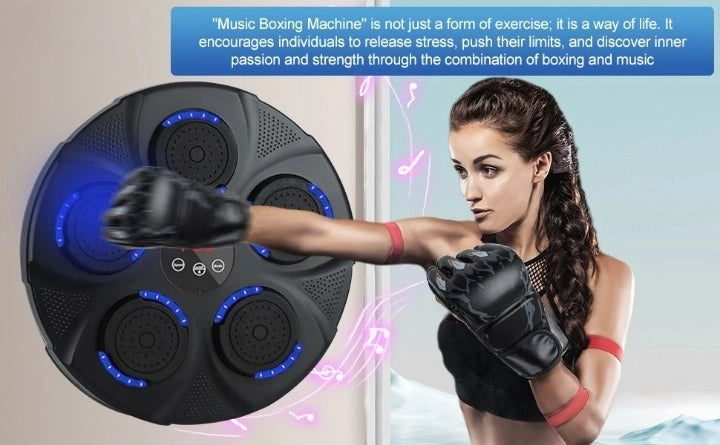
A music boxing machine is an interactive device with a set of illuminated pads or targets. The pads light up in rhythm with music, and your job is to hit them quickly and accurately. The machine tracks your score, speed, and timing. Some models come with screens that show real-time feedback, leaderboards, or even virtual trainers. People use them for both exercise and entertainment.

Today's Exclusive Deals
Limited-time Exclusive Deals. Check current discount on Amazon.
Check Price on Amazon As an Amazon Associate I earn from qualifying purchases.You might have seen these machines under different names, such as “Rhythm Boxing,” “Boxing Arcade,” or “Punch Beat Machine. ” They are especially popular in Asia and are spreading globally.
How Does A Music Boxing Machine Work?
When you start a session, the machine selects a song or routine. As the music plays, the pads light up. You punch the lit pads in time with the beat. The sequence may involve various movements:
- Jabs (straight punches)
- Hooks (side punches)
- Uppercuts (upward punches)
- Cross punches
- Combinations (sequences of different punches)
More advanced machines add squats, steps, or footwork to increase the challenge. The speed and intensity can be adjusted based on your fitness level or training goals.
Some machines connect to apps, allowing you to track progress, compete with friends, or access new routines.
The Cardio Challenge: What Makes Cardio Exercise Effective?
Before we look at the music boxing machine, let’s clarify what makes a workout effective for cardio. Cardio (or aerobic exercise) means any activity that raises your heart rate and keeps it elevated for a period of time. Effective cardio:
- Boosts heart and lung function
- Burns calories
- Improves stamina
- Lowers blood pressure
- Reduces the risk of heart disease and diabetes
Common forms include running, cycling, jump rope, and swimming. The American Heart Association recommends at least 150 minutes of moderate-intensity cardio or 75 minutes of vigorous cardio per week for adults.
To count as cardio, an exercise should make you breathe faster, sweat, and feel your heart working. It should be possible to keep going for several minutes without stopping.
Music Boxing Machine Vs. Traditional Cardio
Is punching glowing pads as effective as a jog or bike ride? Let’s look at how a music boxing machine stacks up against classic cardio workouts.
| Feature | Music Boxing Machine | Traditional Cardio (e.g., Running) |
|---|---|---|
| Intensity | Moderate to High (varies by routine) | Moderate to High (easily adjusted) |
| Calorie Burn | 300–600 kcal/hour* | 400–700 kcal/hour |
| Full-Body Engagement | Yes (upper and lower body in advanced routines) | Depends (running = mostly lower body) |
| Impact on Joints | Low to Moderate | Moderate to High (especially running) |
| Fun Factor | Very High | Varies by person |
| Learning Curve | Beginner-friendly | Beginner-friendly |
*Actual calorie burn depends on intensity, body weight, and routine length.
The Science: Does Music Boxing Deliver Cardio Benefits?
Research on music boxing machines is still new, but studies on similar activities—like aerobic boxing, kickboxing, and dance-based video games—offer useful clues.
- Heart Rate: In a 2021 study, participants using a music boxing machine reached heart rates in the 70–85% of maximum range. This is in the “moderate to vigorous” cardio zone.
- Oxygen Use: Activities like rhythm boxing use about 6–8 METs (Metabolic Equivalent Tasks), which is similar to a fast walk or slow jog.
- Calorie Burn: A 150-pound person can burn about 350–500 calories per hour with moderate-intensity music boxing. Advanced routines with more movement can push this higher.
Most importantly, users reported greater enjoyment compared to standard cardio. Enjoyment increases the chance you’ll stick with a workout. Consistency is key for real cardio benefits.
Unique Benefits Of A Music Boxing Machine
1. Fun And Engagement
The biggest advantage is enjoyment. The mix of music, lights, and instant feedback turns exercise into a game. People who dislike treadmills often find music boxing more exciting.
2. Full-body Movement
Advanced routines work both upper and lower body. You punch, step, squat, and twist. This means more muscles are involved, which is great for calorie burn and coordination.
3. Low To Moderate Impact
Unlike running, there’s little joint pounding. Most punches are done standing up, and you can control the force. This makes music boxing suitable for people with mild joint issues.
4. Real-time Feedback
Instant scoring and progress tracking help you push harder. Competing with others or chasing your best score can boost motivation.
5. Improved Coordination And Reflexes
You’re not just moving—you’re reacting to lights and music. This improves hand-eye coordination, timing, and even reaction speed.
Limitations: Where Music Boxing Machines Fall Short
1. Limited Resistance Training
Music boxing is mostly cardio. It doesn’t replace heavy weight lifting or resistance workouts. While you’ll tone your arms and shoulders, you won’t build much muscle mass.
2. Variable Intensity
Some routines are too easy, especially at lower levels. If you want maximum cardio benefit, you need to choose high-intensity sessions or add extra movement (like squats or fast footwork).
3. Space And Cost
A good music boxing machine can be expensive. It also needs space to set up safely, especially for wide movements.
4. Not A Pure Boxing Workout
It’s not the same as training with a real bag or coach. The technique is simplified. If you want to learn real boxing skills, this is a fun supplement, not a substitute.
5. Limited Lower Body Involvement In Basic Routines
Some beginner routines focus mostly on punching. For full-body cardio, pick sessions that include steps, squats, or kicks.
Who Should Try A Music Boxing Machine?
This type of workout is a great fit for:
- People who get bored with traditional cardio
- Beginners looking for easy-to-learn routines
- Anyone who wants a low-impact, full-body workout
- Families (machines often have kid-friendly options)
- Those who like rhythm games or music-based activities
It may not be ideal for:
- Serious athletes needing high-intensity interval training (HIIT)
- People wanting to build large muscles
- Those with severe upper body injuries

How To Get The Most Cardio Benefit From A Music Boxing Machine
To make the workout truly effective, keep these tips in mind:
- Choose the right routine: Pick high-intensity or advanced sessions. Look for ones that include fast punch combinations and lower body moves.
- Keep rest breaks short: Limit pauses to keep your heart rate up.
- Use full range of motion: Don’t just tap the pads—throw real punches using your shoulders and core.
- Add footwork: Step, shuffle, or squat between punches. This boosts intensity and calorie burn.
- Track your progress: Aim to improve your score, speed, or endurance each week.
Example: 30-minute Cardio Session With A Music Boxing Machine
Here’s what a typical session might look like:
- Warm-up (5 minutes): Slow punches, arm circles, stepping in place
- Main workout (20 minutes): 4–5 songs, each with increasing speed and complexity. Include routines with squats, side steps, and fast punch combinations.
- Cool-down (5 minutes): Gentle punches, deep breathing, light stretching
You’ll likely burn 200–350 calories in 30 minutes, depending on your effort and body weight.
Comparison: Music Boxing Machine Vs. Other Cardio Machines
Let’s compare the music boxing machine to some common cardio equipment.
| Cardio Equipment | Calories Burned (30 min)* | Impact Level | Fun/Engagement | Coordination Needed |
|---|---|---|---|---|
| Music Boxing Machine | 200–350 | Low to Moderate | High | Medium to High |
| Treadmill (Jog) | 250–400 | Moderate to High | Low to Medium | Low |
| Elliptical | 200–300 | Low | Medium | Low |
| Stationary Bike | 200–300 | Low | Low to Medium | Low |
calories Burned By A 150-pound Person At Moderate Intensity.
Real-world User Experiences
Case 1: The Cardio Skeptic
Sara, 35, hated running but wanted to lose weight. She tried a music boxing machine at her gym. “I barely noticed the time passing. After 20 minutes I was sweating and out of breath, but I was smiling,” she said.
After two months, she lost 8 pounds and reported better stamina.
Case 2: The Family Workout
Mike, a father of two, bought a home music boxing machine. The whole family joined in. “My kids compete for high scores, and my wife and I use it for evening workouts. It’s the first time we’ve all enjoyed the same exercise.
”
Case 3: The Athlete
Jon, a semi-pro boxer, used the machine for cross-training. “It’s not a replacement for real sparring, but the rhythm and reaction training help my hand speed and cardio,” he noted.
Common Mistakes Beginners Make
- Only using arms: Good form means using your core and shoulders, not just your forearms.
- Standing still: Add steps or squats to involve your whole body.
- Ignoring intensity: If you don’t push the pace, you won’t get much cardio benefit.
- Skipping warm-up/cool-down: This raises injury risk and slows recovery.
- Choosing easy routines: Challenge yourself as you improve.
How To Choose The Right Music Boxing Machine
If you’re thinking of buying one for home use, consider these factors:
- Pad layout and responsiveness: Are the pads easy to reach? Do they respond quickly to hits?
- Music selection and variety: More song choices keep things interesting.
- Routine difficulty levels: Look for machines with adjustable intensity.
- Space requirements: Measure your workout area before buying.
- Connectivity: Some machines sync with apps for tracking and competition.
- Build quality: Sturdy machines last longer and feel better to use.
- Price: Home units range from $200 for basic models to over $1,000 for advanced versions.

Making It Part Of Your Cardio Plan
For the best results, combine music boxing workouts with other forms of exercise. Aim for variety—mix in activities like walking, cycling, or swimming. A balanced plan might look like:
- 2–3 sessions per week on the music boxing machine (20–40 minutes each)
- 1–2 sessions of another cardio (walking, biking)
- 2 strength training sessions (bodyweight or weights)
- 1 rest day
This approach keeps things fresh and reduces the risk of overuse injuries.
Are There Any Risks?
Music boxing is generally safe, but here are a few things to watch out for:
- Wrist and shoulder strain: Use proper punching technique. Don’t lock your elbows or overextend.
- Overuse injuries: Vary routines and take rest days.
- Slips or trips: Keep your area clear and wear non-slip shoes.
If you have a medical condition or joint issues, talk to a doctor before starting any new workout.
Non-obvious Insights For Beginners
- Rhythm matters: Following the beat not only makes the workout more fun, but also improves your coordination. Try not to rush ahead or lag behind the cues.
- Progress is not just speed: Increasing your accuracy and power over time is just as important as hitting more pads. Focus on both for the best results.
A third insight: Recovery is crucial. Because the workout feels like a game, people sometimes skip cool-downs or stretches. Proper recovery helps prevent soreness and keeps you coming back.
The Bottom Line
A music boxing machine can be an effective, enjoyable way to get your cardio. It raises your heart rate, burns calories, and works multiple muscle groups. The fun factor makes it easier to stick to regular exercise—often the biggest challenge in fitness.
It’s not a replacement for all forms of cardio or strength training, but it is a powerful tool, especially for people who struggle with motivation or want something new. If you pick challenging routines, use good form, and mix it with other workouts, you’ll see real cardiovascular benefits.
For more on the science of cardio and exercise, you can check out this Verywell Fit guide to aerobic exercise.
Frequently Asked Questions
What Muscles Does A Music Boxing Machine Work?
It mainly targets the shoulders, arms, chest, and core muscles. Advanced routines also involve the legs and glutes if you add steps or squats. While it tones your upper body, it’s not designed for heavy muscle building.
How Many Calories Can I Burn In A Session?
A 30-minute session can burn 200–350 calories, depending on your weight, intensity, and routine complexity. More active, full-body routines burn more. Consistency matters more than one intense session.
Is A Music Boxing Machine Safe For Beginners?
Yes, most machines offer beginner routines with slower speeds. Start with these to learn the basic moves and avoid injury. Always warm up before and stretch after your workout.
Can Children Use A Music Boxing Machine?
Many machines have kid-friendly settings and routines. It’s a safe, fun way for children to be active, but adult supervision is recommended, especially for younger kids.
Is It Better Than A Treadmill Or Bike For Cardio?
It depends on your goals. If you want a fun, engaging, full-body workout, music boxing is a great choice. If you prefer simple, steady-state cardio or have lower body limitations, a treadmill or bike may be better. The best workout is the one you’ll stick with long-term.

