
Music boxing machines are becoming popular in gyms, arcades, and homes. They mix rhythm, exercise, and gaming. These machines let people punch pads in time with music and lights. But if you’re thinking about buying or using one, there’s a practical question: Do music boxing machines need electricity or batteries? Understanding how these machines are powered can help you choose the right model, save money, and avoid surprises. Let’s explore how music boxing machines work, their power needs, and what matters most for users and buyers.
What Are Music Boxing Machines?
Music boxing machines combine physical exercise with interactive entertainment. Players hit pads or sensors, usually guided by lights and music. The goal is to match the rhythm and score points. These machines are found in places like:

Today's Exclusive Deals
Limited-time Exclusive Deals. Check current discount on Amazon.
Check Price on Amazon As an Amazon Associate I earn from qualifying purchases.- Gyms
- Arcades
- Fitness studios
- Home gyms
Most machines have a digital display, speakers, sensors, and sometimes moving lights or graphics. The experience is fun and energetic. Some models offer adjustable difficulty levels, multiplayer modes, and even online leaderboards.
How Music Boxing Machines Work
A typical music boxing machine includes several main parts:
- Pad or sensor area: Where you punch or tap
- Display screen: Shows scores, combos, and instructions
- Speakers: Play music and sound effects
- LED lights: Guide you or add visual excitement
- Control panel: Lets you choose songs, difficulty, and modes
When you start, the machine plays music. Lights guide your punches. Sensors detect your hits and score your performance. Some machines connect to apps or online features. All these parts need power to function. That’s why understanding their electricity or battery needs is essential.
Types Of Music Boxing Machines
There are several kinds of music boxing machines. Their power needs depend on their design and features.
Commercial Machines
Large music boxing machines in gyms or arcades are usually commercial grade. These are heavy, durable, and packed with features like:
- High-quality speakers
- Large LED displays
- Multiple sensors
- Advanced software
They often require constant power from a wall outlet. Some can use backup batteries for short periods, but electricity is their main source.
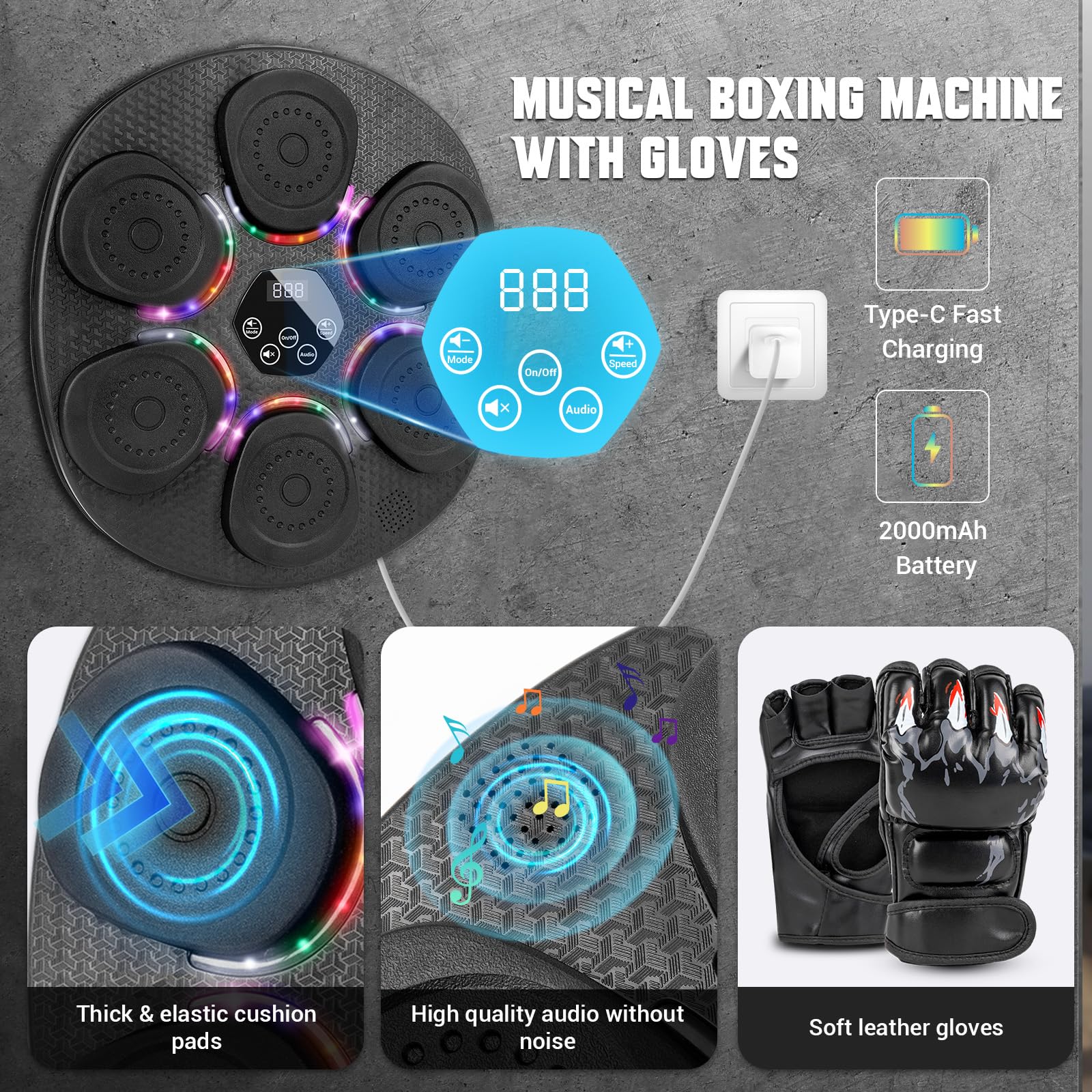
Home And Portable Machines
Smaller machines for home use are designed for easy setup and mobility. Many are portable and lighter. They may:
- Use smaller speakers
- Have fewer lights and sensors
- Offer basic displays
These machines often run on batteries or have dual options (battery and plug-in). Some even support USB charging.
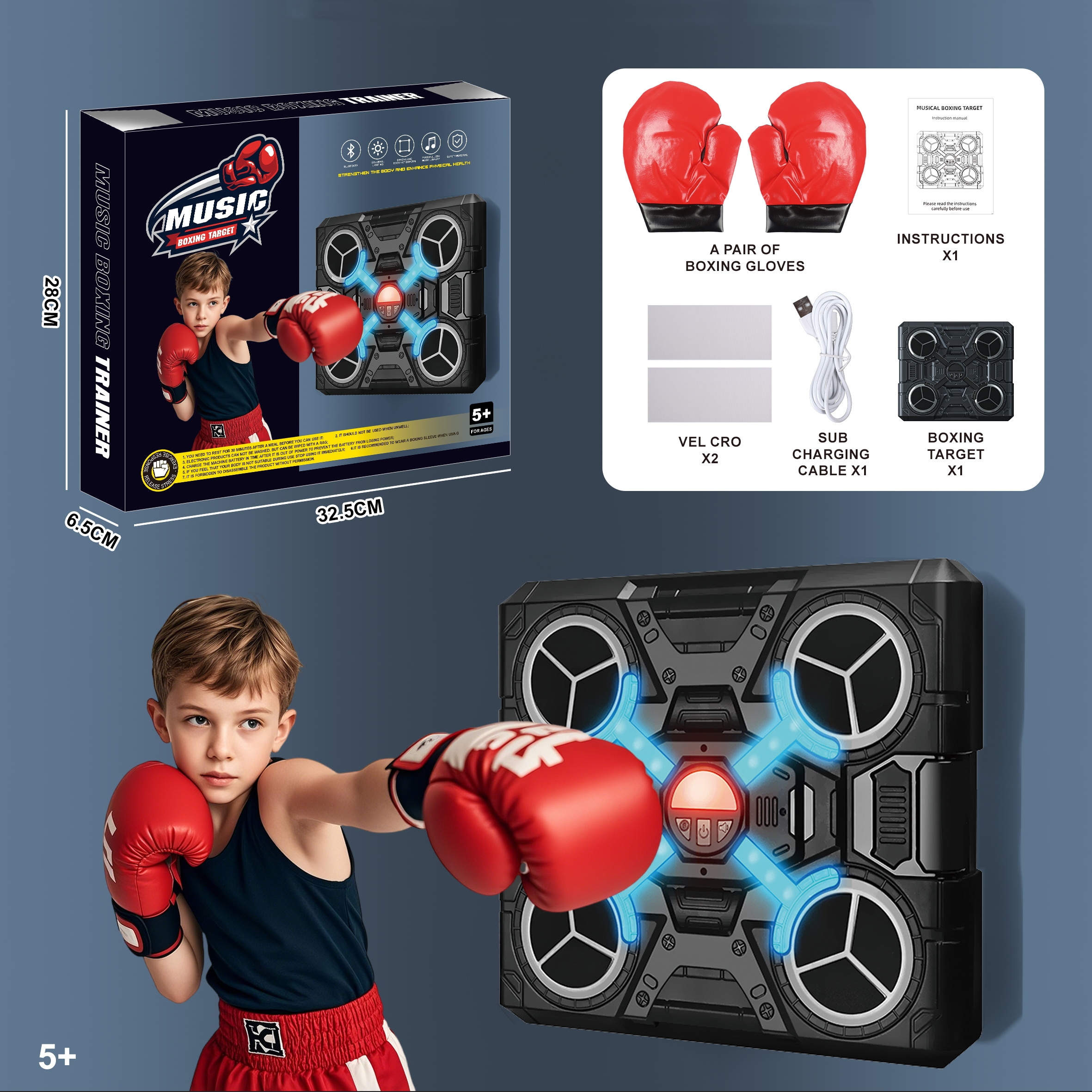
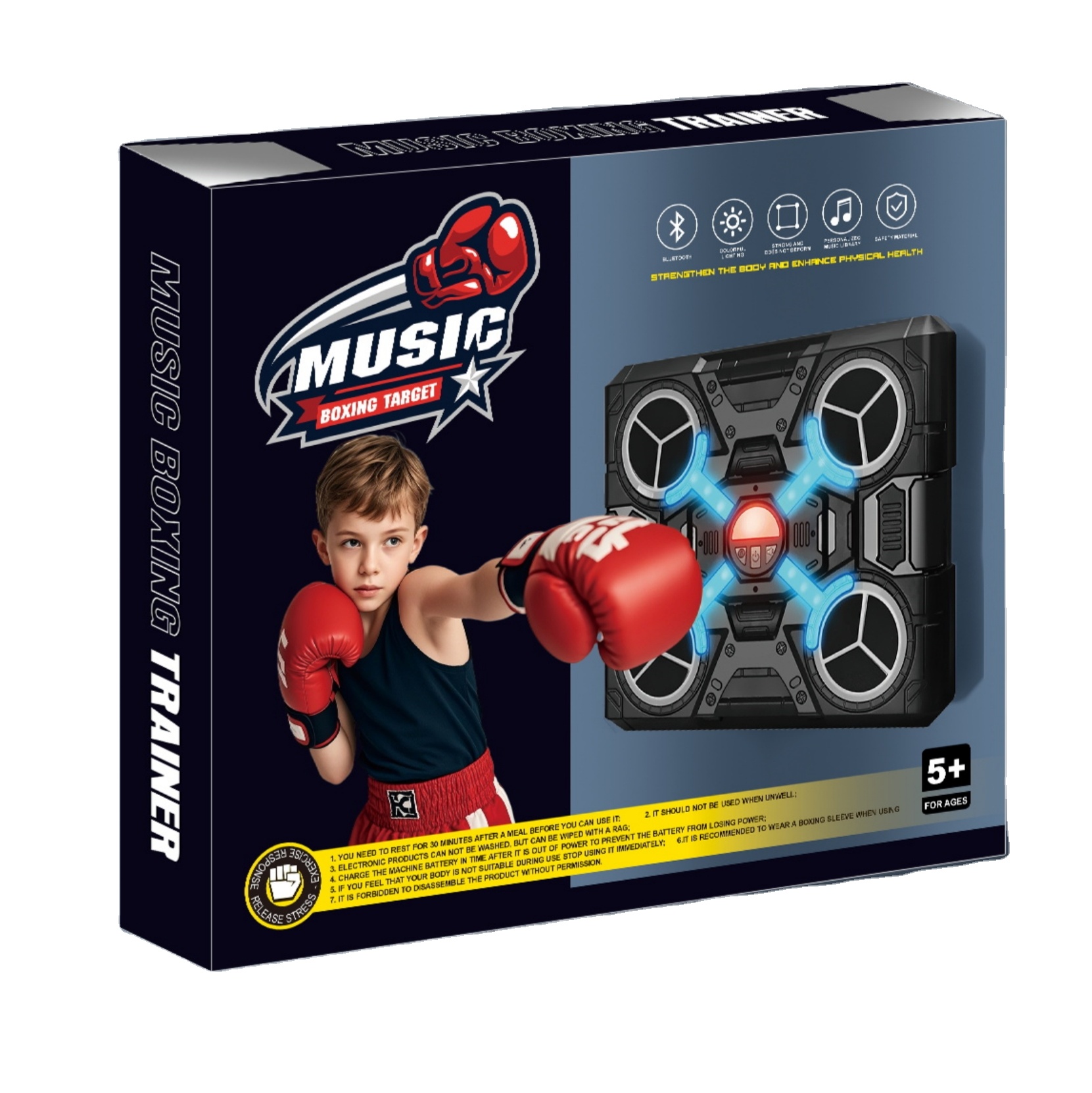
Diy And Toy Models
Kids’ music boxing toys or simple DIY kits sometimes use only batteries. They have basic features:
- Simple pads
- Small lights
- Limited sound
Their power needs are low, so batteries are enough.
Electricity Vs. Batteries: The Core Differences
Music boxing machines need power to run. But the source—electricity or batteries—makes a big difference.
Electricity-powered Machines
These machines plug directly into a wall socket. They use AC power. Features:
- Continuous operation: No need to recharge or change batteries
- More power: Can support large displays, strong speakers, many sensors
- Stable performance: No risk of slowing down as batteries drain
Battery-powered Machines
Battery-powered machines use either disposable batteries (AA, AAA) or rechargeable batteries (lithium-ion). Features:
- Portable: Can be used anywhere
- No cords: Easier setup, safer for kids
- Limited power: May have smaller displays, weaker speakers
Dual-power Machines
Some models let you choose between batteries and electricity. This flexibility is useful for travel or backup during power cuts.
Comparing Power Options
Here’s a clear comparison of the main power options:
| Power Source | Pros | Cons | Typical Use |
|---|---|---|---|
| Electricity | Strong performance, unlimited play time | Needs outlet, less portable | Gyms, arcades |
| Batteries | Portable, easy setup | Limited run time, weaker features | Home, travel, kids |
| Dual Power | Flexible, backup option | May cost more | Home, events |
Why Power Choice Matters
Choosing the right power source affects:
- Performance: Electricity gives stronger sound and visuals.
- Portability: Batteries allow you to move the machine anywhere.
- Cost: Battery-powered machines may be cheaper but need frequent battery changes.
- Safety: Cordless machines are safer for children.
Think about where you’ll use the machine. In a gym, electricity is reliable. For travel or outdoor use, batteries are better.
Common Features And Their Power Needs
Different features of music boxing machines use varying amounts of power. Let’s break down some examples:
Speakers
Loud, high-quality speakers need more power. Electricity is best for strong audio. Battery-powered machines may have quieter or smaller speakers.
Displays
Large LED screens require steady power. Battery models use simpler displays to save energy.
Sensors
More sensors mean more power. Complex machines with many pads and lights need electricity or strong batteries.
Connectivity
Bluetooth, Wi-Fi, or app connections use extra power. Electricity is more reliable for these features.
Typical Power Consumption
Music boxing machines use different amounts of power depending on their size and features. Here’s an estimate:
- Commercial machines: 100–300 watts (like a desktop computer)
- Home machines: 10–50 watts (like a small speaker)
- Toy machines: 2–10 watts (like a flashlight)
Battery life depends on usage and battery size. For example:
- AA batteries: 4–8 hours of play for small machines
- Rechargeable lithium batteries: 8–20 hours, depending on capacity
Some machines have power-saving modes to extend battery life.
Real-world Examples
Let’s look at real music boxing machines and their power options.
Example 1: Rhythm Punch Pro (commercial)
- Power: AC electricity only
- Features: 8 sensors, 200-watt speakers, 15-inch LED screen
- Usage: Gyms, arcades
Example 2: Beatbox Mini (home)
- Power: Dual (batteries or plug-in)
- Features: 4 sensors, 20-watt speakers, basic LCD display
- Usage: Home gyms, small studios
Example 3: Punchpad Kids (toy)
- Power: AA batteries
- Features: 2 sensors, small lights, basic sounds
- Usage: Kids’ playrooms
Choosing The Right Power Source
If you’re buying a music boxing machine, consider these factors:
- Where will you use it?
- If you have a fixed location, electricity is reliable.
- For travel, events, or outdoor use, batteries are better.
- How much power do you need?
- More features need more power.
- Simple machines are fine with batteries.
- Safety concerns?
- Cordless machines are safer for children.
- Budget?
- Electricity-powered machines may cost more upfront but less in the long run.
- Battery machines need regular battery purchases or recharging.
Maintenance And Power Management
Keeping your music boxing machine running smoothly depends on managing its power source.
For Electricity-powered Machines
- Check the power cord for damage.
- Use surge protectors in gyms or arcades.
- Avoid placing machines near water.
For Battery-powered Machines
- Use quality batteries for longer life.
- Recharge regularly if using lithium batteries.
- Remove batteries if the machine won’t be used for a long time.
For Dual-power Machines
- Use electricity when possible; save batteries for backup or travel.
- Check both power options regularly.
Environmental Impact
The power source of your machine affects the environment.
- Electricity-powered machines use grid energy, which may come from fossil fuels or renewable sources.
- Battery-powered machines create waste if using disposable batteries. Rechargeable batteries are better for the environment, but must be recycled properly.
Consider using machines with low power consumption and rechargeable batteries to reduce your environmental footprint.
Battery Types In Music Boxing Machines
There are several battery types used in music boxing machines. Each has its own advantages.
| Battery Type | Pros | Cons | Best Use |
|---|---|---|---|
| AA/AAA | Cheap, easy to find | Short life, wasteful | Toys, simple machines |
| Lithium-ion | Rechargeable, long life | Higher cost | Portable, home machines |
| Lead-acid | Stable, high capacity | Heavy, not portable | Large machines |
Common Mistakes When Choosing Power Options
Many buyers make mistakes when picking a music boxing machine’s power source:
- Ignoring usage location: Some people buy battery-powered machines for gyms, but batteries drain fast in heavy use.
- Overestimating battery life: Features like loud speakers and bright lights use more power than expected.
- Not checking compatibility: Some machines only work with certain battery types or voltage.
- Forgetting safety: Long cords can be a trip hazard. Cheap batteries can leak.
- Missing environmental impact: Disposable batteries create more waste.
Non-obvious Insights For Beginners
Many first-time buyers don’t realize:
- Power affects machine lifespan: Machines that run constantly on batteries may wear out faster. Heat from batteries can damage sensors.
- Battery quality changes performance: Cheap batteries can cause glitches in music sync or light timing.
- Dual-power models are not always better: Some models have weaker battery performance compared to plug-in mode. Always test both.
How To Check Power Specs Before Buying
Reading the machine’s specs is key. Look for:
- Voltage and wattage: Higher means more power.
- Battery type: AA, AAA, lithium-ion, or proprietary batteries.
- Battery life estimate: Hours per charge or per set of batteries.
- Dual-power option: Does it switch smoothly between battery and electricity?
- Safety certifications: UL, CE, or local standards.
Ask sellers for a demo or video showing the machine in action using both power options.
Setup Tips For Different Power Sources
When setting up your music boxing machine:
- For electricity-powered machines, use a stable outlet and avoid extension cords.
- For battery-powered machines, keep spare batteries handy and check the battery compartment for leaks.
- For dual-power machines, test both options before regular use.
If you use a machine outdoors, protect it from rain and moisture.
Advanced Power Features
Some newer music boxing machines offer smart power management:
- Auto sleep mode: Saves energy when not in use.
- Battery health alerts: Warns when batteries are low or damaged.
- Solar charging: Rare, but possible for portable models.
These features help save money and reduce downtime.
Data: Popularity Of Power Sources
Surveys show:
- About 70% of commercial music boxing machines use electricity.
- Around 60% of home machines use batteries or dual-power.
- Kids’ models are almost 90% battery-powered.
The trend is moving toward dual-power models for flexibility.
Practical Advice For Buyers
If you’re choosing a music boxing machine:
- Decide if portability or power matters more.
- Check the real power needs—don’t trust marketing claims alone.
- For frequent use, electricity is better.
- For occasional use, batteries are fine.
If possible, choose rechargeable batteries for cost savings and environmental benefits.
Safety Considerations
Power sources affect safety:
- Electric machines: Risk of electric shock if used near water.
- Battery machines: Risk of battery leaks or overheating.
- Dual-power machines: Must check both systems regularly.
Always follow the manufacturer’s instructions. Keep the machine dry and out of reach of small children when not supervised.
Future Trends In Music Boxing Machine Power
Manufacturers are improving power options:
- More machines offer USB charging, making them compatible with power banks.
- Solar panels may become more common for outdoor events.
- Batteries are becoming lighter and longer-lasting.
Look for machines with energy-saving features and smart power management.
Summary Table: Power Needs By Machine Type
Here’s a simple summary:
| Machine Type | Main Power Source | Typical Features | Best Use |
|---|---|---|---|
| Commercial | Electricity | Large speakers, LED screen, many sensors | Gyms, arcades |
| Home | Batteries/Dual Power | Medium speakers, basic display, 4–6 sensors | Home gym, travel |
| Toy | Batteries | Small speakers, simple lights, 2 sensors | Kids’ rooms |
Frequently Asked Questions
Do All Music Boxing Machines Need Electricity?
No, not all machines need electricity. Some run on batteries, especially portable or toy models. Commercial machines usually require electricity for strong performance.
Can I Use Both Batteries And Electricity In One Machine?
Many modern machines offer dual-power options. This lets you use either batteries or plug into a wall outlet. Always check the product specs before buying.
How Long Do Batteries Last In A Music Boxing Machine?
Battery life depends on the machine’s features and usage. Simple machines may run for 8–20 hours on AA batteries. Advanced machines need more power and last less time.
Are Battery-powered Machines Safe?
Yes, if you use quality batteries and follow safety instructions. Avoid mixing old and new batteries. Check for leaks and overheating, especially in children’s toys.
Where Can I Find More Information About Music Boxing Machines?
You can learn more about the technology and power needs of music boxing machines from Wikipedia and fitness equipment review sites.
Music boxing machines offer a unique mix of fun and fitness. Understanding their power needs—electricity, batteries, or both—helps you choose the right model for your space, budget, and goals. Whether you want strong performance or easy portability, there’s a machine for you.
Remember to check power specs, consider safety, and think about long-term costs and the environment. This knowledge will keep your workouts smooth and your machine running well for years to come.

