
Cricket is a sport filled with unique words and traditions. If you are new to cricket, one term you will hear again and again is wicket. Understanding what a wicket means is key to enjoying the game, whether you are watching a local match or an international tournament. Yet, the meaning of wicket can be confusing, even for people who have watched cricket for years. It is not just one thing; it has several meanings depending on the situation.
This article will guide you through every meaning of wicket in cricket. You will learn how wickets are important for both batting and bowling teams. We will look at how wickets are made, the different ways they can fall, and why they matter in match results.

Today's Exclusive Deals
Limited-time Exclusive Deals. Check current discount on Amazon.
Check Price on Amazon As an Amazon Associate I earn from qualifying purchases.Along the way, you will discover little-known facts, common mistakes, and tips to help you talk about wickets with confidence. By the end, you will be able to explain wickets like a cricket expert.
The Many Meanings Of “wicket” In Cricket
The word wicket is special because it has more than one meaning in cricket. Let’s break them down so you never get confused.
The Physical Wicket
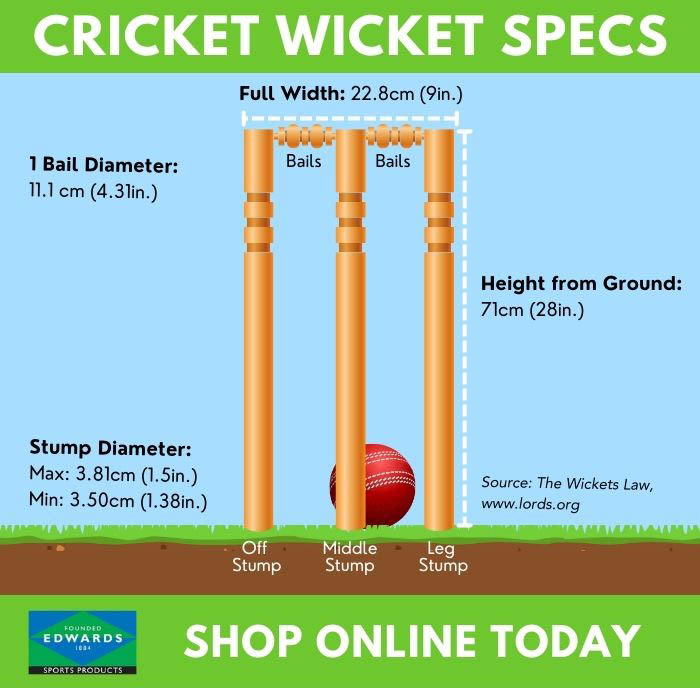
The most basic meaning of wicket is the set of stumps and bails placed at each end of the pitch. Each wicket includes:
- Three vertical stumps (wooden sticks)
- Two horizontal bails (small pieces resting on top)
This is the target for bowlers and fielders. The main goal is to break or hit the stumps or bails to get a batter out.
The Dismissal (losing A Batter)
When someone says, “the team lost a wicket,” they mean a batter was dismissed (got out). For example, if a team has lost five wickets, five batters have been out.
The Pitch
Sometimes, wicket is used to mean the playing surface between the stumps, where the bowler bowls and the batter stands. You may hear phrases like “the wicket is dry” or “this is a fast wicket,” which refer to the pitch condition.
Wicket As A Statistical Count
In match statistics, wickets are counted to show how many batters have been dismissed, or how many wickets a bowler has taken. For example, “He took five wickets in an innings. ”
Why Does This Matter?
Knowing which meaning is being used depends on the context. When watching or discussing cricket, listen for clues in the sentence. It’s a simple trick, but it helps avoid confusion—especially for new fans.
The Structure And Dimensions Of A Wicket
Understanding the physical wicket helps you see why it’s so important in cricket.
Components
A standard wicket is made up of:
- 3 stumps: Each is about 28 inches (71.1 cm) tall.
- 2 bails: Each bail is about 4.31 inches (10.95 cm) long.
The stumps are spaced so the total width is 9 inches (22. 86 cm).
Placement
Two wickets are placed at each end of the pitch, which is 22 yards (20. 12 meters) long.
Table: Wicket Dimensions
| Component | Size | Material |
|---|---|---|
| Stump (height) | 28 inches (71.1 cm) | Wood (usually ash) |
| Stump (width) | 1.38 inches (3.5 cm) | Wood |
| Bail (length) | 4.31 inches (10.95 cm) | Wood |
| Width of wicket | 9 inches (22.86 cm) | – |
These measurements are set by the laws of cricket. Stumps and bails must be strong, but light enough for the bails to fall when hit.
Modern Innovations
In top matches, you might see LED bails that light up when dislodged. This helps umpires make clear decisions during run-outs and stumpings.
Main Ways A Wicket Can Fall (dismissals)
A wicket “falls” when a batter is out. There are several ways this can happen. Some are common, others are rare. Let’s look at the main types:
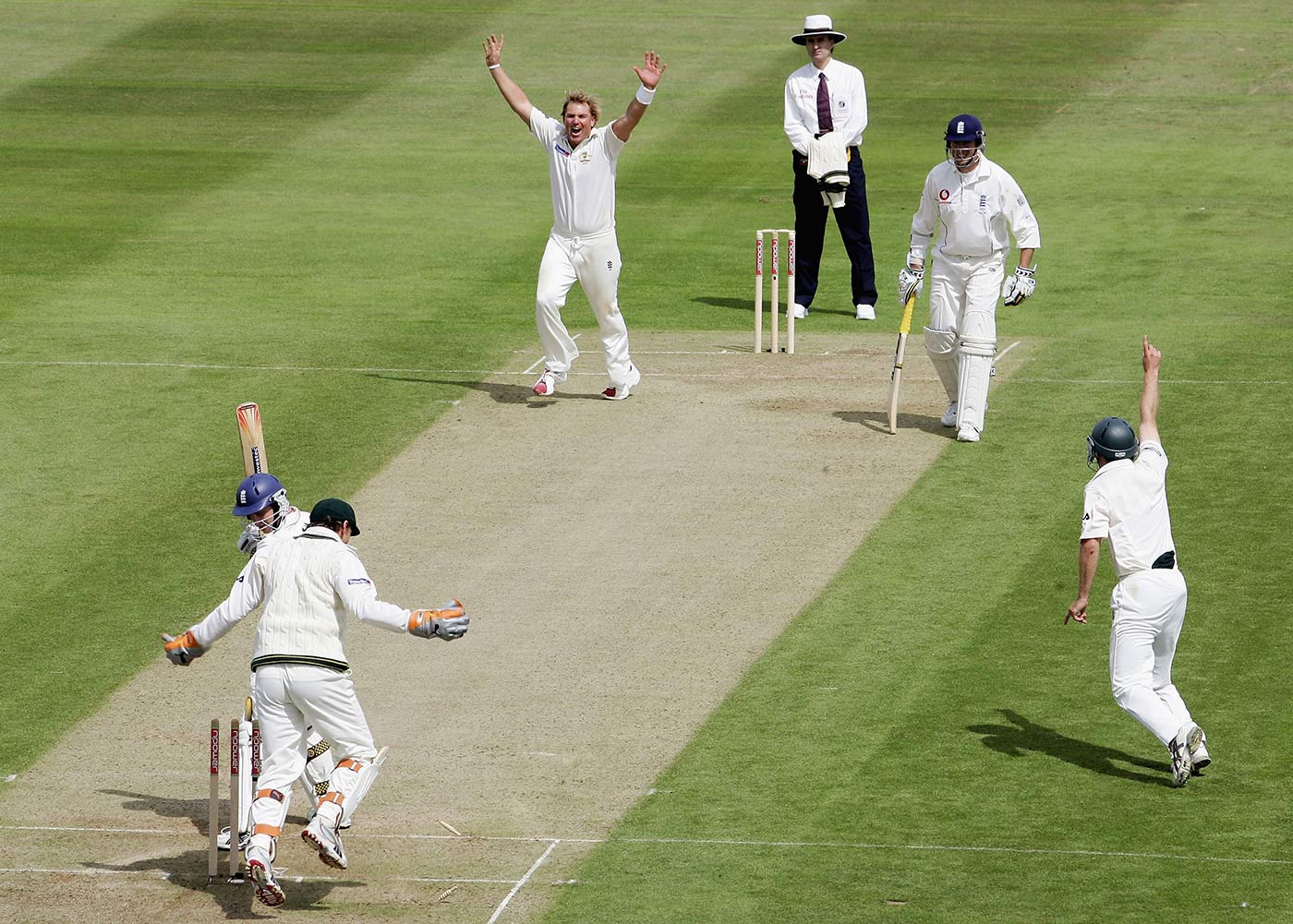
- Bowled: The ball hits the stumps and the bails fall off.
- Caught: The batter hits the ball, and a fielder catches it before it touches the ground.
- Leg Before Wicket (LBW): The ball hits the batter’s leg (or pad) in line with the stumps, and the umpire decides it would have hit the wicket.
- Run Out: The fielding team hits the stumps with the ball while the batter is outside the crease and running between wickets.
- Stumped: The wicketkeeper removes the bails while the batter is out of the crease and not attempting a run.
- Hit Wicket: The batter accidentally hits their own stumps with the bat or body while playing a shot or starting a run.
- Handled the Ball: The batter touches the ball with the hand not holding the bat (now rare and usually included in “Obstructing the field”).
- Obstructing the Field: The batter blocks fielders or the ball unfairly.
- Hit the Ball Twice: The batter hits the ball twice, except to protect the wicket.
- Timed Out: The next batter takes too long to come to the crease (usually three minutes).
Table: Comparison Of Common Wicket Types
| Type | How It Happens | Who Can Cause It |
|---|---|---|
| Bowled | Ball hits stumps, bails fall | Bowler |
| Caught | Ball caught by fielder, no bounce | Any fielder |
| LBW | Ball hits batter’s pad, would hit stumps | Bowler |
| Run Out | Stumps broken while batter is running | Any fielder |
| Stumped | Wicketkeeper removes bails, batter out of crease | Wicketkeeper |
Two Non-obvious Insights
- LBW is not always easy to understand: The ball must not have hit the bat, and it must be in line with the stumps. Many new fans think any ball hitting the pads is LBW, but this is not true.
- Run Out and Stumped are different: Both involve the batter being outside the crease, but a stumping only happens off the wicketkeeper’s bowling, while a run out can happen anytime.
Importance Of Wickets In The Game
Wickets are central to cricket strategy. The team that takes the most wickets often wins. But there’s more to it than just getting batters out.
For Bowlers And Fielding Teams
- Taking wickets puts pressure on the batting team.
- Breaking partnerships (two batters scoring together) is key. A quick wicket can change the match.
- In limited overs cricket (like T20 or One Day), taking wickets slows the scoring rate.
For Batting Teams
- Keeping wickets in hand allows for aggressive scoring later.
- Teams with fewer wickets lost can take more risks at the end of an innings.
Table: Impact Of Wickets On Match Result
| Situation | Batting Strategy | Bowling Strategy |
|---|---|---|
| Few wickets lost | Play aggressively | Attack for breakthroughs |
| Many wickets lost | Play defensively | Set attacking fields |
Wickets And Match Results
A team is “all out” when ten wickets have fallen (since only 11 players bat, and two are always needed). The final score is often written as “250 for 8 wickets” (250 runs, 8 batters out).
Famous Wicket Records
Wickets are tracked in statistics for both bowlers and teams. Here are some famous records:
- Muttiah Muralitharan holds the record for most wickets in Test cricket: 800.
- Wasim Akram is known for his deadly bowling and many wickets in One Day matches.
- In the 2019 World Cup final, England won after a dramatic run out on the last ball.
Why These Records Matter
Cricket fans love to compare wicket tallies. A bowler’s career is often judged by how many wickets they take, not just how many matches they play.
Common Misunderstandings About Wickets
Even regular viewers can mix up wicket meanings. Here are some classic mistakes:
- Thinking “wicket” only means the stumps: Remember, it also means dismissals and the pitch itself.
- Confusing LBW with any ball hitting the pads: LBW has strict rules.
- Not knowing that a “no-ball” (illegal delivery) cannot cause a bowled wicket: If the bowler oversteps, and the stumps are hit, the batter is not out.
Umpires And Wicket Decisions
Umpires play a big role in deciding if a wicket falls, especially for LBW, caught behind, and run outs.
- On-field umpires signal a wicket with a raised finger.
- Technology like DRS (Decision Review System) uses video and ball tracking to help with close calls.
- For stumping and run outs, slow-motion replays are used to check if the bails were removed before the batter made their ground.
Practical Tips For Understanding Wickets
- When watching, listen to commentators. They often explain why a wicket fell and the effect on the game.
- Watch slow-motion replays to see how the stumps or bails fall.
- Try scoring a match yourself: Mark every wicket and how it happened. This helps you learn the types of dismissals.
- Look for patterns. For example, some bowlers take most of their wickets by bowling, while others depend on catches.

Wickets In Different Formats Of Cricket
Wickets matter in all forms of cricket, but their importance changes with the format.
Test Matches
- Teams have two innings each.
- All 10 wickets must fall to end an innings (unless the team declares).
- Wicket-taking is crucial for winning.
One Day Internationals (odis) And T20s
- Each team bats once.
- Losing wickets early can stop a team from making a big score.
- Teams often play safe at first to keep wickets in hand, then play aggressively later.
How Wickets Affect Team Strategies
Teams change tactics based on wickets:
- Fielding teams set attacking fields when trying to take wickets, and defensive fields to stop runs if wickets are hard to get.
- Batting teams may send more aggressive batters early if wickets are safe, or defensive ones if wickets are falling fast.
Understanding these changes makes watching cricket much more exciting.
Wickets And The Spirit Of Cricket
There’s a tradition called “walking”—when a batter leaves the field without waiting for the umpire if they know they are out. This is seen as honest, but not required by the rules. Wickets are not just statistics—they are moments of drama, skill, and sportsmanship.
Learning More About Wickets
If you want to go deeper, read the official Laws of Cricket. They explain all rules in detail and are free to access online. For more background and history, see Wikipedia’s page on Wicket.
Frequently Asked Questions
What Is The Main Meaning Of Wicket In Cricket?
The main meaning of wicket is the set of three stumps and two bails at each end of the pitch. It is the target for bowlers. But “wicket” also means a batter’s dismissal and, sometimes, the pitch itself.
How Many Wickets Are There In A Cricket Team?
A cricket team has 10 wickets to lose in an innings, since only 11 players bat and two must be present at all times. Once 10 batters are out, the team’s innings ends.
What Is The Difference Between Bowled And Lbw?
Bowled happens when the ball hits the stumps and the bails fall. LBW (Leg Before Wicket) is when the ball hits the batter’s pad in line with the stumps, and the umpire decides it would have hit the wicket.
Can A Bowler Take More Than Ten Wickets In A Match?
In one innings, a bowler can take a maximum of 10 wickets (if they dismiss every batter). In matches with two innings per team, like Test matches, a bowler can take up to 20 wickets across both innings.
What Happens If The Bails Do Not Fall When The Ball Hits The Stumps?
If the ball hits the stumps but the bails do not fall off, the batter is not out. The bails must be dislodged for the wicket to count.
Cricket’s use of “wicket” is rich and layered, but once you understand these meanings, you will follow the game with much more confidence and enjoyment. Wickets are not just pieces of wood—they are at the heart of every match’s drama and strategy.