
Cricket is a sport loved by millions around the world, known for its fast pace, teamwork, and strategic play. Whether you watch a match in India, England, Australia, or anywhere else, you’ll notice one thing: every player needs the right equipment. The gear is not just about looking professional. It keeps players safe, helps them play better, and follows the official rules of the game. Yet, many new players and even fans don’t know exactly what equipment is needed to play cricket, what each item does, or how to choose the right one.
This guide explores all the essential cricket equipment, explains why each item matters, and shares tips that even some experienced players overlook. You’ll also learn about the differences in equipment for various formats of the game, so you can start your cricket journey confidently.

Today's Exclusive Deals
Limited-time Exclusive Deals. Check current discount on Amazon.
Check Price on Amazon As an Amazon Associate I earn from qualifying purchases.The Basics: Essential Cricket Equipment
Every cricket game, whether it’s a friendly match in the park or a professional league, needs certain basic equipment. Missing any of these can make playing cricket difficult or even dangerous.
Cricket Bat
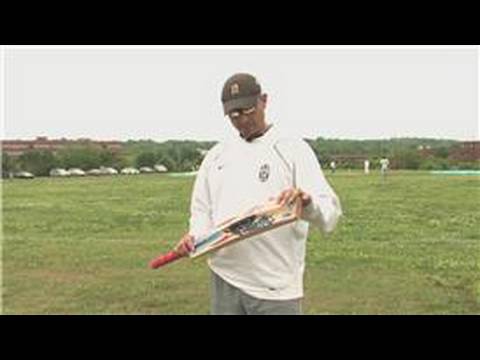
The cricket bat is the heart of the game. Made of willow wood, it has a flat side for striking the ball and a handle for grip. The size and weight of a bat can vary depending on the player’s age and style. Most adult bats weigh between 1.2 to 1.4 kilograms (2.6–3.1 pounds). A lighter bat helps with quick shots, while a heavier one gives more power but requires strength.
Cricket Ball
The cricket ball is made of cork, wrapped in string, and covered with leather. In men’s cricket, it usually weighs 155.9 to 163 grams (5.5–5.75 ounces). The color depends on the format: red balls for Test matches, white balls for limited-overs games, and sometimes pink balls for day-night matches. Beginners often overlook that the shine and seam of the ball affect how it moves in the air and off the pitch.
Stumps And Bails
At each end of the pitch stand three stumps (vertical wooden posts) topped by two bails (small wooden pieces). These form the wicket. The main aim for bowlers is to hit the stumps and remove the bails; for batsmen, it’s to protect them.
Protective Gear
Cricket balls are hard and can be dangerous. Protective gear is essential for safety and is required by all professional leagues.
- Helmet: Protects the head and face from fast balls.
- Pads (Leg Guards): Worn on both legs to protect against balls hitting the knees and shins.
- Gloves: Specially padded to shield fingers and hands.
- Abdominal Guard (Box): Worn inside trousers to protect the groin.
- Thigh Guard: Worn under clothing to protect the upper leg.
- Chest Guard: Used by some batsmen, especially facing fast bowlers.
- Arm Guard: Shields the forearm, helpful for bouncers.
Clothing
Players wear cricket whites for traditional matches, or colored kits for limited-overs games. The clothing is usually made from light, breathable fabrics to manage sweat and heat.
Footwear
Cricket shoes have spikes or rubber soles for grip. Spiked shoes are best for grassy fields, while rubber soles are used on artificial surfaces.
Specialized Equipment For Different Roles
Each position in cricket—batsman, bowler, wicketkeeper—requires its own gear. Choosing the right equipment for your role can make a big difference in performance.
Batsman’s Equipment
Batsmen need more protection, as they face the ball at high speeds.
- Batting Helmet: Must fit snugly and cover the jawline.
- Batting Pads: Should be lightweight but thick enough to absorb impact.
- Batting Gloves: Look for strong padding on the fingers and thumb.
- Inner Gloves: Thin cotton gloves worn inside the main gloves to absorb sweat and prevent blisters.
Many beginners skip inner gloves, but they greatly increase comfort during long innings.
Bowler’s Equipment
Bowlers use less protective gear, focusing instead on shoes and clothing that allow free movement.
- Bowling Shoes: Should provide good ankle support and grip.
- Elbow Sleeve or Wrist Support: Optional, but helpful for fast bowlers to prevent injuries.
Wicketkeeper’s Equipment
Wicketkeeping is a demanding job, requiring fast reflexes and special equipment.
- Wicketkeeping Gloves: Larger and more padded than batting gloves, with webbing between thumb and forefinger.
- Inner Gloves: Thin gloves for extra comfort and sweat absorption.
- Pads: Shorter and lighter than batting pads for easy movement.
- Helmet or Cap: Wicketkeepers often wear a helmet when standing up to fast bowlers.
- Abdominal Guard: Essential for protection, just like for batsmen.

Field Equipment
Besides what players wear, cricket needs certain items for the field setup.
Boundary Markers
Boundary ropes or painted lines show the edge of the field. Balls crossing the boundary score four or six runs.
Sightscreens
Sightscreens are large boards placed behind the bowler’s arm. They help batsmen see the ball clearly, especially when the ball color is similar to the crowd or background.
Scoreboard
A visible scoreboard tracks runs, wickets, and overs. In professional matches, electronic scoreboards are used, but manual boards work fine for small games.
Ball Markers And Cones
Umpires and coaches use cones and markers for warm-ups, field placement, and practice drills.
Comparison: Test Vs. Limited-overs Equipment
The format of the game changes the equipment used, especially the ball and clothing.
| Equipment | Test Matches | One-Day/T20 |
|---|---|---|
| Ball | Red | White (or Pink) |
| Clothing | White | Colored |
| Sightscreen | Black (for red ball) | White (for white ball) |
This difference is essential—using the wrong color ball or sightscreen can make the game unfair or unsafe.
Choosing The Right Equipment
Not all gear is the same. Making the right choice can affect your comfort, safety, and performance.
Cricket Bat Selection
When choosing a bat, consider:
- Size and Weight: Younger players need lighter, shorter bats.
- Grain: Good quality willow has 6–12 straight grains.
- Balance: The bat should feel comfortable in your hands.
Many new players pick a bat that’s too heavy, thinking it gives more power. In reality, a bat you can swing freely is better.
Protective Gear Fit
Always try gear before buying. Pads and gloves that are too loose can slip; too tight can restrict movement. Helmets should pass safety standards and not block your vision.
Shoe Selection
For fast bowlers, good ankle support is important to prevent injury. Batsmen prefer lightweight shoes for quick running.
Wicketkeeping Equipment
Choose gloves with strong webbing and enough padding to catch fast deliveries. Pads should not restrict squatting or sideways movements.
Maintenance And Care
Cricket equipment can be expensive. Taking care of your gear extends its life and saves money.
- Bats: Oil with raw linseed oil, knock-in with a wooden mallet, and store in a dry place.
- Balls: Clean with a damp cloth and store in a cool area. Don’t soak in water.
- Pads and Gloves: Air out after use; wipe with a damp cloth if dirty.
- Shoes: Remove mud and dry completely to avoid odor and damage.
A common mistake is leaving gear in the car or a damp bag. This can cause mold, warping, and shorten its life.
Equipment For Training And Practice
Training well is as important as playing matches. Some extra equipment can help.
- Throwdown Ball: A durable ball for practice, used with a thrower stick to simulate fast bowling.
- Bowling Machine: Used to practice batting against consistent, high-speed balls.
- Training Nets: Nets keep balls within a safe area and let you practice without fielders.
- Fielding Mitts: Larger gloves for catching practice.
- Training Stumps: Lighter and sometimes spring-loaded for fielding drills.
These tools help sharpen skills and are used by professionals and amateurs alike.
Special Equipment For Children And Beginners
Young players need gear suited to their size and experience.
- Plastic Bats and Balls: Safe and light for children.
- Soft Ball: Reduces risk of injury, suitable for learning.
- Smaller Pads and Helmets: Make sure all gear is age-appropriate.
Don’t rush to buy adult equipment for young players—they will develop bad technique and risk injuries.
Equipment For Different Playing Surfaces
Where you play also affects your choice of gear.
| Surface | Best Shoes | Ball Type |
|---|---|---|
| Grass | Spiked Shoes | Leather Ball |
| Concrete/Mat | Rubber-Soled Shoes | Tennis Ball or Synthetic Ball |
| Indoor | Non-marking Shoes | Soft Ball |
Using the wrong shoes can lead to slips and injuries, while the right ball ensures fair play.
Non-obvious Insights For Beginners
- Sweat management: Inner gloves, headbands, and wristbands are not just for style—they help absorb sweat and improve grip. Many new players ignore these, only to lose grip at crucial moments.
- Ball Maintenance in Matches: Teams often use a towel or bottle cap to keep one side of the ball shiny. This affects how the ball swings and is a key part of strategy, especially in professional cricket.

Where To Buy And Learn More
Quality cricket equipment is available at sports shops and specialized online stores. Make sure to check for reviews and ask experienced players or coaches before buying. For more on cricket gear standards, visit the official site of the International Cricket Council.
Frequently Asked Questions
What Is The Minimum Equipment Needed To Play Cricket Safely?
You need a bat, ball, pads, gloves, helmet, and an abdominal guard for safe play. Even in casual games, basic protection like a helmet and pads can prevent serious injuries.
Can You Play Cricket Without A Helmet?
It’s not safe to play without a helmet, especially when facing fast bowlers. Head injuries can be life-threatening, so always wear a helmet even in practice.
What Type Of Ball Is Best For Beginners?
A soft ball or tennis ball is best for beginners. It reduces the risk of injury and allows new players to focus on learning the basics of batting and bowling.
How Do You Maintain A Cricket Bat?
Regularly oil your bat with linseed oil, use a bat mallet to “knock in” the surface, and keep it in a dry place. This helps prevent cracks and extends the life of the bat.
Is There Different Equipment For Indoor Cricket?
Yes, indoor cricket uses a softer ball, lighter bats, and shoes with non-marking soles. The playing area is smaller, so the equipment is designed for safety and quick movements.
Playing cricket is more enjoyable—and much safer—when you use the right equipment. Whether you’re a beginner or aiming for the pros, investing in quality gear, learning how to use it, and taking care of it are key steps on your journey.
With this knowledge, you can step onto the field ready to play, learn, and enjoy every moment of the game.

