
What Is An Over In Cricket?
Cricket, a sport loved by millions, is full of rules and unique terms. One of the most important concepts in cricket is the over. If you’re new to the game, you’ll often hear players and commentators talking about overs—how many have been bowled, how many are left, and how they affect the match. But what exactly is an over in cricket, and why does it matter so much? Let’s dive deep into this topic, break down every part of an over, and explore why it’s so central to the game.
The Basic Definition Of An Over
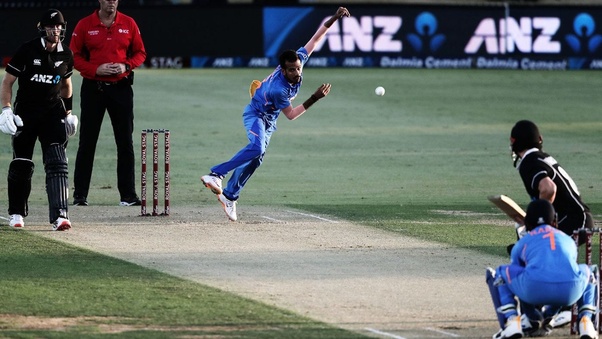
An over in cricket is a set of six legal balls bowled by one bowler from one end of the pitch. After these six balls, the umpire calls “over,” and the bowling is switched to the other end, usually with a new bowler. This simple cycle forms the backbone of every cricket match, from local games to major internationals.

Today's Exclusive Deals
Limited-time Exclusive Deals. Check current discount on Amazon.
Check Price on Amazon As an Amazon Associate I earn from qualifying purchases.But there’s more to it than just throwing six balls. Each over is a small battle within the match, with bowlers trying to outsmart the batter and the batters trying to score as many runs as possible. The number of overs also shapes the structure of the entire game.
The Role Of Overs In Different Formats
Cricket is played in several formats, and the number of overs is a key difference between them. Understanding these formats helps explain why the over is so important.
| Format | Overs per Side | Duration |
|---|---|---|
| Test Cricket | Unlimited (Usually 90 per day) | Up to 5 days |
| One Day International (ODI) | 50 | About 8 hours |
| Twenty20 (T20) | 20 | About 3 hours |
- Test matches have no fixed number of overs. Instead, teams bowl as many overs as they can in a day, usually aiming for 90.
- ODIs have 50 overs per team.
- T20s have 20 overs per team.
The shorter the format, the more valuable each over becomes. In T20 cricket, every ball counts, so teams focus on getting the most out of every over. In Tests, bowlers try to build pressure over many overs.
Structure And Sequence Of An Over
An over is not just a random set of six balls. It follows a set sequence and rules:
- One bowler delivers all six balls from one end of the pitch.
- Each ball must be a legal delivery—no balls and wides do not count and must be bowled again.
- After six legal balls, the umpire signals “over.”
- The fielding team switches ends, and a new bowler (not the previous one) bowls from the opposite end.
The bowler can’t bowl two consecutive overs. Also, bowlers can only bowl a limited number of overs in some formats. For example, in ODIs, a bowler can bowl a maximum of 10 overs.
What Is A Legal Delivery?
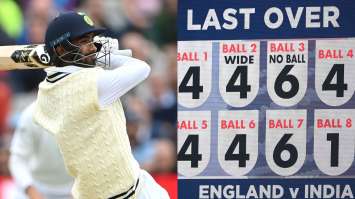
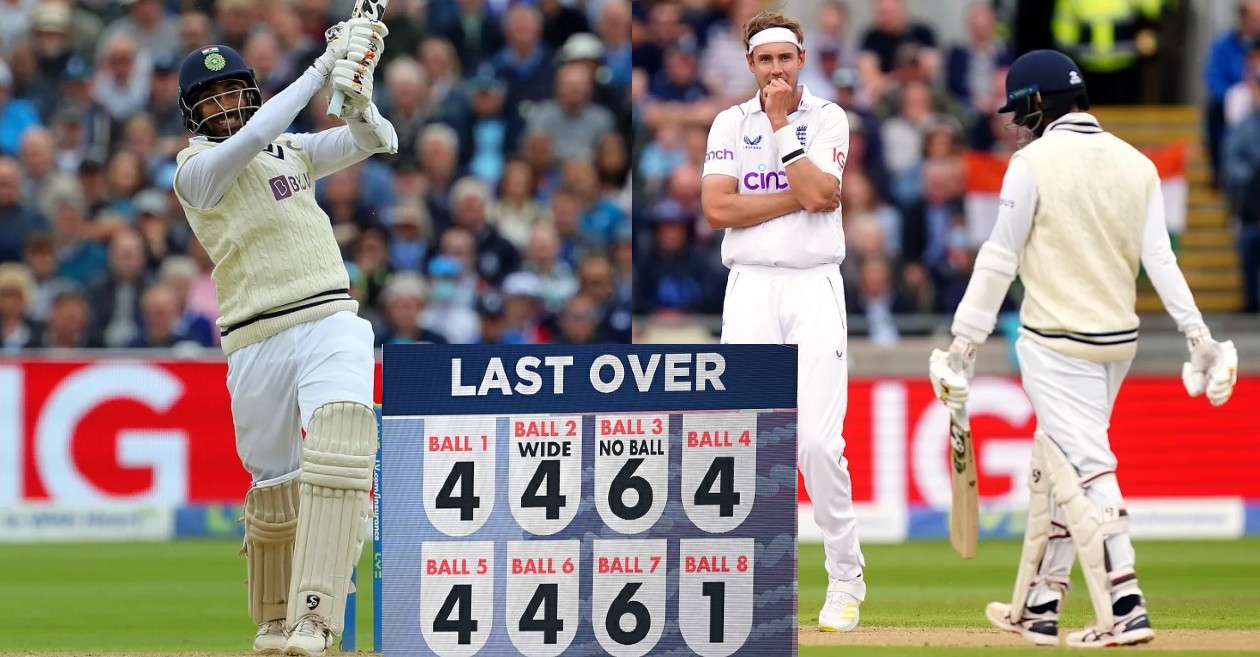
A legal delivery means the bowler follows all the rules. If the bowler steps over the line (called a no-ball) or bowls too wide of the batter (wide ball), the delivery does not count as one of the six for that over. This means the over can sometimes have more than six balls.
The Importance Of Overs In Strategy
Overs are central to cricket tactics. Teams plan their whole match around overs—how many are left, which bowlers to use, and when to attack or defend. Here’s how:
- Bowlers are rotated to manage fatigue and use their skills effectively.
- Batters pace their innings based on the number of overs left. In ODIs, openers may play carefully in early overs, then accelerate later.
- Powerplays (special periods with fielding restrictions) are defined by overs, especially in limited-overs cricket.
- Death overs (the last few overs) are crucial for scoring runs or taking wickets.
A team that manages its overs well often wins the match.
Key Rules And Regulations Around Overs
The International Cricket Council (ICC) sets the rules for overs. Here are some important points:
- Over rate: Teams must bowl a set number of overs per hour to keep the game moving.
- Maximum overs per bowler: To prevent overuse, bowlers have a limit (e.g., 10 overs in ODIs, 4 in T20s).
- Switching ends: After each over, the bowling end changes, and a new bowler is used.
- No consecutive overs: A bowler cannot bowl two overs in a row.
If a team is too slow with their overs, they can be penalized, sometimes losing runs or having fielding restrictions imposed.
Not-so-obvious Insights About Overs
Many beginners miss some interesting details about overs:
- Bowling partnerships: The combination of two bowlers bowling in tandem (from alternate ends) can build pressure, leading to wickets.
- Over count affects batting psychology: Batters often plan how to face certain bowlers or attack at specific points in an innings, depending on the over count.
- Weather and light: In Test matches, the number of overs can change if bad weather or poor light interrupts play, making over management even more important.
The Evolution Of The Over
The concept of the over has changed over time. In early cricket, overs sometimes had four or five balls. By 1979, six-ball overs became standard in most countries. However, Australia once used eight-ball overs, and some countries experimented with different lengths.
| Country | Historical Over Length | Current Over Length |
|---|---|---|
| England | 4, 5, 6 balls | 6 balls |
| Australia | 8 balls | 6 balls |
| South Africa | 8 balls | 6 balls |
The move to six balls was for consistency and to make scoring and statistics easier to compare.
Famous Overs In Cricket History
Some overs have become legendary for what happened during them. Here are a few examples:
- In 2007, Yuvraj Singh hit six sixes in an over off Stuart Broad in a T20 World Cup match. That over changed the momentum of the game and is now part of cricket folklore.
- The “last over” of close matches often creates intense drama, with teams needing just a few runs or wickets to win.
- In 1981, Ian Botham’s over in the Ashes helped England turn the match around, leading to one of the most famous comebacks.
These overs are remembered because they show how one over can change the outcome of a match.
How To Count Overs: The Notation
Cricket scores show overs using a special notation. For example, “12. 3 overs” means 12 completed overs plus 3 balls into the 13th over. This is important for following the match, especially in limited-overs games.
Some new viewers get confused by this notation. Remember:
- The number before the dot is the completed overs.
- The number after the dot is the balls bowled in the current over (not a decimal).
So, 16. 4 overs means 16 overs + 4 balls = 100 balls bowled.
Common Mistakes And Misunderstandings
New fans often make these mistakes about overs:
- Thinking an over always has six balls. Actually, with no-balls and wides, an over can have more.
- Not counting extra deliveries. If there are no-balls or wides, the over is not finished until six legal balls are bowled.
- Missing the switch of ends. After every over, the game changes direction, which affects field settings and tactics.
- Ignoring bowler limits. In limited-overs cricket, a bowler can’t bowl all the overs; there’s a limit to ensure variety.
Fielding Restrictions And Overs
In limited-overs matches, fielding restrictions depend on the stage of the innings, measured in overs. For example:
- In the first 10 overs of an ODI (the Powerplay), only two fielders can be outside the 30-yard circle.
- After the Powerplay, more fielders are allowed outside the circle.
These rules are designed to keep the game exciting and balance batting and bowling.
How Umpires Signal The End Of An Over
The umpire plays a key role in managing overs. At the end of six legal deliveries, the umpire calls “over” and usually waves their arm. This is the signal for players to change ends and for the next bowler to get ready.
It’s a simple, clear routine that keeps the game moving.
Overs And Match Timings
Overs also help keep the match on schedule. Teams must bowl a minimum number of overs per hour. If they are too slow, they can be penalized. In Tests, the target is usually 15 overs per hour. In ODIs, it’s about 14-15 overs per hour.
Slow over rates can lead to fines for captains or even suspension in serious cases. This ensures that games finish on time and fans get the full experience.
The Over In Amateur And Local Cricket
In local games, the concept of the over is just as important. Some clubs use 8-ball overs or different formats, but the six-ball over is the worldwide standard. Junior matches may use fewer overs per side, but the principle is the same.
Players at all levels learn to manage overs—how to pace themselves, rotate bowlers, and plan their innings. Even in backyard cricket, kids often set their own rules for overs!
The Over And The Future Of Cricket
With the rise of new formats like The Hundred (100 balls per team) and T10 leagues (10 overs per side), the idea of the over is evolving. However, the basic structure—one bowler, a set number of balls, then a change—remains at the heart of cricket.
Some experts believe we might see changes in over length again to make the game faster or more exciting. But for now, the six-ball over is here to stay.
For more detailed rules and the history of overs, you can visit the Wikipedia page on Overs in Cricket.
Frequently Asked Questions
What Happens If A Bowler Bowls A No-ball Or Wide In An Over?
If a bowler delivers a no-ball or wide, it does not count as one of the six legal deliveries. The bowler must bowl an extra ball to complete the over. Also, the batting team gets an extra run for each no-ball or wide.
Can A Bowler Bowl Two Overs In A Row?
No, a bowler cannot bowl consecutive overs. After bowling an over, the bowler must wait at least one over before bowling again, as the ends and bowlers are switched after each over.
What Is A Maiden Over?
A maiden over is an over in which the bowler concedes no runs (apart from extras like leg byes or byes). It is a sign of excellent bowling and builds pressure on the batters.
How Are Overs Counted In Cricket Scores?
Overs are shown with a dot notation. For example, 14. 2 means 14 completed overs and 2 balls into the next over. Remember, it’s not a decimal; the number after the dot is the number of balls.
Are There Any Formats With Different Over Lengths?
While the six-ball over is standard worldwide, some leagues or informal games may use different lengths, like 8-ball overs. However, all major international cricket now uses six-ball overs.
Cricket’s over is more than just a rule—it’s a rhythm, a test of skill, and a key part of the game’s strategy. Whether you’re a new fan or a seasoned player, understanding overs will help you enjoy every match even more.