Golf can look difficult to those who have never tried it. The calm green fields, the quiet players, and the swing of the club might seem simple, but the sport has its own learning curve. If you are new and wondering how beginners start playing golf, you are not alone.
Many people want to learn but do not know where to start. This article gives you a complete, practical guide to beginning your golf journey, even if you have never held a club before.
Today's Exclusive Deals
Limited-time Exclusive Deals. Check current discount on Amazon.
Check Price on Amazon As an Amazon Associate I earn from qualifying purchases.You will learn what you really need, how to get comfortable, where to practice, and the small details that make a big difference. Golf is not just about hitting a ball. It is about understanding the basics, building good habits, and knowing what to avoid as a beginner.
Let’s break down every step so you can start with confidence and avoid common mistakes.
Understanding Golf: The Basics
Every sport has rules and special words. Golf is no different. Before you buy clubs or visit a driving range, it helps to know what golf is all about.
Golf is a game played on a course, usually with 9 or 18 holes. The goal is simple: hit a small ball into each hole using as few strokes as possible. You use different clubs for different shots. The fewer shots you take, the better your score.
Most courses have par for each hole. Par means the number of strokes a good player should take to get the ball into the hole. If a hole is a par 4, you should try to finish it in four strokes.
You do not need to know every golf term before starting, but a few key words help:
- Tee: Where you start each hole, usually a small peg that holds the ball up.
- Fairway: The main, short grass area between the tee and the green.
- Green: The area around the hole with very short grass.
- Hazards: Sand bunkers and water areas that make the game harder.
- Putter, iron, driver: Types of clubs for different shots.
Knowing these basics helps you feel comfortable when you arrive at a course or range.
Choosing Your First Golf Clubs
Many new golfers worry about buying the perfect set. The truth is, beginners do not need expensive or full sets right away.
What You Really Need
You can start with just a few clubs:
- Putter – For short, gentle shots on the green.
- Pitching wedge or sand wedge – For short, high shots.
- 7-iron – Good for learning basic swings.
- Driver – For long shots from the tee.
Most golf stores offer beginner sets with 6-8 clubs, and that is enough. You can upgrade later as you improve.
New Vs. Used Clubs
Buying new clubs can be expensive. Many beginners choose used clubs to save money. Golf stores, online marketplaces, and even friends can be sources for good used clubs. Try holding the club before buying to check if it feels comfortable.
Club Fitting: Is It Necessary?
Professional club fitting is not needed for your first set. As a beginner, your swing will change a lot as you learn. Save custom fitting for later, when your style is more consistent.
Basic Equipment And What To Wear
Golf does not require a lot of gear, but a few items make a big difference.
- Golf balls: Start with a box of inexpensive balls. You will lose some at first!
- Tees: Cheap and easy to find. Buy a small bag.
- Glove: Helps you grip the club and prevents blisters. Worn on your non-dominant hand.
- Shoes: Many courses allow sports shoes, but golf shoes give better grip.
- Clothing: Check the course dress code. Polo shirts and comfortable pants or shorts are standard.
Never buy too much at the start. Try the sport first. As you play, you will see what you really need.
Taking Your First Lesson
Golf looks easy until you try to hit the ball. Many beginners get frustrated because the ball does not go straight or far. A single lesson with a golf pro can save months of confusion.
Why Lessons Matter
A professional can show you:
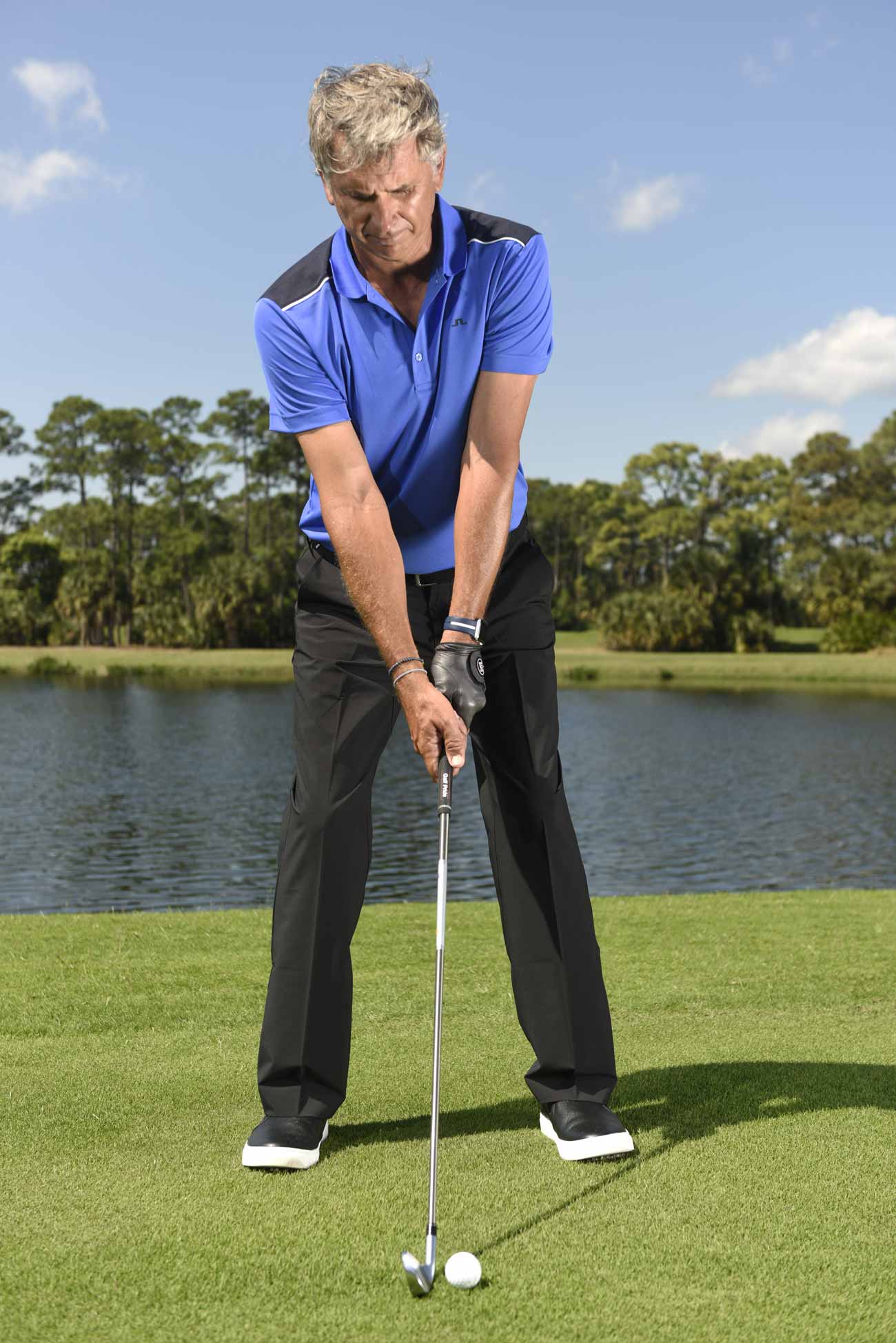
- How to grip the club correctly
- Proper stance and posture
- Basic swing technique
- Common mistakes to avoid
Lessons do not have to be expensive. Many ranges offer group lessons, which are more affordable and less stressful. Even one or two lessons can help you avoid bad habits that are hard to fix later.
What To Expect
Your first lesson will focus on basics, not power. You will practice making contact with the ball and learn the right way to swing. Do not worry if you miss at first. Everyone does.
Practicing At The Driving Range
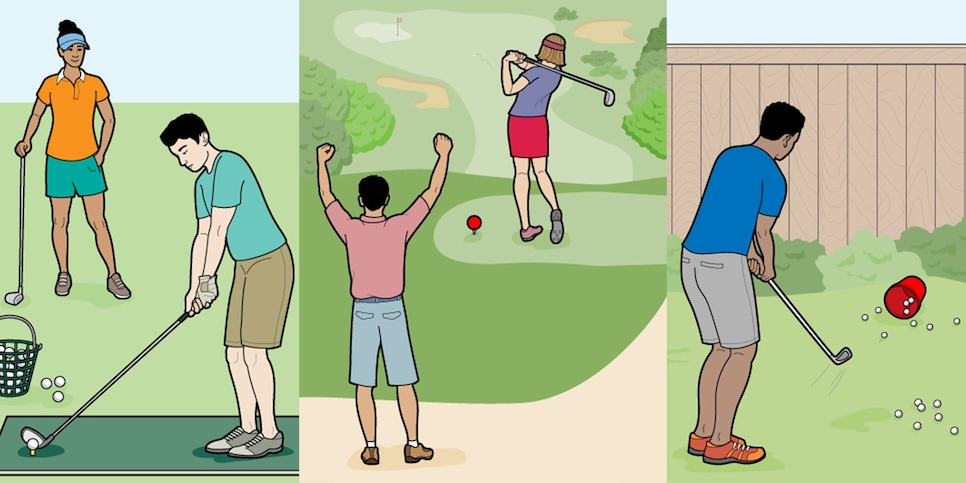
You do not need to play a full round on the course right away. The driving range is the best place to practice as a beginner.
How To Use The Range
- Start with short clubs like the 7-iron or wedge.
- Focus on making clean contact, not on distance.
- Watch your posture and grip.
- Practice 50–100 balls per session, a few times a week if possible.
Driving ranges are also good for meeting other beginners and watching how more experienced players practice.
Short Game Practice
Many ranges have putting greens and chipping areas. Spend time here. Most beginners focus only on long shots and ignore the short game, but putting and chipping decide most scores.
Learning The Rules And Etiquette
Golf has many traditions and etiquette rules that make the game fair and enjoyable for everyone. Understanding these early helps you fit in.
- Be quiet when others are hitting.
- Do not walk in another player’s line on the green.
- Replace divots (chunks of grass) you make.
- Rake sand bunkers after you play from them.
- Do not take too long to play your shot.
Read the basic rules on the official USGA or your local golf association’s website. You do not need to memorize everything, but knowing the basics helps avoid awkward moments.
Playing Your First Round
When you feel ready, book a tee time for a short course or a 9-hole round. Do not worry about your score at first. Focus on learning and having fun.
What To Expect
- Arrive early to warm up.
- Follow the group’s pace.
- Play from the forward tees (closest to the hole) to make the game easier.
- Use a “tee it forward” approach. This means playing from a spot that matches your skill, not your ego.
Bring extra balls and be ready to lose some. Play with friendly, patient partners if possible.
Common Beginner Mistakes (and How To Avoid Them)
- Trying to hit too hard – Focus on smooth, controlled swings instead of power.
- Ignoring the short game – Practice putting and chipping as much as driving.
- Not learning the rules – Spend a little time reading the basics.
- Using the wrong clubs – Start with easy-to-hit irons and wedges.
- Getting frustrated – Everyone hits bad shots. Stay patient.
A smart tip: keep a simple log of your practice sessions and rounds. Write down what worked and what didn’t. Over time, you will see progress.
Comparing Golf Clubs For Beginners
Choosing clubs can be confusing. Here’s a simple comparison of common beginner clubs:
| Club | Use | Pros | Cons |
|---|---|---|---|
| 7-Iron | Mid-range shots | Easy to control, forgiving | Not for long shots |
| Driver | Long tee shots | Maximum distance | Harder for beginners |
| Putter | On the green | Simple strokes, low power | Only for short distances |
| Wedge | Short, high shots | Gets out of sand and rough | Hard to control at first |
Cost Of Starting Golf
Many think golf is expensive. It can be, but beginners can start for less than you might expect.
| Item | Estimated Cost (USD) | Notes |
|---|---|---|
| Used beginner club set | 100 – 250 | 6–8 clubs, enough to start |
| Golf balls (per dozen) | 10 – 20 | Choose basic balls |
| Tees and glove | 15 – 30 | One-time purchase |
| First lesson | 30 – 60 | Group lessons cost less |
| Driving range session | 10 – 20 | For 50–100 balls |
You do not need a membership or fancy gear to begin. Many public courses welcome beginners and offer rental clubs.
Setting Realistic Goals
It is easy to get discouraged when you see slow progress. Most beginners take several months to hit the ball well and even longer to play a full round comfortably.
Set small, clear goals:
- Make contact with the ball most swings.
- Learn to get out of sand bunkers.
- Complete a 9-hole round with your friends.
Track your progress and celebrate small wins. Improvement comes from regular, focused practice, not from buying expensive gear.
Two Insights Many Beginners Miss
- The mental game is as important as the swing. New golfers focus only on the physical side, but staying calm and positive matters just as much. Frustration leads to poor shots. Take a deep breath, reset, and swing again.
- Most improvement comes from short game practice. Beginners spend hours on the driving range but rarely practice putting or chipping. Yet, about half of all strokes in golf happen within 100 yards of the hole. If you want to lower your score, spend more time on the green.
Where To Find Lessons And Resources
Your local course is a great place to start. Most offer beginner clinics or group lessons. You can also find helpful videos online or read guides from trusted sources like the PGA. For rules and updates, check the USGA official website.
Frequently Asked Questions
How Often Should A Beginner Practice Golf?
Practicing two to three times per week helps most beginners see progress. Mix driving range sessions with putting and chipping practice. Short, regular sessions are better than long, rare ones.
Do I Need Special Clothes To Play Golf?
Most courses ask for collared shirts and proper pants or shorts. You do not need expensive clothes, but avoid jeans, gym shorts, and t-shirts. Check the dress code before you go.
Is Golf Difficult To Learn For Beginners?
The basics are easy, but golf takes time to master. Most beginners can hit the ball and play a simple round after a few weeks of practice and one or two lessons.
Can I Learn Golf By Myself?
You can start on your own at the driving range, but one or two lessons with a professional will help you build good habits and avoid frustration.
What Is The Best Age To Start Playing Golf?
Golf can be learned at any age. Children, adults, and seniors all play. The key is patience and regular practice.
Golf is a rewarding sport that you can enjoy for life. With simple steps and the right mindset, you will find yourself making progress faster than you think. Remember, everyone starts as a beginner. The most important thing is to have fun and keep learning with each swing.