
Golf is a game of skill, strategy, and precision. Many people see players hitting long drives and high iron shots, but for most golfers, the most important club in the bag is not the driver or wedge—it’s the putter. This unique club has a special role, a different design, and a reputation for making or breaking a round. If you’re new to golf or want to understand the basics, this article will guide you through everything you need to know about putters. We’ll explore what a putter is, why it matters, the types, how it’s used, and even some secrets that can help you play better.
What Is A Putter?
A putter is a golf club designed mainly for use on the green, where the grass is short and smooth. Its job is simple in idea but challenging in practice: to roll the ball into the hole, usually from a short distance. Unlike other clubs, putters are not made for lifting the ball into the air. Instead, they are built to give you control and accuracy on the ground.

Today's Exclusive Deals
Limited-time Exclusive Deals. Check current discount on Amazon.
Check Price on Amazon As an Amazon Associate I earn from qualifying purchases.The putter is the last club you use on almost every hole. Even professional golfers sometimes need two or three putts to finish. That’s why mastering the putter is so important for lowering your score and enjoying the game.
The Unique Design Of A Putter
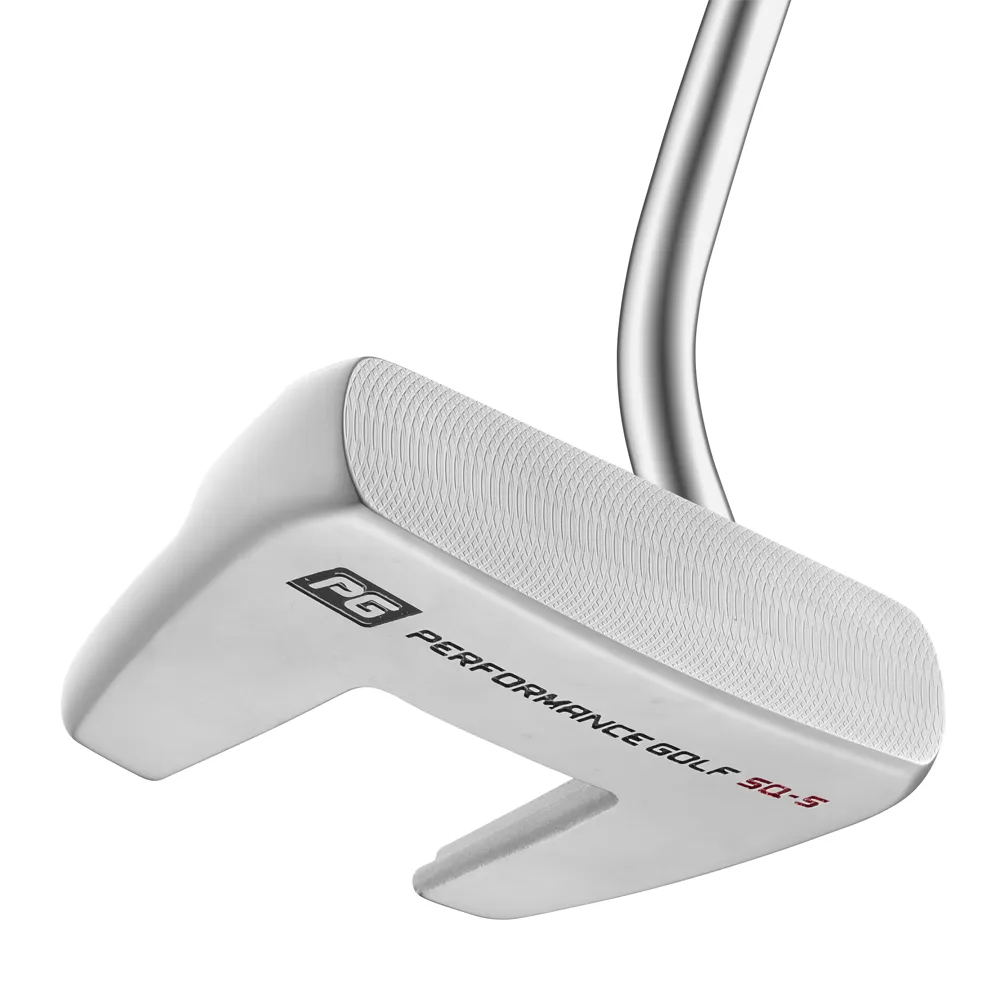
Putters look different from other golf clubs. They have a flat face, which means the part that hits the ball is nearly vertical. The shaft can be straight or curved, and the grip is often larger to help steady your hands.
Some key parts of a putter:
- Head: The bottom of the putter, which strikes the ball. It can be small and simple, or large and shaped like a mallet.
- Face: The part that touches the ball. It’s flat to help roll the ball smoothly.
- Shaft: The long part you hold. Sometimes it connects to the heel, sometimes the center.
- Grip: The top, where you place your hands. Putter grips are often thicker than other clubs.
Putters come in different lengths, usually from 32 to 36 inches, but some are even longer for special styles.
Why Is The Putter So Important?
You use the putter more than any other club in a round of golf. On average, more than 40% of a player’s shots are putts. For example, if you play 18 holes and take 36 putts, that’s two per hole—a good target for most golfers.
Missing short putts can be frustrating. Making long putts can save your score. This is why many golfers say, “Drive for show, putt for dough. ” In other words, the putter is what truly decides your final result.
Main Types Of Putters
There are many types of putters, each with different shapes and features. Choosing the right one is a personal decision, but understanding the main styles can help you find your match.
1. Blade Putters
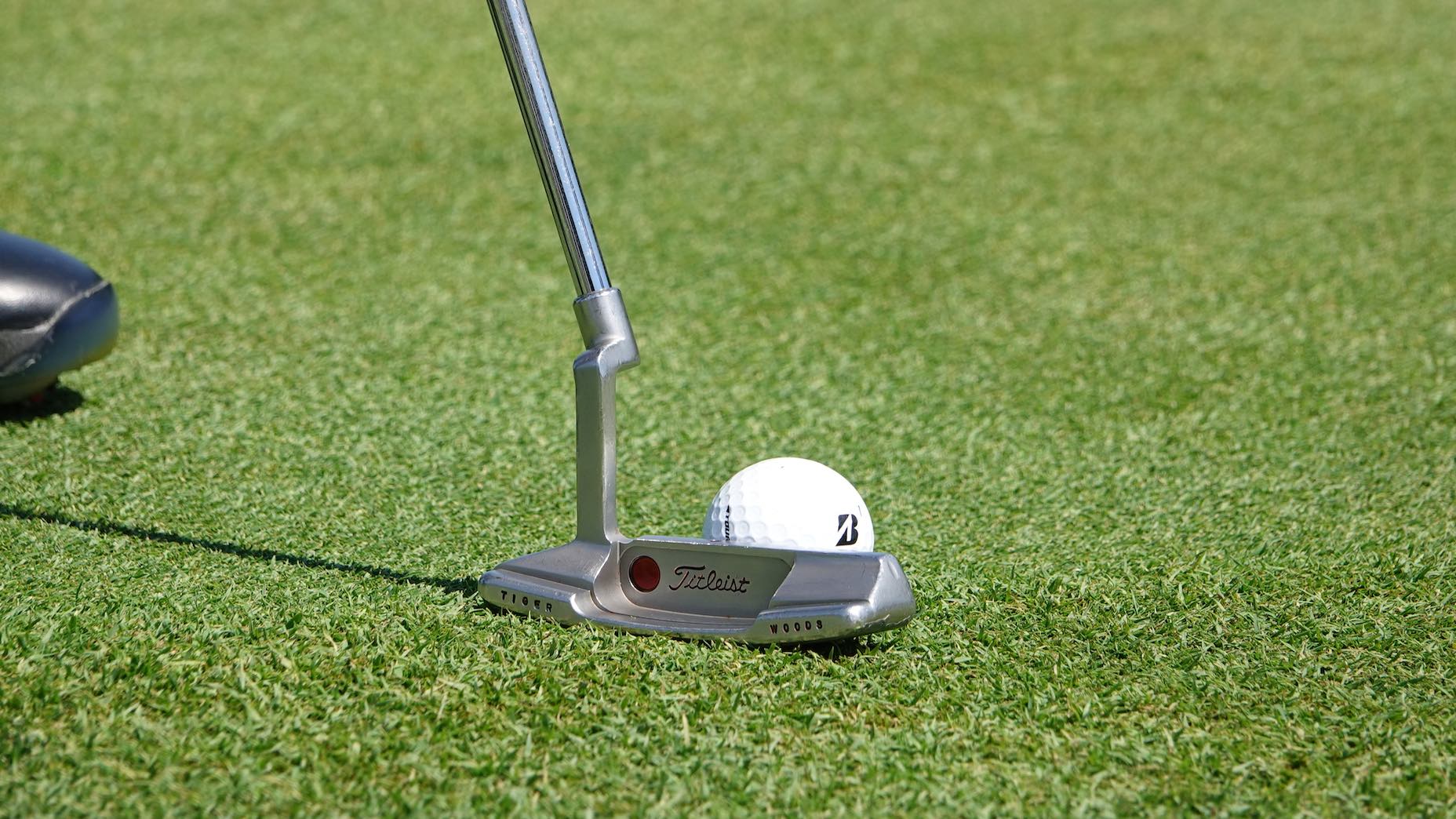
Blade putters are the oldest style. They have a thin, flat head and a simple look. These are popular with skilled players who like control and feedback.
Example: The classic Ping Anser, used by many champions.
2. Mallet Putters
Mallet putters have a larger, rounder head. They are heavier and often help keep the putter steady. Many beginners find mallets easier to use because they are more forgiving.
Example: The Odyssey 2-Ball is a famous mallet putter.
3. Peripheral Weighted Putters
These putters have weight added around the edges (the perimeter). This makes the club more stable and helps on off-center hits.
4. Center-shafted Putters
Instead of attaching the shaft at the heel, these putters connect in the middle of the head. Some players feel this helps with aiming and balance.
5. Face-balanced Vs. Toe-balanced Putters
- Face-balanced putters: The face points up if you balance the shaft. Good for straight-back, straight-through strokes.
- Toe-balanced putters: The toe points down if you balance the shaft. Better for strokes with an arc.
6. Long, Belly, And Arm-lock Putters
Some putters are much longer and are held against the stomach (belly) or forearm. These styles can help players who have trouble with shaky hands, but there are rules about how they can be used in tournaments.
Key Features To Consider When Choosing A Putter
The right putter depends on your style, body, and the way you swing. Here are important features to think about:
- Length: Your height and arm length affect which putter fits best. Too long or too short can cause bad posture.
- Weight: Heavier putters are steadier but may feel slow. Lighter putters are easier to move but need more control.
- Balance: As discussed, face-balanced or toe-balanced depends on your stroke.
- Grip Size: Thicker grips can help steady your hands. Thin grips give more feel.
- Head Shape: Blade for more feedback; mallet for more forgiveness.
- Alignment Aids: Many putters have lines or dots to help you aim. Some people find these very useful.
How To Use A Putter
Good putting is about technique, not power. Here’s a simple way to use a putter:
- Stand with your eyes over the ball. Keep your feet about shoulder-width apart.
- Grip the club lightly. Your hands should be soft, not tight.
- Keep your wrists firm. Use your arms and shoulders to move the putter back and forward.
- Look at your target, then back to the ball.
- Make a smooth stroke. Try not to stop or jerk the putter. Let it swing like a pendulum.
- Follow through toward the hole.
Many beginners make the mistake of hitting the ball too hard or lifting their heads too soon. Practice is key to building feel and confidence.
Common Putter Mistakes And How To Fix Them
Even experienced golfers can struggle with putting. Here are a few mistakes and solutions:
- Gripping too tightly: This causes tension and jerky strokes. Relax your hands.
- Looking up too early: Keep your eyes down until after the ball rolls.
- Decelerating: Make sure you swing through the ball, not stop at impact.
- Poor alignment: Use lines on the putter or ball to help aim.
Putter Materials And Face Inserts
Putters are made from different materials like stainless steel, aluminum, or brass. Some have special face inserts made from soft materials or milled patterns. These change how the ball feels when you hit it.
- Soft inserts: Give more feel, good on fast greens.
- Metal faces: Offer a crisp sound and more feedback.
Some golfers prefer a soft touch, while others like a firm click. Try different putters to see what feels best.
Putter Vs. Other Clubs: Key Differences
Let’s compare the putter to other common golf clubs to see why it stands out.
| Club Type | Main Use | Loft | Typical Length | Head Shape |
|---|---|---|---|---|
| Putter | On the green (rolling) | 2-4° | 32-36 in | Flat or mallet |
| Iron | Approach shots | 18-48° | 36-40 in | Blade/cavity back |
| Driver | Long tee shots | 8-13° | 43-46 in | Large, rounded |
The putter’s flat face and low loft are unique. It is not meant to lift the ball but to roll it smoothly.
How To Find The Best Putter For You
Finding the right putter can take time. Here are practical steps:
- Test different types at a golf shop or course. Feel the weight, shape, and grip.
- Check your putting stroke. Do you swing straight or in an arc? This will affect your choice.
- Ask for a fitting. Many golf shops offer putter fittings using technology to match your body and stroke.
- Try on real greens. Indoor mats are helpful, but outdoor greens give the true feel.
Remember, the most expensive putter is not always best. Confidence and comfort matter most.
Data: Putting Performance In Golf
Statistics show how important putting is. On the PGA Tour, the average number of putts per round is about 29. For amateur golfers, it is closer to 34-36. Saving just one putt per round can make a big difference in your score.
Let’s look at a quick comparison of putting stats between professionals and amateurs:
| Player Level | Putts per Round | One-Putt Percentage | Three-Putt Percentage |
|---|---|---|---|
| Professional | 28-30 | 40-45% | 2-5% |
| Amateur | 34-36 | 20-25% | 10-15% |
This shows that pros save several strokes just by putting better.
Helpful Tips For Better Putting
Improving your putting is about practice and smart habits. Here are some tips:
- Practice short putts (3-6 feet): These matter most for your score.
- Use alignment aids: Draw a line on your ball to help aim.
- Work on distance control: Try putting to the edge of the green, not just the hole.
- Play different greens: Fast and slow greens need different strokes.
- Stay calm: Putting is as much mental as physical.
An insight most beginners miss: Speed control is usually more important than aim. Even if you aim perfectly, if the ball is too fast or slow, it won’t go in.
Another non-obvious tip: On longer putts, focus on the area 1-2 feet past the hole. This helps you get the right pace and avoid leaving putts short.

History And Evolution Of The Putter
The putter has a long history. Early putters were simple wooden sticks, called “putting cleeks. ” Over time, metal heads and better grips were added. The famous Ping Anser, created in 1966, changed putter design forever with its balanced weight and clean lines.
Modern putters now use advanced materials, computer-aided shapes, and even high-tech inserts to help the ball roll truer. Yet, the main idea is the same: roll the ball smoothly into the hole.
If you want to read more about the evolution of the putter, visit the Wikipedia Putter page.
Putter Care And Maintenance
Putters are durable, but they still need care:
- Clean the face after each round to remove dirt and grass.
- Store in a dry place to prevent rust or damage.
- Check the grip regularly. If it feels slippery, replace it.
- Protect the head with a cover to avoid scratches.
A well-cared-for putter can last for decades and still play great.
Frequently Asked Questions
What Is The Main Purpose Of A Putter In Golf?
The putter is designed to roll the ball into the hole, usually from short distances on the green. It gives control and accuracy, which are key for finishing each hole.
How Is A Putter Different From Other Golf Clubs?
Unlike drivers or irons, the putter has a flat face and very low loft. It is not meant to lift the ball but to roll it smoothly on short grass.
How Do I Know Which Putter Is Right For Me?
Try different putters to see what feels comfortable. The best choice matches your height, stroke style, and gives you confidence on the green.
Can I Use A Putter Off The Green?
Yes, sometimes players use a putter from just off the green, especially if the grass is very short. But on longer or rougher grass, other clubs work better.
Why Do Some Putters Have Lines Or Dots On Them?
These are alignment aids. They help you aim the putter face at your target, which can improve accuracy and confidence.
Golfers often say, “You drive for show, but putt for dough. ” The putter might look simple, but it’s one of the most important clubs you’ll ever use. Choosing the right putter and practicing with it can transform your game and bring more enjoyment to every round.

