Golf is a game filled with unique words and traditions. For someone new, the language can feel confusing. One of the most common terms you’ll hear on the course is “bogey. ” If you’ve watched golf on TV or played a round with friends, you’ve probably heard someone say, “I made a bogey.
” But what does it really mean? Why do golfers care so much about bogeys, and how do they affect your score? Let’s break down the full story behind bogeys in golf, from the basics to the hidden details many beginners miss.

Today's Exclusive Deals
Limited-time Exclusive Deals. Check current discount on Amazon.
Check Price on Amazon As an Amazon Associate I earn from qualifying purchases.What Is A Bogey In Golf?
A bogey means a player takes one shot more than the “par” for a hole. Every hole on a golf course has a par, which is the number of strokes an expert golfer is expected to take to get the ball in the hole. For example:
- Par 3: Expected to finish in 3 strokes
- Par 4: Expected to finish in 4 strokes
- Par 5: Expected to finish in 5 strokes
If you take 4 shots to finish a par 3 hole, you made a bogey. If you take 6 shots on a par 5, that’s also a bogey. In simple terms, bogey means “one more than par. ”
The History And Origin Of “bogey”
The word “bogey” has a long history in the game. It first appeared in the late 19th century in the United Kingdom. Back then, “bogey score” meant the number of shots a good player should take on each hole. This was before “par” became the standard.
The term comes from a popular British song called “The Bogey Man,” which was a kind of playful ghost. Golfers started calling the ideal score the “Bogey Man’s score,” which then shortened to just “bogey. ” Over time, “par” became the main target for expert players, and “bogey” came to mean one over par.
This evolution is why both words are still used today, but with different meanings.
How Scoring Works: Bogey Compared To Other Terms
Golf uses special words for scores on each hole. Here is a quick guide to the most common ones:
| Term | Strokes vs Par | Example (Par 4) |
|---|---|---|
| Eagle | 2 under par (-2) | 2 strokes |
| Birdie | 1 under par (-1) | 3 strokes |
| Par | Even with par (0) | 4 strokes |
| Bogey | 1 over par (+1) | 5 strokes |
| Double Bogey | 2 over par (+2) | 6 strokes |
| Triple Bogey | 3 over par (+3) | 7 strokes |
This vocabulary helps golfers quickly describe how they played each hole. A bogey is not the worst thing—many players make bogeys often, especially beginners.
Why Do Bogeys Matter?
For new golfers, making bogey is common. In fact, the average score for amateur golfers is usually around bogey golf. That means most beginners and many casual players finish 18 holes with a score that is about one over par for each hole.
If a course has 18 holes, each with a par of 4, the total par is 72. A bogey golfer would shoot around 90 (because 72 + 18 = 90). This is actually a good result for someone who is not a pro.
Most weekend golfers dream of breaking 90.
For professionals, a bogey is a small mistake. In a tournament, one bogey can cost a player a win. But for most people, a bogey is not a disaster—it’s just part of the game.
Common Types Of Bogey
There are different types of bogey scores you’ll hear about:
- Single Bogey: One over par (the standard bogey)
- Double Bogey: Two over par on a hole
- Triple Bogey: Three over par on a hole
- Quadruple Bogey: Four over par on a hole
It’s rare for professionals to make double or triple bogeys, but for beginners, these scores are normal, especially on tough holes.
How Bogeys Affect Your Overall Score
Your score in golf is the total number of strokes you take for the round. Each bogey adds one extra stroke to your score compared to par. Here’s how this works in practice:
| Total Bogeys | Extra Strokes (+) | Final Score (Par 72) |
|---|---|---|
| 0 | 0 | 72 (Even par) |
| 5 | 5 | 77 |
| 10 | 10 | 82 |
| 18 | 18 | 90 |
This shows why bogeys matter. If you make fewer bogeys, your score improves. For many players, moving from double bogeys to single bogeys is a big step.
Strategies To Avoid Bogeys
Golfers want to avoid bogeys because they add to the total score. Here are some key strategies to help reduce bogeys:
1. Course Management
Play smart. Don’t always aim for the flag. Sometimes, aiming for the center of the green or laying up short of trouble is the best choice.
2. Short Game Practice
Many bogeys happen because of poor chipping or putting. Spend extra time on the practice green. Getting up and down from near the green can save strokes.
3. Stay Out Of Trouble
Avoid hazards like bunkers, water, and thick rough. Play safely when needed. One bad decision can turn a simple hole into a double bogey.
4. Know Your Distances
Use the right club for your shot. Guessing wrong leads to missed greens or lost balls.
5. Stay Calm
After a bad shot, don’t rush the next one. A calm mind helps you recover and avoid turning one mistake into two.
A common beginner mistake is aiming for the hero shot after a mistake. Instead, focus on getting back into play and minimizing damage.
The Meaning Of Bogey Golf
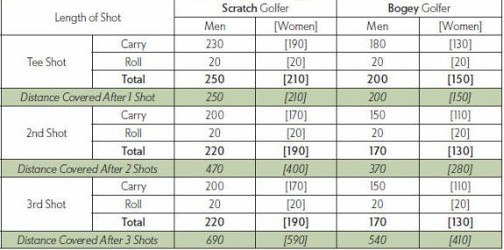
You’ll often hear the phrase bogey golfer. This means a player who averages a bogey on each hole. In golf’s handicap system, a bogey golfer usually has a handicap of about 18. That’s because they shoot about 90 on a par-72 course.
Being a bogey golfer is a sign of solid skill for many amateurs. It shows consistency and some control over the game.

Bogey In Different Formats: Stroke Play Vs. Match Play
How does a bogey affect you in different types of competition?
- Stroke Play: Every stroke counts. Bogeys add to your final score. Players try to keep bogeys to a minimum.
- Match Play: You play against an opponent hole by hole. A bogey may lose you the hole, but it doesn’t hurt your overall score as much as in stroke play. Sometimes, a bogey can still win the hole if your opponent plays worse.
This difference changes strategy. In match play, aggressive shots may be worth the risk, while in stroke play, steady play is often better.
Famous Bogey Moments In Golf
Even the best golfers make bogeys. Some of the most dramatic moments in golf history involve bogeys at key times.
- In the 2006 U.S. Open, Phil Mickelson made a double bogey on the final hole, losing his chance to win.
- Tiger Woods, during his 2008 U.S. Open win, made several bogeys but recovered with amazing birdies.
These examples show that bogeys are part of the game, even for champions.
Psychological Side: Dealing With Bogeys
Making a bogey can be frustrating, especially if you were close to par. Many new golfers let a bogey ruin their mood, leading to more mistakes. The best players know how to accept a bogey and move on.
Here are some tips:
- Don’t Dwell on Mistakes: Each hole is a new chance. Forget the last bogey and focus on the next shot.
- Set Realistic Goals: For beginners, making bogey can be a good result. Don’t expect par on every hole.
- Learn from Each Hole: After your round, think about where bogeys happened. Was it a missed putt, a poor drive, or a risky shot? This helps you improve for next time.
How To Track Your Bogeys
Keeping track of your bogeys can help you see progress. Write down your score on each hole. At the end of your round, count how many bogeys, double bogeys, and worse you made.
Here’s a simple way to record:
| Hole | Par | Your Score | Result |
|---|---|---|---|
| 1 | 4 | 5 | Bogey |
| 2 | 5 | 6 | Bogey |
| 3 | 3 | 3 | Par |
You’ll spot patterns and know which parts of your game need work.
Non-obvious Insights About Bogeys
Many beginners think every bogey is a bad sign. In reality, bogey golf is a common level for most players. Even single-digit handicappers (those who shoot in the 70s or low 80s) make some bogeys every round.
Another thing most golfers miss: Smart bogeys are better than risky mistakes. If you’re in trouble, playing safe to make a bogey is often smarter than trying a risky shot that leads to double or triple bogey.
Bogeys In Popular Golf Formats
Some games are designed around bogeys. In the “Stableford” system, points are given for scores on each hole, and a bogey may earn one point, while worse scores earn none. This keeps play moving and encourages aggressive play because a bad hole doesn’t destroy your whole score.
In casual games, some friends play for “bogey bets”—small prizes for the fewest bogeys in a round, not just the lowest total score.

How To Turn Bogeys Into Pars
Improvement in golf is often about turning bogeys into pars. Here’s how:
- Work on your short game (chipping and putting)
- Practice hitting fairways with your driver
- Focus on your approach shots—get the ball on the green in regulation
- Learn to read greens and control your putting speed
Small improvements in these areas can quickly reduce your bogey count.
When Is A Bogey A Good Result?
Sometimes, a bogey is a smart play. On very tough holes—long par 4s, holes with water or difficult greens—even professionals play for a bogey to avoid a big number. If you’re out of position, taking a bogey can save your round.
Bogey And The Golf Handicap System
Your golf handicap is a number that shows your playing level. It’s based on your scores compared to par. A bogey golfer (handicap 18) is the standard player used in many handicap calculations. This lets players of different abilities compete fairly.
For more on how handicaps work, you can visit the official Golf Handicap Wikipedia page.
Frequently Asked Questions
What Is A Bogey In Golf?
A bogey is a score of one stroke more than par on a hole. For example, if par is 4 and you take 5 shots, that’s a bogey.
Is Making A Bogey Bad In Golf?
Not always. For beginners and average players, bogeys are normal and expected. Even professional golfers sometimes make bogeys.
What Is A Double Bogey?
A double bogey is two strokes over par on a hole. For example, if par is 4 and you take 6 shots, it’s a double bogey.
How Many Bogeys Does A Typical Golfer Make?
Most average golfers make about one bogey per hole, or 18 bogeys in a round. As players improve, the number of bogeys usually goes down.
Can You Win A Golf Tournament With Bogeys?
Yes. Even top professionals sometimes win with bogeys on their scorecard. The key is to make more birdies and pars to balance out the bogeys.
Golf is a game of skill, patience, and learning from mistakes. Understanding bogeys is a big part of enjoying the journey. Whether you’re a beginner or an experienced player, remember that bogeys are just one step on the path to better golf.
Play smart, enjoy the challenge, and don’t let a bogey ruin your round.