
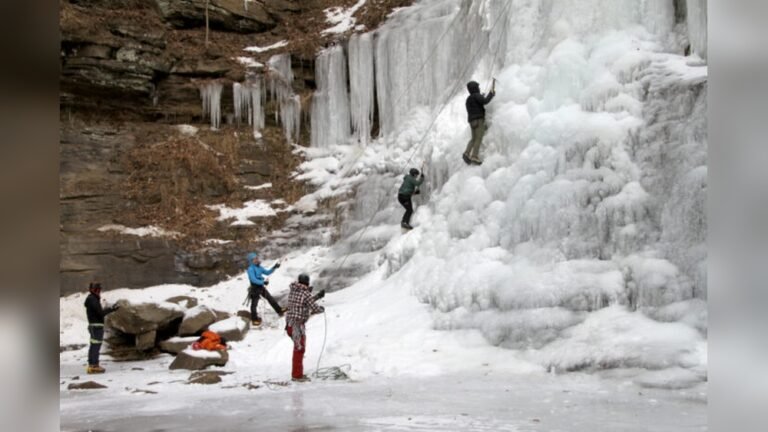
Standing at the base of a frozen waterfall, you feel the cold air on your face and hear the soft crackle of ice beneath your boots. This is the world of ice climbing, a sport that draws people to some of the most beautiful—and dangerous—winter landscapes. Frozen waterfalls are not just stunning; they are also unpredictable. Ice climbers face many risks, from falling ice to sudden changes in weather. So, how do ice climbers stay safe on these breathtaking but hazardous climbs? The answer is a mix of careful preparation, specialized gear, strong technique, and constant attention to safety. In this article, you’ll discover the essential methods ice climbers use to protect themselves while scaling frozen waterfalls.
Understanding The Risks Of Ice Climbing
Climbing ice is very different from climbing rock. Frozen waterfalls change daily with the weather. Warm sun, cold nights, and even other climbers can make the ice break, crack, or shift. The most common dangers include:
- Falling ice: Chunks can break off above and hit climbers below.
- Avalanches: Heavy snow above the climb can slide down.
- Weak ice: Not all ice is strong enough to hold a climber’s weight.
- Cold injuries: Frostbite and hypothermia are constant threats.
- Falls: Slipping on ice is more dangerous than on rock.
Because of these dangers, ice climbers must use special skills and equipment. They also need to make smart decisions before and during each climb.
Essential Gear For Ice Climbing Safety
Every ice climber relies on special equipment to stay safe. Unlike rock climbing, ice climbing needs tools that can grip and bite into ice. Here’s a look at the core gear and what makes it so important.
| Gear Item | Main Purpose | How It Helps Safety |
|---|---|---|
| Ice Axes (Ice Tools) | For swinging and hooking into ice | Gives grip and balance on steep ice |
| Crampons | Metal spikes attached to boots | Prevents slipping and aids climbing |
| Helmets | Protects the head | Shields from falling ice and gear |
| Ice Screws | Anchors screwed into ice | Creates secure points for ropes |
| Harness and Ropes | For belaying and catching falls | Stops a climber from hitting the ground |
| Protective Clothing | Insulation and waterproofing | Prevents cold injuries |
Two things beginners often miss: The fit of your boots and gloves matters as much as your rope. Loose boots can cause you to slip, and poor gloves make you clumsy with tools.
Pre-climb Preparation: The First Line Of Safety
Safety starts before you even set foot on the ice. Smart ice climbers spend time researching the climb, checking weather forecasts, and talking to local experts. Here’s what this preparation looks like:
- Checking weather and avalanche forecasts: Sudden temperature changes can weaken ice or cause avalanches.
- Studying the waterfall: Recent photos, guidebooks, and online reports can show if the route is safe.
- Choosing the right partners: Climbing with people who have good experience and trust each other is essential.
- Packing emergency gear: This includes a first aid kit, headlamp, extra gloves, and a communication device.
One key insight: Many accidents happen when people rush or skip this step. Taking time to prepare makes a real difference.
Reading The Ice: Deciding If It’s Safe
Not all ice is the same. Climbers must learn to read the ice to know if it’s strong enough to climb. Here’s how they do it:
- Color of the ice: Clear blue or gray ice is usually the strongest. White, bubbly, or brown ice can be weak.
- Sound: Solid ice makes a dull “thunk” when hit. Hollow or “cracking” sounds mean danger.
- Thickness: Ice should be at least 10 cm (4 inches) thick to hold a climber and gear.
- Temperature history: If it was warm the day before, the ice might be soft and unsafe.
More experienced climbers can even spot “candlestick” formations—long, thin icicles that look pretty but are too fragile to climb.
Using Safe Climbing Techniques
Once on the ice, good technique is a major part of staying safe. Here are some important methods:
- Three-point contact: Always keep three of four points (hands or feet) on the ice. This gives balance and security.
- Controlled swings: Swing ice axes with care to avoid breaking thin ice or hitting your partner.
- Stepping carefully: Place crampons flat on the ice to maximize grip. Kicking too hard can crack the surface.
- Belaying: One climber holds the rope while the other climbs. If the climber falls, the belayer can stop the fall.
| Technique | Common Mistake | How to Avoid |
|---|---|---|
| Pendulum Swing | Over-swinging the axe | Use wrist, not whole arm |
| Front-Pointing | Standing on crampon tips only | Keep heels low for stability |
| Tool Placement | Trusting a poor placement | Test each hold before moving |
A tip many miss: Look for “screw holes” left by earlier climbers. These can be weak spots—avoid trusting them for your own gear placements.
Building Strong Anchors
Anchors are the lifelines that catch a fall. On frozen waterfalls, climbers use ice screws, v-threads, and natural features to build anchors. Here’s what matters:
- Ice screws: These metal tubes twist into the ice. The best anchors use two or more screws in solid ice, spaced apart.
- V-threads: By drilling two holes that meet inside the ice, climbers create a “V” shape to thread a rope through. This is often used for rappelling (coming down).
- Backups: Never trust a single anchor. Always have a backup in case one fails.
Expert insight: Placing anchors in sun-warmed ice or near cracks is risky. Choose locations with thick, cold, and undamaged ice.
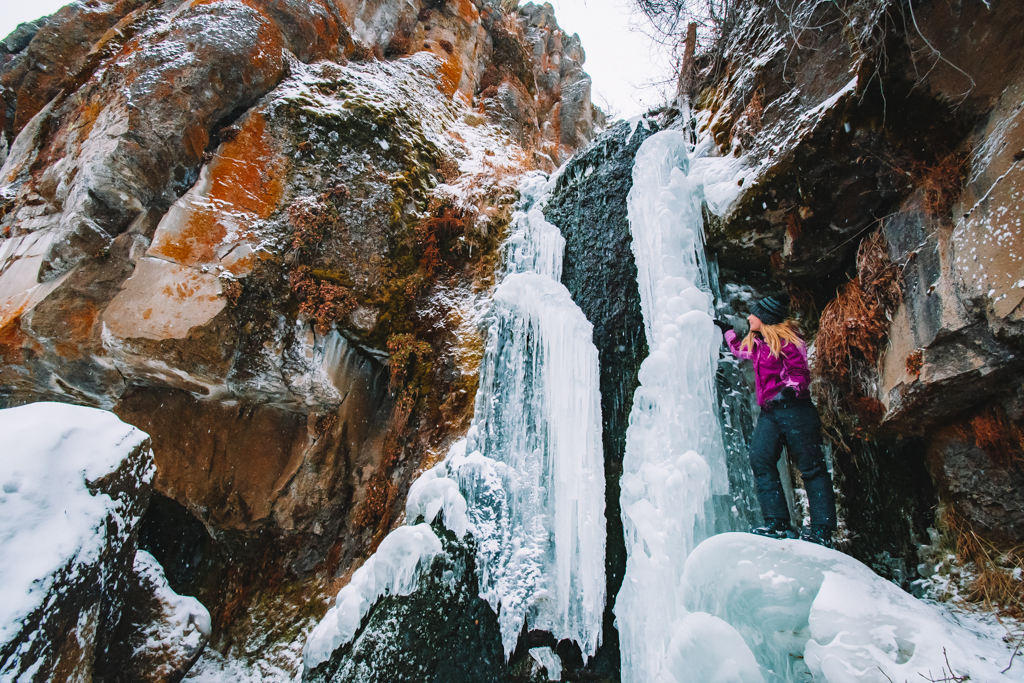
Managing Falling Ice And Other Climbers
Falling ice is a real danger, especially on busy routes. Climbers use these strategies to reduce risk:
- Climb early in the day: Colder temperatures mean less falling ice.
- Space out: Only one person climbs at a time. Others wait in safe zones away from the fall line.
- Clear communication: Shouting “ICE!” warns partners of falling chunks.
On popular frozen waterfalls, weekends can get crowded. Smart climbers avoid busy times to keep safe.
Clothing And Staying Warm
Staying warm is not just about comfort—it’s about safety. Frostbite and hypothermia can end a climb quickly. Climbers use several layers:
- Base layer: Wicks sweat away from skin.
- Insulating layer: Traps heat (down or synthetic jackets).
- Shell layer: Blocks wind and water.
Hands and feet need special care. Double gloves and thick socks are common. Climbers also keep spare gloves, as wet ones freeze quickly.
Non-obvious tip: Eat high-energy snacks often. Your body burns more calories in the cold, and even a small drop in energy can make you clumsy.

Emergency Planning And Rescue
Even the best climbers face accidents. Having a rescue plan can save lives. Here’s how climbers prepare:
- Carrying a satellite phone or beacon: In remote areas, cell phones don’t work.
- Knowing escape routes: Before climbing, teams plan how to get down quickly if weather or conditions change.
- Self-rescue skills: All team members should know how to build anchors, rappel, and give basic first aid.
Climbers also leave a plan with someone at home, including their route and return time.
The Role Of Experience And Training
No piece of gear or checklist can replace experience. Most climbers start with easier climbs, often with a guide or instructor. Formal courses teach:
- Ice climbing technique
- Anchor building
- Avalanche safety
- First aid
Even after years of climbing, most people continue to learn. Many join local clubs to share tips and stay updated on new safety methods.
Comparing Ice Climbing To Other Mountain Sports
To understand why ice climbing has unique safety needs, compare it to rock climbing and alpine climbing:
| Sport | Main Risks | Key Safety Focus |
|---|---|---|
| Ice Climbing | Falling ice, weak anchors, cold injuries | Gear, anchor quality, temperature management |
| Rock Climbing | Loose rocks, gear failure, falls | Rope systems, helmet use, communication |
| Alpine Climbing | Avalanches, crevasses, weather | Route choice, avalanche awareness, teamwork |
The ever-changing nature of ice means ice climbers must be flexible and always ready to adapt.
Common Mistakes Beginners Make
Many new ice climbers face the same problems:
- Ignoring weather warnings: Trusting luck instead of forecasts.
- Using poor technique: Swinging tools too hard, standing insecurely.
- Trusting bad anchors: Not double-checking placements.
- Wearing the wrong clothing: Getting cold leads to mistakes.
- Skipping training: Climbing before learning rescue skills.
Recognizing these mistakes early can help prevent accidents.
Real-life Example: A Day On A Frozen Waterfall
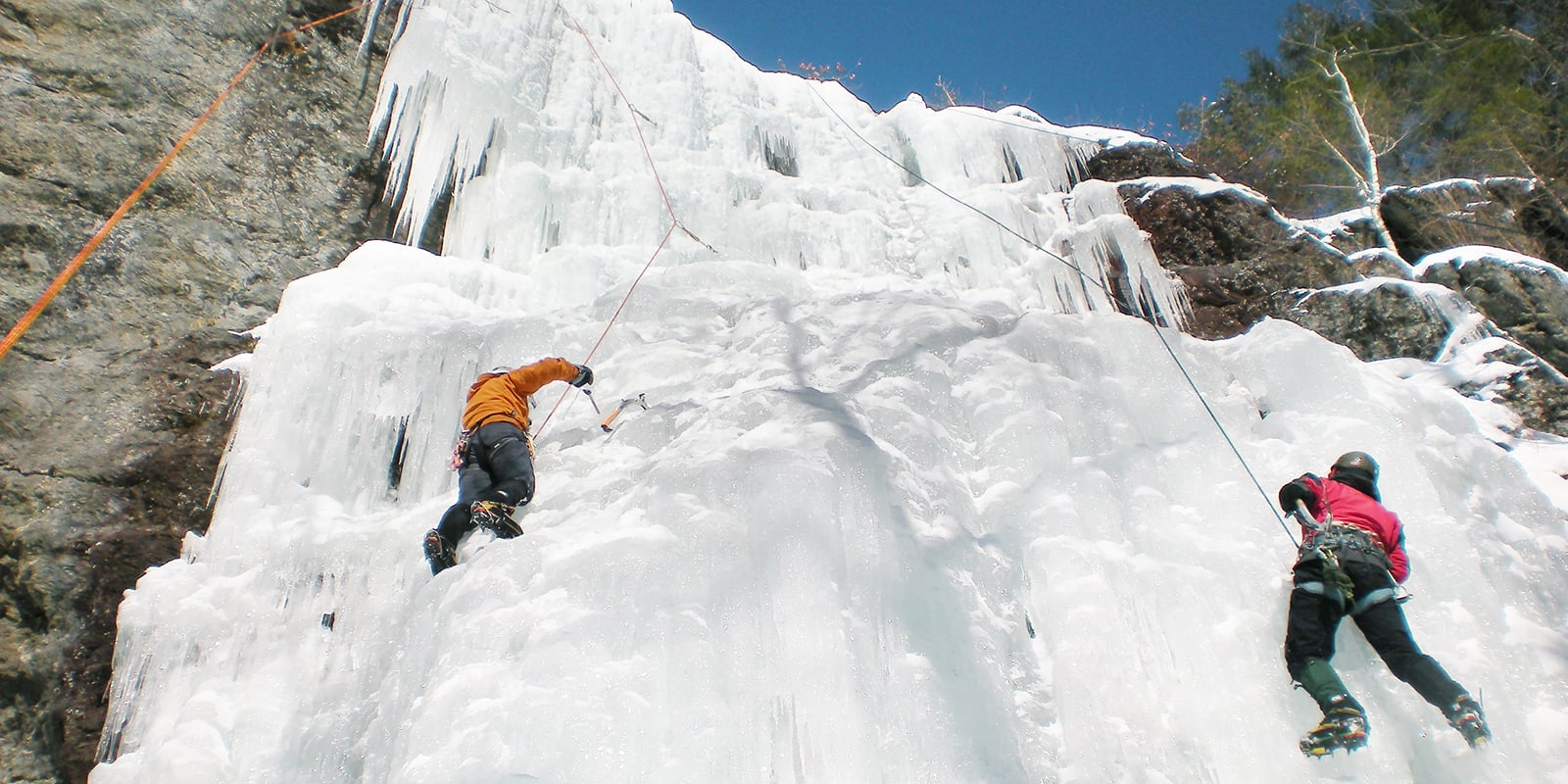
Imagine a team arrives at a famous frozen waterfall at sunrise. They check the ice for cracks and color, talk about the route, and put on helmets and crampons. One climber leads, placing ice screws every few meters. The partner belays, always alert for falls or falling ice.
Halfway up, they spot a section of thin, white ice. The leader tests it, hears a hollow sound, and chooses a different path. Later, as the sun warms the ice, small chunks start falling. The team decides to stop early, rappelling down using v-threads.
By the end of the day, they are tired but safe—a good reminder that smart choices are as important as strong muscles.
Staying Up-to-date: Learning From Others
The world of ice climbing is always changing. New gear and techniques appear each year. Many climbers follow updates from the American Alpine Club or read accident reports to learn from others’ mistakes. This culture of sharing helps everyone stay safer. For more detailed technical information, see this authoritative page from the Wikipedia on Ice Climbing.
Frequently Asked Questions
How Do Ice Climbers Know If The Ice Is Safe To Climb?
Climbers look for clear, blue or gray ice, which is usually strongest. They also check the thickness (at least 10 cm), listen for solid sounds when tapping, and consider recent weather changes. If the ice looks white, bubbly, or makes hollow sounds, they avoid it.
What Should You Do If You Fall While Ice Climbing?
If you fall, a properly set belay system and good anchors will stop you. After a fall, climbers check for injuries, inspect their gear, and decide if it’s safe to continue. Practicing self-rescue and knowing how to call for help are critical.
Can You Ice Climb Alone?
Climbing alone, called soloing, is very risky and not recommended, especially for beginners. Most ice climbers use a partner for belaying, placing anchors, and helping in emergencies.
What Is A V-thread, And Why Is It Used?
A v-thread is an anchor made by drilling two holes in the ice that meet inside, forming a “V.” Climbers thread a rope through it to rappel down safely. It’s used because it leaves almost no gear behind and works well in thick, solid ice.
How Do Climbers Prevent Frostbite And Hypothermia?
Climbers wear multiple layers, including waterproof shells and insulated gloves and socks. They eat high-energy foods, keep moving, and avoid getting wet. If someone shows signs of cold injury (numbness, shivering), the team stops and warms up immediately.
Ice climbing on frozen waterfalls will always have risks. But with the right knowledge, training, and respect for nature, climbers can enjoy the beauty of winter while staying safe. Whether you’re new to the sport or just want to understand it better, remember: safety comes first, every time.
