
Ice climbing has a certain magic. You see people scaling frozen waterfalls and icy cliffs, moving up sheer walls with axes and crampons. Maybe you’re wondering: How long does it take to learn ice climbing? The answer is not simple, but it’s possible for almost anyone with the right plan, mindset, and some patience. Whether you dream of big mountains or just want to try a new winter sport, understanding the learning path can help you reach your goals safely and efficiently.
What Does “learning Ice Climbing” Mean?
Learning ice climbing is not just about swinging an ice axe. It covers a range of skills, from basic movement to advanced safety. Beginners often think learning means reaching the top of their first ice wall. In reality, “learning” can mean:
- Gaining basic climbing technique
- Understanding gear and how to use it
- Managing rope work and belaying
- Learning to assess ice quality and danger
- Building enough skill to climb independently
Most people want to know: How long until I can climb safely with friends? Or lead my own climbs? The timeline depends on your goal.
Key Factors That Affect Your Learning Time
No two people learn at the same speed. Still, certain factors always matter:
- Physical fitness – Leg and core strength, endurance, and balance help a lot.
- Previous climbing experience – Rock climbers learn ice climbing faster because of rope skills.
- Frequency of practice – Climbing once a year vs. every weekend makes a huge difference.
- Quality of instruction – Professional guides can speed up learning and avoid bad habits.
- Conditions and location – Long winters and good ice make learning easier.
- Personal motivation – People who are curious and determined move faster.
A common mistake is thinking age is a major barrier. In reality, adults of many ages can learn ice climbing if they are healthy and motivated.
The Basic Timeline: How Long Does It Take?
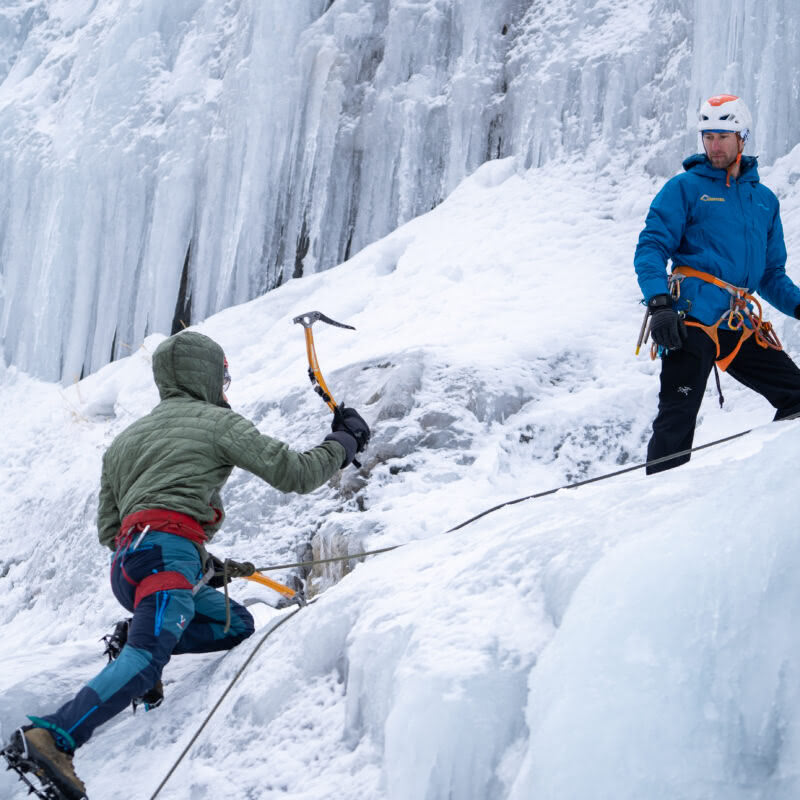
Let’s break down the journey into stages. These are rough averages for someone with little or no climbing background.
First Exposure: 1 Day
Many people start with a guided intro course. In just one day, you’ll likely:
- Learn to put on crampons and harness
- Try swinging an axe
- Climb a top-rope route (with a rope above you for safety)
You can enjoy the sport right away, but you’re not yet independent.
Gaining Basic Skills: 2–5 Days
After 2–5 days (not necessarily in a row), you can expect to:
- Climb moderate ice (WI2–WI3) with top-rope
- Understand basic gear use
- Learn to belay (manage the rope for another climber)
- Start to move more efficiently
Most people need at least two or three sessions to feel comfortable and less fearful.
Becoming A Competent Follower: 5–10 Days
With five to ten days of experience, you should be able to:
- Climb moderate ice with good technique
- Belay safely and confidently
- Recognize basic ice hazards
- Follow a leader up multi-pitch routes
This stage is when you can join friends on real climbs and contribute to the team.
Leading Ice Climbs: 15–30 Days
Leading is a big step. You place your own gear and are responsible for safety. This usually takes:
- 15–30 days of practice (spread over one or more seasons)
- A deep understanding of anchors and ice screw placement
- Comfort with route finding and risk assessment
Many people climb for years before leading difficult routes.
Table: Typical Ice Climbing Progression
Here’s a summary for quick reference:
| Stage | Time Required | Main Abilities |
|---|---|---|
| First Exposure | 1 day | Try climbing, basic gear use |
| Basic Skills | 2–5 days | Climb top-rope, belay, safety basics |
| Competent Follower | 5–10 days | Climb moderate ice, belay, hazard awareness |
| Beginner Leader | 15–30 days | Lead easy routes, place protection |
Is Ice Climbing Hard To Learn?
Ice climbing is challenging, but not impossible. The hardest parts for beginners are:
- Managing fear of falling
- Learning to trust your gear
- Moving efficiently without getting tired quickly
Most people are surprised by how much technique matters. You don’t have to be super strong. Good footwork and calm breathing make a bigger difference than arm strength. For example, many first-timers try to pull themselves up with their arms and get exhausted.
Experienced climbers use their legs and keep their arms relaxed.
How To Speed Up Your Progress
If you want to learn ice climbing faster, focus on these strategies:
- Take a professional course. Learning with a certified guide gives you feedback and safe practice.
- Practice regularly. Short, frequent sessions beat one long trip a year.
- Work on fitness. Leg strength, cardio, and flexibility help a lot.
- Climb with better partners. Experienced friends can show tricks and keep you motivated.
- Study between trips. Watch videos, read books, and review safety skills at home.
- Get familiar with equipment. Learn to adjust crampons and axes before you climb.
One non-obvious tip: Practice rope work and knots at home. Many beginners waste time fumbling with ropes in the cold. If you know your knots, you’ll feel much more confident on the ice.
What Skills Do You Need To Master?
Ice climbing demands more than just climbing up a wall. Here are the core skills you need to develop:
Equipment Use
You must know how to use:
- Crampons for safe foot placement
- Ice axes (or tools) for stable holds
- Harness and helmet for safety
- Ice screws for protection while leading
Fitting your gear properly and checking it before every climb is essential. Poorly fitted crampons can lead to dangerous slips.
Climbing Technique
Key techniques include:
- Kicking precise steps with your feet
- Placing ice tools without shattering the ice
- Moving smoothly to avoid getting tired
- Using your legs for support, not just your arms
Most beginners swing the axe too hard. Gentle, accurate swings work better and reduce the chance of breaking the ice.
Rope Skills
You’ll need to:
- Tie knots (figure-eight, clove hitch, prusik)
- Belay safely (manage the rope for your partner)
- Build anchors and set up top ropes
Practicing these skills indoors or on dry land helps a lot.
Risk Assessment
Ice is never the same. You must learn to:
- Read ice quality (clear blue is best, white and brittle is risky)
- Spot dangerous conditions (overhanging ice, running water, falling debris)
- Make decisions about when to climb or turn back
Table: Essential Ice Climbing Skills
Here’s a breakdown of what you need to learn:
| Skill | Why It Matters |
|---|---|
| Equipment Use | Safety, efficiency, comfort |
| Climbing Technique | Reduce fatigue, prevent falls |
| Rope Skills | Protect yourself and partners |
| Risk Assessment | Avoiding hazards, making safe decisions |
Common Mistakes And How To Avoid Them
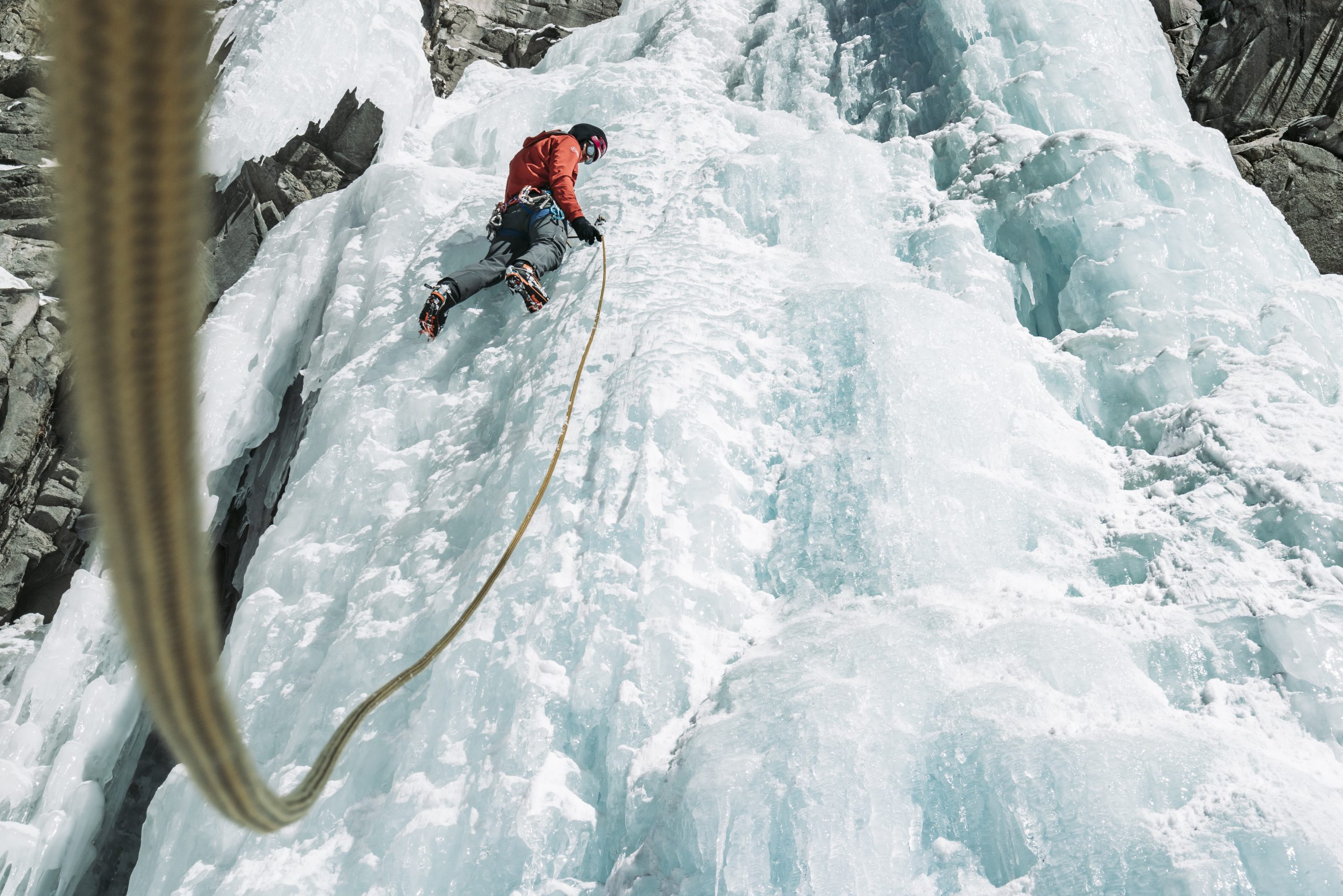
Learning ice climbing comes with challenges. Some of the most frequent mistakes beginners make are:
- Over-gripping the tools. This tires your hands and arms quickly.
- Ignoring footwork. Good climbers focus 70% on their feet, not their hands.
- Climbing too hard, too soon. Start with easy routes and build confidence.
- Not checking gear. Loose crampons or dull tools can lead to accidents.
- Climbing in unsafe conditions. Bad ice or warm weather can be deadly.
A less obvious mistake is climbing with a group that is too advanced. You may feel pressure to keep up, leading to risky decisions. It’s better to climb with people who respect your learning pace.
How Weather And Location Affect Learning Time
The best places to learn ice climbing have reliable cold weather, easy access, and a variety of routes. If you live in a region with short winters or unpredictable ice, progress may be slower simply because you get less practice.
For example, popular beginner areas like Ouray, Colorado or Banff, Canada have long seasons and friendly climbing schools. In warmer climates, you might have only a few weeks each year.
Travel can help, but it adds cost and planning. Some people use indoor climbing gyms with artificial ice walls, but these are rare. If you live near a good ice climbing destination, you’ll learn much faster.
How Much Does It Cost To Learn Ice Climbing?
Cost is another factor that can affect your learning speed. Here’s a rough estimate:
- Intro course (1 day): $150–$300, including gear rental
- Buying your own gear: $1,000–$2,000 for boots, crampons, axes, helmet, harness, etc.
- Travel and accommodation: Varies by location
Some people rent gear for the first season before buying their own. Joining a local club can also save money and connect you with partners.
Table: Ice Climbing Gear Cost Breakdown
Here’s a typical starter kit:
| Item | Average Cost (USD) |
|---|---|
| Mountaineering boots | $300–$500 |
| Crampons | $150–$250 |
| Ice tools (pair) | $300–$500 |
| Helmet | $60–$150 |
| Harness | $60–$120 |
| Ice screws (each) | $50–$70 |
Investing in good gear is important for safety and confidence.
Realistic Timelines: Examples From Climbers
- Sarah, age 32, never climbed before: After a weekend course, she could climb top-rope on easy ice. After four weekends in one season, she could belay and follow friends up longer routes.
- Mike, age 45, experienced rock climber: He learned basic ice climbing in two days and started following harder routes after five trips. Led his first easy climb after 12 days.
- Anna, age 28, lives near ice: Climbed twice a week all winter. Became a competent leader in her second season.
Most climbers reach a basic level in one season if they practice consistently. Leading routes safely takes at least one full season for most people.
When Are You “good Enough”?
This is a personal question. For some, “good enough” means climbing without fear and staying safe. For others, it means leading hard routes or teaching friends. The best sign you are progressing is feeling more relaxed, efficient, and aware of your surroundings each time you go out.
One thing beginners often miss: Progress is not always linear. You may hit plateaus or face tough days. That’s normal. Celebrate small wins and keep learning.
Where To Find Reliable Instruction
It’s important to learn from qualified instructors. Look for guides certified by organizations like the American Mountain Guides Association or Alpine Club. Check local climbing clubs and ice festivals for group courses.
A useful resource for general information is the Wikipedia page on ice climbing.
Frequently Asked Questions
How Fit Do I Need To Be To Start Ice Climbing?
You don’t need to be a super athlete. Basic fitness—especially strong legs and good balance—helps. Cardiovascular health is important, too. Most people can start with moderate walking and some bodyweight exercises.
Can I Learn Ice Climbing If I’m Afraid Of Heights?
Yes, many people are nervous at first. Starting on low-angle ice and working with patient instructors can help. Fear usually decreases with practice and trust in your gear.
Is It Possible To Learn Ice Climbing Indoors?
Very few places offer indoor ice climbing. Some gyms have dry-tooling walls, which help with technique, but real ice is best for practice.
How Do I Know When I’m Ready To Lead My Own Ice Climbs?
When you can belay perfectly, assess ice quality, and place protection safely without supervision, you’re likely ready to start leading easy routes under guidance. Don’t rush this stage.
What’s The Best Age To Learn Ice Climbing?
There’s no perfect age. Many people start in their 20s, 30s, or even 50s. As long as you’re healthy and motivated, you can learn.
Ice climbing can be learned in months, mastered over years, and enjoyed for a lifetime. With the right plan and steady effort, most people are surprised how far they can go—and how quickly the frozen world opens up to them.
