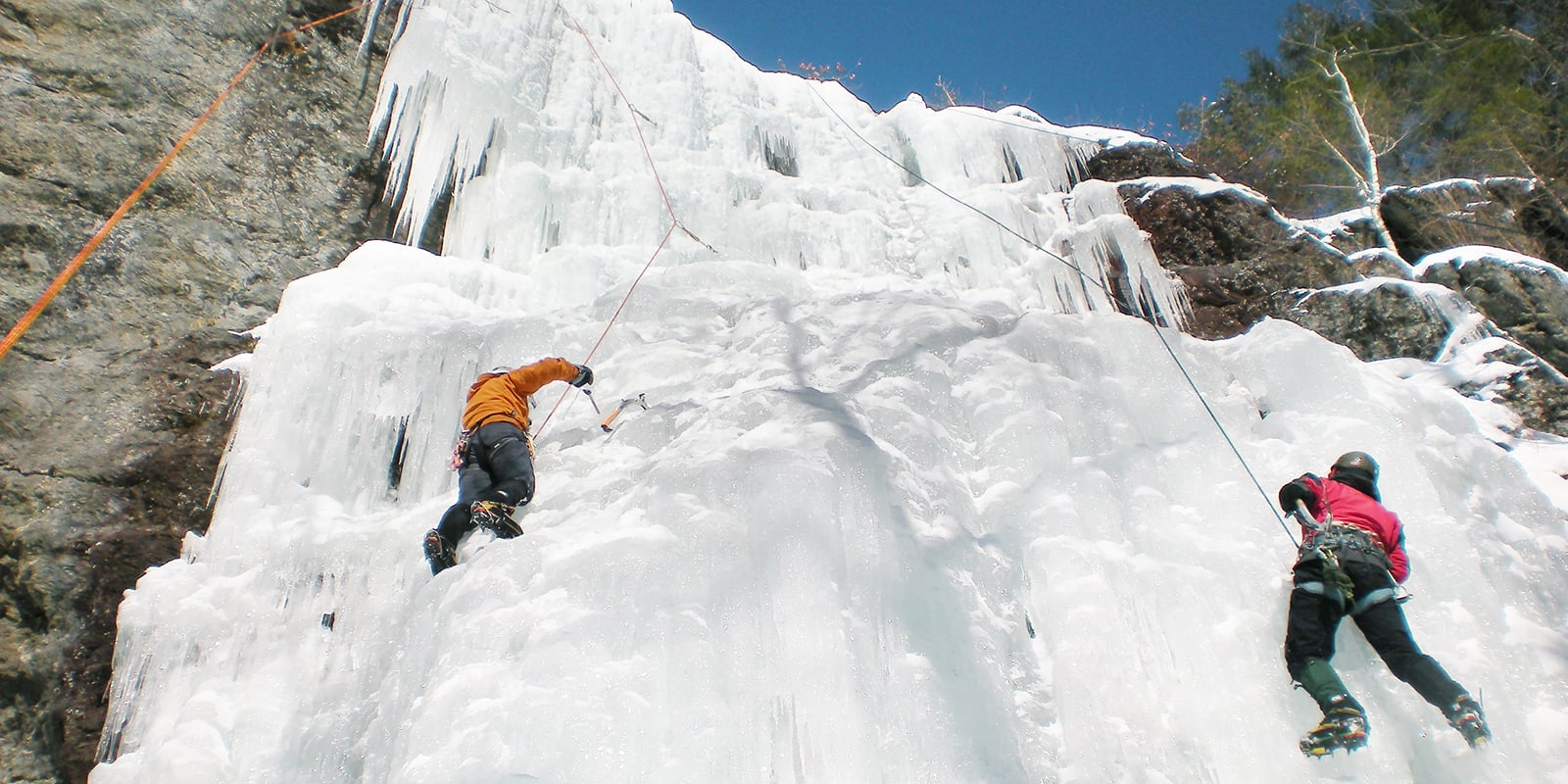
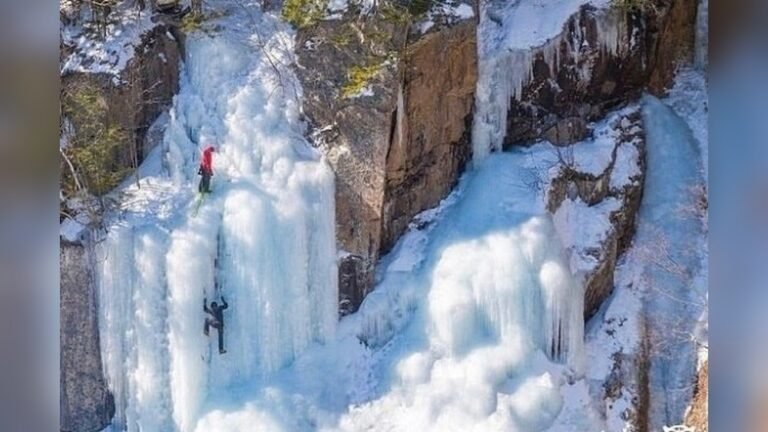
Ice climbing is not just a winter sport—it’s an adventure that pushes both mind and body to new limits. Imagine hanging from a frozen waterfall, hearing only the crunch of your crampons and the swing of your axe. This sport attracts people who love challenge, but it’s not something you can just pick up and try without preparation.
Ice climbing requires a blend of physical ability, technical knowledge, and mental strength. Many newcomers focus on gear or basic fitness, but there’s much more to it. Understanding the full range of skills needed can be the difference between an enjoyable climb and a dangerous situation.
Whether you’re dreaming of scaling icy cliffs in Canada, conquering alpine routes in the Alps, or just starting out at your local frozen waterfall, knowing what skills are required for ice climbing will help you prepare, stay safe, and get the most out of every climb.
Physical Fitness And Endurance
Climbing ice is demanding on the body. The cold, the weight of gear, and the awkward positions all add to the challenge.
Upper Body Strength
You need strong arms, shoulders, and back to swing your ice axes into hard ice. But raw power isn’t enough; you also need muscle endurance. Each swing and pull must be controlled. Overgripping or relying only on arm strength will quickly lead to fatigue.
Core Stability
A strong core helps you balance on small footholds and keep your body close to the ice. This reduces strain on your arms and helps transfer power efficiently between your lower and upper body.
Leg Power
Your legs are your engine. Pushing up with your legs, not pulling with your arms, is key to efficient climbing. Climbers with good leg strength can rest their upper body more often.
Cardiovascular Endurance
Long climbs require heart and lung endurance. Climbing at high altitude or in cold weather is even harder on your body, so aerobic fitness is important.
Insight: Many beginners focus only on arm strength, but experienced climbers use their legs and core to conserve energy.
Technical Climbing Skills
Ice climbing is as much about technique as it is about power. Learning the right moves and using your tools efficiently are essential.
Tool Placement
Every swing of your ice axe should be precise. Wild swinging wastes energy and can crack the ice, making it harder to climb. Learning to “read” the ice and choose solid spots for your tools is a core skill.
Footwork
Placing your crampons properly matters more than you might think. Good climbers kick their front points into the ice at the right angle—usually about 45 degrees—so they stick well but don’t tire the calves. Delicate footwork reduces slips and saves energy.
Body Position
Keeping your body close to the ice and hips in helps you stand on small footholds and reach higher with your tools. This position, often called the “triangle stance,” is the most stable and efficient.
Movement Coordination
Ice climbing is a rhythmic movement: kick, kick, swing, swing, stand up. Moving smoothly and making each step count prevents unnecessary energy loss.
Non-obvious tip: Practicing tool placement and footwork on easy climbs builds habits that pay off on harder, steeper ice.
Equipment Knowledge And Management
Using the right gear—and using it correctly—is vital for safety and success.
Understanding Ice Tools
Modern ice axes and ice screws are specialized. Knowing how to sharpen, maintain, and use them safely is essential. For example, dull crampons can slip on hard ice, while poorly placed ice screws may not hold in a fall.
Harness And Rope Skills
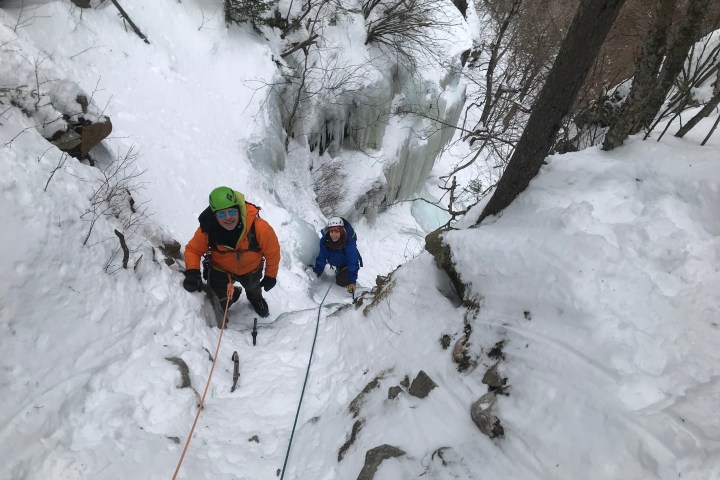
You must know how to fit your harness, tie knots, and belay partners. Mistakes here can lead to serious accidents.
Clothing For Cold
Layering is an art. Too many clothes and you overheat; too few and you freeze. Knowing how to manage insulation, shells, and gloves is a skill by itself.
Emergency Gear
Carrying and using avalanche beacons, first aid kits, and communication tools is important, especially on remote climbs.
Practical insight: Always check your gear before leaving home. Ice climbing often happens in remote places where replacements aren’t available.
Risk Assessment And Safety Awareness
Ice climbing has real dangers. Good climbers know how to recognize and manage risk.
Ice Quality Assessment
Not all ice is the same. “Hero ice” (soft and sticky) is easy to climb, but “brittle ice” can shatter. Understanding the difference can prevent accidents.
Avalanche Awareness
Many ice climbs are in avalanche terrain. Reading the snowpack, checking forecasts, and recognizing signs of danger are life-saving skills.
Route Planning
Studying maps, weather, and trip reports helps you choose safe routes. The ability to change plans if conditions are bad is a mark of a wise climber.
Self-rescue Skills
Knowing how to build anchors, escape a belay, or descend safely if something goes wrong is critical. Practice these skills with your group before you need them for real.
Non-obvious skill: Learning to say “no” or turn back is a skill many overlook, but it’s vital for long-term safety.

Mental Toughness And Focus
Ice climbing is as much a mental game as a physical one. The cold, fear of falling, and the effort required can be overwhelming.
Managing Fear
Feeling nervous is normal. Learning to breathe, focus on each movement, and trust your training helps you keep moving upward.
Patience And Perseverance
Progress can be slow. Ice conditions change daily, and sometimes you must wait for the right weather, or try the same move several times before it works.
Decision Making
Quick, clear decisions are often needed—whether to climb higher, retreat, or change tactics. Staying calm under pressure makes a huge difference.
Practical tip: Visualize each move before you make it. This helps reduce anxiety and increase accuracy.
Communication And Teamwork
Few ice climbs are solo efforts. Good communication with your partner or group is a must.
Climbing Commands
Standard phrases like “On belay,” “Climbing,” and “Take” are used to avoid confusion. Clear, loud communication is important, especially when wind and ice make it hard to hear.
Trust And Support
You must trust your partner with your life. Sharing information about conditions, checking each other’s gear, and giving encouragement are all part of safe climbing.
Problem Solving Together
If something goes wrong—like a stuck rope or broken tool—working together calmly is better than panicking alone.
Example: On a multi-pitch climb, the lead climber relies on the belayer below for safety and advice. Good teamwork can turn a risky climb into a memorable adventure.
Navigation And Route Finding
Finding the best path up the ice is not always obvious, especially in remote areas.
Map And Gps Skills
Knowing how to use a map, compass, or GPS is important. Ice climbs often start far from roads, and whiteout conditions can make navigation tough.
Reading The Terrain
Experienced climbers look for signs of good ice, avoid avalanche slopes, and spot hazards like hanging icicles or hollow-sounding ice.
Route Marking
Sometimes you need to mark your descent route with flags or remember landmarks to find your way back.
Data: According to a 2022 American Alpine Club report, navigation mistakes were a leading cause of lost climbers in winter environments.
Environmental Awareness And Respect
Ice climbing happens in fragile, beautiful places. Protecting these areas is part of being a responsible climber.
Leave No Trace
Take all trash with you, avoid damaging vegetation, and be careful with human waste. Some areas ban certain anchors or access during wildlife seasons.
Understanding Ice Formation
Knowing how ice forms and melts helps you choose safe times to climb, and reduces your impact on the route.
Respect For Others
Yield to faster teams, share information about hazards, and keep noise down. This keeps the climbing community strong and positive.
External link: For more about climbing ethics and environmental protection, see the Access Fund.
Comparative Overview Of Key Skills
To help you see how different skills compare in importance for ice climbing, here’s a summary:
| Skill Area | Beginner | Intermediate | Advanced |
|---|---|---|---|
| Physical Fitness | Basic | Good | Excellent |
| Tool Placement | Learning | Consistent | Precise |
| Risk Assessment | Limited | Developing | High |
| Mental Toughness | Building | Solid | Strong |
| Navigation | Basic | Improving | Confident |
Essential Ice Climbing Equipment Comparison
Here’s how some key equipment items compare in terms of purpose and importance:
| Equipment | Main Function | Importance |
|---|---|---|
| Ice Axes | Climbing/Anchoring | Critical |
| Crampons | Foot Grip | Critical |
| Ice Screws | Protection | Very High |
| Harness | Safety | Essential |
| Helmet | Head Protection | Essential |
| Rope | Belaying/Rappelling | Essential |
Common Mistakes And How To Avoid Them
Many new ice climbers make avoidable errors. Here are some to watch for:
- Overgripping Tools: Wastes energy. Relax your grip.
- Ignoring Weather: Bad weather increases risk. Always check forecasts.
- Inadequate Layering: Too much or too little clothing leads to discomfort or danger.
- Poor Tool Placement: Wild swings make bad placements. Focus on accuracy.
- Skipping Practice: Not practicing self-rescue or belaying can lead to panic in emergencies.
- Underestimating Risk: Thinking “it won’t happen to me” leads to poor decisions.
Practical advice: Take a course or go with experienced climbers before leading your own climbs. The learning curve is steep, but the rewards are great.
Frequently Asked Questions
What Is The Most Important Skill For Ice Climbing?
While all skills matter, tool placement and footwork are the foundation. Without good technique, strength alone won’t get you up the ice safely.
Can Beginners Start Ice Climbing, Or Do You Need Rock Climbing Experience First?
Beginners can start ice climbing, but having some rock climbing or mountaineering experience helps. Start with easy routes and learn from experienced guides or instructors.
How Dangerous Is Ice Climbing?
Ice climbing has real risks, including falls, cold injuries, and avalanches. With proper training, equipment, and risk assessment, the risks can be managed, but not fully removed.
What Gear Is Absolutely Necessary For Ice Climbing?
Essential gear includes ice axes, crampons, helmet, harness, climbing rope, ice screws, and layered clothing. Rescue and communication equipment are also important for safety.
How Can I Get Better At Ice Climbing?
Practice your footwork and tool placements on easy climbs. Improve your physical fitness, take climbing courses, and climb with more experienced people to learn quickly.
Ice climbing challenges you in ways few sports can. By focusing on the skills above, you’ll be safer, more confident, and ready for the unique adventures only ice can offer.