
Night scuba diving is one of the most exciting and mysterious experiences for underwater explorers. While most people imagine the ocean as a bright, blue world, diving at night reveals a completely different side of marine life. The water becomes dark and silent, colors change, and many animals that hide during the day come out to hunt or play.
Night diving is not just a fun adventure—it also requires special skills, careful preparation, and a different mindset compared to daytime dives. For many divers, their first night dive is unforgettable, and it opens the door to a new world beneath the waves.

Today's Exclusive Deals
Limited-time Exclusive Deals. Check current discount on Amazon.
Check Price on Amazon As an Amazon Associate I earn from qualifying purchases.What Is Night Scuba Diving?
Night scuba diving means diving underwater after sunset, using artificial lights instead of natural sunlight. It can take place just after dusk or even in the middle of the night. The main idea is to explore the underwater environment when it is dark, using dive lights to see and navigate. Night dives can happen in the ocean, lakes, or even rivers, but most commonly, divers explore coral reefs, shipwrecks, or sandy bottoms near the shore.
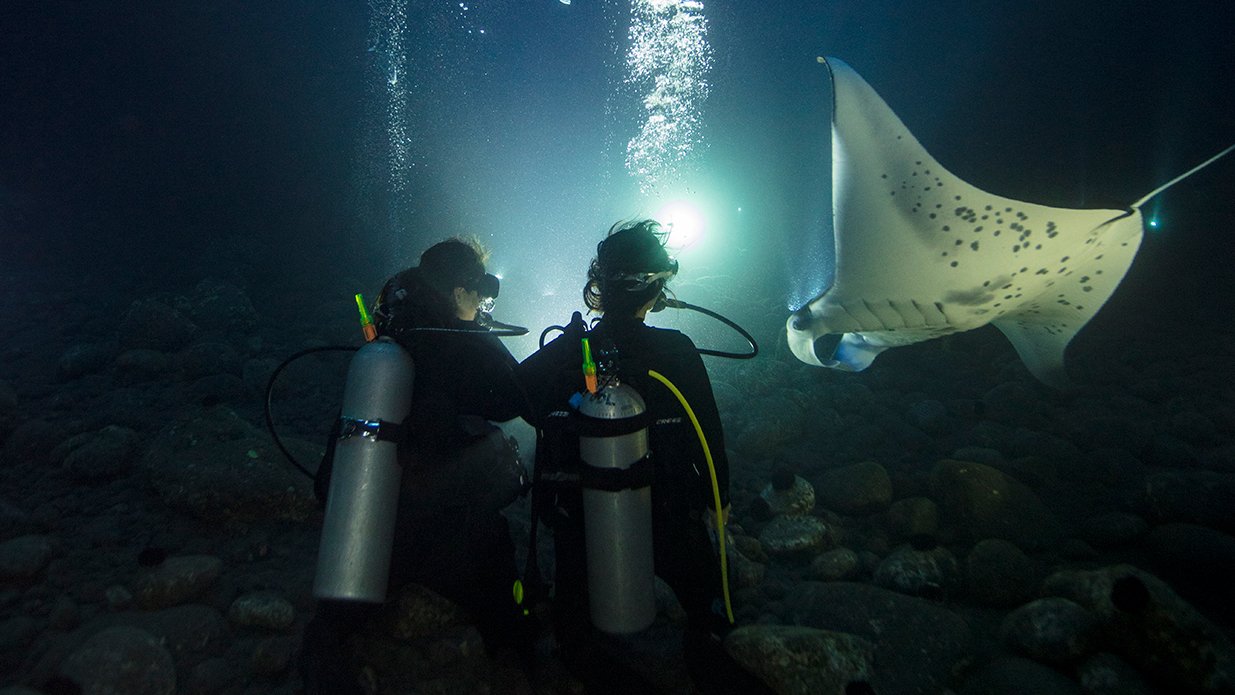
At night, the underwater world changes dramatically. Many sea creatures behave differently, and some fascinating animals are active only in the dark. For example, octopuses, lobsters, and certain fish come out to feed at night. The colors of corals and fish can also look brighter under the beam of a dive torch, making the experience even more magical.
Why Try Night Scuba Diving?
People are drawn to night scuba diving for several reasons. First, it’s a way to see the ocean in a new light—literally. The darkness makes even familiar dive sites feel fresh and full of surprises. Many divers are amazed by the glowing eyes of shrimp, the slow movements of sleeping fish, or the shining trails of plankton that glow in the light.
Today's Exclusive Deals
Limited-time Exclusive Deals. Check current discount on Amazon.
Check Price on Amazon As an Amazon Associate I earn from qualifying purchases.Another reason is the chance to see nocturnal marine life. Some species only come out at night, and others change color or behavior after sunset. Night dives are also less crowded, so divers often enjoy more peace and quiet.
Finally, night diving is a way to build confidence and improve skills. Navigating in the dark requires better awareness, careful communication, and trust in your equipment. This makes night diving a valuable experience for anyone who wants to become a more skilled and confident diver.
Essential Equipment For Night Diving
Night diving requires special equipment to keep you safe and help you see in the dark. Here’s what you’ll need:
- Primary dive light: This is your main source of light underwater. Choose a powerful, waterproof flashlight with fresh batteries or a full charge.
- Backup light: Always carry a spare in case your main light fails. A smaller light is fine for backup.
- Tank marker light: Attach a small, colored light or glow stick to your tank. This helps your buddy and others see you from behind.
- Compass: Navigating at night is challenging. A luminous compass helps you find your way.
- Surface marker buoy (SMB): Useful for marking your location, especially if surfacing away from the boat or shore.
- Whistle or noise maker: For signaling on the surface in case of emergency.
Some divers also use wrist slates or waterproof notepads to write messages, since hand signals are harder to see in the dark.
Today's Exclusive Deals
Limited-time Exclusive Deals. Check current discount on Amazon.
Check Price on Amazon As an Amazon Associate I earn from qualifying purchases.How Night Diving Differs From Day Diving
Night scuba diving is different from diving during the day in several key ways. Below is a comparison to help understand these differences:
| Aspect | Day Diving | Night Diving |
|---|---|---|
| Visibility | Natural sunlight, wide view | Limited to light beam, small area |
| Marine Life | Mainly daytime animals | Nocturnal species, hunting activity |
| Navigation | Landmarks easy to see | Navigation by compass and torch |
| Safety | Simple buddy checks | Extra focus on signals and lights |
| Experience | Calm, often busy | Quiet, mysterious, fewer divers |
One insight that beginners miss: colors look different at night. The white light from your torch brings out reds, oranges, and yellows that disappear during the day. You may be surprised how bright some fish and corals appear under your light.
Another non-obvious point: the sense of direction is easily lost at night. Even experienced divers can feel disoriented because familiar landmarks are hard to recognize. That’s why good navigation skills and frequent buddy checks are essential.
Common Night Dive Locations
Night dives can happen in many environments, but some places are especially popular:
- Coral reefs: Full of life, color, and nocturnal animals like octopus and lobsters.
- Shipwrecks: More mysterious at night, with unique hiding places for marine life.
- Sandy bottoms: Good for spotting rays, eels, and crabs.
- Piers and jetties: Artificial lights attract small fish and predators.
Some dive resorts even offer fluorescent night dives. Divers use special blue lights and filters to see corals and animals glowing in neon colors. This is called “fluo diving” and is a rare, magical experience.
Skills Needed For Night Scuba Diving
Night diving is open to most certified divers, but some skills are more important at night:
- Buoyancy control: Keeping steady in the water avoids kicking up sand, which can block your visibility and annoy marine life.
- Navigation: Using a compass and noting entry/exit points is critical. You can’t rely on sunlight or familiar colors.
- Buddy system: Stay close to your buddy. Use your lights to signal and check on each other often.
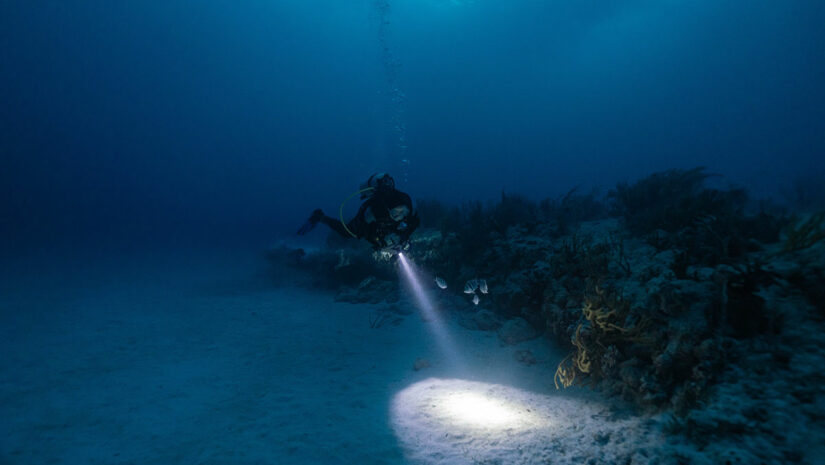
- Light management: Point your torch where you want to go, but avoid shining it in animals’ eyes or directly at your buddy.
- Communication: Use clear, practiced signals. For example, circle your light on the sand to get attention, or wave it for “OK”.
Many dive centers require a night diving specialty course before your first night dive. This covers safety, equipment use, and emergency procedures.
Preparing For A Night Dive
Good preparation is the key to a safe and enjoyable night dive. Here’s a step-by-step guide:
- Choose an easy, familiar site for your first night dive. Avoid strong currents or poor visibility.
- Check your equipment before sunset. Make sure lights are working and all gear is ready.
- Plan your dive with your buddy. Agree on maximum depth, time, and emergency signals.
- Arrive early to see the site in daylight. This helps you remember entry and exit points.
- Enter the water at dusk if possible. This helps your eyes adjust as it gets darker.
- Use a clear entry and exit signal with your buddy and surface team.
A practical tip: mark your path back to the entry point with a glow stick or small light on shore. This helps you find your way out, especially if the area looks different at night.
Safety Considerations For Night Diving
Diving at night has special risks, but careful planning makes it very safe. Here are the key points:
- Stay close to your buddy at all times. It’s easy to get separated in the dark.
- Use clear signals with your torch. Practice before entering the water.
- Monitor your air supply often. It’s easy to lose track of time when focused on your light.
- Ascend slowly and carefully. Watch for boats or surface hazards.
- Avoid touching marine life. Some animals are more active at night and may defend themselves.
Another important insight: keep your light pointed ahead and slightly downward. This avoids blinding your buddy and lets you see the sand or bottom, where many interesting creatures are found.
In rare cases, divers may feel anxious or claustrophobic in the dark. If you feel uncomfortable, signal your buddy and ascend together. Remember, it’s okay to end the dive early if you don’t feel safe.
Marine Life You Can See At Night
Night diving reveals an entirely different cast of underwater characters. Some of the most fascinating creatures you might see include:
- Octopus and cuttlefish: Hunting in the open, changing color and shape.
- Moray eels: More active and visible at night.
- Crabs and lobsters: Crawling across the sand or rocks.
- Sleeping fish: Some rest in cracks, others lie on the bottom.
- Hunting predators: Barracudas, snappers, and rays may be looking for food.
- Bioluminescent plankton: Tiny creatures that glow when disturbed by your movements.
A unique experience is turning off your torch for a few seconds. In some places, you’ll see glowing trails of light made by plankton. This is called bioluminescence and is one of the most magical moments in diving.
Tips For Your First Night Dive
If you’re new to night scuba diving, these tips will help you have a safe and enjoyable experience:
- Dive with an experienced guide: They know the site and can help with navigation.
- Stick to shallow depths: Stay above 18 meters (60 feet) for your first few dives.
- Move slowly and calmly: Night diving is not a race. Go slowly to see more and avoid stirring up sand.
- Practice using your light: Learn how to signal, point, and manage the beam before your dive.
- Relax and enjoy the silence: The ocean feels peaceful and mysterious at night.
Remember, it’s normal to feel nervous before your first night dive. With practice, you’ll soon feel comfortable and may even prefer night diving to day dives.

Night Diving Courses And Certification
Many dive organizations offer specialty courses in night diving. These usually include:
- A classroom session on safety, light use, and planning
- At least two open water night dives with an instructor
- Practice in navigation, communication, and emergency skills
Completing a night diving course gives you confidence and may be required by some dive centers before joining group night dives.
Environmental Impact And Responsible Night Diving
Night divers must be extra careful to protect the underwater environment. At night, animals are more vulnerable, and it’s easier to cause harm by accident. Here’s how to dive responsibly:
- Don’t touch or chase marine life. Many animals are resting or hunting, and disturbance can stress them.
- Avoid shining lights directly into animals’ eyes. This can scare or confuse them.
- Keep your fins off the bottom to avoid stirring up sand or damaging corals.
- Collect trash if you see it, but don’t pick up shells or souvenirs.
Some marine parks have special rules for night diving. Always check and follow local guidelines.
Comparing Night Diving With Other Specialty Dives
To see how night diving stands out, here’s a comparison with two other popular specialty dives:
| Type of Dive | Main Attraction | Key Challenge | Who Should Try It? |
|---|---|---|---|
| Night Dive | Nocturnal marine life, colors | Navigation in the dark | Confident open water divers |
| Wreck Dive | Exploring shipwrecks | Confined spaces, entanglement | Advanced certified divers |
| Deep Dive | Greater depths, rare species | Nitrogen narcosis, air use | Advanced certified divers |
Night diving is often the first specialty dive that new divers try, because it’s accessible, exciting, and teaches valuable skills.
Real-life Stories And Experiences
Many divers remember their first night dive as a turning point. For example, a diver in the Red Sea describes seeing a huge turtle sleeping under a ledge, while another in Indonesia watched a group of cuttlefish changing colors under their torch.
In the Caribbean, some divers have seen tiny squid, glowing plankton, and even hunting octopus.
One non-obvious insight: the soundscape is different at night. You may hear more snapping, clicking, or crunching as animals move and feed. Paying attention to these sounds can make the dive even more memorable.
Frequently Asked Questions
How Deep Can You Go On A Night Dive?
Most night dives are shallow, usually between 5 and 18 meters (15–60 feet). This is because it’s safer to stay close to the surface, and many interesting animals are found in shallow water. Deeper night dives are possible for experienced divers, but always follow your training and local guidelines.
Is Night Scuba Diving Dangerous?
Night diving has some extra risks, like getting lost or equipment problems in the dark. However, with good preparation, a strong buddy system, and proper equipment, it is very safe. Take a specialty course and dive within your limits.
What Should I Do If My Light Fails Underwater?
Always carry a backup light. If your main torch stops working, switch to your backup and signal your buddy. If both fail, link arms with your buddy and ascend together, using their light for safety.
Do You Need Special Certification For Night Diving?
Many dive centers require a night diving specialty certification before joining group night dives. This course teaches safety, navigation, and emergency skills. Some places allow guided night dives with an instructor for uncertified divers, but check local rules.
Where Can I Learn More About Night Scuba Diving?
For more information, visit Wikipedia’s Underwater Diving page. You can also ask your local dive shop about night diving courses and recommended dive sites.
Night scuba diving opens a new world for those willing to explore after dark. With the right preparation, respect for the ocean, and a sense of adventure, you’ll discover sights and experiences that daytime divers can only imagine. Whether you’re watching an octopus hunt, swimming through glowing plankton, or simply enjoying the peace of the dark ocean, night diving is a journey worth taking.

