Skydiving is an adventure that many people dream about, but few truly understand before they try it. One of the most common questions for first-time jumpers is: How long does a skydiving jump last? The answer is not as simple as just a number of seconds or minutes. The whole experience involves several phases, each with its own timing, sensations, and excitement. If you are considering jumping out of a plane, or if you are just curious about what happens after someone shouts “Go!”, this guide will break down every moment of a skydive, from takeoff to landing.
The Full Timeline Of A Skydiving Jump
When people ask how long a skydiving jump lasts, they often mean the freefall part. But the full experience starts much earlier and ends well after you land. Here’s how a typical skydive unfolds:

Today's Exclusive Deals
Limited-time Exclusive Deals. Check current discount on Amazon.
Check Price on Amazon As an Amazon Associate I earn from qualifying purchases.- Plane Ride Up: 10-25 minutes
- Exit and Freefall: 30-90 seconds
- Parachute Ride: 4-7 minutes
- Landing and Wrap-Up: 5-10 minutes
Each phase offers different feelings and lasts its own amount of time. Let’s look at each part in detail.
Plane Ride Up
The journey begins with the plane taking off. Most skydiving centers use small planes, such as a Cessna Caravan or Twin Otter, which climb to the jump altitude. This ride usually takes 10 to 25 minutes, depending on the altitude and the plane. During this time, you get to enjoy the view, feel your excitement build, and listen to last instructions from your instructor.
What Affects The Plane Ride Time?
- Altitude: Most tandem jumps are from 10,000 to 14,000 feet. Higher jumps mean a longer ride up.
- Plane Type: Larger or more powerful planes climb faster.
- Weather: Strong winds can slow the climb.
Beginner insight: Many people are surprised that the plane ride takes much longer than the jump itself. This is actually a great time to prepare mentally, check your gear, and calm your nerves.
Today's Exclusive Deals
Limited-time Exclusive Deals. Check current discount on Amazon.
Check Price on Amazon As an Amazon Associate I earn from qualifying purchases.Exit And Freefall
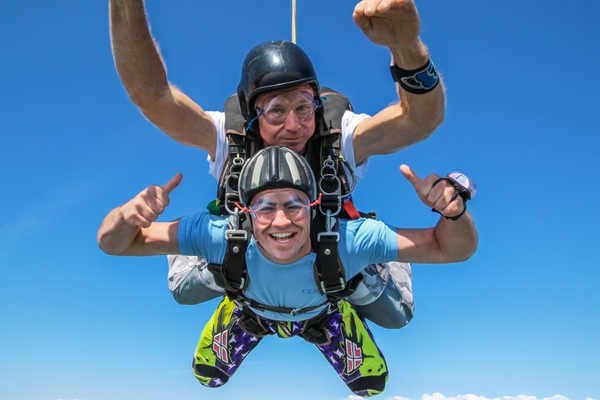
This is the moment everyone waits for. The door opens, wind rushes in, and you leap. The freefall is the part where you are falling toward the earth with no parachute open yet. This part is what most people imagine when they think of skydiving.
How Long Does Freefall Last?
- From 10,000 feet: About 30-40 seconds
- From 12,000 feet: About 45-50 seconds
- From 14,000 feet: About 60 seconds (1 minute)
- From 18,000 feet (rare): Up to 90 seconds
What Happens During Freefall?
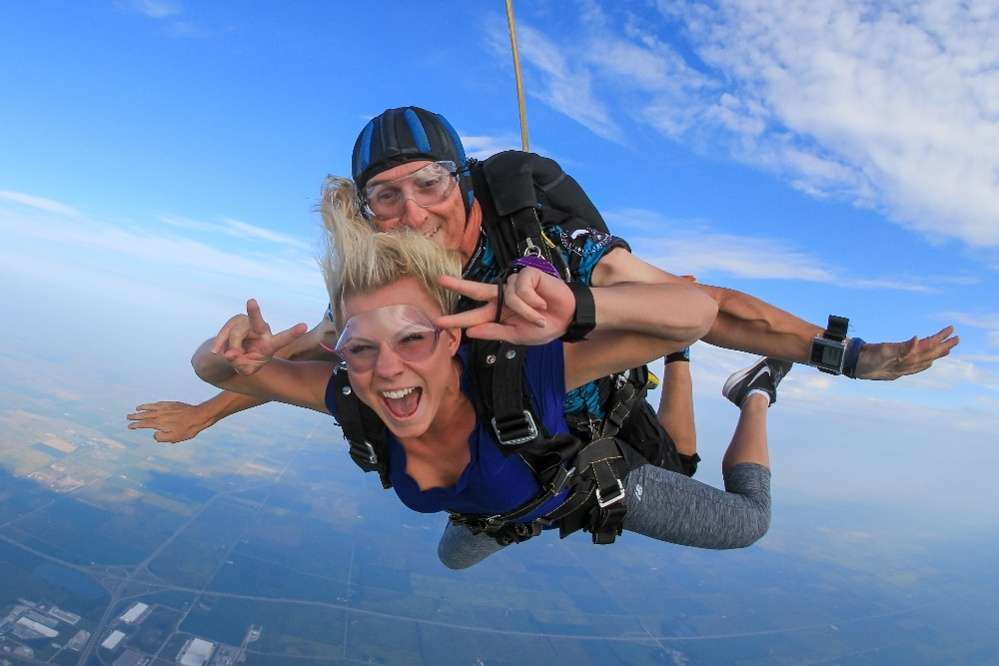
You accelerate quickly, reaching speeds of 120-130 mph (193-209 km/h) in a belly-to-earth position. Unlike in movies, you don’t feel like you are falling. There is wind resistance, so you feel more like floating or being supported by air.
Non-obvious insight: Many first-timers expect a “stomach drop” feeling, like on a roller coaster. In reality, you feel stable and supported right away, because the plane is moving fast when you jump.
Parachute Ride
At about 5,000 feet above the ground, your instructor (or you, if solo) opens the main parachute. This slows your fall from 120 mph to about 10-15 mph. Suddenly, the noise drops, and you gently float down.
Today's Exclusive Deals
Limited-time Exclusive Deals. Check current discount on Amazon.
Check Price on Amazon As an Amazon Associate I earn from qualifying purchases.How Long Is The Parachute Ride?
- 4 to 7 minutes is typical.
- The exact time depends on:
- Parachute size (bigger parachutes descend more slowly)
- Weight of jumper(s)
- Weather and wind conditions
- How much the instructor steers or spirals
What Can You Do During This Time?
- Enjoy the peaceful views.
- Take photos or videos (if allowed).
- Practice steering if you’re learning.
- Chat with your instructor.
Beginner insight: Many people think the excitement is over once the parachute opens. However, this part is often described as magical—quiet, beautiful, and sometimes even more memorable than freefall.
Landing And Wrap-up
Once you are close to the ground, the instructor steers the parachute to the landing area. The final approach takes about 1-2 minutes. After landing, you’ll spend 5-10 minutes gathering your gear, sharing reactions, and maybe watching others land.
Pro tip: Listen to your instructor’s landing instructions carefully. Proper foot position prevents injuries and gives you a smooth finish.
Comparing Different Jump Types
Not every skydive is the same. Let’s compare the timing for common types of jumps using a simple table:
| Jump Type | Freefall Time | Parachute Time | Total In-Air Time |
|---|---|---|---|
| Tandem (13,000 ft) | 50-60 sec | 4-5 min | ~6 min |
| Solo AFF (13,000 ft) | 50-60 sec | 4-6 min | ~6-7 min |
| Low Altitude (8,000 ft) | 20-25 sec | 3-4 min | ~4 min |
| High Altitude (18,000 ft) | 80-90 sec | 5-7 min | ~8 min |
Non-obvious insight: Higher jumps give longer freefall, but the parachute ride is not much longer. Most of the extra time is spent falling, not floating.
Factors That Change How Long A Skydive Lasts
No two skydives are identical. Several factors can make your jump longer or shorter:
Altitude
The most important factor is jump altitude. The higher you jump from, the longer the freefall. Most recreational jumps are from 10,000 to 14,000 feet, but some special jumps go much higher.
Parachute Opening Altitude
Parachutes are usually deployed at 5,000 feet for tandems. If you open higher, you get less freefall and a longer parachute ride. If you open lower (not recommended for beginners), you get more freefall.
Weight
Heavier jumpers fall faster, which means slightly less freefall time. Lighter people may float a bit longer. However, in tandem jumps, the difference is usually small.
Parachute Size And Type
Larger parachutes descend more slowly, making the ride longer. Smaller, sportier parachutes descend faster. Tandem parachutes are big for safety and comfort.
Weather Conditions
Strong winds or updrafts can slow your descent under parachute, making the ride longer. On calm days, you’ll come down faster.
Jump Type
Tandem, solo, and group jumps can have different procedures that slightly affect timing. For example, group jumps sometimes exit at a lower altitude for safety.
Emergency Procedures
If the main parachute does not open and the reserve is used, the descent may be faster. These cases are very rare, but it is good to be aware.
What Does Freefall Feel Like?
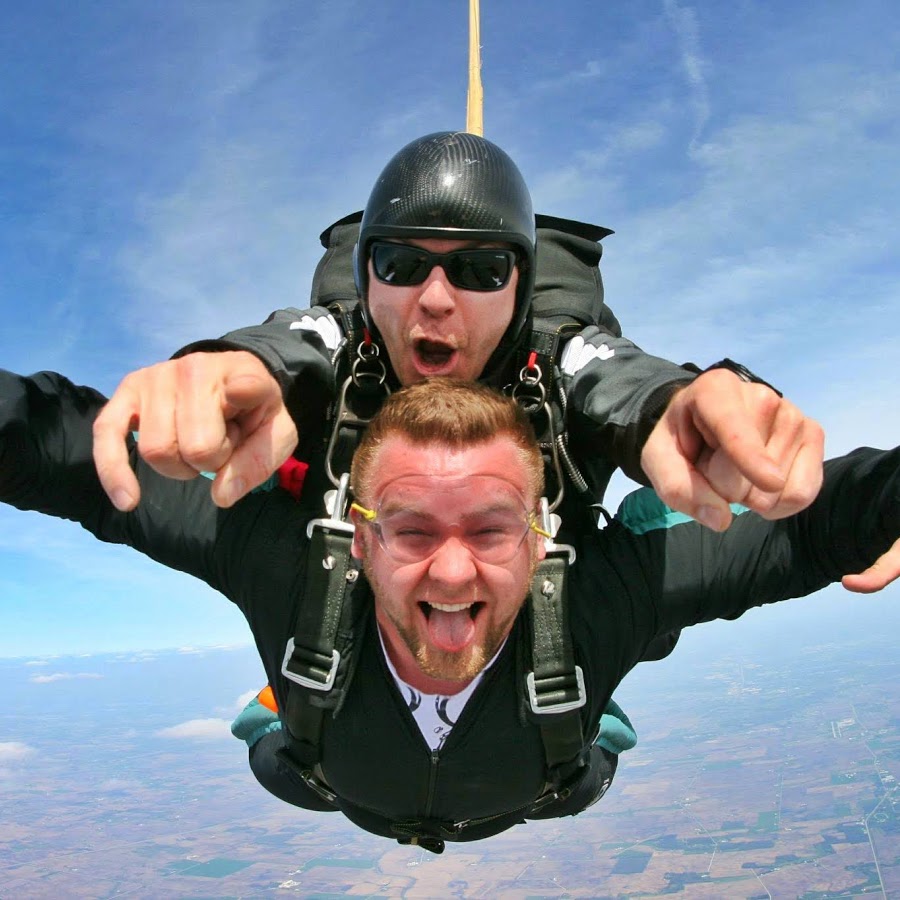
The sensation of freefall is hard to describe until you try it. Many expect a wild, tumbling drop, but it is more like flying or floating on a cushion of air.
- Wind pressure: You feel strong wind pushing against your body, but not pain.
- No stomach drop: The plane’s forward speed means you don’t feel a sudden drop.
- Noise: The wind is loud, but your instructor will use hand signals.
People often say that time feels different in freefall. The first 5 seconds can feel very long as your brain processes new sensations. After that, you may lose track of time and just enjoy the experience.
Comparing Skydiving To Other Experiences
It helps to put skydiving timing in context. Here’s a comparison with other “falling” experiences:
| Activity | Duration | Height |
|---|---|---|
| Skydiving (13,000 ft) | 50-60 sec freefall | ~4,000 m |
| Bungee Jump | 2-3 sec freefall | ~50 m |
| Roller Coaster Drop | 1-2 sec | ~30-50 m |
| Base Jump | 5-8 sec freefall | ~300 m |
Key point: Skydiving offers much more freefall time than bungee jumping or roller coasters, making it a unique thrill.
Why Does Freefall Feel Shorter Than It Is?
Many people are surprised by how fast the freefall feels. There are two main reasons:
- Adrenaline: The excitement makes your sense of time speed up. You may guess 10 seconds when it was 45.
- Sensory Overload: Your brain is processing so much new information—wind, view, speed—that it can’t track time normally.
Practical tip: If you want to remember more, try to stay present and look around as you fall. Some people say counting out loud or focusing on the horizon helps them notice the moment.
Can You Make Your Jump Last Longer?
If you want more time in the air, here are some ways to extend your skydive:
- Book a higher altitude jump. Ask your skydiving center if they offer 15,000 or even 18,000 feet jumps.
- Open your parachute higher. If you want a longer, more peaceful ride, ask to deploy your chute at 6,000 feet instead of 5,000.
- Choose a bigger parachute. Some centers offer “canopy rides” with larger parachutes for slower descents.
- Learn to skydive solo. Once you progress, you can control your opening altitude and freefall style.
Caution: These options may cost more and require special training. Not all centers offer high-altitude jumps due to oxygen needs and regulations.
The Full Experience: From Arrival To Goodbye
While the jump itself (from leaving the plane to landing) lasts 5-8 minutes, the full skydiving adventure is much longer. From arrival at the drop zone to leaving with your certificate, you’ll spend 2-4 hours. This includes:
- Paperwork and safety briefing
- Gear fitting and training
- Waiting for your flight
- Watching others jump (fun and calming)
- Your jump and landing
- Celebrating and sharing videos or photos
Non-obvious insight: The time on the ground is just as important for safety and fun. Many skydivers say the waiting and build-up are part of the excitement.
Safety And Timing
Skydiving is a well-regulated sport. Times for freefall and parachute opening are carefully set for safety. All instructors follow rules about when to open the parachute, and every jumper wears an automatic activation device (AAD) that opens the reserve parachute if needed.
For more about skydiving safety and timing, you can visit the United States Parachute Association.
Frequently Asked Questions
How Long Does The Whole Skydiving Experience Take?
From arrival to leaving the drop zone, plan for 2-4 hours. The jump itself (from leaving the plane to landing) lasts 5-8 minutes.
How Long Is The Freefall In A Typical Tandem Skydive?
Most tandem jumps from 13,000 feet give you 50-60 seconds of freefall before the parachute opens.
Does Weight Affect How Long You Freefall?
Yes, heavier jumpers fall a bit faster, so freefall may be a few seconds shorter. However, the difference is usually not big for most people.
Can I Choose To Jump From A Higher Altitude?
Some centers offer jumps from 15,000 or 18,000 feet, which can give you up to 90 seconds of freefall. Check with your center, as these require special arrangements.
Is The Parachute Ride Scary Or Relaxing?
Most people find the parachute ride peaceful and beautiful. The loud wind stops, and you can enjoy the view and chat with your instructor.
Skydiving is a unique adventure where every second counts. Whether you are drawn by the thrill of freefall or the calm of floating under a parachute, knowing how long each part lasts helps you get ready for the jump of a lifetime.