Skydiving is a sport that combines excitement, skill, and safety. Many people see it as jumping out of an airplane and falling toward the earth. But behind every jump, there is a set of specialized equipment that keeps skydivers safe and helps them enjoy the experience.
If you are thinking about skydiving for the first time or just curious about how it works, understanding the gear is essential. Let’s explore all the main equipment used in skydiving, why each piece matters, and how it fits together in a typical jump.
Today's Exclusive Deals
Limited-time Exclusive Deals. Check current discount on Amazon.
Check Price on Amazon As an Amazon Associate I earn from qualifying purchases.The Parachute System
The heart of skydiving equipment is the parachute system. It is much more than just a single parachute—it’s a complex setup designed for safety and control.
Main Parachute
The main parachute is what skydivers use to slow their fall. Most are made from strong nylon fabric, with a rectangular shape called a ram-air canopy. This design gives good control and stability. Modern main parachutes are usually between 120–230 square feet, depending on the weight and experience of the jumper. For example, a beginner might use a larger canopy for slower descent and more forgiving handling.
Reserve Parachute
Every skydiver wears a reserve parachute. This is a second, backup canopy stored in the same container as the main one. In case the main parachute fails to open or doesn’t work properly, the reserve can be deployed. By law in most countries, the reserve must be packed by a certified rigger and checked regularly. Reserve parachutes are often slightly larger for extra safety.
Container And Harness
The container is the backpack-like unit that holds the main and reserve parachutes. It is attached to the harness, which wraps around the skydiver’s body, securing the gear tightly. The harness has strong webbing and buckles, designed to withstand forces up to 5,000 pounds. Comfort and proper fit are crucial. Skydivers often adjust the harness before each jump.
Automatic Activation Device (aad)
Safety is a priority in skydiving, and the Automatic Activation Device (AAD) is a key part of that. This small electronic device monitors altitude and speed. If a skydiver passes a certain altitude without opening their parachute, the AAD automatically triggers the reserve parachute. Modern AADs, like the CYPRES or Vigil, are reliable and have saved many lives.
| Component | Main Function | Average Cost |
|---|---|---|
| Main Parachute | Slows descent, allows steering | $2,000–$3,500 |
| Reserve Parachute | Backup safety chute | $1,800–$3,000 |
| Container & Harness | Holds parachutes, secures skydiver | $1,500–$2,500 |
| AAD | Automatic reserve deployment | $1,200–$1,800 |
Additional Skydiving Equipment
While the parachute system is the main focus, there are other important pieces of gear that make the sport safer and more comfortable.
Altimeter
An altimeter tells the skydiver their height above the ground. There are two main types:
- Analog altimeters: These look like a wristwatch with a needle that shows altitude. Easy to read and reliable.
- Digital altimeters: These use electronic displays, often with extra features like jump logging or alarms.
Some skydivers wear an audible altimeter in their helmet. It beeps at preset altitudes to remind the jumper to deploy their parachute.
Helmet
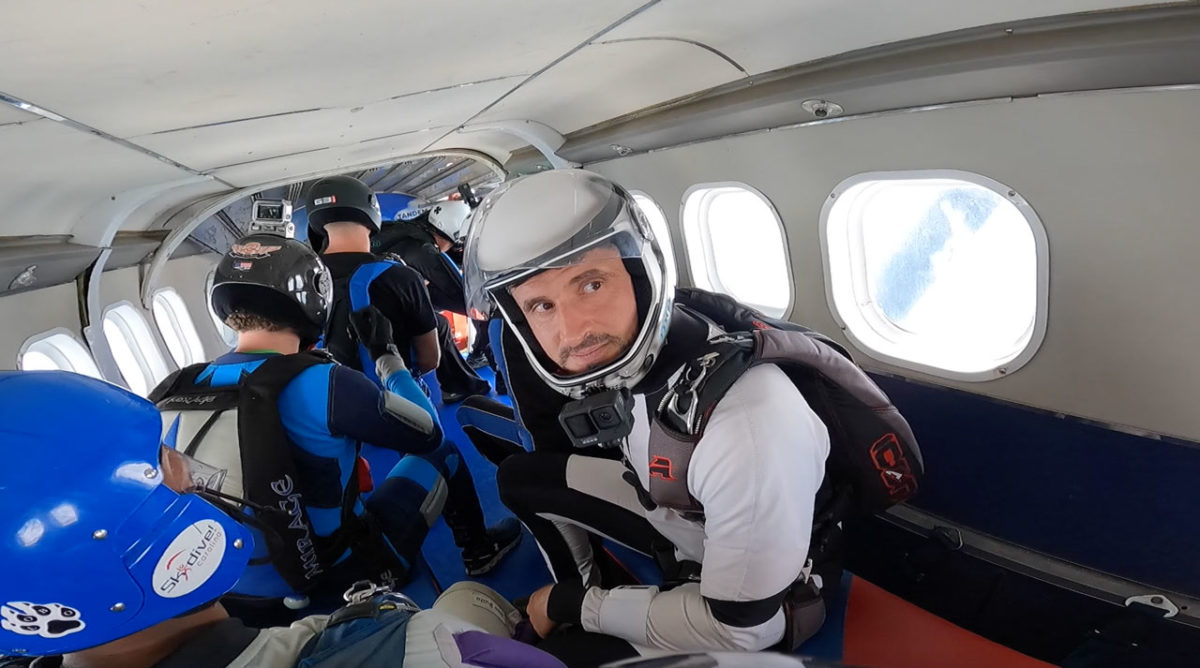
The helmet protects the head during exit, freefall, and landing. There are two main styles:
- Open-face helmets: Cover the top and sides, leave the face exposed. Good for beginners and tandem jumps.
- Full-face helmets: Cover the entire head and face. Offer more protection, used by experienced jumpers or in windy conditions.
Many helmets also have mounts for action cameras, so skydivers can record their jumps.
Goggles
Goggles protect the eyes from wind and debris. At high speeds, even tiny particles can cause discomfort or injury. Goggles must fit well and not fog up during the jump. Some skydivers use prescription goggles if they wear glasses.
Jumpsuit
The jumpsuit is a specialized suit made from nylon or other durable materials. It covers the body and helps control how air flows around the skydiver. Jumpsuits come in different styles:
- Tight suits: Reduce drag, used for fast freefall.
- Loose suits: Increase drag, helpful for beginners to slow descent.
Experienced skydivers often use jumpsuits with grips for team jumps and formations.
Gloves
Gloves protect the hands and help grip equipment. In cold weather or at high altitudes, gloves prevent numbness and make it easier to handle the parachute.
Footwear
Good footwear is important for landing safely. Most skydivers wear lightweight athletic shoes with strong soles. Heavy boots or shoes with hooks are avoided because they can catch on lines and cause injuries.

Specialized Equipment For Different Skydiving Styles
Skydiving is not just one kind of jump. There are several disciplines, each needing unique equipment.
Tandem Skydiving Equipment
For tandem jumps, an instructor and student share a harness and parachute system. The tandem rig is much larger, built to handle two people (up to 500 pounds combined). Extra safety features include:
- Dual AADs
- Stronger harness and container
- Adjustable straps for different body sizes
Wingsuit Skydiving
Wingsuit flying uses a suit with fabric between the arms and legs. This creates extra surface area, allowing the skydiver to glide forward instead of just falling. Wingsuiters need:
- Special jumpsuits with reinforced seams
- Larger main parachute for slower deployment
- Extra training to handle the suit safely
Canopy Piloting
Canopy piloting (also called swooping) is about landing fast and accurately. Jumpers use smaller, high-performance parachutes. These canopies are more sensitive and require advanced skills. Extra equipment includes:
- Protective pads for knees and elbows
- High-speed altimeters for precise timing
- Lightweight jumpsuits for better mobility
Formation Skydiving
Formation skydiving involves teams who make shapes in the air. Jumpsuits with grips, matching helmets, and often radio communication devices are used for coordination.
| Style | Special Equipment | Purpose |
|---|---|---|
| Tandem | Dual harness, large parachute, dual AAD | Safety for instructor & student |
| Wingsuit | Wingsuit, large main canopy, reinforced seams | Gliding, controlled flight |
| Canopy Piloting | Small high-performance canopy, protective pads | Precision landings |
| Formation | Grip jumpsuits, radio devices | Team coordination |
Packing Tools And Maintenance Equipment
Skydiving gear must be maintained carefully. Packing the parachute correctly is essential for safety.
Packing Mat
A packing mat is used to lay out and fold the parachute. It keeps the equipment clean and organized.
Pull-up Cords
Pull-up cords help close the container during packing. They are usually made from nylon and are strong enough to pull tight loops.
Packing Tools
Other tools include:
- Rubber bands for stowing lines
- Packing weights to hold the canopy flat
- Special tools for reserve parachute packing
Inspection Equipment
Before every jump, skydivers inspect their gear for wear and damage. UV lights, magnifying glasses, and tension meters are used to check the equipment.
Differences Between Beginner And Advanced Gear
As skydivers gain experience, their equipment choices change. Beginners use gear designed for safety and comfort:
- Larger main parachutes for slower descent
- Open-face helmets for easier communication
- Loose jumpsuits to slow fall rate
Advanced jumpers often choose:
- Smaller, high-performance parachutes for faster, more precise landings
- Full-face helmets for extra protection
- Custom-fitted jumpsuits for specific styles
It’s important not to rush into advanced gear. Using equipment that matches your skill level reduces accidents and improves confidence.
Costs And Buying Tips
Skydiving equipment is a big investment. A full setup can cost between $6,000 and $10,000. Many beginners rent gear at first. Buying your own equipment is common after gaining experience.
New Vs Used Equipment
Buying used gear can save money, but always check for:
- Age (parachutes older than 10 years may need replacing)
- Maintenance history
- Signs of wear or damage
Mistakes To Avoid
- Buying gear too soon: Wait until you finish your first 20–30 jumps.
- Ignoring fit: Always try harnesses and jumpsuits before buying.
- Skipping safety features: Never compromise on AAD or reserve parachute quality.
For more detailed buying advice and safety standards, you can visit Wikipedia: Skydiving Equipment.

Practical Insights Beginners Often Miss
Many new skydivers focus on the parachute, but forget the importance of the harness fit. A poorly fitted harness can cause discomfort or even injuries during the opening or landing. Another insight: altimeter alarms are not a replacement for good awareness. You should always check your altitude visually and use alarms as backup.
Also, don’t underestimate the value of a good packing mat. Packing on dirty or rough surfaces can damage the parachute fabric over time, leading to unexpected repairs.
Frequently Asked Questions
What Is The Most Important Piece Of Equipment In Skydiving?
The parachute system is the most critical. It includes the main and reserve parachutes, harness, and container. Without a properly functioning parachute system, skydiving would not be possible.
Do Skydivers Use Backup Parachutes?
Yes, every skydiver wears a reserve parachute. It is a legal requirement in most countries. The reserve is checked and packed by certified riggers to ensure reliability.
How Much Does Skydiving Equipment Cost?
A complete skydiving setup can cost $6,000–$10,000. Beginners usually rent gear at first. Buying used equipment can reduce costs, but it’s important to check for wear and proper maintenance.
What Safety Devices Are Used In Skydiving?
The main safety devices are the Automatic Activation Device (AAD), reserve parachute, and audible altimeter. The AAD is especially important—it automatically opens the reserve if the main parachute is not deployed in time.
Can I Use Regular Clothing For Skydiving?
It’s not recommended. Jumpsuits are designed to protect your skin and control air flow. Regular clothing may not fit well, can flap in the wind, and might get caught in equipment.
Skydiving is a thrilling sport, but it’s only safe when you use the right equipment and understand how it works. Each piece of gear has a clear purpose, and together they create a system that allows people to jump out of airplanes with confidence.
If you’re starting your skydiving journey, learning about the equipment is your first step toward safe and enjoyable jumps.