
Rugby is a sport full of excitement, fast runs, and tactical play. But for many new fans, one rule often causes confusion: the offside rule. This rule plays a key role in making rugby a fair and strategic game. Understanding it helps you follow matches better and appreciate the sport’s unique flow.
Let’s explore what the offside rule means, how it works in different situations, and why it matters so much in rugby.

Today's Exclusive Deals
Limited-time Exclusive Deals. Check current discount on Amazon.
Check Price on Amazon As an Amazon Associate I earn from qualifying purchases.The Basics Of The Offside Rule In Rugby
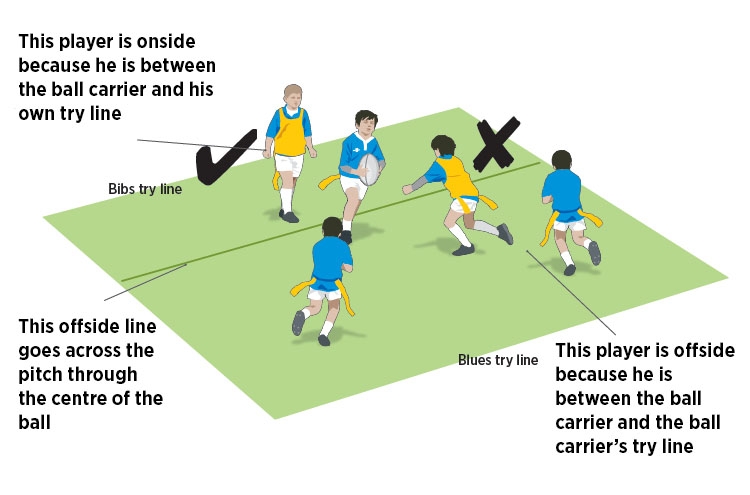
The offside rule in rugby is designed to keep play fair and organized. Simply put, a player is offside if they are in front of a teammate who last played the ball, or in front of the ball itself. When offside, a player cannot join the game until they return to an onside position.
This rule is important because it prevents players from gaining an unfair advantage by being closer to the ball than they should. It also keeps the game flowing and stops chaos on the field.
When Does Offside Happen?
There are several situations in rugby where offside can occur. Each one has its own details, but the main idea is the same: players must not be in front of the ball unless the rules allow it.
Today's Exclusive Deals
Limited-time Exclusive Deals. Check current discount on Amazon.
Check Price on Amazon As an Amazon Associate I earn from qualifying purchases.Open Play
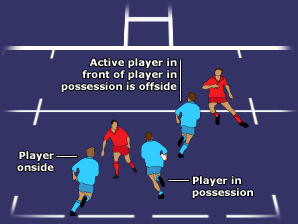
During open play, the ball is moving, and players are running and passing. Here, a player is offside if they are in front of a teammate who last played the ball. For example, if a player kicks the ball forward, their teammates must be behind the kicker at the moment the ball is kicked.
Set Pieces: Scrums And Lineouts
Scrums and lineouts are special restarts in rugby. The offside lines are clearly marked:
- In a scrum, the offside line is the last foot of the scrum for both teams.
- In a lineout, players not in the lineout must stand at least 10 meters back from the line where the ball is thrown in.
Rucks And Mauls
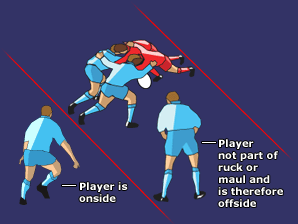
When a ruck or maul forms, offside lines are created at the hindmost foot of each team’s players involved in the contest. Any player in front of this line must not take part until they are onside again.
Onside Vs. Offside: Key Differences
To help clarify, here’s a simple comparison:
Today's Exclusive Deals
Limited-time Exclusive Deals. Check current discount on Amazon.
Check Price on Amazon As an Amazon Associate I earn from qualifying purchases.| Onside | Offside |
|---|---|
| Behind the ball or last teammate playing the ball | In front of the ball or teammate who last played it |
| Can join play at any time | Must not join play until onside |
| No penalty | Risk of penalty if interfering |
Why The Offside Rule Matters
The offside rule is not just about fairness. It shapes the way teams attack and defend. By forcing players to stay behind the ball, it encourages skillful passing, strategic kicking, and coordinated team movement.
Without this rule, players could wait ahead for easy passes or block opponents unfairly. The offside law keeps both sides equal and makes rugby a game of tactics, not just speed or size.
Common Offside Situations
Kicks In Open Play
After a player kicks the ball, teammates in front of the kicker are offside. They cannot move towards the ball or take part in play until they are put onside. This usually happens if:
- The kicker runs past them.
- An opponent touches or carries the ball five meters.
Set Piece Restarts
At scrums and lineouts, players must respect the offside lines. For example, at a scrum, the backs must stay five meters behind the last foot, waiting for the scrum to finish.
Ruck And Maul Formations
When a ruck or maul forms, any player in front of the hindmost foot must not interfere. This keeps the contest fair and helps prevent dangerous play.
How Referees Judge Offside
Referees watch the lines closely. If a player in an offside position tries to play the ball or blocks an opponent, a penalty is given. However, if an offside player does not interfere, play can continue.
Here are some common referee signals:
| Situation | Referee Signal |
|---|---|
| Offside at a ruck | Arm outstretched, pointing to the offside line |
| Offside at a kick | Blows whistle, points to where the offside occurred |
| Offside at a scrum | Points to back foot and then to the offending player |
Penalties For Offside
When a player is offside and interferes with play, the referee awards a penalty to the other team. The team can then kick for goal, kick for touch, take a scrum, or tap and run. Penalties for offside are some of the most common in rugby, especially at lower levels.
For repeated offside offenses, referees may give a yellow card, meaning the player leaves the field for 10 minutes.
Two Common Mistakes Beginners Make
Many new fans and players misunderstand the offside rule in these ways:
- Chasing the Ball After a Kick: Some think they can run after the ball right away, but if you are in front of the kicker, you must wait until onside.
- Not Watching the Offside Line in Rucks: Players often step in front of the last foot during rucks, especially when tired. This small mistake leads to penalties.
How Teams Use The Offside Rule Strategically
Smart teams use the rule to control the game. Defenders rush up to the offside line to pressure attackers, making passing harder. Attackers use quick passes or kicks to catch defenders offside and gain territory.
Teams also practice “holding the line,” making sure defenders stay together and do not break the offside rule. This discipline is key to strong defense.
Real-world Example
In the 2019 Rugby World Cup, England’s defense was known for its “line speed.” Players rushed up to the offside line, but rarely crossed it. This stopped opponents from finding space. The team’s discipline with the offside rule played a major role in their success.
Offside Rule In Rugby Vs. Football (soccer)
Many compare rugby’s offside rule with football’s. While both aim to stop “goal-hanging,” there are key differences.
| Rugby | Football (Soccer) |
|---|---|
| Offside relates to the ball’s position and last teammate who played it | Offside is judged based on players’ positions relative to opponents and the ball |
| Offside at every phase of play | Offside applies only when receiving the ball from a teammate |
| Penalties for interfering while offside | Indirect free kick given for offside |
Frequently Asked Questions
What Happens If A Player Is Offside But Does Not Interfere With Play?
If a player is offside but does not try to play the ball, block opponents, or join play, the referee usually allows the game to continue. The key is not interfering with active play.
Can An Offside Player Become Onside Again?
Yes. An offside player becomes onside if they move behind the ball or if a teammate or opponent puts them onside by running past or playing the ball.
Is The Offside Rule The Same In Rugby Union And Rugby League?
The basic idea is similar, but there are small differences. For example, in rugby league, the offside line at the play-the-ball is 10 meters away, while in rugby union, it is often the hindmost foot.
Why Is The Offside Rule Important?
The rule keeps the game fair, encourages teamwork, and prevents players from gaining unfair advantages. It also shapes attack and defense strategies.
Where Can I Read The Official Offside Law?
The full offside law is available on the official World Rugby site: World Rugby Laws.
Rugby’s offside rule may seem complex at first, but with practice and careful watching, it becomes second nature. Understanding it will help you enjoy matches more, spot clever tactics, and avoid common mistakes if you play. The offside law is at the heart of rugby’s unique mix of strategy and excitement.