
Rugby is one of the most exciting team sports for kids. It builds strength, confidence, teamwork, and discipline. Many parents want to know: what age can kids start playing rugby? The answer isn’t always simple. Different countries, clubs, and types of rugby have their own guidelines. But with the right knowledge, you can help your child begin safely and enjoy the game for life.
When Do Most Kids Start Playing Rugby?
In many countries, children can join introductory rugby programs as young as 4 or 5 years old. These are not full-contact games. Instead, they focus on running, passing, and having fun. For example, in the UK, the Rugby Football Union (RFU) offers RugbyTots and similar schemes for preschoolers.

Today's Exclusive Deals
Limited-time Exclusive Deals. Check current discount on Amazon.
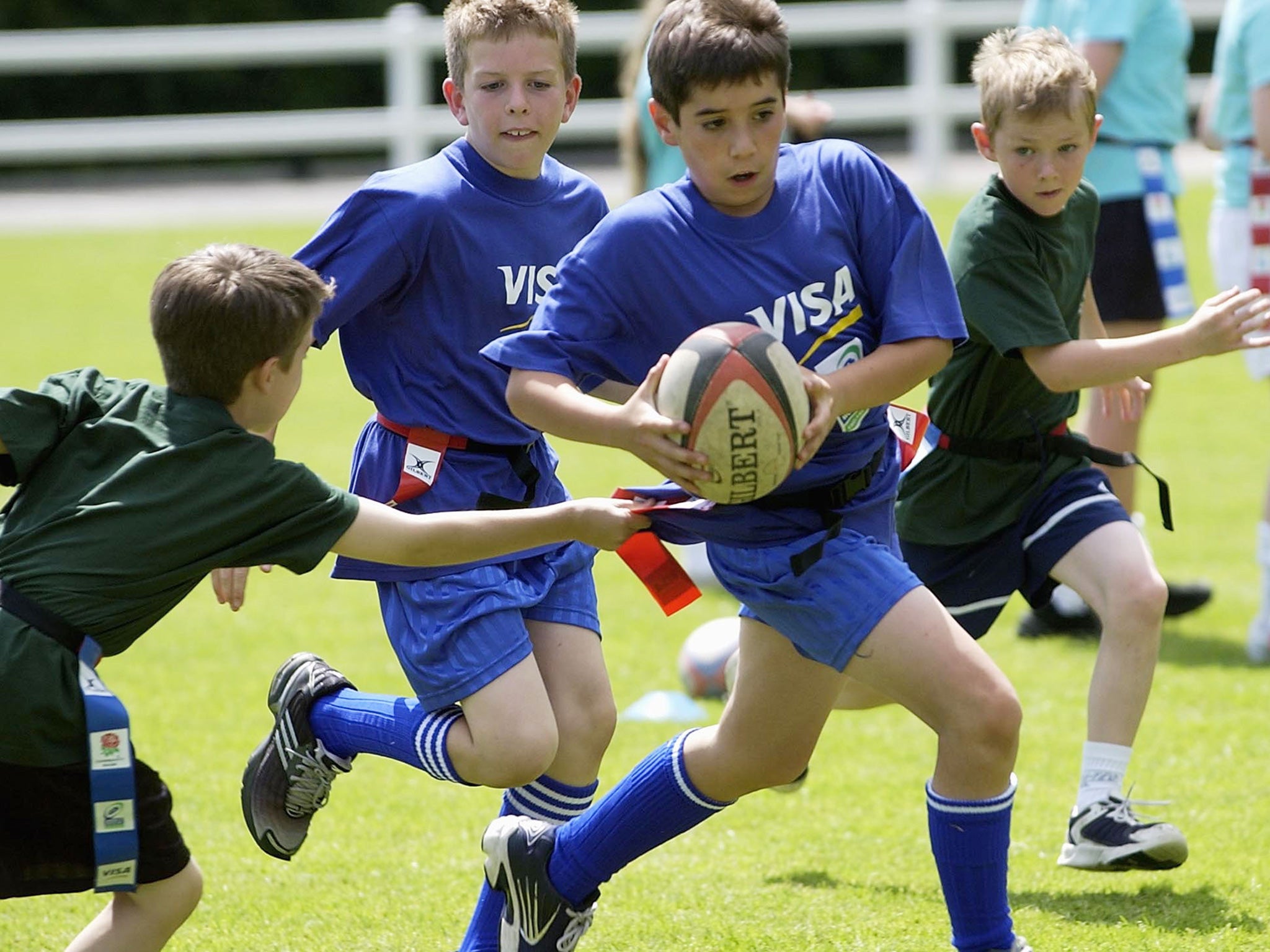
Check Price on Amazon As an Amazon Associate I earn from qualifying purchases.By age 6 or 7, kids can often join tag rugby or mini rugby. These versions use flags or tags instead of tackling. It’s safer and helps children learn the basics.
Full-contact rugby usually starts later. Many unions recommend waiting until age 9 or 10 before introducing tackling. This gives children time to develop skills, understand the rules, and build body awareness.
Rugby Age Groups Around The World
Rugby is organized into age groups, often called “mini,” “youth,” or “junior” rugby. Let’s look at how some countries organize these stages.
Today's Exclusive Deals
Limited-time Exclusive Deals. Check current discount on Amazon.
Check Price on Amazon As an Amazon Associate I earn from qualifying purchases.| Country | Intro Age | Contact Starts | Notes |
|---|---|---|---|
| England (RFU) | 5-6 years | 9 years | Tag rugby until U9 |
| New Zealand | 5 years | 7-8 years | Rippa rugby first |
| Australia | 5 years | 9 years | Try Rugby (non-contact) |
| USA | 5 years | 9-10 years | Flag rugby first |
These ages are guidelines. Some clubs might start contact later. Always check with your local club.
Types Of Rugby For Young Children
There’s more than one way for kids to play rugby. Understanding the differences helps you choose what’s right for your child.
Tag Rugby
Tag rugby uses velcro tags on belts. Instead of tackling, players pull a tag to stop their opponent. This version is safe, fast, and fun.
Touch Rugby
Touch rugby is similar but uses a light touch instead of tags. There’s no hard contact, making it ideal for mixed age or family groups.
Today's Exclusive Deals
Limited-time Exclusive Deals. Check current discount on Amazon.
Check Price on Amazon As an Amazon Associate I earn from qualifying purchases.Mini Rugby
Mini rugby is for kids up to age 12. It introduces scrums, lineouts, and other rules slowly as kids get older. The focus is still on safety and skill-building.
Full-contact Rugby
Full-contact rugby includes tackling, rucks, and mauls. Most countries wait until U9 or U10 before starting this version. Coaches teach safe techniques step by step.
Physical And Emotional Readiness
Age is not the only factor. Kids develop at different speeds. Here are signs your child is ready for rugby:
- Follows instructions in a group setting
- Has good balance and coordination
- Enjoys running and playing team games
- Can handle minor bumps or falls
Some kids are ready at 5, while others need more time. There is no rush. The most important thing is that children feel confident and have fun.
Safety Rules And Equipment
Modern rugby is much safer than many parents think. Here’s what matters most for young players:
- Mouthguards are a must, even in non-contact games.
- Well-fitted boots with soft studs help prevent slips.
- For contact rugby, headgear and shoulder pads are allowed but not required. Coaches focus on safe tackling instead.
- Coaches and referees are trained to protect young players.
Most injuries in youth rugby are minor: bumps, scrapes, or bruises. Serious injuries are rare, especially in non-contact forms.
Common Mistakes Parents Make
Starting rugby is exciting, but it’s easy to make mistakes. Here are some to avoid:
- Pushing too early: Some parents want their child in contact rugby before they are ready. It’s better to wait for both skill and confidence.
- Choosing the wrong club: Not all clubs have strong junior programs. Visit, ask questions, and watch a session before joining.
- Ignoring fun: Kids enjoy rugby most when it’s about friends and play, not only winning.
- Forgetting safety: Always check that equipment fits and coaches are certified.

Benefits Of Starting Rugby Young
Getting involved in rugby early brings many benefits:
- Physical fitness: Running, passing, and dodging build strength and agility.
- Social skills: Rugby is about teamwork, respect, and communication.
- Resilience: Kids learn to handle wins and losses with a positive attitude.
- Lifelong enjoyment: Many adult players started as children and stay active for decades.
A non-obvious benefit is that rugby helps children develop spatial awareness—understanding where they are on the field and moving in relation to others. This skill is useful in many sports and activities.
How To Find The Right Rugby Program
Finding the right club sets the foundation for a positive experience. Here’s how to choose:
- Look for certified coaches with experience in youth rugby.
- Check the facilities: Safe fields, clean changing rooms, and first aid should be available.
- Ask about progression: Good programs introduce contact gradually and focus on fun.
- Talk to other parents: Their experiences can help you decide.
Some clubs even offer “come and try” days. This lets your child see if rugby is right for them before joining.
How Rugby Grows With Your Child
As children grow, rugby changes to match their needs. Here’s a simple progression:
| Age Group | Game Type | Main Focus |
|---|---|---|
| Under 6 | Tag/Touch | Fun, movement, basics |
| Under 9 | Mini Rugby | Skills, teamwork, intro to contact |
| Under 12 | Junior Rugby | Full rules, advanced skills |
This gradual approach helps kids develop safely and enjoyably.
Frequently Asked Questions
What Is The Youngest Age A Child Can Start Rugby?
Most children can start non-contact rugby at age 4 or 5. Programs like RugbyTots or Rippa Rugby are designed for young beginners and focus on fun.
When Do Kids Start Playing Full-contact Rugby?
Full-contact rugby usually begins between ages 9 and 10. Clubs teach safe tackling and introduce contact rules step by step.
Is Rugby Safe For Young Children?
Yes, especially in tag and touch formats. Injuries are rare, and coaches prioritize safety and proper technique.
What Equipment Does My Child Need?
A mouthguard is essential. Soft-studded boots are recommended. For contact rugby, optional items include light headgear and shoulder pads.
How Can I Find A Good Rugby Club For My Child?
Start by searching your local rugby union’s website or visit World Rugby’s player development page for guidance. Always visit the club and ask about their coaching, safety, and progression policies.
Rugby is a sport that welcomes all children. By starting at the right age, focusing on safety, and making sure your child enjoys the game, you give them a strong foundation for a healthy, active life. Whether they play for fun or aim for a higher level, rugby can be a rewarding journey from childhood and beyond.


