
Every four years, the Rugby World Cup grabs the attention of sports fans around the globe. You don’t need to be a rugby expert to feel the excitement. The event combines athletic skill, national pride, and dramatic moments. But what exactly is the Rugby World Cup?
How did it become one of the world’s major sporting events? This article will guide you through everything you need to know, whether you’re a curious newcomer or want deeper insights.

Today's Exclusive Deals
Limited-time Exclusive Deals. Check current discount on Amazon.
Check Price on Amazon As an Amazon Associate I earn from qualifying purchases.What Is The Rugby World Cup?
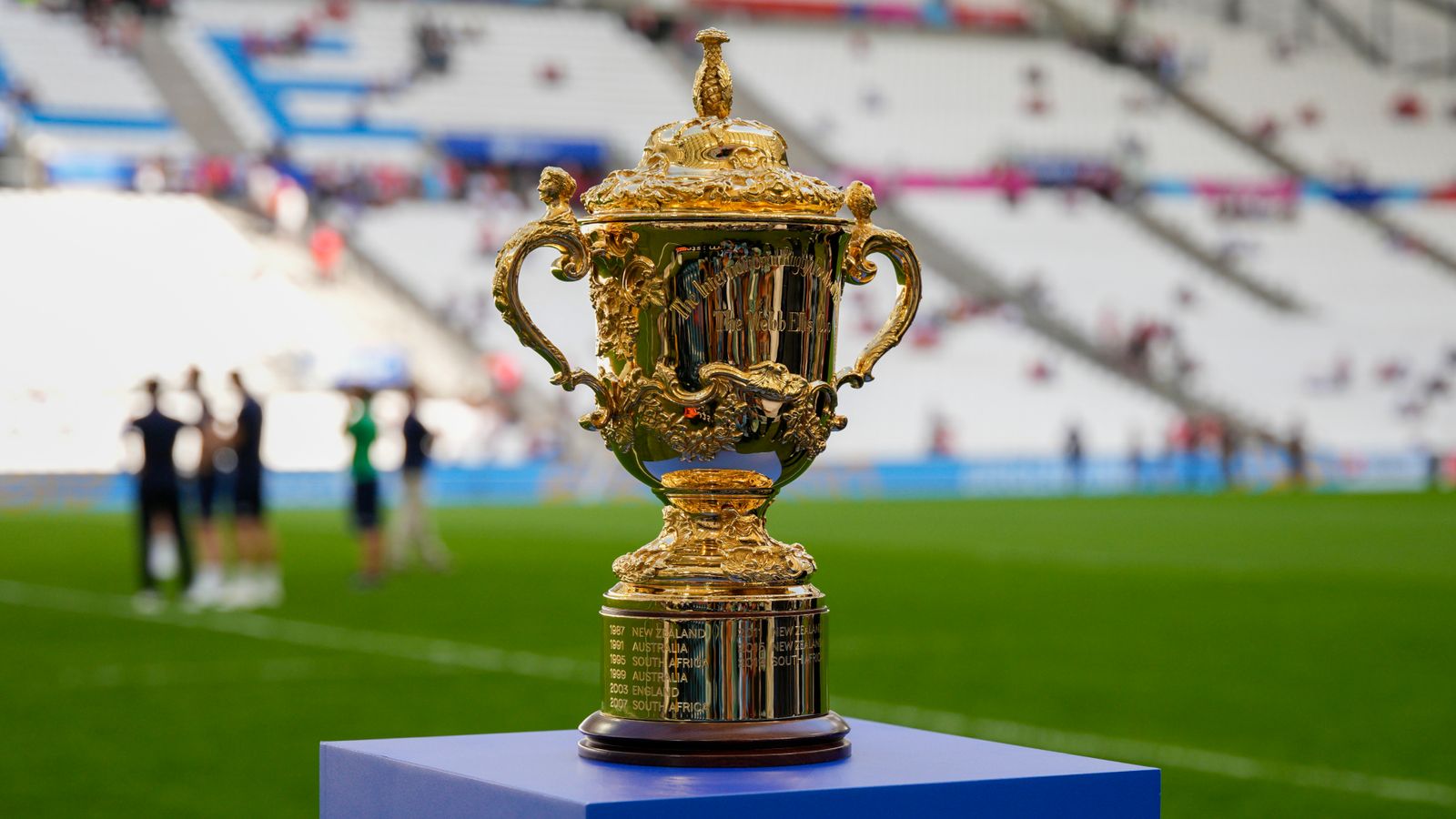
The Rugby World Cup is the top international tournament for men’s rugby union teams. It happens every four years and brings together the world’s best teams to compete for the famous Webb Ellis Cup. The tournament is organized by World Rugby, the main body that governs the sport.
The first Rugby World Cup was held in 1987. Since then, it has grown into a global event, watched by millions both in stadiums and on TV. The competition runs for about six weeks, usually between September and November, and is hosted by a selected country or countries.
History And Growth
When the Rugby World Cup started in 1987, only 16 teams took part. Australia and New Zealand hosted the event, and New Zealand won the first title. Over the years, the tournament expanded, and more countries joined.
Today's Exclusive Deals
Limited-time Exclusive Deals. Check current discount on Amazon.
Check Price on Amazon As an Amazon Associate I earn from qualifying purchases.Now, 20 teams compete in the finals. Qualifying matches are held over several years before each tournament. This ensures that the best teams from every region get a chance to play.
The Rugby World Cup has helped rugby union become more popular. In 2019, over 857 million people watched the matches, showing its huge global reach. Cities that host matches see a big increase in visitors, and the event brings in billions of dollars.

How The Tournament Works
The Rugby World Cup uses a simple but tough system. Here’s how it works:
- 20 teams qualify for the finals.
- Teams are divided into four pools (A, B, C, and D) with five teams each.
- Every team plays four matches—one against each team in their pool.
- The top two teams from each pool move to the quarterfinals.
- From there, it’s a knockout system: Quarterfinals, semifinals, and then the final.
Here’s a look at the basic tournament structure:
Today's Exclusive Deals
Limited-time Exclusive Deals. Check current discount on Amazon.
Check Price on Amazon As an Amazon Associate I earn from qualifying purchases.| Stage | Number of Teams | Format |
|---|---|---|
| Pool Stage | 20 | Round-robin |
| Quarterfinals | 8 | Knockout |
| Semifinals | 4 | Knockout |
| Final | 2 | Winner takes all |
If two or more teams have the same points in their pool, tie-breakers such as head-to-head results or points difference are used.
Major Winners And Records
A few countries dominate the Rugby World Cup. The New Zealand All Blacks, South Africa Springboks, and Australia Wallabies are the strongest teams in history. England is the only team from the Northern Hemisphere to win.
Here is a summary of champions:
| Country | Titles Won | Years Won |
|---|---|---|
| New Zealand | 3 | 1987, 2011, 2015 |
| South Africa | 3 | 1995, 2007, 2019 |
| Australia | 2 | 1991, 1999 |
| England | 1 | 2003 |
New Zealand and South Africa are tied for the most wins, with three each. Some tournaments have seen big surprises, like Japan defeating South Africa in 2015, which many call the “Brighton Miracle. ”
Key Moments And Impact
The Rugby World Cup is more than just matches. It has created moments that changed the sport. In 1995, South Africa hosted the tournament just after the end of apartheid. Their win united the country and is still remembered as a powerful symbol of hope.
The tournament also helps smaller rugby nations grow. Teams like Japan and Fiji have shown that they can compete with the giants. This global spirit is a big reason why the Rugby World Cup is special.
How Teams Qualify
Not all teams get a direct entry into the finals. The host country and the teams that finished in the top three of each pool in the last World Cup qualify automatically. Other countries must go through a tough qualification process.
Qualifying matches are held across continents. Sometimes, only a few points separate those who make it and those who do not. This system means every match counts, and surprises can happen.
Rugby World Cup Vs. Other Sporting Events
Some people wonder how the Rugby World Cup compares to events like the FIFA World Cup or the Olympics. While rugby is not as popular worldwide as football, the Rugby World Cup is still the biggest event in the sport.
Here’s a quick comparison with the FIFA World Cup:
| Feature | Rugby World Cup | FIFA World Cup |
|---|---|---|
| Sport | Rugby Union | Football (Soccer) |
| Teams in Finals | 20 | 32 (will be 48) |
| Frequency | Every 4 years | Every 4 years |
| Audience (latest) | 857 million | 3.5 billion |
While football has a larger audience, rugby’s physical style and traditions make its World Cup unique.
Non-obvious Insights
Many people think only the strongest teams can succeed, but in reality, teamwork and strategy often matter more than size or speed. For example, Japan’s success is due to smart tactics and fitness, not just power.
Another often-missed point is the role of the fans. Rugby World Cup crowds are famous for their respect and friendliness, even between rivals. This helps make the event safe and enjoyable for all.

The Women’s Rugby World Cup
The men’s event gets the most attention, but the Women’s Rugby World Cup is also growing fast. It started in 1991, and more countries invest in their women’s teams each year. New Zealand and England are dominant here as well. The women’s game is helping rugby reach more people and become more inclusive.
Where To Watch And Learn More
Major sports channels show Rugby World Cup matches live. You can also find highlights and analysis on the official World Rugby website or YouTube. For detailed history, visit the Rugby World Cup Wikipedia page.
Frequently Asked Questions
What Is The Webb Ellis Cup?
The Webb Ellis Cup is the trophy given to the Rugby World Cup winner. It is named after William Webb Ellis, who is said to have invented rugby in the 19th century.
How Long Does The Tournament Last?
The Rugby World Cup usually lasts about six weeks, from the opening match to the final.
How Are Teams Chosen To Host The Rugby World Cup?
Countries bid to host the event. World Rugby selects the host based on stadiums, infrastructure, and plans to promote the sport.
Which Country Has Hosted The Most Rugby World Cups?
England and France have hosted or co-hosted the most times, with three tournaments each (including joint hosting).
Is There A Rugby World Cup For Sevens?
Yes, there is a separate Rugby World Cup Sevens for the faster, seven-player version of the game. It is held every four years as well.
The Rugby World Cup is more than a tournament. It’s a celebration of sport, culture, and unity. Whether you’re a fan or just discovering rugby, the World Cup offers unforgettable moments and lessons in teamwork, respect, and passion.