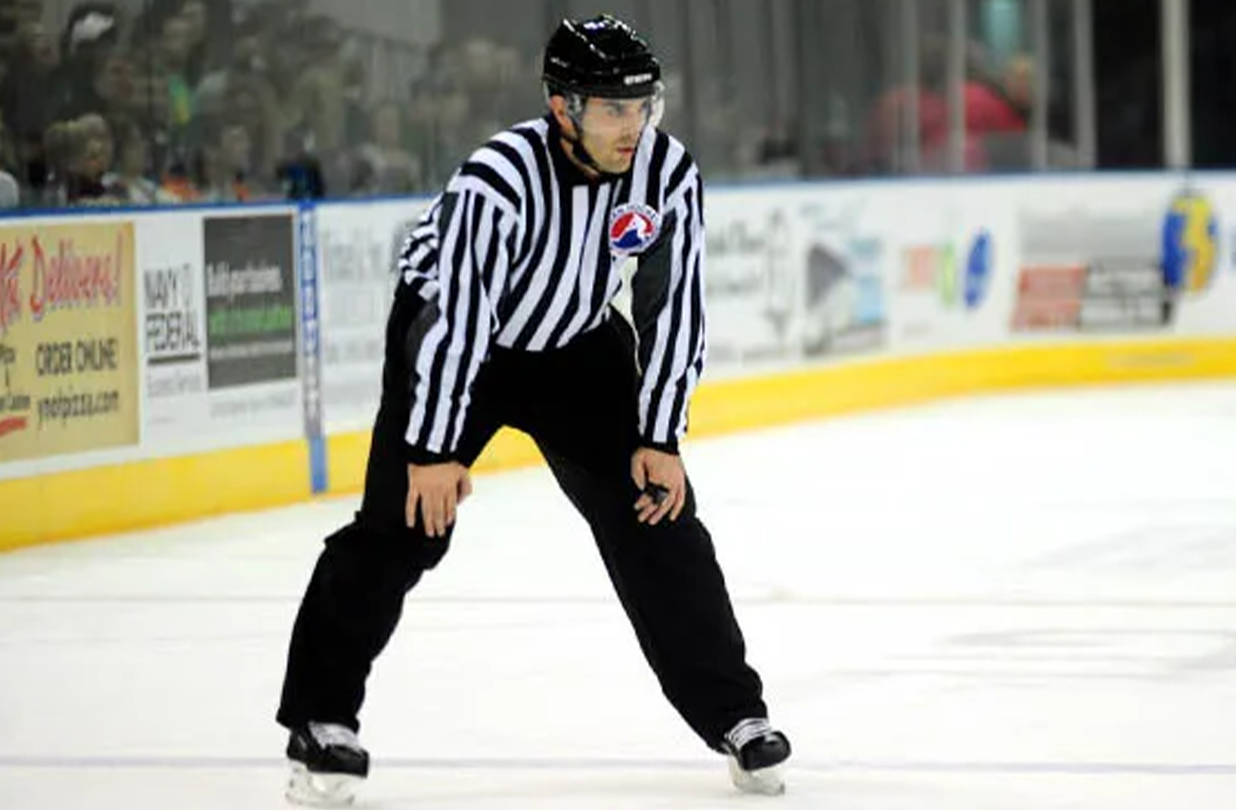
Ice hockey is a fast, physical, and unpredictable sport. While players may grab most of the spotlight, the game would not function without the referees. Their job goes far beyond blowing whistles or handing out penalties. They are the silent guardians who keep the game fair, safe, and enjoyable for both players and fans. Understanding the role of referees in ice hockey helps you appreciate the game’s structure and the challenges officials face every night.
What Do Referees Do In Ice Hockey?
The referees are the main game officials on the ice. Their responsibilities are broad and sometimes misunderstood by new fans. Here are the essential roles they play:

Today's Exclusive Deals
Limited-time Exclusive Deals. Check current discount on Amazon.
Check Price on Amazon As an Amazon Associate I earn from qualifying purchases.- Enforcing the Rules: Referees make sure every player follows the official ice hockey rules. This covers everything from offside calls to dangerous hits and stick fouls.
- Calling Penalties: When a rule is broken, referees must decide if it deserves a penalty. They signal penalties, explain them to players, and send offenders to the penalty box.
- Starting and Stopping Play: Referees drop the puck at faceoffs and blow the whistle to stop play for infractions, injuries, or goals.
- Ensuring Safety: They watch for actions that could cause injury, such as high sticks or hits from behind, and act quickly to prevent dangerous situations.
- Managing Game Flow: Referees control the pace by restarting play quickly after stoppages and communicating with players and coaches to avoid confusion.
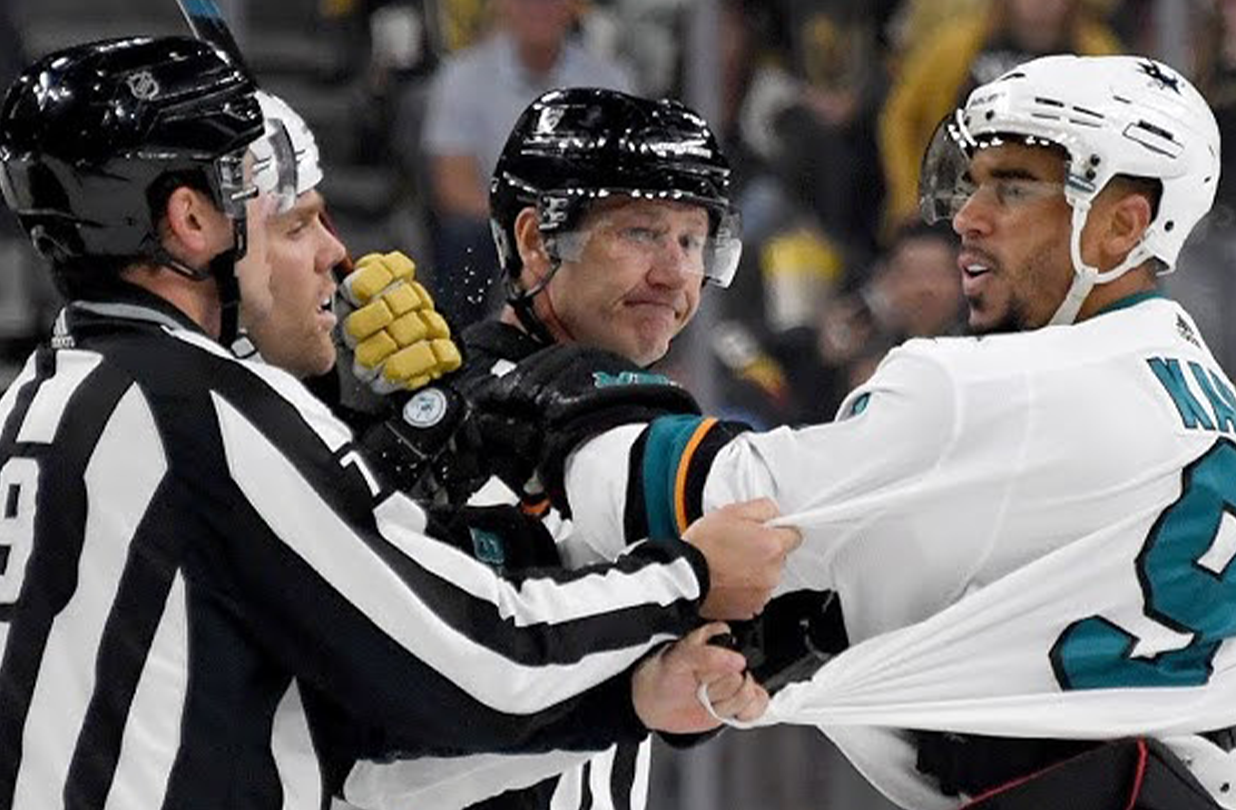
- Resolving Disputes: When players argue or fights break out, referees step in to calm tempers and maintain order.
- Goal Confirmation: Referees decide if a puck crosses the line and a goal is scored, especially in complicated situations where the play is hard to see.
Types Of Officials In Ice Hockey
An ice hockey game does not rely on just one official. There are usually four on-ice officials in professional games:
- 2 Referees: They wear orange armbands and have final say on penalties and goals.
- 2 Linesmen: They mostly monitor offsides, icing, and conduct faceoffs.
Here’s a quick comparison of their roles:
| Official | Main Responsibilities | Uniform Mark |
|---|---|---|
| Referee | Penalties, goals, overall game control | Orange armband |
| Linesman | Offside, icing, faceoffs | No armband |
In lower-level or youth games, there may only be one referee and one linesman.
Key Duties Explained
Enforcing The Rules
Referees keep the game fair. They must know the rulebook inside out. If a player trips another, uses a high stick, or interferes with the goalie, referees must see and judge these actions in real time. Missing a critical call can lead to unfair advantages.
Calling Penalties
Penalties come in several types: minor, major, misconduct, and match penalties. Referees have to be quick and decisive. They also announce penalties to the official scorer and sometimes must explain their decisions to angry coaches.
A common beginner mistake is thinking every hard hit is a penalty. Referees use their experience to judge what is legal physical play and what crosses the line.
Managing Faceoffs And Restarts
Faceoffs start play after most stoppages. Referees (or linesmen) drop the puck and ensure players line up correctly. If players break the rules before the drop, the referee may eject a player from the faceoff circle or call a penalty.
Ensuring Player Safety
In a fast sport, injuries can happen quickly. Referees are trained to spot dangerous actions, like a player boarding another into the glass. They can stop play for medical help or eject players who commit severe fouls.
Handling Fights And Arguments
Hockey is emotional. Fights can break out, and referees must break up altercations, separate players, and give out penalties for fighting. They also calm coaches and avoid letting tempers ruin the game.
Communicating With Off-ice Officials
Referees work with off-ice officials like the goal judge, timekeeper, and video review team. If a goal is unclear, the referee may review video footage before making a final decision.
Here’s how on-ice and off-ice officials interact:
| Situation | On-Ice Official | Off-Ice Official | Collaboration |
|---|---|---|---|
| Disputed Goal | Referee | Goal Judge, Video Review | Review footage, confirm goal |
| Penalty Timing | Referee | Timekeeper | Signal start/end of penalty |
Required Skills And Qualities
Not everyone can referee ice hockey. The job is demanding, both physically and mentally.
Key skills include:
- Skating ability: Referees must skate as well as the players to keep up with the action.
- Sharp vision: They need to see small details at high speeds.
- Confidence: Making tough calls under pressure is part of the job.
- Communication: Explaining calls and calming tempers is essential.
- Rule knowledge: They must memorize complex rules and apply them instantly.
A common mistake is thinking referees do not need to be fit. In reality, officials often skate five miles or more per game, sometimes more than the players.
Challenges Faced By Referees
Referees deal with unique pressures:
- Crowd pressure: Home fans can be loud and critical after a tough call.
- Fast decision-making: They have seconds to judge a play and signal the result.
- Physical risks: Officials can get hit by pucks or players.
- Media scrutiny: In big leagues, their decisions are analyzed on TV and social media.
Here’s a look at average game speed and challenges:
| Aspect | Typical Value | Challenge for Referees |
|---|---|---|
| Puck Speed | Up to 100 mph (160 km/h) | Hard to track, risk of injury |
| Player Speed | 20–30 mph (32–48 km/h) | Keeping up with play |
| Game Length | 60 minutes (3 periods) | Staying focused throughout |
How Referees Impact The Game
Referees directly influence the outcome by:
- Determining when to give a power play (team with more players due to penalty)
- Protecting star players from illegal hits
- Keeping games from getting out of control with fights or rough play
A well-refereed game feels fair, safe, and allows skill to shine.

How To Become An Ice Hockey Referee
Most officials start in youth leagues and work up through experience and training. National organizations, like USA Hockey, offer referee certification programs. Referees must pass fitness tests, rule exams, and attend annual seminars.
If you are interested in becoming a referee, check out the International Ice Hockey Federation for more information.
Frequently Asked Questions
How Many Referees Are On The Ice During An Nhl Game?
There are usually two referees and two linesmen during a National Hockey League (NHL) game.
What Is The Difference Between A Referee And A Linesman?
Referees call penalties and goals, while linesmen handle offside, icing, and faceoffs.
Can Referees Review Video Footage To Make Decisions?
Yes, in professional leagues, referees can use video review to help with disputed goals or major penalties.
Do Referees Get Injured During Games?
Yes, referees sometimes get hit by pucks or players. They wear protective gear, but the risk is always present.
How Do Referees Communicate With Each Other?
Referees use hand signals, whistles, and sometimes headsets to communicate during games.
Referees are the backbone of ice hockey. Their split-second decisions, skating skill, and rule knowledge keep games fair and safe. Next time you watch a game, notice how much work goes into every whistle and call. The more you understand their role, the more you’ll appreciate the fast, exciting world of ice hockey.