
The wrist shot is one of the most important and widely used techniques in ice hockey. Whether you are a beginner or a seasoned player, understanding how this shot works can help you score more goals, play smarter, and enjoy the game even more. While it may look simple, there is a lot of skill and subtle technique behind a great wrist shot. This article will break down what a wrist shot is, why it matters, how it compares to other shots, and how you can start practicing it yourself.
What Is A Wrist Shot?
A wrist shot in ice hockey is a type of shot where the player uses the flex of their stick and a quick snap of the wrists to propel the puck toward the goal. Unlike a slap shot, which requires a full wind-up, the wrist shot is smooth, quick, and often more accurate. Players rely on the quick motion of their arms and wrists, rather than brute strength, to generate speed and power.

Today's Exclusive Deals
Limited-time Exclusive Deals. Check current discount on Amazon.
Check Price on Amazon As an Amazon Associate I earn from qualifying purchases.The puck usually stays close to the ice, making it harder for goalies to track and stop. Because it is fast and less predictable, many of the game’s top scorers prefer the wrist shot in critical moments.
How To Perform A Wrist Shot
Learning the wrist shot starts with mastering a few simple movements. Here’s a breakdown of the key steps:
- Grip: Hold your stick with both hands, with the lower hand about halfway down the shaft.
- Puck Position: Place the puck slightly ahead of your body, near your front foot.
- Weight Transfer: Shift your weight from your back foot to your front foot as you prepare to shoot.
- Stick Movement: Pull the puck toward your target using your lower hand, keeping the blade of the stick in contact with the ice.
- Wrist Action: Snap your wrists as you release the puck, adding speed and spin.
- Follow Through: Finish with your stick pointing where you want the puck to go.
Practicing these steps slowly and gradually increasing speed will help you develop muscle memory and consistency.
Wrist Shot Vs. Other Hockey Shots
The wrist shot is only one of several ways to shoot in hockey. Let’s see how it compares with other common shots:
| Shot Type | Power | Accuracy | Release Speed |
|---|---|---|---|
| Wrist Shot | Medium | High | Very Fast |
| Slap Shot | Very High | Medium | Slow |
| Snap Shot | Medium | Medium-High | Fast |
| Backhand Shot | Low-Medium | Medium | Fast |
The wrist shot stands out for its combination of accuracy and quick release, making it ideal for shooting in tight spaces or surprising the goalie.
Why The Wrist Shot Matters
The wrist shot is not just a basic skill; it’s a game-changer for several reasons:
- Speed and Surprise: The quick release can catch goalies off guard.
- Accuracy: Players can easily pick corners or aim for rebounds.
- Versatility: Works well from many angles and distances.
- Low Risk: Less time to execute means less chance for defenders to block.
In the NHL, many top scorers use the wrist shot as their primary weapon. For example, Auston Matthews is known for his deadly accurate wrist shots, which helped him score over 60 goals in the 2021-2022 season.

Key Techniques And Tips
Improving your wrist shot involves focusing on both technique and practice. Here are some tips that even experienced players sometimes overlook:
- Blade Curve Matters: The curve of your stick blade affects how the puck lifts and spins. Experiment with different curves to find what suits your style.
- Puck Roll: Rolling the puck from the heel to the toe of the stick increases both spin and accuracy. Many beginners miss this subtle movement.
- Body Positioning: Keep your knees bent and body low. This helps with balance and adds power through your legs.
- Hand Separation: A wider grip allows for more control, while a closer grip can speed up release but reduce accuracy.
- Eyes Up: Always look at your target before you shoot, not just at the puck.
Try shooting at targets on a wall or net to improve your aim. Record your shots to check your form and make small adjustments.
Common Mistakes To Avoid
Even experienced players sometimes make errors with their wrist shot. Here are some frequent mistakes and how to fix them:
- Lifting the Puck Too Late: If you try to lift the puck only at the last moment, the shot loses power. Start the lifting motion earlier.
- Not Using the Whole Body: Relying only on your arms limits power. Use your legs and core.
- Poor Stick Blade Contact: Losing contact with the puck reduces control. Make sure your stick blade stays in contact throughout the shot.
- Telegraphing the Shot: Making big, obvious movements gives goalies time to react. Keep your motions compact.
By focusing on these details, you can develop a more effective and consistent wrist shot.
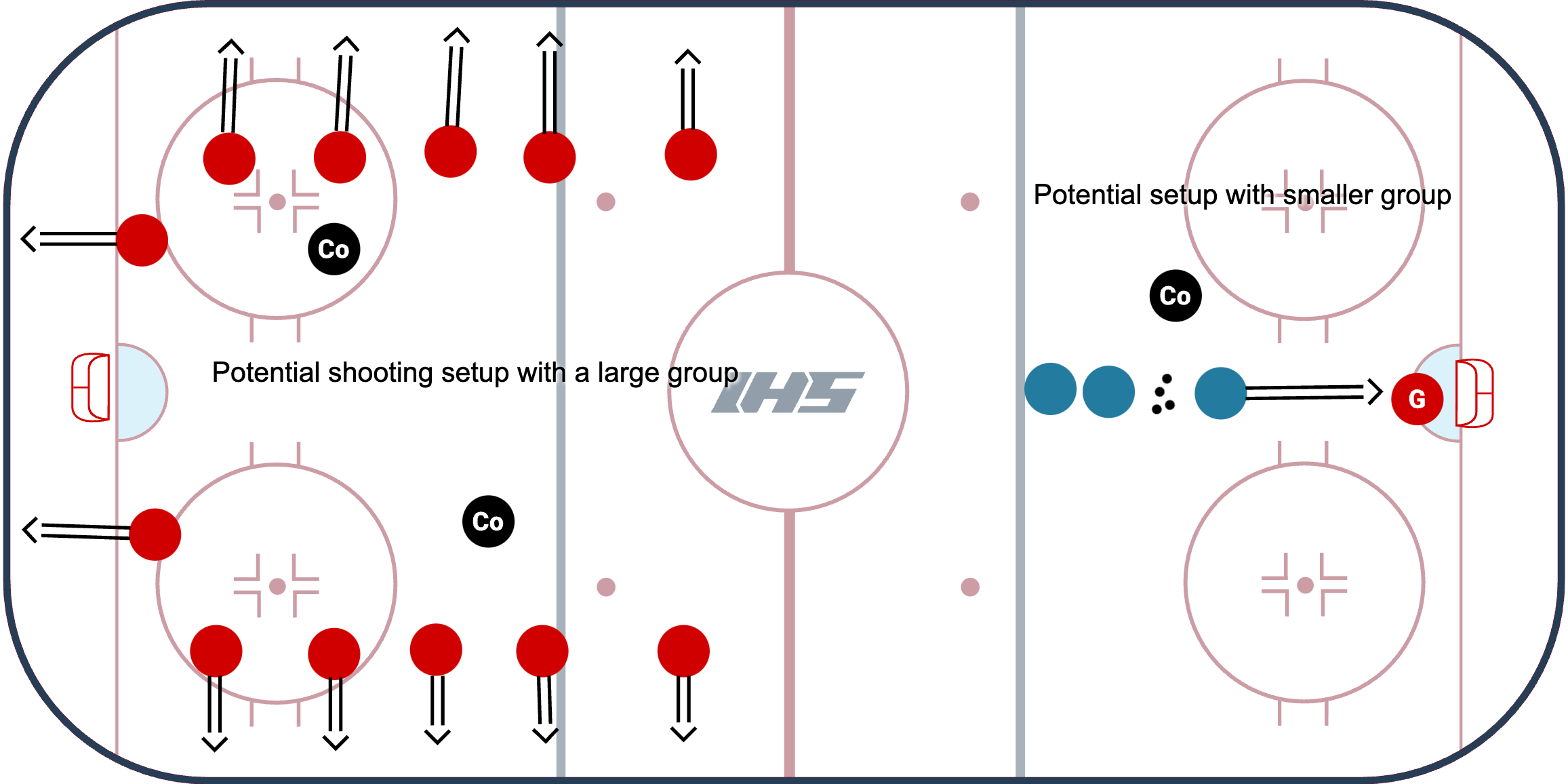
Practical Drills To Improve Your Wrist Shot
Practice is essential for mastering the wrist shot. Here are some drills to help you get better:
- Target Shooting: Place targets in the net and try to hit them from different angles and distances.
- Quick Release Drill: Rapidly shoot multiple pucks in a row, focusing on speed and accuracy.
- One-Leg Balance: Practice shooting while balancing on one leg to improve core strength and stability.
- Stickhandling to Shot: Move the puck side-to-side before shooting to simulate in-game situations.
- Shot Power Drill: Measure how far you can shoot the puck with only a wrist shot. Try to increase distance over time.
These drills build both skill and confidence. Practice regularly, and you’ll see improvement in your games.
Advanced Insights: What Pros Do Differently
Elite players add small details to their wrist shots that beginners often miss:
- Deception: Pros use head fakes or change their shooting angle at the last second.
- Variable Release Points: They shoot from different spots on their stick blade, not just the center.
- Changing Trajectory: Pros can intentionally shoot low for rebounds or high to beat a goalie’s glove.
These advanced techniques come with time and practice, but being aware of them can help you reach the next level.
Wrist Shot Statistics And Impact In Modern Hockey
The wrist shot’s importance is shown in modern hockey analytics. According to the NHL, over 40% of all goals are scored using some form of wrist or snap shot. This is because the game is faster, defenses are tighter, and players need shots that are both quick and accurate.
Here’s a look at goal data by shot type:
| Shot Type | Percentage of Goals | Average Release Time (seconds) |
|---|---|---|
| Wrist/Snap Shot | 42% | 0.29 |
| Slap Shot | 27% | 0.48 |
| Backhand | 19% | 0.33 |
| Other | 12% | 0.37 |
This data shows why coaches emphasize practicing the wrist shot at all levels.
Frequently Asked Questions
What Is The Main Advantage Of A Wrist Shot?
The biggest advantage is the quick release and accuracy. You can shoot without needing a big wind-up, which surprises goalies and gives defenders less time to react.
How Is A Wrist Shot Different From A Snap Shot?
A wrist shot uses a smoother, longer motion and more wrist action, while a snap shot is a quick, short snap of the wrists with less follow-through. Snap shots are usually faster to release but less accurate.
Can You Score From Far Away With A Wrist Shot?
Yes, but wrist shots are most effective at medium to close range. For long-distance shots, players usually prefer the slap shot for extra power.
Should I Use A Heavier Or Lighter Stick For Wrist Shots?
A lighter stick can help you shoot faster, but the flex rating matters more. A stick with the right flex for your weight and strength helps you load and release energy efficiently.
Where Can I Find More About Hockey Shooting Techniques?
You can read more about shooting techniques and strategies on the Ice Hockey Techniques Wikipedia page.
The wrist shot remains a vital skill in ice hockey, blending speed, accuracy, and surprise. By understanding the technique, practicing regularly, and learning from the best, you can turn your wrist shot into a real scoring weapon on the ice.


