Baseball is a sport that excites kids and teaches valuable lessons like teamwork, discipline, and coordination. But when it comes to choosing the right baseball size for kids, many parents and coaches feel confused. The size of the baseball matters more than most people think.
It affects how well kids learn, how safe they are, and how much they enjoy the game. Using the wrong size can lead to poor technique, frustration, or even injuries. So, what size baseball should kids use for practice and games?
Today's Exclusive Deals
Limited-time Exclusive Deals. Check current discount on Amazon.
Check Price on Amazon As an Amazon Associate I earn from qualifying purchases.Let’s break it down clearly, looking at ages, leagues, safety, and practical tips every parent and coach should know.
Why Baseball Size Matters For Kids
Choosing the right baseball size is not just about following rules—it’s about giving kids the best chance to succeed and have fun. Hand size, grip strength, and throwing ability change as children grow. A ball that is too big or too heavy can cause strain or make it difficult for kids to throw or catch properly. On the other hand, a ball that is too small can lead to poor habits that are hard to fix later. The right size helps kids build confidence and develop skills naturally.
Standard Baseball Sizes For Kids By Age
Kids don’t use the same baseball as adults. There are specific sizes made for different age groups to match their physical development. Here’s how the main sizes break down:
| Age Group | Ball Type | Circumference | Weight |
|---|---|---|---|
| 4–6 years | Tee Ball | 9.0–9.5 in | 4.0–4.5 oz |
| 7–8 years | Safety/Reduced Injury Factor (RIF) Ball | 9.0–9.25 in | 4.5–5.0 oz |
| 9–12 years | Youth Baseball | 9.0–9.25 in | 5.0–5.25 oz |
| 13+ years | Official Baseball | 9.0–9.25 in | 5.0–5.25 oz |
Notice that the circumference does not change much, but weight and construction do. For very young kids, safety balls are also softer to protect little hands and faces.
Tee Ball (ages 4–6): The Best Start
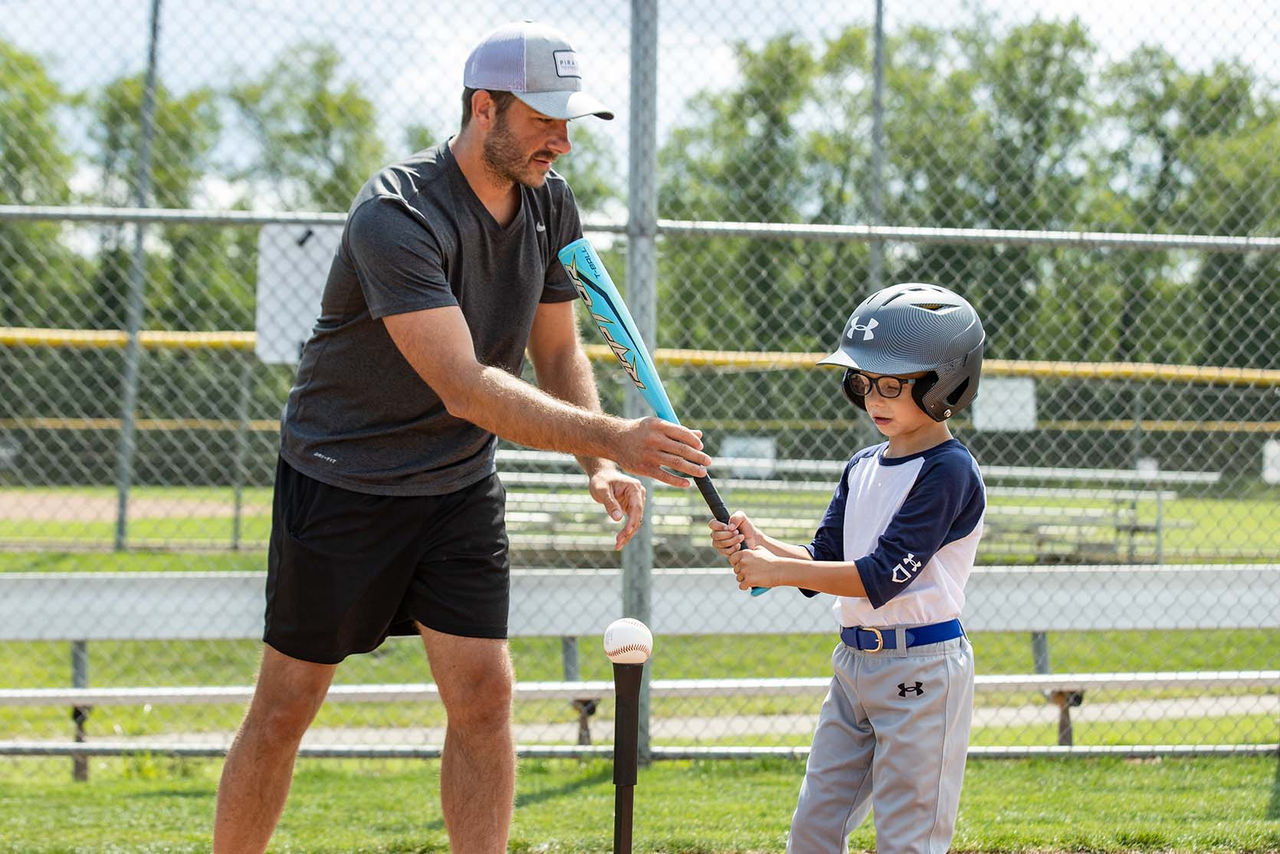
Tee ball is usually the first step for children who are new to baseball. The balls used are slightly larger and softer than standard youth baseballs. This design helps young children grip the ball and reduces the risk of injury.
- Size: 9.0–9.5 inches in circumference
- Weight: 4.0–4.5 ounces
- Features: Softer core, gentle for little hands, easy to hit off a tee
Using a tee ball for ages 4–6 is important. A common mistake is using regular youth baseballs at this age, which can hurt fingers and cause fear. The softer ball builds confidence and allows kids to practice catching and throwing without worry.
Safety Balls And Rif Balls (ages 7–8): Building Skills Safely
At ages 7–8, kids start to play in leagues that introduce pitching. Here, Reduced Injury Factor (RIF) balls or safety baseballs are ideal. They are slightly heavier than tee balls but still have a softer core.
- Size: 9.0–9.25 inches in circumference
- Weight: 4.5–5.0 ounces
- Features: Softer than standard baseballs, designed to reduce injury from missed catches or wild throws
These balls help kids transition from tee ball to live pitching. The RIF ball’s softness makes it less scary, so kids are more willing to try catching and fielding. Many coaches overlook the difference between RIF balls and standard balls, but using a RIF ball reduces injuries and helps kids stay excited about the game.
Youth Baseballs (ages 9–12): Moving Toward The Real Game
As kids grow, their hands and arms become stronger. For ages 9–12, youth baseballs are used. These are almost the same size as adult baseballs but may have slightly different construction.
- Size: 9.0–9.25 inches in circumference
- Weight: 5.0–5.25 ounces
- Features: Harder core, standard winding, similar to official baseballs
By this age, most children can handle the weight and feel of a regulation ball. Using the correct size helps them develop proper throwing and hitting skills. However, not all youth balls are created equal—some brands make slightly softer cores for practice.
Check league rules before buying.
Official Baseballs (ages 13+): The Adult Standard
Once kids reach 13 and above, they typically use official baseballs. These are the same as those used in high school, college, and professional games.
- Size: 9.0–9.25 inches in circumference
- Weight: 5.0–5.25 ounces
- Features: Hard, tightly wound core, leather cover
At this stage, the ball’s weight and hardness help prepare players for advanced competition. Some leagues may still use a softer ball for safety, but most move to the standard ball.

Comparison: Practice Balls Vs. Game Balls
Some coaches and parents wonder if kids should use different balls for practice and games. In most cases, using the same size ball for both is best. However, there are situations where softer practice balls are helpful.
| Scenario | Ball Type | Reason |
|---|---|---|
| Learning new skills (fielding, catching) | Soft-core practice ball | Reduces fear and injury risk |
| Official games | Regulation ball for age group | Builds real-game skills and confidence |
| Indoor drills | Foam or plastic training ball | Prevents damage and injuries indoors |
Using a softer ball during practice allows kids to experiment without fear, especially for catching fly balls. But always switch to the regulation ball before games so kids can adjust to the real feel.
Understanding Construction: Leather, Synthetic, And Foam
Baseballs come in different materials. The outer cover can be leather or synthetic. Leather balls last longer and have a better grip, but they cost more. Synthetic balls are good for wet conditions and younger kids.
- Leather: Best for games, higher quality, good grip
- Synthetic: Cheaper, good for practice, can be used in rain
- Foam: Softest, good for beginners and indoor use
For very young kids or indoor drills, foam balls are a safe option. For official games, always choose the ball type required by the league.
League Rules: What’s Required?
Each youth baseball league has its own rules about ball size and type. Here are some common examples:
- Little League Baseball: Requires balls between 9.0–9.25 inches in circumference and 5.0–5.25 ounces in weight for players ages 8–12.
- PONY Baseball: Uses similar sizes but may allow softer balls for younger divisions.
- Babe Ruth League: Uses official baseballs starting at age 13.
Always check your league’s official rulebook. Using the wrong ball can lead to disqualification or safety issues.
Common Mistakes When Choosing Baseballs For Kids
Many parents and new coaches make the same errors when picking baseballs for kids:
- Buying adult-sized balls for young kids. This can cause injuries and make learning difficult.
- Ignoring the weight of the ball. Even if the size is correct, too much weight strains young arms.
- Forgetting about softness. A ball that is too hard can scare kids away from catching or fielding.
- Not checking league rules. Each league can have small differences in what’s allowed.
A non-obvious tip: For kids who are nervous about catching, start with a foam or soft-core ball for a few weeks, then move to the regulation ball. This builds confidence and skills faster.
Tips For Parents And Coaches
- Buy a few different balls. Have both a regulation ball and a softer practice ball at home.
- Let kids practice with the same ball as games. But use a softer ball for learning new skills.
- Watch for hand size and grip. If your child struggles to grip the ball, try a slightly smaller or lighter version for practice.
- Replace worn-out balls. Old, scuffed balls can be slippery and hard to grip, leading to mistakes and possible injuries.
- Get kids involved. Let them feel and choose the ball that feels best in their hand under guidance.
Real-life Example: What Happens With The Wrong Ball
Consider a 7-year-old who starts baseball with an official league ball. The ball is heavy and hard. After a few practices, the child starts avoiding catching drills because it hurts their hand when they miss. Their throwing technique suffers because their grip is not strong enough.
They lose confidence and may even quit the sport.
But with the right RIF or safety ball, the same child enjoys learning, practices more, and builds skills quickly. The right choice really makes a difference.
When To Change Baseball Size
Sometimes, a child may be ready to move up to the next ball size earlier or later than their age group. Here’s how to know:
- Child can easily grip and throw the current ball
- Arm strength is good, and they ask for more challenge
- Coach recommends moving up
Don’t rush. It’s better to stay with a smaller ball for a few extra months than to move up too soon and risk injury or frustration.
The Science Behind Ball Size And Injury Prevention
Research shows that using the right size baseball reduces the risk of common injuries like “Little League elbow,” finger sprains, and hand bruises. A study by the American Academy of Pediatrics found that softer, age-appropriate balls led to fewer emergency room visits for baseball injuries in kids under 12.
This is one reason many youth leagues now require RIF balls for younger divisions.

Where To Buy The Right Baseballs
Most sports stores carry youth and safety baseballs, but not all balls are clearly marked. Look for:
- Size and weight printed on the ball or packaging
- Approval stamps (like “Little League Approved”)
- Soft-core or RIF label for ages under 9
Online stores are also a good option, but check return policies in case the ball doesn’t feel right.
Frequently Asked Questions
What Happens If My Child Uses The Wrong Size Baseball?
Using the wrong size or weight can lead to poor technique, injuries, and loss of confidence. It’s important to match the ball to your child’s age and skill level for safety and better learning.
Can My Child Practice With A Foam Or Plastic Ball At Home?
Yes, foam or plastic balls are excellent for home practice, especially indoors or for children who are nervous about catching. They help build skills without risk of injury.
How Do I Know If My League Requires A Special Baseball?
Check your league’s rulebook or website, or ask your coach. Rules can vary between organizations, so it’s always best to confirm before buying balls for the season.
Is It Okay To Use A Softball Instead Of A Baseball For Young Kids?
No, softballs are larger and heavier than baseballs. They are not a substitute for age-appropriate baseballs and can teach the wrong grip and throwing technique.
Where Can I Find Official Information About Youth Baseball Standards?
You can find detailed standards and recommendations at the official Wikipedia Baseball Ball page, which includes links to league rules and specifications.
Choosing the right baseball for kids is a small step that makes a big difference. It keeps the game safe, fun, and helps children grow as players. Take time to find the right ball, and you’ll set your child up for a great baseball experience.