
Throwing a baseball with precision takes more than just talent or a strong arm. Many young pitchers wonder why their fastballs miss the target or why breaking balls don’t land where they want. The truth is, pitching accuracy is a skill that anyone can build with the right approach. Whether you’re a Little League player or high school prospect, learning how to hit your spots consistently can help you stand out and win games. Let’s dive deep into the real methods, techniques, and mental habits that improve baseball pitching accuracy for all levels.
Understanding Pitching Accuracy
Many players think pitching accuracy is only about aiming for the catcher’s glove. In reality, it means repeating your mechanics, controlling your body, and making smart adjustments. Great pitchers don’t just throw strikes—they throw the right pitch, in the right place, at the right time. This skill requires muscle memory, mental focus, and constant practice.

Today's Exclusive Deals
Limited-time Exclusive Deals. Check current discount on Amazon.
Check Price on Amazon As an Amazon Associate I earn from qualifying purchases.Why Accuracy Matters
Accurate pitchers force weak contact, get more outs, and keep pitch counts low. Even a fastball over 90 mph becomes easy to hit if it’s always down the middle. On the other hand, an average-speed pitch on the edges can fool hitters and avoid hard hits.
Scouts and coaches look for pitchers who can throw strikes but also command the corners and change eye levels.
Key Factors Affecting Accuracy
- Mechanics: Smooth, repeatable delivery
- Grip: Consistent, comfortable hold on the ball
- Focus: Strong mental routine and visualization
- Physical fitness: Core strength and flexibility
- Practice habits: Quality over quantity when training
Building A Repeatable Pitching Motion
The most accurate pitchers have a delivery that looks the same every time, from windup to release. This consistency is the foundation for control.
Today's Exclusive Deals
Limited-time Exclusive Deals. Check current discount on Amazon.
Check Price on Amazon As an Amazon Associate I earn from qualifying purchases.Breaking Down The Mechanics
A repeatable motion means using the same movement for every pitch. This includes your leg lift, arm angle, stride length, and follow-through.
- Balance: Start with good balance on your back leg. Avoid swaying or leaning.
- Stride: Step straight toward home plate. A common mistake is stepping off-line, which changes the release point.
- Arm slot: Find a natural arm angle and keep it for all pitches.
- Finish: Your chest should finish over your front knee, with your arm following through toward the target.
How To Practice
- Mirror drills: Watch your delivery in a mirror or record yourself to spot differences.
- Dry throws: Practice your motion without a ball to focus on balance and rhythm.
- One-knee throws: Throw from one knee to isolate your upper body movement.

Mastering The Grip And Release
How you hold and release the baseball affects where it goes. Even small changes can lead to wild pitches.
Finding The Right Grip
Each pitch type (fastball, curveball, slider, changeup) has a different grip. But for accuracy, the grip must feel comfortable and repeatable.
- Fingertip pressure: Hold the ball more with your fingers, not your palm.
- Consistent pressure: Squeeze the ball the same way every time.
- Seam orientation: For fastballs, use the four-seam grip for straighter movement.
Release Point Control
If your release is too early or too late, the ball will miss high or low. Work on letting go of the ball at the same spot, with your hand in line with your target.
Today's Exclusive Deals
Limited-time Exclusive Deals. Check current discount on Amazon.
Check Price on Amazon As an Amazon Associate I earn from qualifying purchases.- Focus on the catcher’s glove
- Use a release point marker (such as a string or tape in practice) to train your arm path
Improving Focus And Mental Approach
Many pitchers lose accuracy because of nerves, distractions, or overthinking. Mental training is as important as physical work.
Creating A Pre-pitch Routine
A short routine before every pitch can calm nerves and boost focus.
- Take a deep breath
- Visualize the pitch
- Pick a small target (like a button on the catcher’s chest protector)
Dealing With Pressure
Missing a pitch or walking a batter happens to everyone. The key is not letting one mistake affect the next pitch.
- Reset after each throw—step off, breathe, and refocus
- Positive self-talk—remind yourself of past successes
Drills For Better Pitching Accuracy
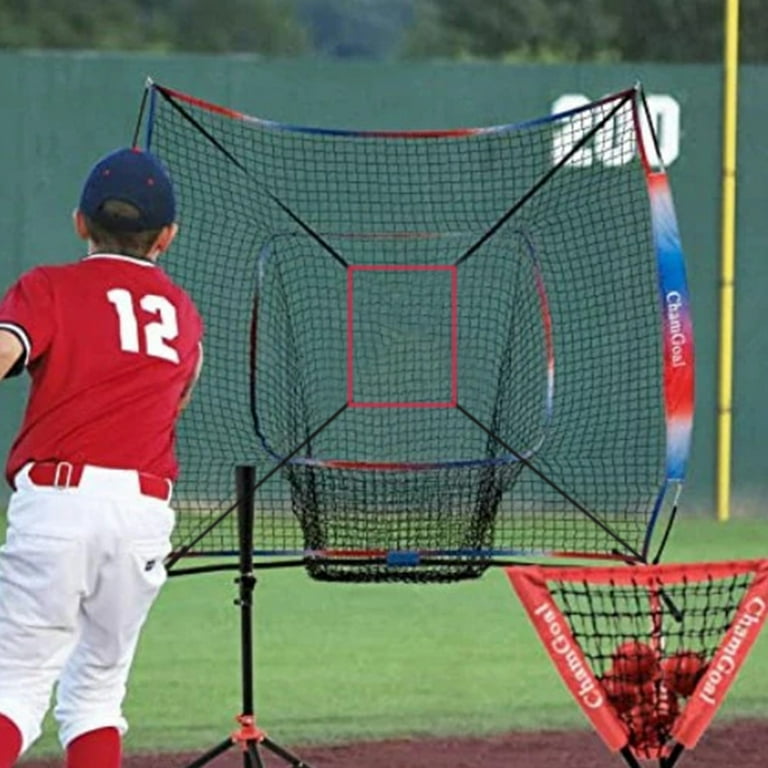
Regular practice is the only way to improve. But not all drills are equal. Here are some proven drills that build accuracy fast.
1. Target Practice Drill
Set up a towel or small target in the strike zone. Try to hit it with different pitches. Start close (40 feet), then move back to full distance.
2. Flat-ground Throwing
Throw from flat ground (not the mound) to focus on mechanics without worrying about slope. This builds muscle memory and allows more throws with less stress on your arm.
3. Bullpen Sessions With Count
Simulate a game count (for example, 2 balls, 1 strike) and pitch to an imaginary batter. Focus on hitting the corners and mixing pitches.
4. Walk The Ladder Drill
Change the target up and down in the strike zone after each pitch. This improves command of both low and high spots.
5. Balance Point Drill
Pause at your balance point (top of the leg lift) before finishing the pitch. This helps prevent rushing and improves timing.
6. Towel Drill
Hold a small towel instead of a ball. Snap the towel toward a target to practice a strong finish and correct arm action.
Using Technology And Data
Today’s pitchers have more tools than ever. Video analysis, radar guns, and pitch-tracking apps can show where your pitches really go.
Video Breakdown
Record your bullpen sessions. Watch where pitches miss and how your body moves. Many errors happen because of small changes you can only see on video.
Pitch Tracking Apps
Apps like Rapsodo and Pocket Radar track velocity, spin rate, and location. This data helps you spot trends and make corrections.
Comparing Pitch Types
Use data to see which pitch you control best. Some pitchers have more accuracy with a two-seam fastball than a four-seam.
| Pitch Type | Average Strike % | Common Miss Location |
|---|---|---|
| Four-Seam Fastball | 68% | High |
| Two-Seam Fastball | 62% | Arm Side |
| Curveball | 54% | Low or in the dirt |
| Changeup | 61% | Low and away |
Physical Conditioning For Pitchers
A strong body supports a repeatable delivery. Weak legs or core muscles often lead to wild pitches late in games.
Key Areas To Train
- Core muscles: Planks, medicine ball throws
- Leg strength: Lunges, squats, sprints
- Shoulder health: Bands, light weights for rotator cuff
Flexibility And Mobility
Stretching keeps your arm loose and reduces injury risk. Focus on hips, shoulders, and back.
Comparing Strength Vs. Flexibility
| Attribute | Benefit for Accuracy | Common Mistake |
|---|---|---|
| Strength | Helps maintain velocity & repeat mechanics late in games | Overtraining leads to tightness |
| Flexibility | Allows full range of motion for smoother delivery | Neglecting stretching increases risk of wild throws |
Adjusting To Different Game Situations
Accuracy isn’t just for bullpen sessions. You must adapt to real-game challenges like wind, fatigue, and different hitters.
Pitching In Windy Conditions
Wind can push pitches off target. Aim slightly against the wind, and throw with more intent.
Facing Left Vs. Right-handed Hitters
Some pitchers miss arm-side (inside to righties, outside to lefties). Adjust your landing foot and focus on finishing toward the target.
Staying Sharp Late In Games
Pitchers often lose accuracy in later innings. Shorten your pre-pitch routine and focus on one pitch at a time.

Common Mistakes And How To Fix Them
Many pitchers struggle with the same errors. Recognize and fix these to improve fast.
Overthrowing
Trying to throw harder often leads to wild pitches. Stay relaxed and focus on smooth mechanics.
Ignoring The Lower Body
Most power and control come from the legs and core, not just the arm. If you’re missing high, check your stride and leg drive.
Lack Of Feedback
Practicing without feedback leads to repeating mistakes. Always get video or work with a coach.
Example: Improving After A Bad Game
A high school pitcher gave up five walks in one game. He reviewed his video and noticed he was rushing his motion. By focusing on a slower leg lift and better balance, he cut his walks in half over the next three games.
Tracking Your Progress
Set goals and measure your accuracy over time. Don’t just throw for the sake of throwing.
Simple Ways To Track
- Strike percentage: Aim for 65% or higher in bullpens
- Miss location log: Note where you miss most often (high, low, inside, outside)
- Monthly video checks: Compare mechanics from week to week
Example Progress Chart
| Month | Bullpen Strike % | Common Miss |
|---|---|---|
| April | 57% | High & outside |
| May | 62% | Low & inside |
| June | 68% | On target |
Two Non-obvious Insights For Pitchers
- Foot placement matters more than you think: Even a small change in where your lead foot lands can move your release point by inches, which means missing the target by feet. Focus on landing your foot straight toward the plate.
- Eyes lead the body: Pitchers who look at the whole strike zone instead of a tiny spot are less accurate. Always pick a very small target—not just the catcher’s glove, but a part of the glove.
Frequently Asked Questions
How Can I Improve My Accuracy Fast?
Start with mirror drills to check your mechanics, and add focused target practice at close range. Even 10 minutes a day can help if you work on repeating the same motion every throw.
Does Arm Strength Help Pitching Accuracy?
Arm strength alone does not improve accuracy. It helps you keep velocity late in games, but control comes from repeatable mechanics and body alignment.
Why Do I Throw Strikes In Practice But Not In Games?
This is usually a mental issue. In games, pressure can speed up your motion or distract your focus. Develop a pre-pitch routine and practice under pressure by simulating game counts.
Are There Any Tools That Help With Pitching Accuracy?
Yes, video analysis and pitch tracking devices give clear feedback. For example, Statcast shows pitch location and movement data at the pro level.
How Long Does It Take To See Improvement?
Most pitchers notice better accuracy in 2-4 weeks with daily, focused practice. Major changes take time, but small gains come quickly if you track your progress and correct mistakes.
Improving your baseball pitching accuracy isn’t about throwing more pitches—it’s about smarter, more focused practice, building solid mechanics, and staying sharp mentally. With patience and effort, you can become the pitcher who always hits the spot and gets the big outs when your team needs them.

