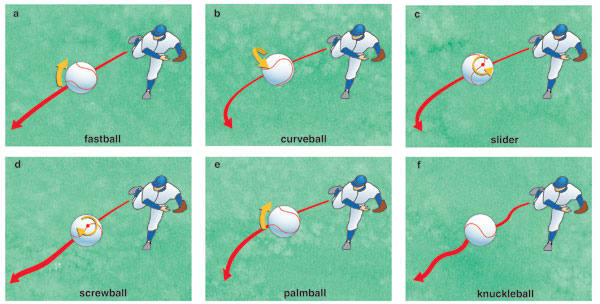
Baseball is a sport full of excitement and strategy. One of the most fascinating parts of the game is pitching. When you watch a pitcher throw the ball, you might notice that not every pitch is the same. Some pitches fly straight and fast, while others curve sharply. Two of the most famous types of pitches are the fastball and the curveball. For new fans, these pitches may look similar, but they are very different in how they move, how they are thrown, and how they challenge the hitter. Understanding the differences can help you enjoy the game even more, whether you are watching on TV or playing in your neighborhood.
What Is A Fastball?
The fastball is the most basic and common pitch in baseball. It is known for its speed. When a pitcher throws a fastball, they grip the ball tightly and use a straight overhand motion to throw it as fast as possible. The goal is simple: get the ball past the batter before they can react.

Today's Exclusive Deals
Limited-time Exclusive Deals. Check current discount on Amazon.
Check Price on Amazon As an Amazon Associate I earn from qualifying purchases.Most professional pitchers can throw a fastball between 85 and 100 miles per hour (137–161 km/h). Some, like Aroldis Chapman, have thrown fastballs over 105 mph (169 km/h). There are different types of fastballs, but the four-seam fastball is the fastest and straightest.
A fastball is usually thrown for a strike, meaning it goes straight over home plate. Because of its speed, it forces the batter to make quick decisions. Hitters often struggle to keep up with a well-thrown fastball.
What Is A Curveball?
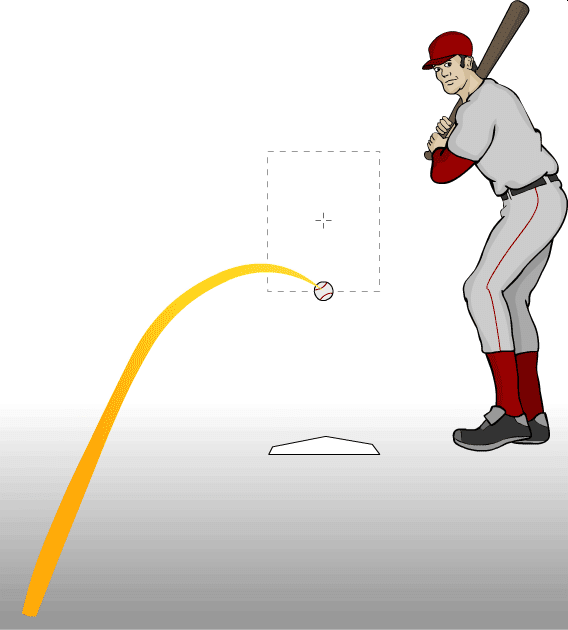
The curveball is a pitch that relies on movement rather than speed. A pitcher throws a curveball by snapping their wrist and spinning the ball as it leaves their hand. This creates a lot of topspin, causing the ball to drop or curve as it approaches the plate.
Today's Exclusive Deals
Limited-time Exclusive Deals. Check current discount on Amazon.
Check Price on Amazon As an Amazon Associate I earn from qualifying purchases.Curveballs are usually much slower than fastballs, often thrown between 70 and 80 miles per hour (113–129 km/h). The ball can break sharply downward, or even sideways, depending on the pitcher’s grip and arm motion.
Because of its movement, the curveball can fool hitters. They may swing too early, too late, or miss the ball entirely because it does not follow a straight path.
Main Differences Between A Fastball And A Curveball
To see the differences more clearly, let’s compare some key features of the fastball and curveball.
| Feature | Fastball | Curveball |
|---|---|---|
| Speed | 85–100+ mph | 70–80 mph |
| Movement | Straight, minor rise | Sharp downward/sideways |
| Grip | Fingers across seams | Fingers along seams, wrist snap |
| Purpose | Overpower hitter | Deceive hitter |
| Common Mistake | Not enough velocity | Not enough spin |
As you can see, these pitches are different in almost every way. The fastball is all about speed and power, while the curveball is about movement and trickery.
Today's Exclusive Deals
Limited-time Exclusive Deals. Check current discount on Amazon.
Check Price on Amazon As an Amazon Associate I earn from qualifying purchases.How To Throw Each Pitch
Learning to throw a fastball or curveball takes practice, but the basic steps are clear.
Throwing A Fastball
- Grip: Hold the ball with your index and middle fingers across the seams. Your thumb should be underneath the ball for support.
- Arm Motion: Use a straight overhand or three-quarters arm angle. Snap your wrist as you release to generate speed.
- Release Point: Let the ball go out in front of your body. Focus on accuracy and follow through after release.
- Tips: Keep your wrist firm. Don’t try to “guide” the ball too much; trust your motion.
Throwing A Curveball
- Grip: Place your middle finger along the bottom seam. Your index finger sits next to it, and your thumb is underneath.
- Arm Motion: Start like a fastball, but as you throw, twist your wrist downward (like turning a doorknob).
- Release Point: Release the ball a bit earlier than a fastball. The snap of your wrist gives the ball its spin and curve.
- Tips: Don’t over-twist your arm. Let your fingers and wrist create the spin, not your whole arm. Too much twisting can lead to injuries.
Non-obvious insight: Many beginners think a curveball is just a slower fastball, but the spin is actually more important than the speed. Without proper spin, the curveball won’t break as expected.
The Science Behind The Pitches
The main difference between a fastball and a curveball is in the physics. When you throw a fastball, you try to reduce spin and keep the ball straight. The seams push against the air and can cause a slight upward movement (called “rising fastball”), but the ball mostly stays straight.
A curveball, in contrast, has heavy topspin. The seams of the ball catch the air differently, creating pressure that makes the ball drop or move sideways.
Here’s a simple breakdown:
- Fastball: Backspin keeps the ball straight and can even make it “rise” slightly.
- Curveball: Topspin forces the ball to drop or curve sharply.
This difference in spin is why batters often misjudge curveballs. Their eyes expect the ball to follow a straight path, but the curveball changes direction at the last moment.
When To Use A Fastball Or Curveball
Pitchers choose their pitch based on the game situation, the batter’s weaknesses, and their own strengths.
- Fastball is often used to get ahead in the count (throwing a strike early), or when the pitcher wants to challenge a hitter directly.
- Curveball is used to surprise the batter or to get a “swing and miss.” It’s especially useful when the hitter is expecting a fastball.
Some pitchers use a mix of both. For example, a fastball early in the count, then a curveball with two strikes to try to fool the batter.
Practical tip: In youth baseball, coaches usually teach fastballs first because curveballs can put extra stress on the arm. It’s important for young pitchers to build strength before learning breaking pitches.

How Batters React To Each Pitch
Hitters approach these pitches very differently.
- Against a fastball: The batter must react quickly. Good hitters “time” the pitch, using quick hands and a short swing.
- Against a curveball: The batter must adjust to the slower speed and unexpected movement. Many hitters get fooled and swing too early or at the wrong spot.
Some experienced hitters can “read” the pitcher’s hand position and recognize a curveball early, but this skill takes years to develop.
Non-obvious insight: In Major League Baseball, hitters often look for small clues—called “tells”—in a pitcher’s motion to spot a curveball. A slight change in arm speed or grip can give away the pitch.
The Role Of Fastballs And Curveballs In A Pitcher’s Arsenal
Most successful pitchers rely on a mix of pitches. The fastball and curveball are the foundation. Together, they keep hitters guessing and off-balance.
Here’s how pitchers often use both:
| Situation | Preferred Pitch | Reason |
|---|---|---|
| First pitch | Fastball | Establishes control, gets ahead in the count |
| Two strikes | Curveball | Try to make the batter miss |
| Behind in count | Fastball | Reduces chance of a walk |
| Hitter expects fastball | Curveball | Surprise the hitter, break their timing |
Some pitchers throw mostly fastballs with a few curveballs as a surprise. Others use a nearly even mix. This balance depends on the pitcher’s comfort and the batter’s skill.
Famous Pitchers Known For Fastballs And Curveballs
Some pitchers have become legends because of their signature fastball or curveball.
- Nolan Ryan: Famous for his blazing fastball, often clocked over 100 mph.
- Sandy Koufax: Known for one of the best curveballs in baseball history.
- Aroldis Chapman: Holds the record for the fastest pitch in MLB at 105.1 mph.
- Barry Zito: Won a Cy Young Award with a slow, looping curveball that baffled hitters.
Watching these pitchers shows the art and science behind both pitches.
Common Mistakes Beginners Make
Learning to throw and hit fastballs and curveballs is not easy. Here are some common mistakes:
- Throwing too hard, too soon: Young pitchers may try to throw as hard as possible before learning good mechanics, leading to injuries or wild pitches.
- Incorrect grip: A poor grip can reduce speed (for fastballs) or fail to create enough spin (for curveballs).
- Tipping pitches: Beginners often change their motion for each pitch, making it easy for hitters to guess what’s coming.
- Overusing the curveball: Throwing too many curveballs can hurt a young pitcher’s arm and reduce their effectiveness.
- Not watching the hitter: Good pitchers learn to read batters and adjust their pitch selection.
Practical advice: Master the basics of the fastball before moving to curveballs. Building arm strength and control is more important than throwing trick pitches at a young age.
Fastball And Curveball In Modern Baseball
With modern technology, coaches and players can analyze pitches in detail. Tools like radar guns and high-speed cameras measure speed, spin rate, and movement.
- Spin rate: A higher spin rate on a fastball can make it harder to hit. For curveballs, the right spin creates sharp movement.
- Pitch tracking: Systems like Statcast in Major League Baseball provide data on every pitch thrown.
Today, pitchers train not just for speed, but for movement, control, and deception. This has made both fastballs and curveballs more effective than ever.
For more on pitch types and baseball science, you can visit the Wikipedia Baseball Pitches page.
Frequently Asked Questions
What Is The Main Difference Between A Fastball And A Curveball?
The main difference is that a fastball is thrown very fast and moves mostly straight, while a curveball is slower and curves sharply due to the way it spins.
Why Do Pitchers Throw Curveballs If They Are Slower?
Pitchers use curveballs to trick the batter. The sharp movement makes it hard for hitters to predict where the ball will end up, leading to more missed swings.
Is It Harder To Hit A Fastball Or A Curveball?
Both pitches are tough in different ways. Fastballs are hard to hit because of their speed, while curveballs are hard to hit because of their movement and the way they break.
Can Young Players Throw Curveballs Safely?
Young players should focus on fastballs until their arms are strong and their pitching motion is correct. Throwing too many curveballs too soon can cause injuries.
How Can A Batter Tell If A Pitch Is A Curveball?
Experienced batters look at the pitcher’s grip, wrist motion, and the ball’s spin. However, good pitchers make it hard to spot the difference until the last moment.
Baseball is a game of details, and the duel between pitcher and batter is at the heart of it. Whether you love the raw speed of a fastball or the clever trickery of a curveball, understanding these pitches gives you a deeper appreciation of the sport.
Next time you watch a game, see if you can spot the difference—and enjoy the challenge that makes baseball special.