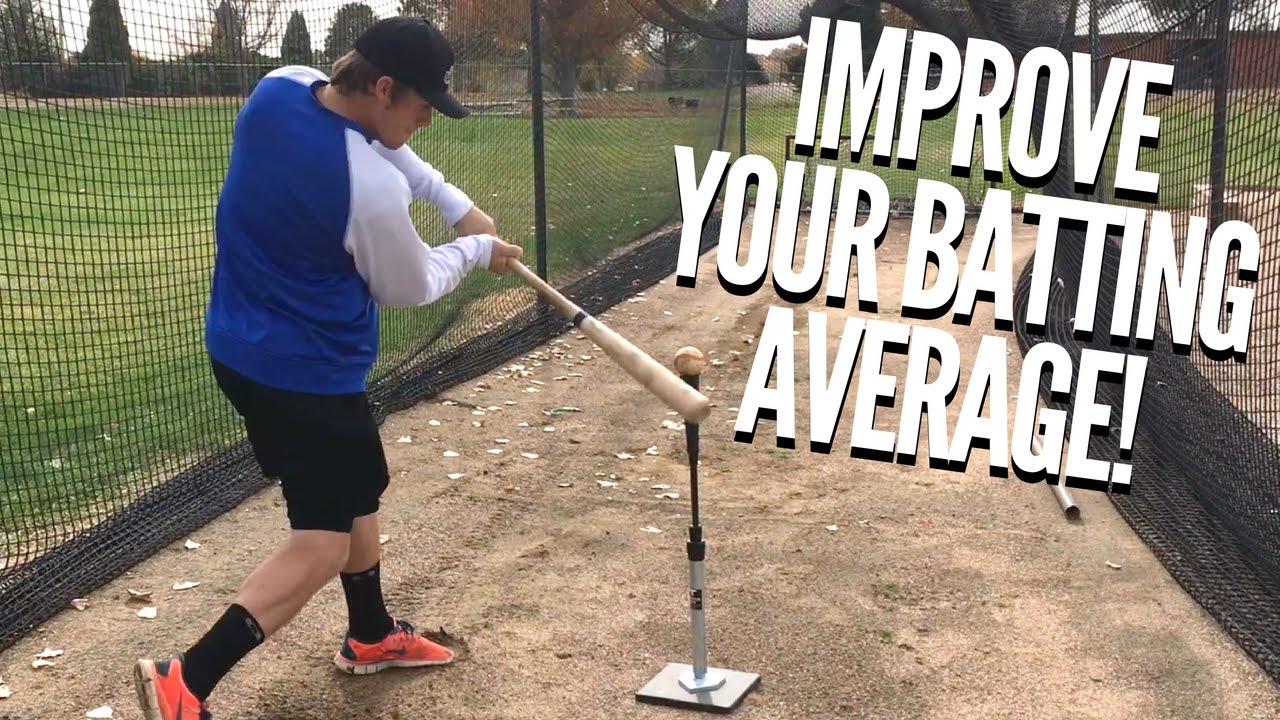
Every baseball player dreams of hearing the sweet crack of the bat and watching the ball soar into the outfield. But turning that dream into reality means one thing: improving your batting average. Whether you’re a high school athlete, a weekend league player, or just starting your baseball journey, boosting your average is a goal that requires more than just natural talent. It needs smart practice, proper technique, and a sharp mind. If you’ve ever wondered, “What is the best way to improve my baseball batting average?”—you’re not alone. With the right strategies, you can transform your game and see real results at the plate.
Let’s break down the proven methods, training habits, and mental approaches that separate good hitters from great ones. You’ll also find non-obvious insights and expert tips that most beginners miss, plus answers to common questions at the end.

Today's Exclusive Deals
Limited-time Exclusive Deals. Check current discount on Amazon.
Check Price on Amazon As an Amazon Associate I earn from qualifying purchases.Understanding The Batting Average
Before you try to improve, it helps to understand what the batting average really means. It’s a simple stat: the number of hits divided by the number of at-bats. For example, if you get 25 hits in 100 at-bats, your average is .250. Major League Baseball averages usually range from .230 to .300. Anything above .300 is considered excellent.
But a good batting average is more than just numbers. It shows how often you help your team by getting on base. And improving your average means you’re learning to make consistent, quality contact with the ball.
Mastering Proper Hitting Mechanics
Good hitters don’t just swing the bat—they use their whole body. Focusing on proper mechanics is one of the fastest ways to raise your average.
The Right Stance
Start with your batting stance. Your feet should be shoulder-width apart, knees slightly bent, and weight balanced. Holding the bat comfortably (not too tight!) helps you react quickly.
Load And Stride
As the pitcher starts, shift your weight back slightly (the “load”), then take a small step forward (the “stride”). This movement stores energy for your swing.
The Swing
Keep your hands close to your body, elbow down, and eyes on the ball. Drive your back hip through as you swing, finishing with the bat high over your shoulder.
Follow Through
A complete swing doesn’t stop at contact. Finishing your swing helps with power and keeps your form consistent.
Non-obvious tip: Many beginners focus only on their arms, but your legs and hips generate most of the power. Work on lower body strength and flexibility.
Improving Hand-eye Coordination
Hand-eye coordination is the foundation of hitting. The better you see and react, the more often you’ll make solid contact.
- Practice tracking balls with your eyes during warm-up.
- Use small balls (like tennis or wiffle balls) to make hitting harder.
- Try “soft toss” drills where a coach or teammate tosses balls from the side.
Pro insight: Some pros use colored balls and call out the color as they swing. This trains both the eyes and the brain to react faster.
Building A Consistent Routine
Consistency leads to confidence. Develop a batting routine before each at-bat—tap the plate, adjust your helmet, or take a deep breath. This routine helps clear your mind and signals your body it’s time to focus.
Routines also reduce anxiety, especially in pressure situations. When you step into the box, you’ll feel ready and in control.
Analyzing Pitchers And Situations
Smart hitters don’t just swing at anything. They study pitchers and look for patterns.
- Watch how the pitcher throws: Does he start with fastballs? Does he use curveballs with two strikes?
- Pay attention to the count: With no strikes, look for your best pitch. With two strikes, protect the plate.
- Notice fielders’ positions: If they shift left, you might try hitting to the right.
Advanced tip: Some hitters keep a notebook to track pitchers’ tendencies. Over time, you’ll spot patterns and know what to expect.
Focusing On Plate Discipline
Swinging at every pitch is a rookie mistake. Plate discipline means waiting for a pitch you can hit well.
- Don’t chase pitches outside the strike zone.
- Learn to lay off high or low balls.
- Take a few pitches early in the game to get used to the pitcher’s speed and style.
This approach often leads to more walks, but it also means you’ll get better pitches to hit. Over time, you’ll see your batting average climb.
Practicing With Purpose
Quality matters more than quantity. Instead of just swinging endlessly, focus on deliberate practice.
- Set goals for each practice: “Today, I’ll focus on hitting the ball up the middle.”
- Use a batting tee to practice hitting balls to all fields.
- Mix in live pitching, soft toss, and machine work to simulate real at-bats.
Non-obvious insight: Video your swing and watch it in slow motion. You’ll notice flaws you can’t feel in real time.
Strength And Conditioning
Power comes from a strong, balanced body. Focus on exercises that build core strength, legs, and forearms.
- Squats and lunges for legs
- Planks and Russian twists for core
- Wrist curls and grip trainers for forearms
A stronger body gives you more bat speed and helps you stay balanced during tough pitches.
Mental Approach And Confidence
Baseball is a mental game. Even the best hitters fail 7 out of 10 times. Building mental toughness keeps you positive and focused.
- Visualize getting a hit before each at-bat.
- Don’t dwell on outs. Learn, adjust, and move on.
- Stay relaxed—tense muscles slow your swing.
Top hitters often use breathing exercises or “self-talk” to keep calm and confident.
Using Technology And Data
Modern players use technology to improve faster.
| Tool | How It Helps | Who Uses It |
|---|---|---|
| Batting Sensors | Tracks swing speed, angle, and consistency | College and pro players |
| Video Analysis Apps | Shows flaws in mechanics frame-by-frame | All levels |
| Pitch-Tracking Systems | Analyzes pitch types and locations | Advanced hitters |
You don’t need expensive gear—many apps are free or low-cost. Even slow-motion on your phone can reveal a lot.

Comparing Training Methods
Let’s look at how different training methods stack up for improving your average.
| Method | Improves | Best For |
|---|---|---|
| Live Pitching | Timing, real-game feel | Advanced hitters |
| Batting Tee | Mechanics, contact | All levels |
| Soft Toss | Hand-eye, reaction | Beginners, intermediate |
| Machine Pitch | Speed, consistency | Mid-level, off-season |
Mixing these methods gives you a complete skill set. Don’t just stick to one type of practice.
Common Mistakes That Lower Batting Average
It’s easy to fall into habits that hurt your hitting:
- Swinging too hard: Power is good, but wild swings cause weak contact.
- Guessing pitches: Stay patient and react, don’t guess.
- Lifting your head: Always keep your eyes on the ball through contact.
- Neglecting off-speed pitches: Practice hitting curveballs and changeups, not just fastballs.
- Ignoring the lower half: Weak legs mean weak swings.
Recognizing these mistakes is the first step to fixing them.

Working With Coaches And Teammates
Don’t try to improve alone. A good coach can spot flaws and give you drills tailored to your needs. Ask teammates for feedback—they might notice things you don’t.
Pro tip: Watching better hitters on your team can teach you more than any book or video. Learn by observing their routines and approaches.
Tracking Your Progress
Keep a simple notebook or app log:
- Date and number of at-bats
- Hits, types of hits (single, double, etc.)
- Notes on how you felt, what worked, what didn’t
Over time, you’ll see patterns. Maybe you hit better on certain days or against certain pitchers. Use that info to adjust your practice.
Setting Realistic Goals
Improvement takes time. Set small, clear goals:
- Raise your average by .020 points this season.
- Get one more hit each week.
- Strike out less often.
Celebrating small wins keeps you motivated for bigger ones.
Nutrition And Recovery
Good fuel makes better hitters. Focus on:
- Lean proteins for muscle repair
- Complex carbs for energy
- Hydration for focus and endurance
Get enough sleep. Tired muscles and a tired brain make hitting much harder.
Advanced Strategies For Experienced Players
If you’re already a solid hitter, try these:
- Learn to “hit behind runners” or bunt for a hit.
- Use the whole field—don’t just pull the ball.
- Study advanced stats like exit velocity and launch angle.
Many pros use data from MLB Statcast to find small areas for improvement.
Frequently Asked Questions
What Is A Good Batting Average In Baseball?
A good batting average in most leagues is around .270 to .300. In the Major Leagues, anything above .300 is excellent, but averages vary by level and league.
How Long Does It Take To Improve My Batting Average?
It depends on your current skill, how much you practice, and the quality of your training. With focused effort, you might see improvement in a few weeks, but big jumps usually take a full season.
Should I Swing At The First Pitch?
Swinging at the first pitch is fine if it’s in your hitting zone. Many good hitters are aggressive early, but be sure it’s a pitch you can drive. Don’t just swing because it’s the first one.
How Important Is Mental Strength For Hitting?
Mental strength is crucial. Even with perfect mechanics, doubt or anxiety can ruin your swing. Staying positive and learning from outs helps you stay consistent.
How Can I Practice Hitting Without A Batting Cage?
You can use a batting tee, soft toss with a partner, or hit wiffle balls in your yard. Shadow swinging (swinging without a ball) in front of a mirror also builds muscle memory.
Improving your baseball batting average isn’t about magic tricks or overnight success. It’s about mastering the basics, practicing with focus, and staying sharp—both physically and mentally. Pay attention to the details, trust your routine, and remember: even the best hitters keep learning every season. Stay patient and persistent, and you’ll see your average climb.