
Basketball players are famous for their incredible jumping ability. When you watch someone dunk with ease or block a shot high above the rim, it can look almost superhuman. But these explosive jumps are not just the result of good genetics.
Behind every highlight-reel leap is a lot of focused, science-based training. If you want to know how basketball players train for vertical jump—and how you could follow a similar path—this article will show you the real methods, the science, and the secrets most beginners miss.
Today's Exclusive Deals
Limited-time Exclusive Deals. Check current discount on Amazon.
Check Price on Amazon As an Amazon Associate I earn from qualifying purchases.Why Vertical Jump Matters In Basketball
A high vertical jump is one of the most valuable skills in basketball. It helps players shoot over defenders, grab rebounds, block shots, and finish dunks. NBA stars like Zach LaVine and Ja Morant are known for their jumping power, but even players who never dunk still need to jump quickly and often. Most positions benefit from vertical jump training, not just centers or forwards.
Many college and pro teams test vertical jump at tryouts and combines. A good standing vertical for male athletes is around 28-34 inches, while elite NBA players often reach 40 inches or more. For women, the numbers are lower but just as important for competitive play.
The Science Behind Jumping Higher
Jumping is not just about strong legs. It’s a mix of strength, speed, and coordination. The main muscle groups involved are the quadriceps, hamstrings, glutes, and calves. When you jump, your body stores energy as you bend your knees and hips, then releases it in a fast, explosive movement.
This is called the stretch-shortening cycle. It’s why athletes do exercises that combine both slow, heavy lifting and quick, explosive jumping. Improving your vertical means training both your muscles and your nervous system to work together more efficiently.

Core Principles Of Vertical Jump Training
Before diving into exercises, it’s important to understand the main principles that guide vertical jump programs:
- Progressive Overload: You must gradually increase the difficulty of your workouts. This means more weight, higher jumps, or faster movements over time.
- Recovery: Muscles need time to rebuild and grow. Overtraining can actually lower your vertical.
- Specificity: The best way to jump higher is to practice jumping, but supporting exercises are also needed.
- Technique: Proper jumping form can add inches to your leap without any extra strength.
Key Exercises For Vertical Jump
Basketball players use a combination of strength, power, and plyometric exercises. Below are the most important types:
1. Strength Training
Building a strong lower body is the foundation. The most common and effective lifts include:
- Squats: Barbell back squats, front squats, and goblet squats develop the quads and glutes.
- Deadlifts: Focus on hamstrings and the entire posterior chain.
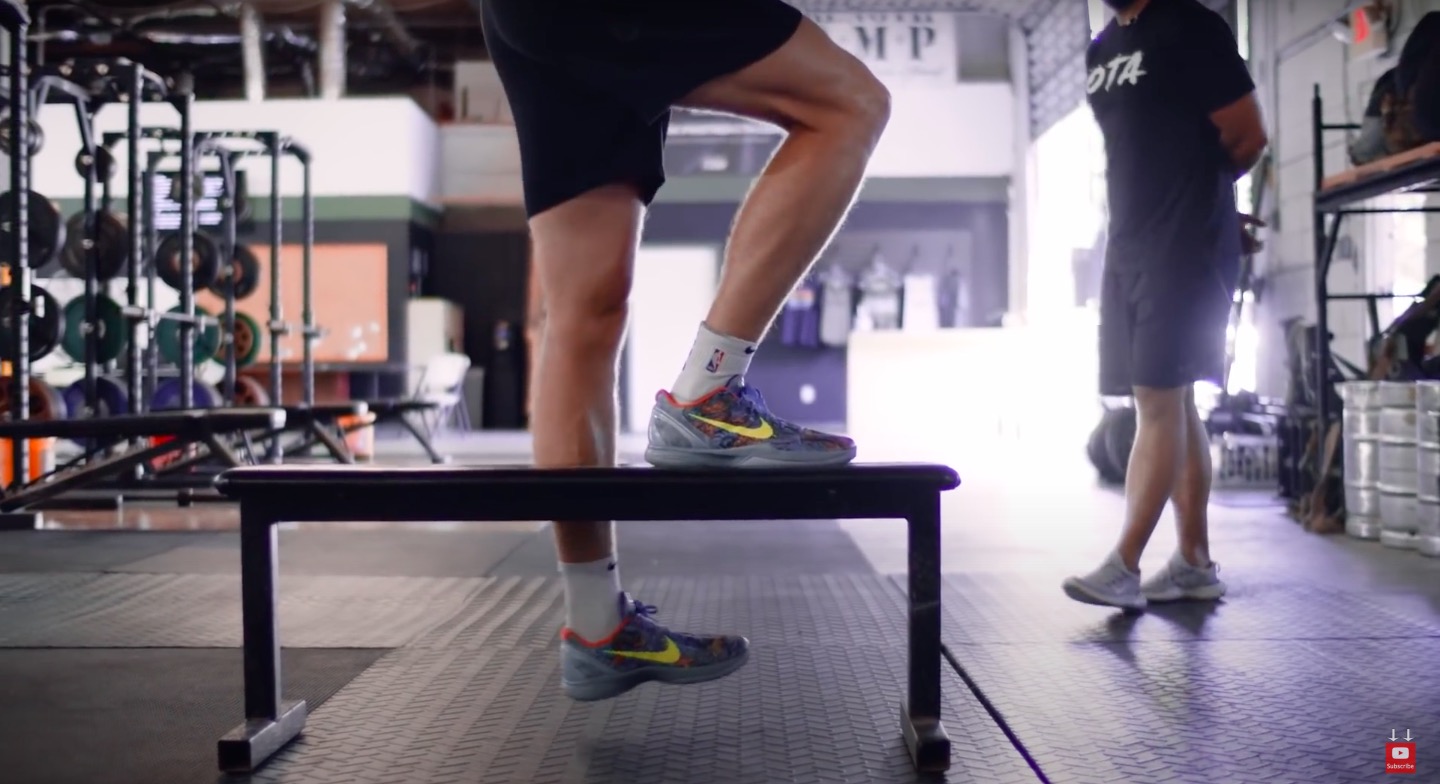
- Lunges and Step-Ups: Improve balance and single-leg strength.
Most athletes train strength 2-3 times a week, aiming for 3-5 sets of 4-8 reps with heavy weight.
2. Plyometric Drills
Plyometrics are explosive movements that teach your body to move quickly. These exercises use the stretch-shortening cycle to boost jumping ability.
Common plyometric drills:
- Box Jumps: Jump onto a box, focusing on quick takeoff.
- Depth Jumps: Step off a box, land, and immediately jump as high as possible.
- Broad Jumps: Jump forward for distance.
- Tuck Jumps: Jump and bring knees to chest.
Plyometrics are intense, so athletes do them 1-2 times per week, with 3-4 sets of 6-10 reps.
3. Olympic Lifting
Many players use Olympic lifts like power cleans and snatches to build explosive power. These moves require good technique and are best learned with a coach, but they are highly effective.
4. Calf And Core Work
Strong calves add to the last part of your jump, while a stable core transfers force from your legs through your body.
- Calf Raises: Single or double leg, on a step or flat ground.
- Planks and Rotational Core Work: Build stability for better jumping mechanics.
A Typical Vertical Jump Workout Plan
Here is an example week for an intermediate basketball player focusing on vertical jump:
| Day | Workout Focus | Main Exercises |
|---|---|---|
| Monday | Strength | Back Squats, Deadlifts, Calf Raises |
| Tuesday | Plyometrics | Box Jumps, Tuck Jumps, Broad Jumps |
| Wednesday | Rest/Core | Planks, Russian Twists |
| Thursday | Strength | Lunges, Step-Ups, Calf Raises |
| Friday | Plyometrics/Olympic Lifts | Depth Jumps, Power Cleans |
| Saturday | Active Recovery | Light Jog, Stretching |
| Sunday | Rest | – |
This is just an example. Beginners may need more rest, and advanced players might add more intensity.
Important Training Details Most Beginners Miss
Many athletes do not realize that training for vertical jump is not just about jumping more often. Here are some overlooked details:
- Rest Between Sets: For explosive exercises, taking 2-3 minutes of rest helps you perform at maximum effort each time.
- Quality Over Quantity: Fewer, higher-quality reps are better than lots of tired, low jumps.
- Jumping Surface Matters: Training on hardwood or gym mats is safer and better for the joints than concrete.
- Warming Up Properly: Dynamic stretches and movement prep lower injury risk and boost performance.
The Role Of Flexibility And Mobility
Some players focus only on strength and power but forget mobility. Tight hips, ankles, or hamstrings can limit your jump height.
Adding dynamic stretching before workouts and static stretching after helps keep muscles long and healthy. Foam rolling and regular mobility work also improve range of motion, allowing for deeper squats and better jumping mechanics.
Nutrition And Recovery
Muscle growth and power depend on good nutrition and sleep. Basketball players aiming to jump higher should:
- Eat enough protein (about 1.6–2 grams per kg of body weight)
- Get plenty of carbohydrates for energy
- Stay hydrated
- Sleep at least 8 hours per night
Supplements like creatine can help, but only if the basics are already strong.

Tracking Progress: How Players Measure Vertical Jump
Serious athletes test their vertical jump regularly. The two common ways are:
- Standing Vertical: Jump from a standstill, reach up, and measure the difference from standing reach.
- Running Vertical: Take a few steps, jump, and measure the highest point touched.
Teams often use devices like the Vertec or force plates for precise data. But you can also use a wall, tape, and chalk at home.
Here’s how a player’s progress might look over a 12-week program:
| Week | Standing Vertical (inches) | Running Vertical (inches) |
|---|---|---|
| 1 | 25 | 28 |
| 4 | 26 | 29 |
| 8 | 27 | 30 |
| 12 | 28.5 | 32 |
Gains are usually slow and steady, with most athletes adding 2-4 inches over a few months if they train consistently.
Comparing Training Methods: What’s Most Effective?
There are many programs and theories about the best way to increase your vertical. Here’s a comparison of three common approaches:
| Method | Main Focus | Time Per Week | Typical Results (3 months) |
|---|---|---|---|
| Strength-Only | Heavy Lifting | 3 days | +1 to 2 inches |
| Plyometrics-Only | Jump Drills | 2 days | +1 to 2 inches |
| Combined | Strength + Plyometrics | 4-5 days | +3 to 4 inches |
The combined approach is the most effective and is used by top athletes worldwide.
Common Mistakes To Avoid
Even with the best plan, mistakes can hold back progress. Watch out for these:
- Neglecting Form: Poor technique increases injury risk and wastes effort.
- Overtraining: Too much jumping or lifting without rest leads to fatigue and worse performance.
- Ignoring Upper Body: A strong upper body helps with arm swing and total power during the jump.
- Skipping Warmups and Mobility: Increases injury risk and reduces range of motion.
Real-life Example: Nba Training
NBA players like Russell Westbrook and LeBron James use personal trainers, high-tech gyms, and custom programs. But their routines still include the basics: squats, plyometrics, and lots of rest and nutrition. They also use video analysis to improve technique and avoid wasted effort.
A typical NBA offseason plan might include:
- 2-3 days of heavy lifting
- 2 days of plyometric drills
- Core and flexibility work daily
- Regular testing and video feedback
You don’t need professional resources to get great results. Most gains come from consistent, focused work on the basics.
Practical Tips For Faster Progress
Here are two insights many beginners miss:
- Jump as Fast as Possible: The speed of your jump is as important as the strength. Focus on pushing off the ground quickly, not just hard.
- Don’t Max Out Every Day: Your nervous system needs rest. Most gains happen during recovery, not constant effort.
If you plateau, change one thing at a time: add weight, try a new plyometric, or adjust your schedule.
How To Start Training Your Vertical Jump
If you’re new, follow these steps:
- Test Your Current Jump: Measure standing and running vertical.
- Set a Realistic Goal: 2-4 inches gain in 12 weeks is excellent for most.
- Pick 2 Strength Days and 1-2 Plyometric Days: Keep it simple.
- Track Your Progress: Retest every 4 weeks.
- Prioritize Rest and Nutrition: Don’t skip recovery.
Consult a coach or experienced athlete if you’re unsure about form or programming.
Frequently Asked Questions
How Long Does It Take To Increase Vertical Jump?
Most athletes see improvements in 8 to 12 weeks with consistent training. Gains are usually 2-4 inches, but progress depends on age, genetics, and training history.
Can Anyone Dunk With Enough Vertical Jump Training?
Not everyone can dunk, but most people can add several inches to their vertical. To dunk a regulation rim (10 feet), you need to jump about 28-34 inches above your standing reach. Genetics, arm length, and technique also matter.
Are Jump Shoes Or Strength Bands Effective?
Jump shoes and strength bands can be helpful as part of a balanced program, but they are not magic solutions. Solid strength and plyometric training work better for most athletes.
Is It Safe For Young Athletes To Do Plyometrics?
Yes, if done with good form and supervision. Young players should start with bodyweight-only drills and focus on landing softly to prevent injuries.
Where Can I Find More Science-based Vertical Jump Resources?
A great place to start is the Wikipedia page on vertical jump, which includes links to studies and training methods.
Vertical jump training takes effort, patience, and smart planning. But with the right approach, any basketball player can jump higher and play better above the rim. Remember, progress comes from quality work, not shortcuts. If you stay consistent and focus on the basics, you’ll see your hard work pay off—one inch at a time.