Kayaking at sunrise or sunset is an experience that stays in your memory. The sky fills with colors, the water turns golden or pink, and everything feels peaceful. But there’s more to it than just paddling out at the right time.
You need to prepare well, understand the risks, and know how to enjoy the moment safely. Whether you’re a beginner or already love kayaking, this guide will show you how to make the most of early morning or evening paddling.

Today's Exclusive Deals
Limited-time Exclusive Deals. Check current discount on Amazon.
Check Price on Amazon As an Amazon Associate I earn from qualifying purchases.Why Kayak At Sunrise Or Sunset?
Kayaking during these hours offers more than just beautiful views. The light is softer, wildlife is more active, and you often have the water to yourself. Early or late, the wind is usually calm and the temperature cooler. This makes paddling easier and more comfortable.
Some people say sunrise brings a feeling of hope and fresh energy, while sunset helps you relax and reflect. Both can be magical, but they also have special challenges. You’ll need to think about visibility, changing weather, and how to plan your trip.
Essential Preparation Steps
Getting ready for a sunrise or sunset paddle takes more than just setting your alarm. Here’s how to do it right:
1. Check Weather And Water Conditions
Weather can change quickly, especially at the start or end of the day. Look for:
- Wind speed below 10 mph (strong wind makes paddling harder)
- No thunderstorm or heavy rain forecasts
- Calm water with few waves
Apps like Windy or local weather stations can give you up-to-date info. If in doubt, wait for a better day.
2. Plan Your Route
Choose a route you know well. At low light, it’s easy to get lost or paddle into dangerous areas. Mark your starting point and decide where you’ll turn back. Make sure the trip matches your skill level—don’t try new or tricky spots in low visibility.
3. Tell Someone Your Plan
Always let a friend or family member know:
- Where you’re going
- When you’ll start and finish
- What to do if you don’t check in
Even experienced kayakers follow this rule. If something happens, someone will know where to look for you.
4. Pack The Right Gear
You need different gear for sunrise/sunset paddling. Here’s what to bring:
- Personal Flotation Device (PFD): Always wear it.
- Waterproof headlamp or flashlight: For visibility if you start before sunrise or finish after sunset.
- Whistle: To signal for help.
- Dry bag: Keeps your phone and valuables safe.
- Map or GPS: Don’t rely only on your memory.
- Warm layers: It can be colder than you expect.
Many beginners forget lighting. In many places, it’s the law to have a white light visible from all directions. Don’t skip this step.
5. Food And Hydration
Early mornings or evenings mean you might paddle before breakfast or after dinner. Bring water and a snack. Dehydration or low energy can make you tired and less alert.

Choosing The Best Location
Not every spot is good for sunrise or sunset kayaking. The right location depends on safety, scenery, and convenience.
Calm Waters Are Best
Lakes, slow rivers, and protected bays are ideal. Ocean kayaking is possible, but tides and currents can be stronger at these times.
Easy Access Points
Pick a launch site with good parking, easy-to-find paths, and a gentle entry into the water. Avoid rocky or slippery banks, especially in low light.
Beautiful Views
Think about where the sun rises or sets. On a lake, face east for sunrise or west for sunset. On a river, check which direction the water flows and where the best sky views are.
Here’s a comparison of good and bad locations for sunrise or sunset kayaking:
| Location Type | Pros | Cons |
|---|---|---|
| Calm Lake | Easy paddling, great reflections | Can get foggy in early morning |
| Slow River | Gentle flow, wildlife viewing | Navigation can be tricky in low light |
| Open Ocean | Wide views, dramatic skies | Waves, strong currents, less safe for beginners |
| Urban Canal | Convenient, often well-lit | Less natural beauty, sometimes more boat traffic |
Safety Tips For Low-light Kayaking
Paddling at dawn or dusk means less light. This makes safety even more important.
Be Visible
Wear bright colors and use lights:
- A headlamp or kayak-mounted light
- Reflective tape on your paddle and PFD
- Bright clothing (orange or yellow stands out)
Boaters often don’t expect to see kayakers at these times. Make yourself easy to spot.
Paddle With A Partner
If possible, don’t go alone. A second person can help in an emergency, navigate, or share the moment. If you must paddle solo, stay close to shore.
Know The Local Rules
In some places, you must have a light on your kayak after sunset or before sunrise. Laws may also require a whistle or other safety equipment. Check local rules before you go.
Avoid Drinking Alcohol
Some people think an evening paddle is a good time for a drink. This is dangerous. Alcohol slows your reaction time and affects balance. Save the celebration for after you land.
Watch For Wildlife
At sunrise and sunset, animals are more active. You might see fish jumping, birds feeding, or even larger animals near the shore. Give them space, and be careful—startled animals can act unpredictably.
How To Time Your Trip
Catching the perfect moment takes planning. Here’s how to get the best light and avoid problems.
Check The Exact Sunrise Or Sunset Time
Look up the local times for sunrise and sunset. Apps or websites can give you this information. Remember, the sky starts changing color up to 30 minutes before or after the official time.
Arrive Early
Plan to be on the water 20–30 minutes before sunrise or sunset. This gives you time to launch and settle in. You’ll also see the full range of colors.
Allow Time To Return Safely
Don’t forget you need to get back in low light. Plan your route so you finish before it’s too dark. If you’re new to the area, keep your paddle short.
Example Schedule
For a 6:00 am sunrise:
- Arrive by 5: 20 am
- Launch by 5: 35 am
- Enjoy the view from 5: 50–6:20 am
- Return by 6: 45 am
For a 7:45 pm sunset:
- Arrive by 7: 00 pm
- Launch by 7: 15 pm
- Enjoy the view from 7: 30–8:00 pm
- Return by 8: 30 pm
What To Expect On The Water
Kayaking at sunrise or sunset feels different from daytime paddling. Here’s what you might notice:
Changing Light
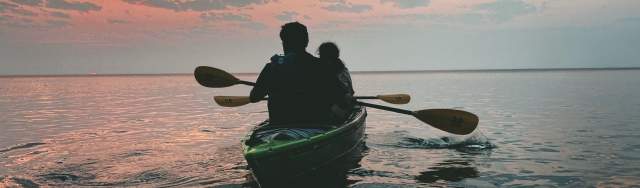
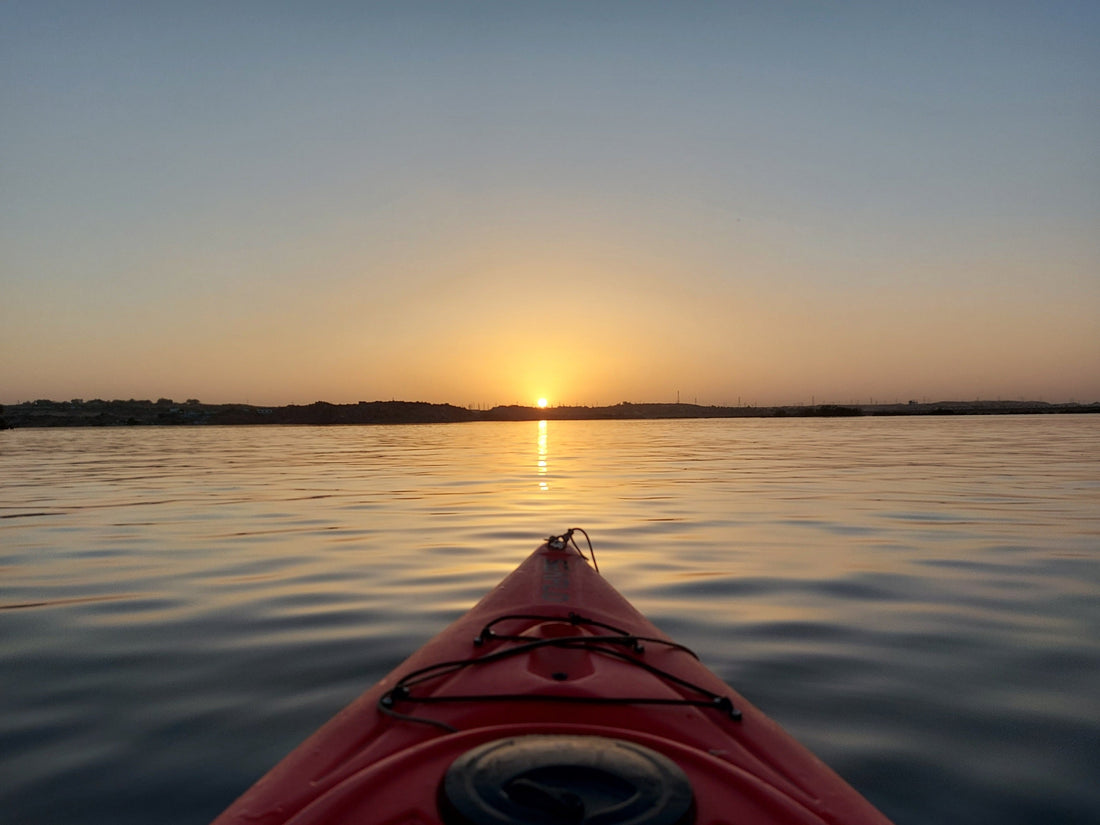
The sky can change from deep blue to orange, pink, or purple in minutes. Water reflects these colors, making everything look magical.
More Wildlife
Birds often start feeding at dawn or dusk. You might hear frogs, see fish breaking the surface, or spot deer near the water. Moving quietly helps you see more.
Calm And Quiet
Fewer people are on the water. The wind is usually lighter, and waves are smaller. This makes paddling easier, especially for beginners.
Cooler Temperatures
It can feel much colder, especially just before sunrise. Dress in layers and bring a windproof jacket. Hypothermia is a risk if you capsize.
Clothing And Gear Tips
Wearing the right clothes and packing smart can make your trip safer and more comfortable.
Dress In Layers
Start with a moisture-wicking base layer. Add a fleece or synthetic top, and finish with a waterproof jacket. Avoid cotton—it stays wet if you get splashed.
Bring Extra Dry Clothes
Pack a full set of dry clothes in a waterproof bag. If you fall in, changing quickly prevents you from getting too cold.
Use Waterproof Lights
Headlamps, kayak deck lights, or even bike lights can work. Make sure they’re waterproof, and check batteries before you leave.
Essential Gear Checklist
Here’s a quick summary of what you’ll need:
| Item | Purpose | Pro Tip |
|---|---|---|
| PFD (life jacket) | Safety | Choose bright colors for visibility |
| Headlamp/Flashlight | Navigation & visibility | Bring spare batteries |
| Dry bag | Keep items dry | Double-bag your phone |
| Whistle | Signal for help | Attach to PFD zipper |
| Map/GPS | Navigation | Don’t rely only on phone |
| Warm layers | Comfort | Bring a hat and gloves for cold mornings |
Expert Tips For A Memorable Experience
Kayaking at sunrise or sunset is about more than paddling. Here’s how to make it special:
- Bring a camera or phone in a waterproof case. Early or late light is perfect for photos.
- Stay still and listen. You’ll notice sounds and sights you miss during the day.
- Try a new spot each time. Every location looks different at sunrise or sunset.
- Invite a friend. Sharing the moment can make it even better.
- Keep a journal. Write down what you see and feel. Over time, you’ll remember each trip.
One thing beginners often miss: the mood of the water can change quickly. In just 10 minutes, wind can pick up or fog can appear. Always be ready to adjust your plan or turn back.
Another common mistake: overestimating your speed. In low light, you may paddle slower, especially if you’re stopping for photos or just enjoying the view. Give yourself extra time.
Common Mistakes To Avoid
Even experienced kayakers make errors at sunrise or sunset. Watch out for these:
- Forgetting lights: This can put you at risk and may break local laws.
- Wearing dark clothing: You’ll be harder to see. Pick bright colors.
- Paddling too far from shore: If you get tired or lost, it’s harder to get back.
- Ignoring weather changes: Early or late, storms can come quickly.
- Not checking local rules: Some parks or lakes close at sunset.
Comparing Sunrise Vs Sunset Kayaking
Choosing between sunrise or sunset depends on your schedule and what you want to experience. Here’s a quick comparison:
| Aspect | Sunrise | Sunset |
|---|---|---|
| Wildlife activity | Often higher | Still good, but less than sunrise |
| Temperature | Coldest part of the day | Warmer, but cools quickly after sunset |
| Crowds | Almost none | Some people, especially in summer |
| Lighting for photos | Cooler, blue tones | Warmer, orange/pink tones |
| Personal energy | Fresh start to the day | Relaxing, good for winding down |
Both are wonderful, so try each and see which suits you best.
Frequently Asked Questions
How Early Should I Arrive Before Sunrise Or Sunset?
Arrive at least 20–30 minutes before the official sunrise or sunset time. This gives you time to prepare, launch, and enjoy the changing colors.
Is It Safe To Kayak Alone At These Times?
It’s always safer to paddle with a friend, especially at sunrise or sunset. If you go alone, stay close to shore, bring lights, and let someone know your plans.
What Should I Do If I Get Caught After Dark?
Stay calm. Turn on your lights, stick close to the shore, and paddle back steadily. Use your whistle or phone if you need help. Always bring extra batteries for your light.
What Type Of Kayak Is Best For Sunrise Or Sunset Trips?
A stable recreational or touring kayak is ideal. Sit-inside kayaks keep you warmer in cool weather. Choose one that’s comfortable for longer paddles.
Do I Need A Special Permit Or License?
This depends on your location. Some lakes or parks require permits, especially for after-hours access. Check with local authorities or the official park website, such as National Park Service, before your trip.
Kayaking at sunrise or sunset is a special adventure. With the right preparation and safety steps, you can enjoy the calm water, stunning views, and peaceful feeling that only these hours provide. Take your time, stay safe, and let the beauty of nature inspire you on every paddle.