
Kayaking is more than just a way to travel on water—it’s a ticket to adventure. For many paddlers, choosing the right kayak can open up new worlds. If you enjoy long journeys, exploring lakes, rivers, or even the coastline, you might hear the term touring kayak again and again. But what is a touring kayak, and why is it the boat of choice for serious adventurers? Let’s dive into the details and understand what sets a touring kayak apart from other types, what makes it special, and why it could be the right fit for your next expedition.
What Makes A Touring Kayak Unique?
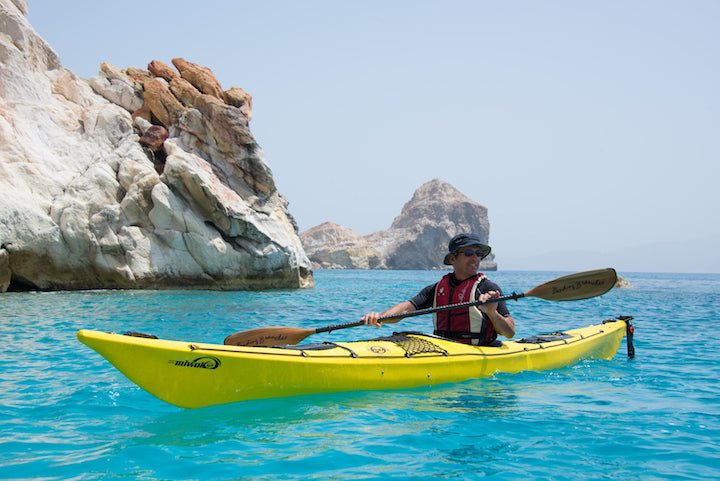
Touring kayaks are designed for long-distance paddling over open water. They are not the short, wide kayaks you see at the beach or the playful boats for whitewater. Touring kayaks are longer, slimmer, and built for speed, comfort, and efficiency. Most are between 12 and 18 feet (3.6 to 5.5 meters) long, with a width of 21 to 25 inches (53–64 cm).

Today's Exclusive Deals
Limited-time Exclusive Deals. Check current discount on Amazon.
Check Price on Amazon As an Amazon Associate I earn from qualifying purchases.The length and shape help them glide smoothly, track straight, and handle changing water conditions. While recreational kayaks are great for short trips in calm water, touring kayaks are for journeys that can last hours—or even days.
Key Features Of Touring Kayaks
- Longer hulls: Helps with speed and straight tracking.
- Narrower beam: Reduces drag and increases efficiency.
- Covered storage compartments: Keeps gear dry for multi-day trips.
- Rudder or skeg: Maintains direction in wind or current.
- Comfortable seating: Designed for long hours on the water.
- Deck lines and bungees: Extra storage on top for quick-access items.
Unlike sit-on-top kayaks, most touring kayaks are sit-inside. This design protects your lower body from splashes, wind, and cold water.
Differences Between Touring Kayaks And Other Kayak Types
Many beginners confuse touring kayaks with recreational or sea kayaks. Let’s compare them side by side for clarity.
| Kayak Type | Typical Length | Main Use | Stability | Speed | Storage |
|---|---|---|---|---|---|
| Touring Kayak | 12-18 ft | Long trips, open water | Moderate | High | Large (dry compartments) |
| Recreational Kayak | 8-12 ft | Short trips, calm water | High | Low | Small/none |
| Sea Kayak | 15-18 ft | Ocean, rough water | Low | Very High | Large (dry compartments) |
| Whitewater Kayak | 6-9 ft | Rivers, rapids | Very High (for maneuvering) | Low | Minimal |
A touring kayak is a balance between speed, stability, and comfort. It’s not as extreme as a sea kayak, but it’s far more capable than a basic recreational model.
Why Choose A Touring Kayak?
If you’re planning trips that are longer than a few hours, or you want to paddle in different conditions, a touring kayak is a smart choice. Here’s why:
- Efficiency: The long, narrow shape means you use less energy to cover more distance.
- Gear Capacity: You can pack camping equipment, food, and extra clothes safely.
- Comfort: Touring seats are built for all-day paddling, with adjustable backrests and footpegs.
- Safety: The ability to handle wind, waves, and currents makes them safer for open water.
- Versatility: Great for lakes, slow rivers, and coastal waters.
One detail many new paddlers miss: touring kayaks handle differently when loaded with gear. They often become more stable and track even better when carrying weight, unlike recreational kayaks that can become unstable if overloaded.
Main Components Of A Touring Kayak
To truly understand a touring kayak, it helps to look at its parts and how each supports long-distance paddling.
Hull Design
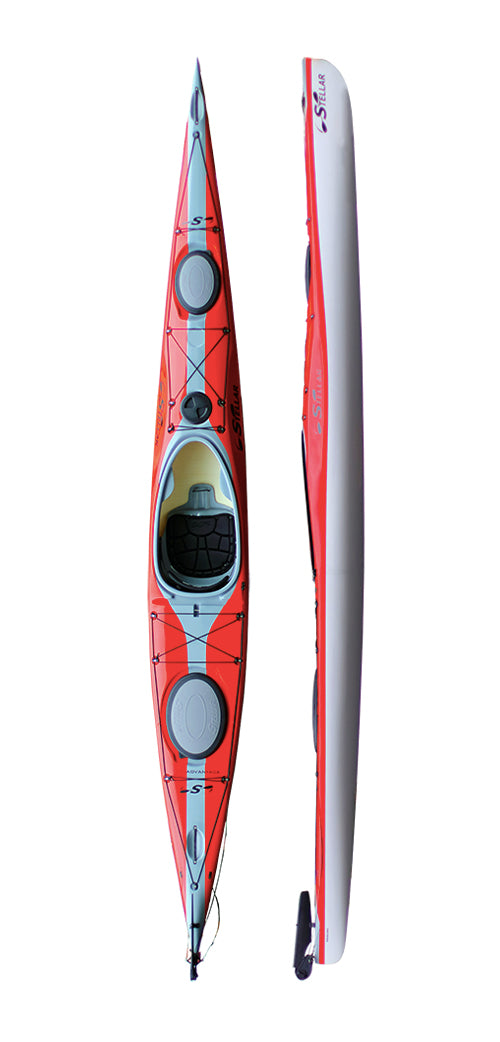
The hull is the bottom of the kayak. Touring kayaks usually have a shallow V or rounded hull. This shape offers a good mix of speed and stability. Some models use a slight “chine”—a change in angle along the side—for better control.
Cockpit
Most touring kayaks have a smaller cockpit compared to recreational models. This keeps water out and lets you use a spray skirt for extra protection. Some cockpits are “keyhole” shaped, which makes entering and exiting easier while keeping a snug fit.
Bulkheads And Hatches
Inside, touring kayaks have bulkheads—walls that separate the kayak into compartments. These keep gear dry and add flotation if you capsize. Hatches on the deck allow you to store and retrieve your gear.
Deck Lines And Bungee Cords
The deck is covered with lines and elastic cords. You can secure water bottles, maps, and rescue gear within easy reach. Deck lines also help you grab the kayak if you fall out.
Rudder And Skeg
Many touring kayaks include a rudder (a moveable fin controlled by foot pedals) or a skeg (a fixed fin you can lower into the water). Both help the kayak go straight, especially in wind or current.
Touring Kayak Materials: What Should You Choose?
Material affects a kayak’s weight, strength, and price. Here are the main options:
- Polyethylene Plastic: The most affordable. Durable but heavy. Can get scratched but resists impact.
- ABS Plastic: Lighter and more UV-resistant than polyethylene. Slightly more expensive.
- Fiberglass: Much lighter and faster. Repairs are possible, but it can crack on impact.
- Kevlar/Carbon Fiber: Ultra-light and stiff. High cost, but top performance.
- Inflatable Touring Kayaks: Made from PVC or similar. Easier to store and transport, but less efficient and not as durable for rough trips.
If you paddle mostly on lakes or gentle rivers, plastic is enough. If you’re planning long expeditions, lighter materials can save your energy and make portaging easier.
How To Choose The Right Touring Kayak
Selecting a touring kayak is more than picking the longest or most expensive model. Consider these factors:
1. Your Body Size
A kayak that fits your body makes paddling comfortable and efficient. Try sitting in different models. Make sure your knees, feet, and hips feel relaxed but supported.
2. Trip Length And Conditions
- Short day trips: Lighter, simpler models are fine.
- Multi-day journeys: Look for more storage and comfort features.
- Coastal or windy areas: Consider a rudder or skeg.
3. Storage And Transport
Touring kayaks are long! Measure your car roof, garage, and storage area before buying.
4. Weight Capacity
Add your body weight plus all gear you plan to carry. Stay well below the kayak’s maximum limit for best performance.
5. Test Paddle
If possible, test paddle before buying. Even two kayaks with the same length can feel very different on the water.
One insight many buyers miss: not all touring kayaks suit beginners. Some models are more “tippy” and require practice. Look for one described as “beginner-friendly” if you’re just starting out.

Touring Kayak Accessories You’ll Need
A touring kayak is only part of your setup. Don’t forget these essentials:
- Paddle: Lightweight and sized for your height. Fiberglass or carbon is best for long trips.
- Spray skirt: Keeps water out of the cockpit, especially in waves or rain.
- Personal flotation device (PFD): Choose one designed for kayaking (not boating or fishing).
- Dry bags: For clothes, electronics, and food. Even waterproof hatches can leak.
- Navigation tools: Map, compass, or GPS.
- Bilge pump or sponge: To remove water from the cockpit.
- First aid kit: For emergencies on remote trips.
Many paddlers forget that sun protection is critical on the water. Sunglasses, hats, and sunscreen are as important as any gear.
Touring Kayak Performance: Speed, Stability, And Comfort
Touring kayaks are built to cover distance, but how do they actually perform? Let’s look at three key areas.
Speed
Touring kayaks are much faster than recreational models. The longer waterline means you glide farther with each paddle stroke. A fit paddler in a touring kayak can average 3–4 miles per hour (5–6. 5 km/h) for hours.
Stability
Touring kayaks have “primary” and “secondary” stability. Primary is how steady it feels at rest; secondary is how well it handles when tilted on its side (such as leaning into a wave). Touring kayaks often feel less stable at rest but are very steady when moving.
Comfort
Seats have padding, adjustable backrests, and footpegs. You’ll notice less fatigue and fewer aches after hours on the water—something recreational kayaks rarely offer.
Pros And Cons Of Touring Kayaks
Every boat has strengths and weaknesses. Here’s an honest look at both.
| Pros | Cons |
|---|---|
| Fast and efficient for long distances | Can feel unstable to beginners |
| Large dry storage for gear | Harder to turn quickly |
| Handles wind and waves well | Heavier and harder to transport |
| Comfortable for all-day paddling | More expensive than basic kayaks |
Many new paddlers are surprised at how much practice it takes to master turning and re-entering a touring kayak after a capsize. This skill is worth learning before any big trip.
Real-world Examples: When Touring Kayaks Shine
Touring kayaks are the choice for trips like:
- Paddling the Great Lakes or large inland lakes, where wind and waves can be strong.
- Exploring long stretches of the coast, such as the Pacific Northwest or Norwegian fjords.
- Multi-day river expeditions with camping gear.
- Joining group tours where speed and efficiency help keep up.
A recreational kayak would struggle in these places, especially if you need to cover 10–20 miles a day.
How To Maintain And Store A Touring Kayak
Taking care of your kayak means it lasts longer and stays safe. Here are some tips:
- Rinse after use, especially if you paddle in salt water. Salt can damage metal and plastic.
- Store indoors or under cover. Sun and weather weaken plastic and fade colors.
- Check hatches, deck lines, and rudder/skeg before each trip. Replace damaged parts.
- Transport with care. Use proper roof racks and straps, not rope alone.
One thing many owners overlook: Check for leaks at least once a season by putting water inside each compartment and seeing if it drips out.
Where To Learn More Or Try Before Buying
If you’re still unsure, look for demo days at local kayak shops or join a club. Many shops rent touring kayaks for a day. This is the best way to feel the difference and ask questions in person.
For more detailed comparisons and technical specs, the Wikipedia Kayak page has extensive resources.
Frequently Asked Questions
What Is The Main Difference Between A Touring Kayak And A Sea Kayak?
Touring kayaks are designed for long-distance paddling on lakes and gentle coastal areas, focusing on comfort and efficiency. Sea kayaks are usually longer, narrower, and built for rougher water and ocean conditions.
Can Beginners Use Touring Kayaks?
Yes, but some touring kayaks feel “tippier” than recreational boats. Beginners should choose stable models and practice basic skills, including self-rescue and turning.
How Much Gear Can A Touring Kayak Carry?
Most touring kayaks can carry 100–150 pounds (45–68 kg) of gear, depending on the model. Check the manufacturer’s specs and remember that overloading affects handling.
Do I Need A Rudder Or Skeg On My Touring Kayak?
Not all touring kayaks need a rudder or skeg, but they help maintain direction in wind or currents. Many paddlers find them useful for longer trips, especially on large lakes or open water.
How Do I Transport A Touring Kayak?
Because touring kayaks are long, they’re usually carried on car roof racks. Use padded racks and straps. For solo paddlers, kayak carts can help move them from your car to the water.
A touring kayak is an investment in your paddling journey. With the right choice and preparation, it can take you farther, faster, and with more comfort than you ever imagined. Whether you’re planning a weekend adventure or a cross-country expedition, a touring kayak is the boat built for the journey.

