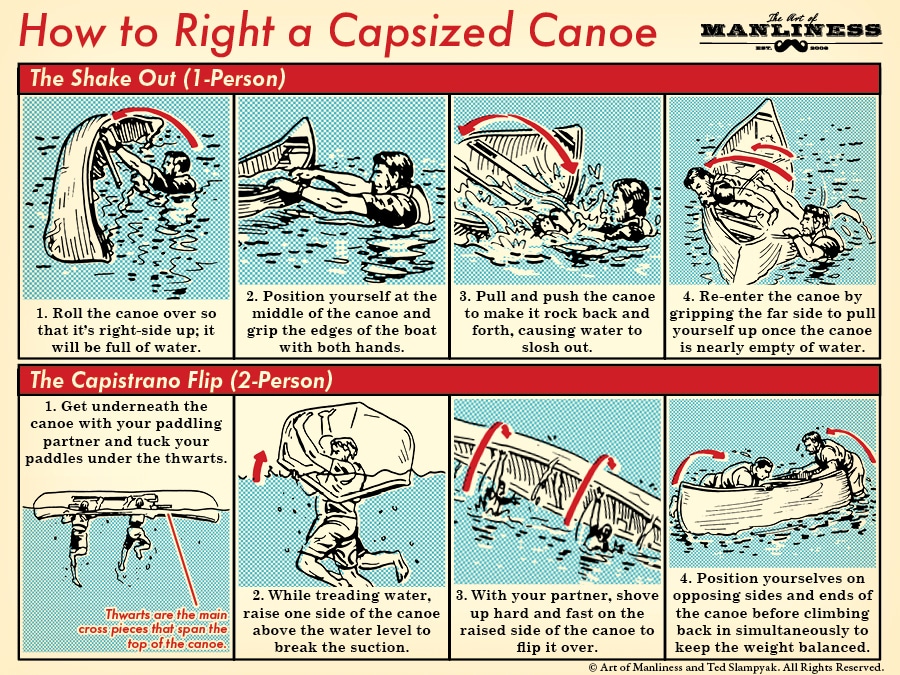
Getting back into a kayak after capsizing is a skill every kayaker should learn. Even experienced paddlers can tip over because of wind, waves, or a simple shift in balance. If you don’t know what to do, capsizing can be scary and dangerous.
But with the right steps and confidence, you can re-enter your kayak and continue your journey safely. This guide will show you proven methods, practical tips, and common mistakes to avoid, so you can handle a capsize with less stress.
Today's Exclusive Deals
Limited-time Exclusive Deals. Check current discount on Amazon.
Check Price on Amazon As an Amazon Associate I earn from qualifying purchases.Why Kayaks Capsize And Why Recovery Skills Matter
Kayaks are designed to be stable, but they can flip in some situations. Strong waves, sudden moves, or a shift in weight can all cause a capsize. Knowing how to get back in a kayak is not just about getting wet—it’s about safety. If you fall into cold water, you risk hypothermia. If you can’t get back in, you may drift away from your kayak or land. Having recovery skills means you stay in control, even when things go wrong.
Immediate Steps After Capsizing
The first moments after a capsize are important. Here’s what you should do:
- Stay Calm: Panicking wastes energy and makes things harder. Take a breath and remember the steps.
- Hold On to Your Kayak and Paddle: Even if you fall out, keep at least one hand on your kayak and your paddle. Kayaks float, and your paddle is needed to get moving again.
- Assess Your Situation: Check for injuries, look around for hazards, and see if you’re too far from shore.
- Position Yourself: Get to the side of your kayak that is facing up (the hull). This makes it easier to flip the kayak upright and re-enter.
Many beginners forget to hold on to their paddle, making recovery much harder. If you’re in a group, call for help but don’t rely only on others—you need to know how to recover solo.
Types Of Kayak Capsize Recovery
Not all kayaks are the same, and not all recoveries work for every situation. Here are the main methods:
Solo Re-entry (self-rescue)
This is when you’re alone and must get back into your kayak by yourself.
The Paddle Float Rescue
A paddle float is an inflatable device you attach to one end of your paddle, making it a stabilizer.
- Attach the Float: Secure the paddle float to one end of your paddle and inflate it.
- Position the Paddle: Place the paddle across the kayak behind the cockpit, with the float end sticking out.
- Stabilize: Hold the paddle near the cockpit to stabilize the kayak.
- Kick and Climb: Kick your legs to float up, then slide your chest onto the back deck.
- Swing Legs In: Bring your legs into the cockpit one at a time.
- Sit Up and Recover: Sit upright, grab your paddle, and begin bailing out water.
This method is reliable for both sit-in and sit-on-top kayaks. Practice is key—try it in calm water before you need it for real.
The Cowboy Scramble
This works best on wide, stable kayaks, especially sit-on-top models.
- Get Behind the Kayak: Hold the back of your kayak.
- Kick and Pull Up: Kick your feet and pull your chest onto the rear deck.
- Straddle and Slide Forward: Straddle the kayak and shimmy forward toward the seat.
- Swing Legs In: Slip your legs into the cockpit or onto the seat.
- Balance and Sit Up: Center your weight and sit up carefully.
Beginners often try to climb in from the side, which can flip the kayak again. Always approach from behind for more stability.
Assisted Re-entry (with A Partner)
If you’re paddling with friends, an assisted rescue is faster and safer.
The T-rescue
One kayaker helps stabilize and empty the capsized kayak.
- Position the Kayaks: The rescuer brings their kayak perpendicular to the capsized kayak, forming a “T”.
- Empty Water: The rescuer lifts the bow or stern to drain water from the cockpit.
- Stabilize the Kayak: The rescuer holds the kayak steady.
- Re-Entry: The swimmer climbs back in, using the stabilized kayak for support.
Assisted rescues let you get back in with less effort, especially in rough water.
The Heel Hook Re-entry
This method gives you more leverage and works well for smaller or less flexible paddlers.
- Float Next to the Kayak: Face the cockpit, holding onto the side.
- Insert Your Leg: Hook one heel into the cockpit.
- Pull and Rotate: Use your arms to pull up and roll your body into the seat, keeping your center of gravity low.
- Sit Up: Once in, sit upright and gather your gear.
This technique is less known but very effective—try it during practice sessions.
Essential Gear For Kayak Recovery
Having the right gear makes kayak recovery much easier and safer. Here’s what you should always have:
- PFD (Personal Flotation Device): Always wear a life jacket. It keeps you afloat and reduces panic.
- Paddle Float: Useful for solo re-entries.
- Bilge Pump or Sponge: For bailing water from the kayak after re-entry.
- Whistle or Signal Device: For calling for help if needed.
- Leash for Paddle: Keeps your paddle from floating away during a capsize.
- Spray Skirt: For sit-in kayaks, keeps water out, but you must know how to remove it quickly.
Many beginners skip the paddle float or pump, thinking they won’t capsize. But these small items can save you a lot of trouble.

Step-by-step Guide: Self-rescue After Capsizing
Here’s a detailed step-by-step guide for getting back in your kayak solo, using the paddle float method:
1. Flip Your Kayak Upright
Get to the side of the kayak. Reach over and pull the far edge toward you, using your body weight to roll it upright.
2. Hold On To The Kayak
Keep one hand on the kayak at all times, so it doesn’t drift away.
3. Attach Paddle Float
Slide the float onto one end of the paddle and inflate or secure it.
4. Position Paddle For Leverage
Place the paddle behind the cockpit, perpendicular to the kayak, with the float on the water.
5. Kick And Slide
Kick your feet to float your body up, then slide your chest onto the rear deck, holding the paddle for balance.
6. Bring Legs In
Swing your legs one at a time into the cockpit, keeping your body low.
7. Sit Up Slowly
Once your legs are in, sit upright and adjust your position.
8. Bail Out Water
Use a bilge pump or sponge to remove water from the cockpit before paddling away.
9. Check For Gear
Make sure you have your paddle and anything else that may have come loose.
Common mistakes include trying to climb in too fast (which flips the kayak again) or not keeping the paddle float secure.
Practice Makes Perfect: Building Confidence
Knowing the steps is not enough—you must practice regularly. Practice in calm, warm water with a friend nearby. Try different recovery methods, and see what works best for your kayak and your body type. Practicing also helps you stay calm in a real capsize, because muscle memory takes over.
Many beginners only practice capsizing once or twice, but regular practice is key. Try practicing with gear, such as a loaded kayak, to see how it feels.
Safety Tips For Kayak Recovery
- Never kayak alone in remote areas, especially as a beginner.
- Always wear a PFD.
- Dress for the water temperature, not just the air temperature—cold water can be dangerous even on warm days.
- Attach a paddle leash to avoid losing your paddle.
- Know your limits—if conditions are rough, stay close to shore.
- Tell someone your route and expected return time.
A common oversight is ignoring the weather and water temperature. Even skilled kayakers can get into trouble if they’re not prepared.
Data: Success Rates By Recovery Method
Here’s a comparison of common recovery methods and their success rates for beginners:
| Method | Success Rate (Beginners) | Best for |
|---|---|---|
| Paddle Float Rescue | 70% | Solo, Sit-In Kayaks |
| Cowboy Scramble | 60% | Solo, Sit-on-Top Kayaks |
| T-Rescue | 90% | Groups, All Kayaks |
| Heel Hook | 80% | Shorter/Smaller Paddlers |
Sit-in Vs. Sit-on-top Kayaks: Recovery Differences
The type of kayak you use affects your recovery technique.
| Feature | Sit-In Kayak | Sit-on-Top Kayak |
|---|---|---|
| Water in Cockpit | Yes, must be bailed out | Drains easily |
| Spray Skirt Use | Yes, often used | No |
| Recovery Difficulty | Harder for beginners | Easier to remount |
If you mostly paddle a sit-on-top, you’ll find it simpler to get back on, but both types require practice.
Common Mistakes And How To Avoid Them
1. Letting Go Of The Paddle
Always keep your paddle within reach, or use a leash.
2. Trying To Enter From The Side
Always approach from the rear for more stability.
3. Ignoring Practice
Don’t wait for an emergency to learn recovery skills.
4. Skipping Safety Gear
Never paddle without a PFD or rescue tools.
5. Panic
Take a moment to breathe and follow your training.
A non-obvious tip: Practice rolling your kayak upright with your body in the water, not just from the shore. This builds real-world skill and confidence.
Real-world Example
Imagine you capsize in a cold lake, 100 meters from shore. You’re wearing your PFD, but forget to hold your paddle. The wind pushes your kayak away. You try to swim after it, but lose energy quickly. This situation is common, but avoidable if you remember to keep your paddle and kayak together and use recovery steps you have practiced.
Advanced Tips For Faster Recovery
- Use your legs: Kicking gives you upward force, making it easier to climb onto the kayak.
- Keep your body low: A low center of gravity prevents re-capsizing.
- Tuck the paddle under your arm: If you need both hands, tuck your paddle so it stays with you.
- Check for loose gear: Make sure everything is secured to avoid losing important items.
Some advanced paddlers use a re-entry roll (rolling the kayak upright with their body inside), but this takes much practice and is not advised for beginners.
When To Call For Help
If you’re injured, exhausted, or can’t re-enter after several tries, signal for help. Use a whistle, signal mirror, or wave your paddle. It’s better to call for help early than to wait until you’re in real trouble.
For more about kayak safety and rescue, you can visit the Wikipedia Kayaking page.
Frequently Asked Questions
What Should I Do First After Capsizing?
Stay calm and grab both your kayak and paddle. Make sure you’re safe, then begin the recovery steps. Panic is your biggest enemy in this situation.
Can I Recover A Kayak Alone In Deep Water?
Yes, with practice and the right gear, solo recovery is possible. The paddle float method is most common. Practice in safe conditions before paddling far from shore.
Do I Need Special Training To Get Back In A Kayak?
Basic recovery can be learned by most people, but a short course or lesson with an instructor is very helpful. They can correct your mistakes and teach you new techniques.
Is It Harder To Re-enter A Sit-in Kayak?
Yes, sit-in kayaks fill with water and can be less stable during re-entry. Use a paddle float and pump to help. Practice makes a big difference.
What If I Lose My Paddle During A Capsize?
If you lose your paddle, try to recover it quickly. If not, use your hands to paddle to shore. Attaching a paddle leash helps prevent this problem.
Getting back into a kayak after capsizing is a skill that takes practice and the right mindset. With preparation, the right gear, and regular training, you can paddle with confidence—knowing you’re ready for anything the water brings.