Kayaking is an exciting way to explore rivers, lakes, and even the open sea. It’s a sport that welcomes beginners but also challenges advanced paddlers. Before you push off from shore, having the right equipment is not just about comfort—it’s essential for safety and enjoyment. If you’re new to kayaking or planning your first trip, you might wonder: What equipment do I need for kayaking? Let’s break down everything you should know, from the absolute basics to the often-overlooked details.
Essential Kayak Types And How To Choose
The first decision is which kayak suits your needs. There are several types, each designed for a different environment and purpose.
Today's Exclusive Deals
Limited-time Exclusive Deals. Check current discount on Amazon.
Check Price on Amazon As an Amazon Associate I earn from qualifying purchases.| Kayak Type | Best For | Main Features |
|---|---|---|
| Recreational Kayak | Calm lakes, slow rivers | Stable, wide, easy to use |
| Touring Kayak | Longer trips, open water | Longer, narrow, tracks straight |
| Whitewater Kayak | Rapids, fast rivers | Short, maneuverable, strong hull |
| Inflatable Kayak | Easy storage, travel | Lightweight, portable, less durable |
| Sit-on-Top Kayak | Warm climates, beginners | Open cockpit, easy exit/entry |
Non-obvious insight: Many beginners overlook the importance of *fit*. A kayak that is too wide or too narrow for your body can make paddling uncomfortable and less safe. Try sitting in a kayak before buying or renting, and make sure you can move your legs freely.
The Paddle: Your Most Important Tool
Without a kayak paddle, you’re not going anywhere. But paddles come in different lengths and blade shapes.
- Length: Choose based on your height and kayak width. Most adults use paddles between 210–240 cm long.
- Material: Aluminum (affordable, heavier), fiberglass (lighter, strong), or carbon fiber (very light, expensive).
- Blade Shape: Wider blades for quick, strong strokes (good for whitewater), narrower blades for long-distance paddling.
Practical tip: If you’re unsure, start with a mid-sized fiberglass paddle. It offers a good balance of weight and price.
Personal Flotation Device (pfd)
A personal flotation device is not optional—it’s your lifeline. Choose a PFD that is:
- U.S. Coast Guard approved (or your country’s safety standard)
- Comfortable to wear for hours
- Allows your arms to move freely
Many paddlers make the mistake of choosing a PFD that’s too bulky or tight, which can lead to discomfort and even dangerous situations if you remove it while on the water.
Spray Skirt: Keeping Dry And Safe
A spray skirt is a flexible cover that fits around your waist and attaches to the cockpit rim, keeping water out of your kayak. It’s essential in cold weather, rough water, or whitewater kayaking.
- Material: Neoprene (waterproof, warm) or nylon (lighter, less waterproof)
- Fit: Must match your kayak’s cockpit size and your waist
Beginners sometimes skip the spray skirt, but even a small wave can fill your kayak with water, making it unstable.
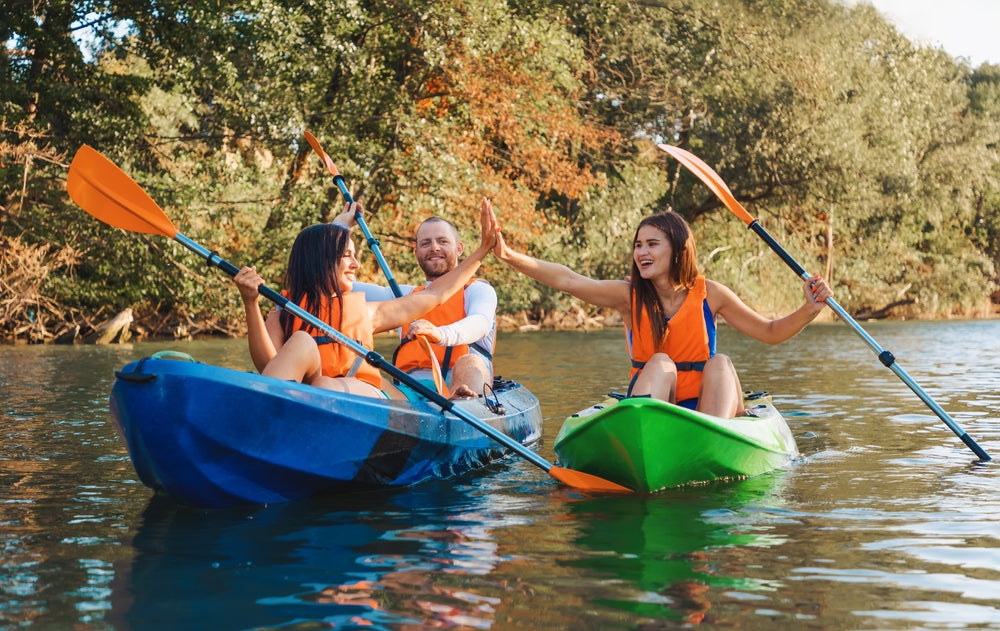
Appropriate Clothing For Kayaking
The weather and water temperature can change quickly. Wear clothing that protects you from sun, wind, and cold.
- Base layer: Synthetic or wool (never cotton—it stays wet and cold)
- Outer layer: Windproof or waterproof jacket/pants
- Footwear: Water shoes or old sneakers (avoid flip-flops)
- Hat and sunglasses: For sun protection
If kayaking in cold water, consider a wetsuit or dry suit. Hypothermia can happen even in mild weather if you get wet.
Safety Gear You Should Never Skip
Safety on the water is not only about the PFD. Smart kayakers always carry these items:
- Whistle or signaling device – To call for help
- Helmet – For whitewater or rocky areas
- Bilge pump or sponge – To remove water from your kayak
- Tow line or throw bag – For rescues
- First aid kit – Keep it dry and accessible
- Knife – For cutting rope or lines (attach to your PFD)
Non-obvious insight: Even experienced paddlers sometimes forget a knife. It’s vital in emergencies, such as getting tangled in fishing lines or ropes.
Navigation And Communication Tools
Knowing where you are—and being able to ask for help—is critical.
- Map and waterproof map case
- Compass or GPS device
- Waterproof phone case
- VHF radio (for sea kayaking or remote areas)
While smartphones are common, batteries can die, and signals can disappear. Always have a backup navigation method.
Storage And Dry Bags
Keeping your gear dry is a real challenge. Use dry bags or waterproof containers for:
- Extra clothing
- Snacks and water
- Electronics and valuables
Attach dry bags securely inside your kayak so they won’t float away if you tip over.
Transport And Launch Equipment
Getting your kayak to the water can be harder than paddling it. Consider:
- Car roof rack or kayak trailer
- Cam straps or tie-downs (never use rope alone—it can loosen)
- Kayak cart (for long walks to the water)
Some beginners damage their kayak or vehicle by using poor-quality straps or skipping a roof rack.
Optional Accessories That Improve Your Trip
While not required, these items can make your paddling experience much better:
- Fishing gear (for angling kayaks)
- Seat cushion or backrest (extra comfort)
- Deck compass (quick navigation)
- Action camera mount (record your adventure)
- Cup holder or snack tray
Choose accessories based on your trip length and style.

Comparing Kayaking Gear: What Matters Most
Let’s quickly compare the most important gear for beginners:
| Equipment | Critical for Safety | Improves Comfort | Optional |
|---|---|---|---|
| PFD | Yes | No | No |
| Paddle | Yes | Yes | No |
| Spray Skirt | Sometimes | Yes | Yes |
| Dry Bags | No | Yes | No |
| Helmet | For whitewater | No | Yes |
How To Choose Quality Kayak Equipment
Choosing the right equipment can be overwhelming. Here’s what to focus on:
- Fit and comfort: Try before you buy, especially PFDs and kayaks.
- Durability: Check materials (plastic vs. composite kayaks, fiberglass vs. aluminum paddles).
- Weight: Lighter gear is easier to carry and paddle with, but often costs more.
- Reputation: Buy from known brands or stores with good return policies.
Common mistake: Many first-timers buy used gear online without checking for cracks, missing parts, or poor fit. Always inspect equipment in person if possible.
Kayak Equipment Maintenance
Proper care extends the life of your gear:
- Rinse after use, especially if in salt water
- Store out of direct sunlight to avoid fading and cracking
- Check for damage after every trip
- Lubricate moving parts (paddle joints, hatches)
Neglecting maintenance can lead to unexpected failures on the water.
Renting Vs. Buying Kayak Equipment
For beginners, renting is a smart way to start. You can try different types of kayaks and paddles without a big investment.
- Renting: Good for occasional use, trying new locations, or learning what you like.
- Buying: Worth it if you go often, want a custom fit, or paddle in remote places.
Many outfitters offer “try before you buy” programs.
Environmental And Legal Considerations
Kayaking isn’t just about fun—it’s also about responsibility.
- Always follow local laws about life jackets, permits, and access.
- Leave no trace: Pack out all trash, avoid disturbing wildlife.
- Check invasive species rules: Some lakes require cleaning your kayak to prevent spreading plants or animals.
Following these guidelines keeps waterways open for everyone.
Real-world Example: A Day Trip Packing List
Let’s say you’re planning a 4-hour paddle on a local lake. Here’s what you’d need:
- Recreational kayak
- Paddle (220 cm, fiberglass)
- PFD (proper size, Coast Guard approved)
- Whistle
- Sun hat and sunglasses
- Lightweight quick-dry clothes
- Water bottle (in a dry bag)
- Small first aid kit
- Waterproof phone case
- Map of the lake (in a zip bag)
- Basic snacks
This list covers the basics, but you might add a spray skirt or rain jacket if the weather looks uncertain.
Useful Resources
If you want to learn more about kayaking equipment and safety, the American Canoe Association has detailed guides and safety tips. You can visit their official site here: American Canoe Association.
Frequently Asked Questions
What Is The Minimum Equipment I Need For Kayaking?
At a minimum, you need a kayak, paddle, and personal flotation device. If you’re going into rough water or cold conditions, add a spray skirt, helmet, and safety whistle.
Can I Use Any Life Jacket For Kayaking?
No, you should use a paddle-specific PFD. These are designed for comfort and freedom of movement. Standard boating vests can be bulky and restrict your paddling.
How Do I Keep My Belongings Dry While Kayaking?
Use dry bags or waterproof cases. Place electronics and valuables inside, seal tightly, and secure to your kayak. Even “water-resistant” packs can leak if submerged.
Do I Need Lessons Before I Start Kayaking?
Lessons are highly recommended, especially for learning paddle strokes, self-rescue, and safety rules. Many accidents happen because beginners skip basic training.
What Should I Do If My Kayak Flips Over?
Stay calm, hold on to your kayak and paddle, and swim to shallow water if possible. If you’re wearing a PFD, you’ll float. Practice “wet exits” and re-entry techniques with an instructor before paddling alone.
Kayaking is one of the most rewarding outdoor activities, but the right equipment makes all the difference. With smart choices, regular maintenance, and respect for the water, you’ll be ready for safe and enjoyable adventures.